Korean Dining Etiquette Rules: How to Eat Like a Local
At a glance
- In shortA practical guide to Korean table manners, utensil rules, drinking customs, and restaurant payment.
- Best forTravelers and international visitors dining in South Korea
- WhereSeoul
- Key pointsKeep rice bowls resting on the table rather than lifting them to your mouth. · Wait for elders to begin eating first, and use both hands to give or receive. · Do not leave cash tips, as menu prices include all tax and service.
- Heads-upNever stick chopsticks vertically into rice, as it mimics funeral and ancestral rites.
The Unspoken Rice Bowl Rule
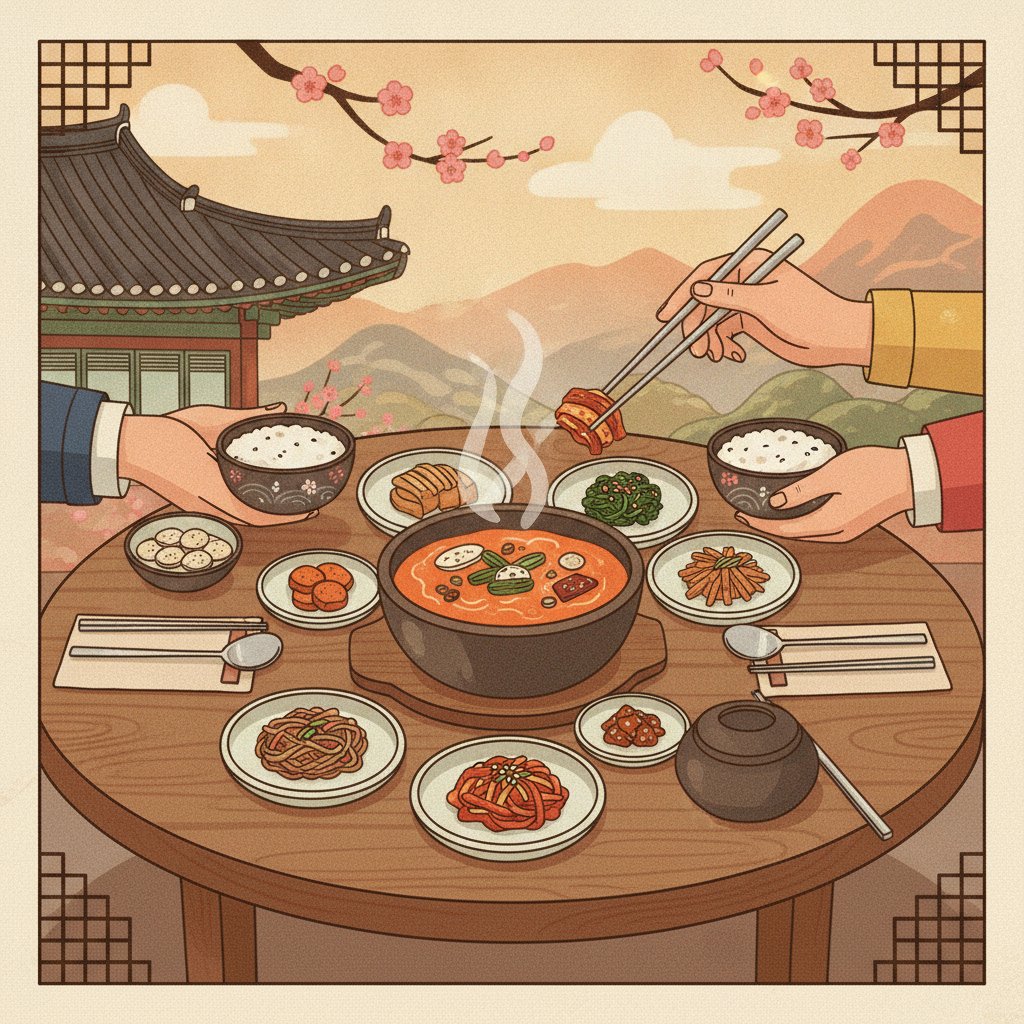
During a meal with an American friend at a local kimchi jjigae spot near Gangnam a few years ago, he immediately picked up his heavy stainless steel rice bowl with one hand, holding it close to his mouth to shovel rice in with chopsticks. In many parts of Asia, lifting your bowl is standard practice. In Korea, however, keeping your rice bowl resting firmly on the table is one of the most fundamental korean dining etiquette rules you can follow. Traditionally, lifting your bowl was associated with begging or rushing through a meal, whereas letting it sit on the table reflects patience and composure.
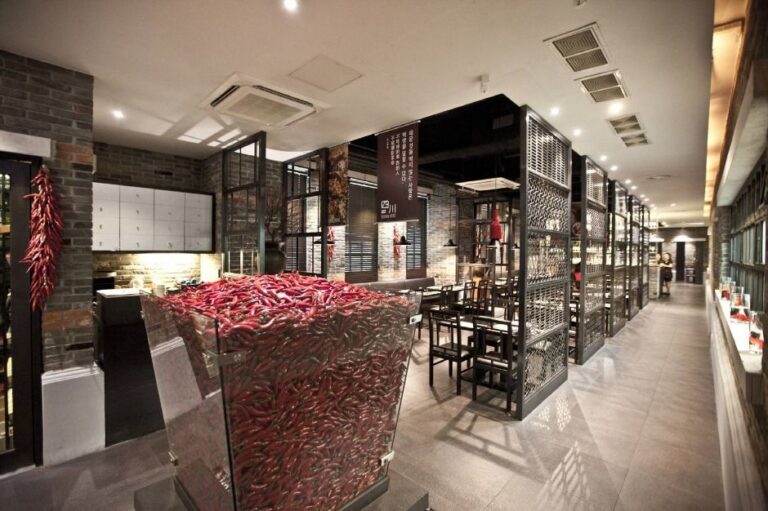
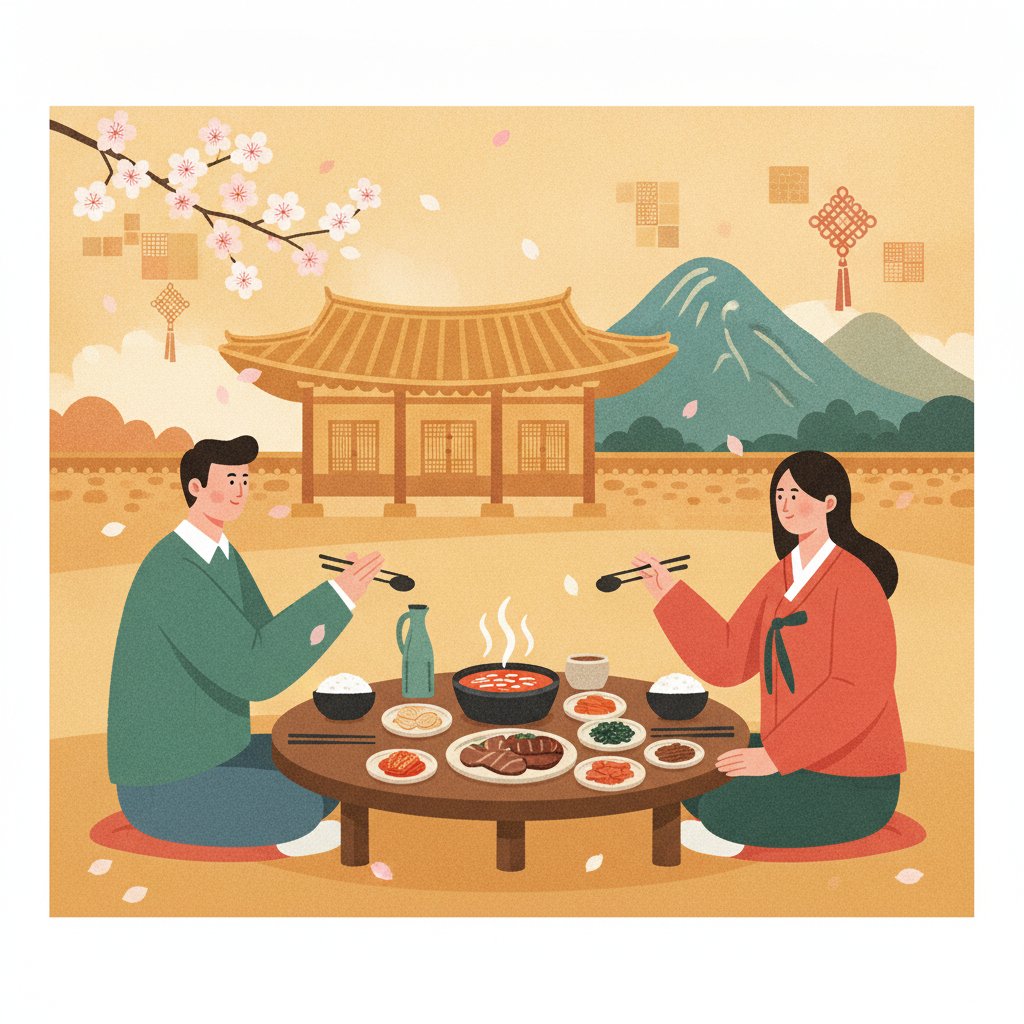
As a Korean who loves sharing meals with international visitors, I find that small cultural nuances make dining in Seoul far richer. Food is the heart of Korean social life. Whether you are sitting at a low floor table in a traditional hanok restaurant or ordering pork belly at a buzzing neon-lit barbecue joint, knowing how to navigate the table makes you feel less like a tourist and more like an invited guest.
✈️ Book your trip to Korea — hotels, flights & more
Utensil Etiquette: Spoons, Chopsticks, and Ancestral Shadows
Korean utensils are distinct. Unlike the wooden chopsticks common in Japan or China, Korean chopsticks are traditionally made of stainless steel or metal. They are flatter, slippery, and take a little getting used to. Alongside your chopsticks, you will almost always find a long-handled metal spoon.
How you handle these two items comes with specific cultural guidelines:
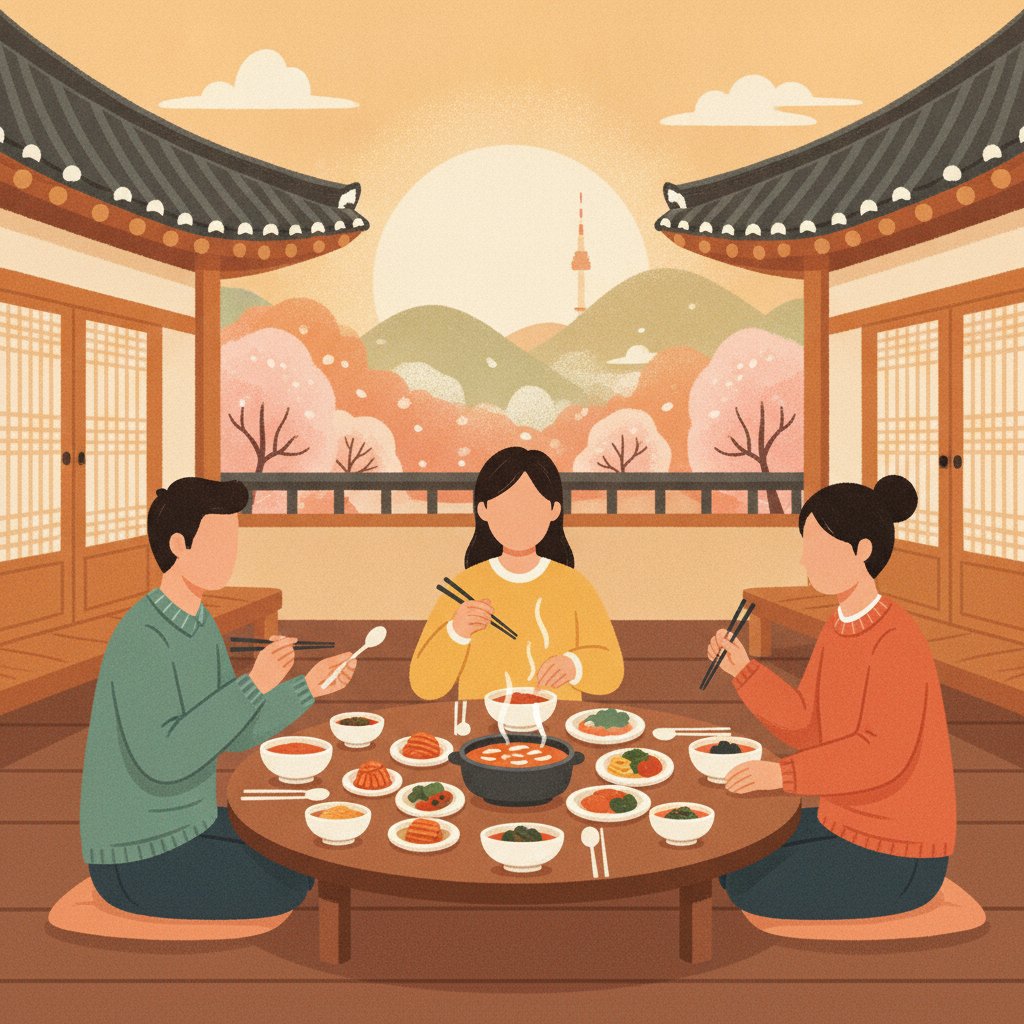
- The Spoon is for Rice and Soup: Use your spoon for eating plain rice, broth, and stews. Use your chopsticks for side dishes (banchan) and solid pieces of meat or vegetables. Trying to pick up loose rice grains with flat metal chopsticks can be frustrating, and using your spoon for rice is both practical and polite.
- Never Stick Chopsticks Upright in Rice: Sticking your chopsticks vertically into a bowl of rice is a major taboo across East Asia. In Korea, this mimics the burning of incense sticks during jesa (ancestral memorial ceremonies) and funeral rites. Always rest your chopsticks on the small ceramic holder provided, or flat across the edge of your small side plate.
- Avoid Holding Spoon and Chopsticks Simultaneously: Hold one utensil at a time. If you switch from soup to a side dish, set your spoon down on the table before picking up your chopsticks.
- Check the Side Drawer: If your table looks empty when you sit down, look along the side edge of the wooden table. Most casual Korean restaurants house chopsticks, spoons, napkins, and wet wipes in a built-in pull-out drawer directly beneath the tabletop.
Respecting Elders at the Table
Korean society places deep value on age, seniority, and hierarchical respect derived from Confucian traditions. These values translate directly to the dinner table. Even in modern Seoul, these age-based korean dining etiquette rules remain active in everyday family and business dining.
Before taking your first bite, wait for the eldest or most senior person at the table to pick up their spoon or chopsticks first. Starting before your senior is considered impolite. Similarly, try to match your eating speed to the group. Finishing twenty minutes before everyone else or lagging far behind can make others feel uncomfortable.
When an elder offers to pay or serves food onto your plate, accept it with both hands or with your right hand supported by your left forearm. This two-handed gesture is the ultimate universal sign of respect in Korea.
🎟️ Popular tours & experiences in Korea
Klook.comKorean Drinking Rules: Two Hands and Turned Heads
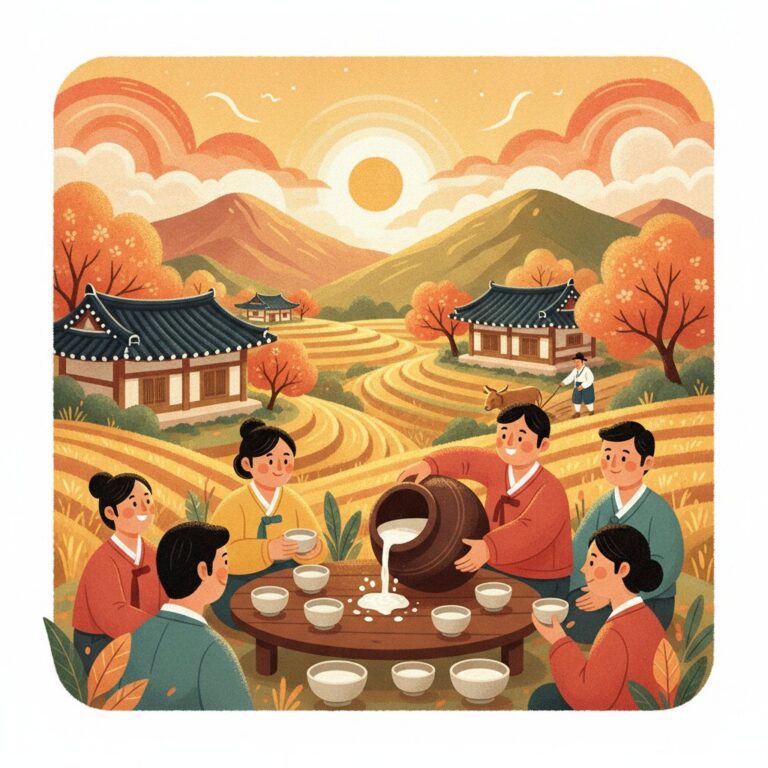
If you join Korean friends or colleagues for an evening of samgyeopsal (grilled pork belly) and drinks, you will quickly notice that alcohol service follows its own rhythmic dance. Drinks are rarely poured individually; they are shared back and forth to build camaraderie.
The fundamental rule of Korean drinking culture is that you rarely pour your own glass. Instead, keep an eye on your dining companions’ glasses. When someone’s glass is empty, offer to refill it. When pouring for someone older or higher in social status, hold the bottle with your right hand while gently touching your left hand to your right forearm or wrist. If you are receiving a drink, hold your cup with both hands.
When clinking glasses for a toast, lower your glass slightly below the rim of an elder’s glass as a sign of modesty. Before taking a sip in front of someone senior, politely turn your head and torso slightly away from them to drink. Blocking your mouth with your hand while taking a shot of soju or a sip of beer shows respect.
Navigating Shared Dishes and Banchan Etiquette
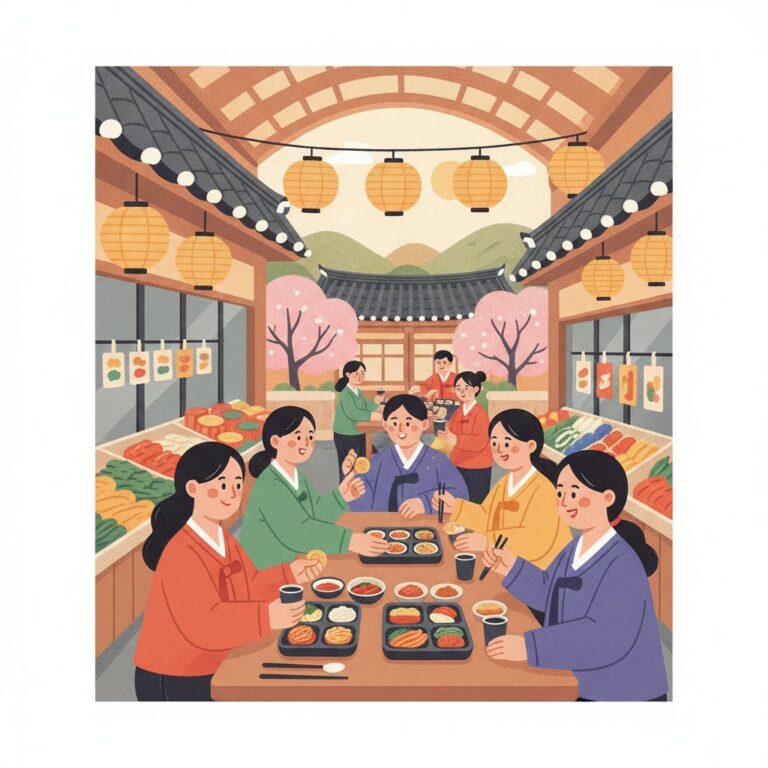
A typical Korean meal is a communal experience. Aside from your individual rice bowl and soup bowl, most items on the table—including small side dishes called banchan—are shared among everyone.
When dining at a casual local spot where a meal generally costs around 8,000 to 14,000 won (roughly $6 to $11 USD), you will receive a colorful array of free banchan, such as seasoned bean sprouts, pickled radishes, and classic kimchi. These side dishes are meant to be replenished. If you run out, simply ask the staff for more, or look for a self-service counter marked self-bar (셀프바). Refills are completely free, but take only what you intend to eat to avoid food waste.
When eating shared stews like budae jjigae (army stew) or dak-galbi (spicy stir-fried chicken), restaurants usually provide a small personal dish called an apjeobsi (front plate). Use the communal ladle or server spoon to transfer broth and ingredients into your personal bowl before eating, rather than double-dipping your personal spoon directly into the shared pot.
Practical Restaurant Etiquette: Calling Staff, Buttons, and Bills
Navigating Korean restaurants involves a few functional habits that differ significantly from Western dining expectations.
Calling the Waiter
In many Western countries, calling out loudly to restaurant staff is considered rude. In Korea, waiting quietly for a server to notice your eye contact might mean waiting a very long time. Many tables are equipped with a small call button (벨). Pressing it triggers a soft chime and alerts the kitchen staff.
If there is no call button, do not hesitate to make eye contact and raise your hand while calling out politely, “Yogiyo!” (literally meaning “Over here!”). Staff prefer prompt communication so they can serve you quickly.
No Tipping Allowed
There is strictly no tipping culture in South Korea. The price listed on the menu is the exact amount you pay, inclusive of value-added tax. Attempting to leave cash on the table will usually result in a concerned staff member running down the street to return the money you accidentally left behind.
Paying the Bill
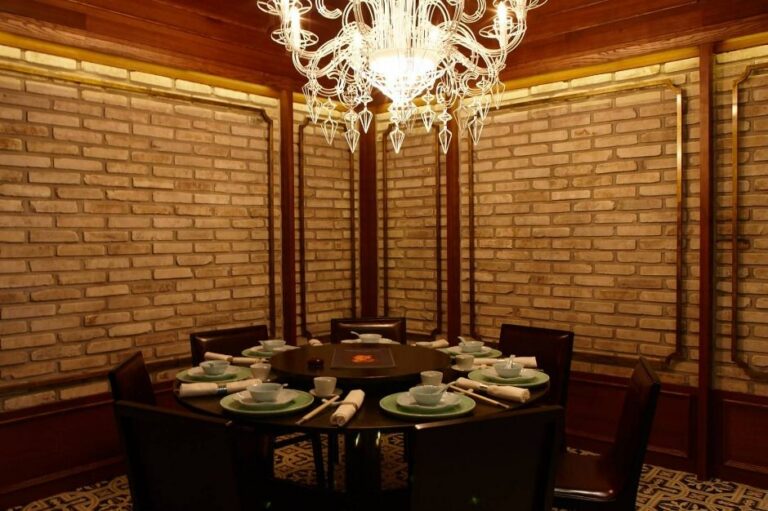
In most traditional and casual Korean eateries, the bill is placed on your table shortly after your full order arrives. When you finish eating, take the bill folder or receipt slip up to the cashier counter near the front entrance to pay. Payment is rarely processed at the table unless you are dining at a high-end hotel or fine-dining establishment.
Split billing is increasingly popular among younger generations, but traditionally, one person pays for the whole group, and someone else picks up the tab at the next stop (like a cafe or bar).
Quick Summary Table: Do’s and Don’ts
| Situation | What to Do | What to Avoid |
|---|---|---|
| Rice & Soup | Keep rice bowl on table; use spoon | Lifting bowl to mouth; using chopsticks for rice |
| Utensil Storage | Place on ceramic holder or plate | Sticking chopsticks vertically into rice |
| Drinking Alcohol | Pour and receive with both hands | Pouring your own drink; drinking head-on to elders |
| Paying Bill | Pay at front cash register counter | Leaving cash tips on table |
🎟️ Popular tours & experiences in Korea
Klook.comUseful Phrases for Dining Out
Showing a little effort in Korean goes a long way with restaurant staff and hosts. Here are three simple phrases you can use every day:
- “Jal meokgetseumnida” (잘 먹겠습니다): Said before starting a meal, translating to “I will eat well” or “Thank you for this meal.”
- “Jal meogotseumnida” (잘 먹었습니다): Said when finishing your meal, meaning “I ate well.”
- “Imo, yogiyo!” (이모, 여기요!): A friendly way to call server staff in casual neighborhoods (“Auntie, over here!”).
By keeping these simple korean dining etiquette rules in mind, you will navigate everything from street food stalls in Myeongdong to high-end Korean BBQ spots in Gangnam with ease and confidence.
FAQ
Do I need to tip at Korean restaurants?
No, tipping is not practiced in South Korea. Service charge and taxes are included in menu prices, and leaving a tip can cause confusion for restaurant staff.
Is it rude to leave food on your plate in Korea?
Leaving small bits of food or bone is acceptable, but leaving large amounts of untouched food can signal that you did not enjoy the meal. Finishing most of your meal is considered polite.
Can I ask for free side dish refills in Korea?
Yes, side dishes (banchan) are universally refillable at no extra cost in almost all traditional Korean restaurants. You can ask staff or use the self-service refill bar if available.
More on Dining Etiquette & Culture
- Understanding Korean BanchanA guide to Korean side dishes, including food categories, dining rules, buying tips, and a quick recipe.
- Ordering Food Delivery in Korea as a TouristExplains how tourists can order food delivery in Korea despite payment and app verification barriers.
- Guide to Korean Banchan (Side Dishes)An introduction to Korean banchan, explaining what side dishes are, common types, and how to enjoy them.
See every Dining Etiquette & Culture post in our K-Food guide.
Handy toolsKorea travel essentials · Korea Guide Finder
Keep Reading
- Essential Korean Bakery Items to Try in Seoul
- Types of Korean Tteokbokki From Classic Street Food to Rose
- Noryangjin Fish Market Guide: How to Buy, Bargain, and Eat
- Korean Temple Food in Seoul and the Local Vegan Scene
🎟️ Popular tours & experiences in Korea
Klook.com