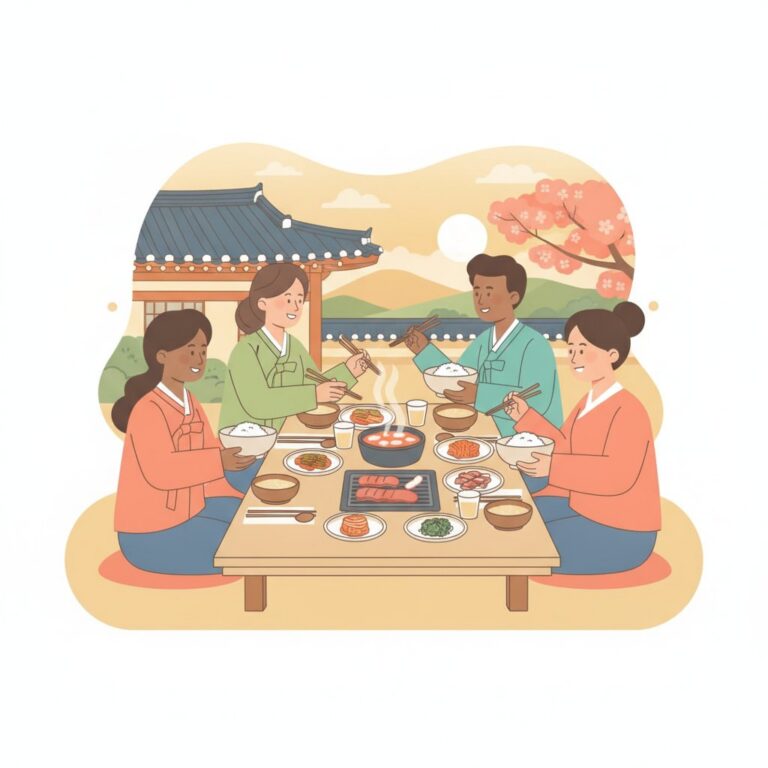
Banchan: Understanding Korea’s Delicious Side Dishes
This post contains affiliate links. As an Amazon Associate, we earn from qualifying purchases at no extra cost to you.
At a glance
- In shortAn introduction to Korean banchan, explaining what side dishes are, common types, and how to enjoy them.
- Best forTravelers and foreign visitors dining at Korean restaurants
- WhereNationwide
- Key pointsBanchan are complimentary, refillable side dishes served throughout the meal. · Types include kimchi, seasoned vegetables, braised, and stir-fried dishes. · Banchan are shared communally to provide nutritional and flavor balance.
- Heads-upBanchan are not appetizers; they are meant to be eaten alongside rice and main dishes.
What is Banchan? Your Guide to Delicious Korean Side Dishes
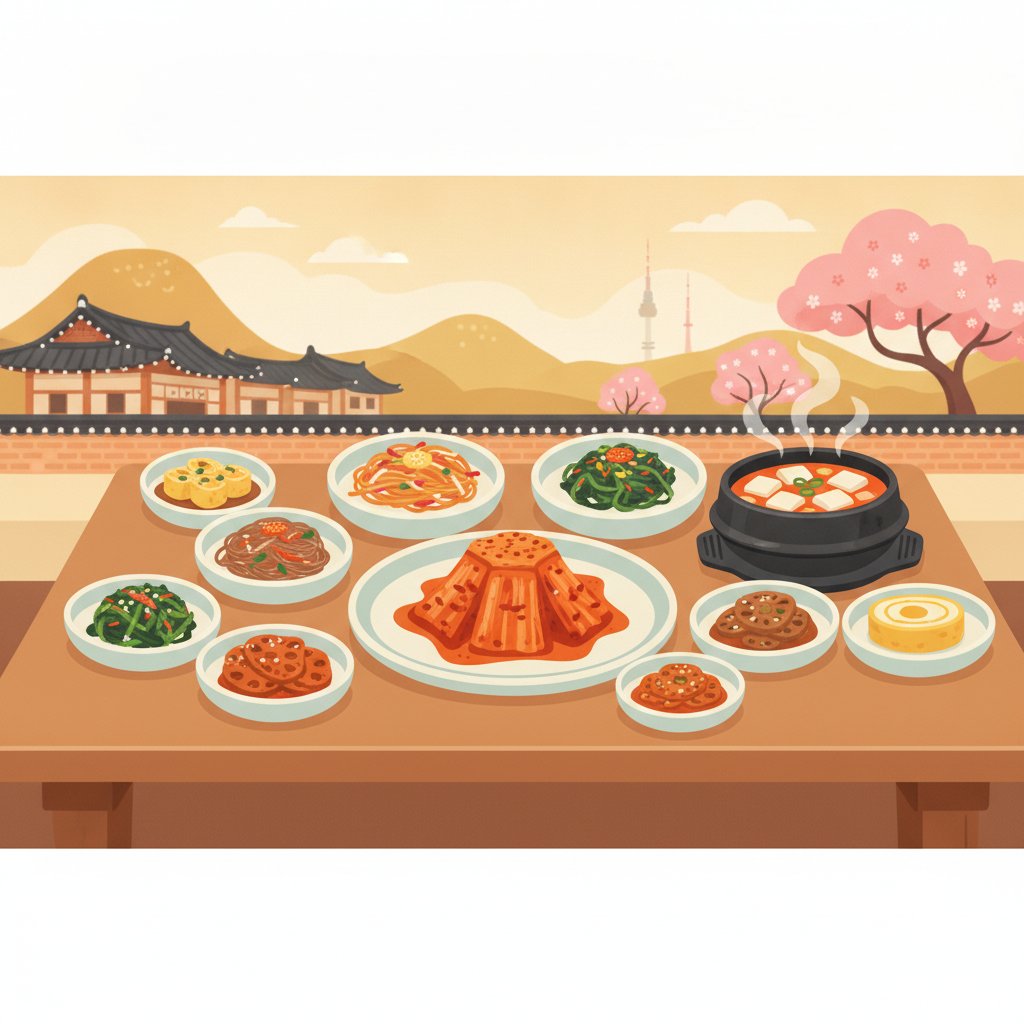
Annyeonghaseyo, fellow food explorers! As a local Korean, one of the first things I notice when foreigners visit a Korean restaurant is their reaction to the sheer number of small plates that magically appear on the table. Before the main dish even arrives, your table is already a vibrant mosaic of colors and textures. This, my friends, is your introduction to banchan (반찬) – the heart and soul of Korean dining.
You might be wondering, “Are these appetizers? Do I have to pay for them? How do I even eat all of this?” Don’t worry, I’m here to demystify the wonderful world of Korean side dishes for you. Banchan isn’t just a sidekick to your main meal; it’s an indispensable part of the Korean culinary experience, deeply rooted in our culture and traditions.
The Essence of Korean Dining: Beyond Just the Main Dish
In many cultures, a meal revolves around one or two central dishes. Not in Korea! Here, the concept of a balanced meal is paramount, and banchan plays a crucial role in achieving that balance. Imagine a concert where the main singer is fantastic, but the backup vocalists and band members elevate the entire performance – that’s banchan to your main dish.
As a Korean, I grew up with a table always laden with various banchan. It’s not just about flavor; it’s about providing a spectrum of nutrients, textures, and tastes that complement and contrast the main course, making every bite more interesting and wholesome.
So, What Exactly *Is* Banchan?
The term ‘banchan’ literally refers to side dishes in Korean cuisine. But it’s more than just a literal translation. It encompasses a philosophy of eating that emphasizes variety and communal sharing.
- Not an Appetizer: Unlike appetizers, which are eaten before the main course, banchan are meant to be eaten throughout the entire meal, alongside your rice and main dish.
- Always Served Free: This is probably the best part for many visitors! In almost every Korean restaurant, banchan are served complimentary with your order, and refills are usually free too.
- Variety is Key: From spicy to savory, sour to umami, raw to cooked, fermented to fresh – banchan covers an incredible range of flavors and preparation methods. You’ll rarely see the same exact set of banchan twice, even at the same restaurant, as many places rotate their offerings daily or seasonally.
The Philosophy Behind Banchan: Balance, Health, and Community
For us Koreans, banchan isn’t just food; it’s a reflection of our culture. The philosophy behind it is deeply ingrained:
- Nutritional Balance: Korean meals traditionally consist of rice, soup or stew, and several banchan. This ensures a balanced intake of carbohydrates, protein, and a rich array of vegetables, often fermented for gut health. This ancient wisdom predates modern nutritional science!
- Complementary Flavors: The diverse banchan are designed to complement the main dish, cutting through richness, adding a spicy kick, or providing a refreshing contrast. Think of spicy kimchi with rich Korean BBQ, or a refreshing cucumber banchan with a hearty stew.
- Communal Eating: Banchan are typically placed in the center of the table for everyone to share. This communal aspect fosters connection and conversation during meals, a cornerstone of Korean social life.
Common Types of Banchan You’ll Encounter
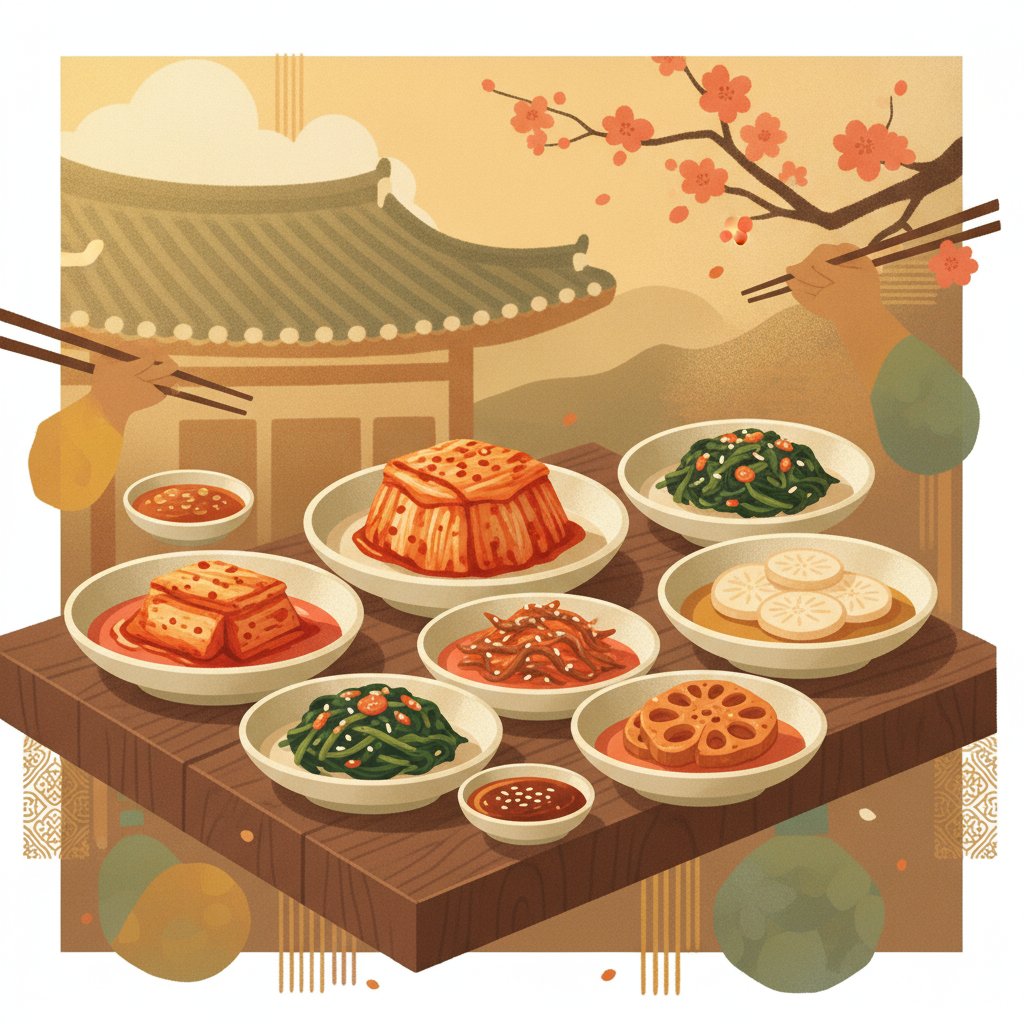
While the variety is endless, here are some of the most common and beloved banchan you’ll likely find on your table:
Kimchi (김치) – The Undisputed King
You simply cannot talk about Korean food without mentioning kimchi. This fermented spicy cabbage is not just a side dish; it’s a national identity. There are hundreds of types, but here are a few staples:
- Baechu-kimchi (배추김치): The most common type, made from napa cabbage. Spicy, tangy, and crunchy.
- Kkakdugi (깍두기): Diced radish kimchi, known for its satisfying crunch.
- Oi-sobagi (오이소박이): Cucumber kimchi, especially refreshing in summer.
Kimchi is a must-try for any visitor, and a meal without it feels incomplete to a Korean.
Namul (나물) – Seasoned Vegetables
Namul refers to various vegetables (or wild greens) that are blanched, sautéed, or fresh, and then seasoned. They’re often simply dressed with sesame oil, garlic, soy sauce, and sometimes a hint of gochugaru (chili flakes). They are a fantastic way to get your greens!
- Sigeumchi-namul (시금치나물): Blanched spinach seasoned with sesame oil and garlic. Mild and earthy.
- Kongnamul (콩나물): Seasoned bean sprouts, often with a slightly spicy kick. Crunchy and refreshing.
- Gosari-namul (고사리나물): Sautéed fernbrake, with a unique chewy texture and deep, earthy flavor.
- Doraji-namul (도라지나물): Seasoned bellflower root, known for its slightly bitter taste and crunchy texture, often stir-fried.
Jorim (조림) – Braised Dishes
Jorim dishes are ingredients braised in a flavorful sauce until the liquid reduces and coats the food.
- Dubu-jorim (두부조림): Braised tofu in a spicy soy sauce mixture. Soft, savory, and absorbs the flavor wonderfully.
- Yeongeun-jorim (연근조림): Braised lotus root, often slightly sweet and crunchy.
Bokkeum (볶음) – Stir-fried Dishes
Bokkeum are stir-fried dishes, usually with a savory or sweet-spicy sauce.
- Myulchi-bokkeum (멸치볶음): Stir-fried anchovies. Often comes in two variations: one savory and slightly sweet with soy sauce, and another spicier version. It’s surprisingly addictive!
- Eomuk-bokkeum (어묵볶음): Stir-fried fish cakes, usually with vegetables and a sweet soy sauce. A favorite among children and adults alike.
- Japchae (잡채): Though sometimes served as a main dish or a larger appetizer, stir-fried glass noodles with vegetables and meat can also appear as a generous banchan.
Other Notable Banchan
- Gyeran-jjim (계란찜): A fluffy, savory steamed egg custard, often served in a hot stone pot. It’s incredibly comforting and mild.
- Hobak-jeon (호박전): Pan-fried zucchini slices dipped in egg batter. Simple, soft, and delightful.
- Kongjaban (콩자반): Sweet and savory braised black beans. A common homemade banchan.
How Banchan is Served and Eaten
When you sit down at a Korean restaurant, your banchan will typically arrive shortly after you order your main dish. Small plates, usually ranging from 3 to 10 or even more, will fill your table. Here’s how to enjoy them like a local:
- Mix and Match: There’s no strict order. Take a spoonful of rice, add a piece of your main dish (say, a piece of BBQ or a scoop of stew), and then pick a banchan that appeals to you. The idea is to create a harmonious bite with various flavors and textures.
- Sharing is Caring: Since banchan are for the whole table, feel free to try a little bit of everything. It’s a great way to sample different flavors without committing to a full portion.
- Don’t Be Shy to Ask for Refills: Most restaurants offer free refills on banchan. If you particularly love a certain side dish, simply make eye contact with your server and point to the dish, or say, “이거 좀 더 주세요 (ige jom deo juseyo),” which means “Please give me more of this.”
Where to Experience the Best Banchan
Honestly, you’ll find banchan almost everywhere Korean food is served! But here are a few types of places where you can truly appreciate the banchan experience:
- Traditional Korean Restaurants (Hansik-jip, 한식집): These places specialize in authentic Korean cuisine and often pride themselves on offering a wide array of high-quality banchan. Look for establishments that emphasize ‘정식 (jeongsik)’, which means a set meal, usually coming with a more generous spread of banchan. You’ll find these types of restaurants in areas popular with locals, not just tourist spots.
- Baekban Restaurants (백반집): Baekban refers to a set meal of rice and a variety of side dishes. These restaurants are specifically dedicated to serving hearty, home-style meals with an abundance of banchan. They are usually more affordable and frequented by locals, making them a great authentic experience. You can often spot them by signs with the character ‘백반’.
- Korean BBQ Restaurants: While the star is the meat, BBQ restaurants are often generous with their banchan, providing refreshing greens, spicy salads, and various kimchi to cut through the richness of the grilled meat.
- Temple Food Restaurants: For a unique and often vegetarian experience, try a temple food restaurant. These places serve cuisine traditionally eaten by Buddhist monks, which emphasizes natural ingredients and a diverse range of plant-based banchan, often prepared with incredible care and artistry. Many are located in serene settings, some even within actual temples.
- Traditional Markets (e.g., Gwangjang Market, Namdaemun Market): While not for dining in the traditional sense, these markets are fantastic places to *buy* pre-made banchan. Many stalls specialize in a dazzling array of fresh banchan, prepared daily. It’s a great way to see the variety and take some home if you have access to a kitchen during your stay.
When visiting any restaurant, remember to check current opening hours and prices, as these can change. General meal prices for a main dish with banchan usually range from 8,000–15,000 won for a casual spot, but can go much higher in upscale traditional restaurants.
Local Etiquette and Tips for Enjoying Banchan
- Don’t Waste Food: While refills are free, it’s considered impolite to waste food. Take modest portions initially and ask for more if you finish. Most restaurants are happy to refill your favorite dishes.
- It’s Not a Starter Course: As mentioned, eat banchan throughout your meal with your rice and main dish, not all at once before your main arrives.
- Chopstick Etiquette: You’ll be given individual chopsticks and a spoon. For communal banchan, it’s generally fine to use your own utensils to pick up food from the shared plates in casual settings. However, if you prefer, or if you’re with a group that practices it, you can ask for separate serving tongs or spoons.
- Ask What It Is: Don’t be afraid to point to a banchan you’re curious about and ask “이거 뭐예요? (ige mwoyeyo?)” meaning “What is this?” Most servers will be happy to explain, even with gestures if there’s a language barrier.
Beyond the Restaurant: Banchan at Home
For us Koreans, banchan isn’t just something we eat out; it’s a daily part of home cooking. Many Korean households will have a refrigerator stocked with several homemade banchan, prepared once or twice a week. It’s a testament to the importance of variety and thoughtful eating in our culture.
If you’re interested in diving deeper, consider taking a Korean cooking class! Many classes in Seoul focus on banchan, teaching you how to prepare a few key dishes that you can then recreate at home, bringing a piece of Korea into your own kitchen.
Embrace the Banchan Experience!
So, the next time you sit down at a Korean restaurant, don’t just focus on your main order. Take a moment to appreciate the colorful spread of banchan before you. Each little plate tells a story of Korean culinary tradition, offering a glimpse into our emphasis on balance, health, and communal dining.
As a Korean, I genuinely believe that truly experiencing our food means embracing banchan. It’s a delicious journey of discovery, bite by delightful bite. Enjoy your banchan exploration!
✈️ Book your trip to Korea — hotels, flights & more
More on Dining Etiquette & Culture
- Korean Dining Etiquette GuideA guide to seating, utensils, communal dining, and showing respect to elders in Korean restaurants.
- GS25 & CU Korean Convenience Store Food GuideA practical guide to popular food picks, payment options, and store facilities at GS25 and CU in Korea.
- Guide to Korean Kimchi Varieties Beyond CabbageAn introduction to popular Korean kimchi types beyond napa cabbage, including their flavor profiles and pairings.
See every Dining Etiquette & Culture post in our K-Food guide.
Handy toolsKorea travel essentials · Korea Guide Finder
Keep Reading
- Korean BBQ for Beginners: A Local’s Guide to Ordering & Grilling Like a Pro
- BBQ Yul (고깃집열): A Local’s Guide to Seoul’s Aged Pork Perfection
- How to Order Food Delivery in Korea as a Foreign Tourist
- How Korean Banchan Works: A Local Look at Side Dishes
🎟️ Popular tours & experiences in Korea
Klook.com