How Korean Banchan Works: A Local Look at Side Dishes
This post contains affiliate links. As an Amazon Associate, we earn from qualifying purchases at no extra cost to you.
At a glance
- In shortA guide to Korean side dishes, including food categories, dining rules, buying tips, and a quick recipe.
- Best forTravelers and food lovers exploring Korean dining culture
- WhereNationwide
- Key pointsBanchan are complimentary, refillable side dishes meant to complement rice. · Categories include kimchi, seasoned greens, stir-fries, and braised dishes. · Local banchan shops sell fresh side dishes for around 3,000 to 5,000 won.
- Heads-upRefills are complimentary at most restaurants, but wasting food is considered disrespectful.
The Heart of the Korean Table
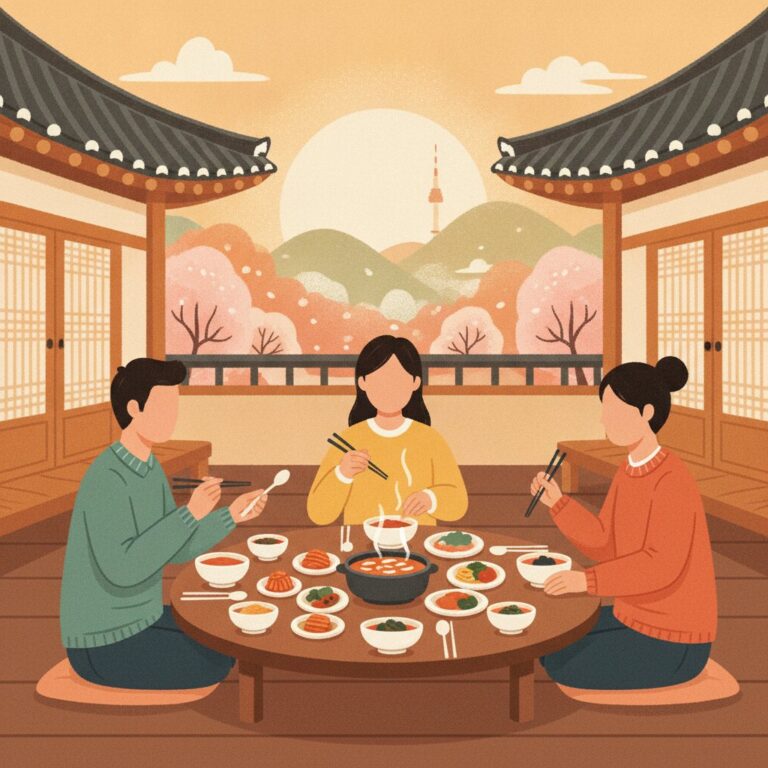
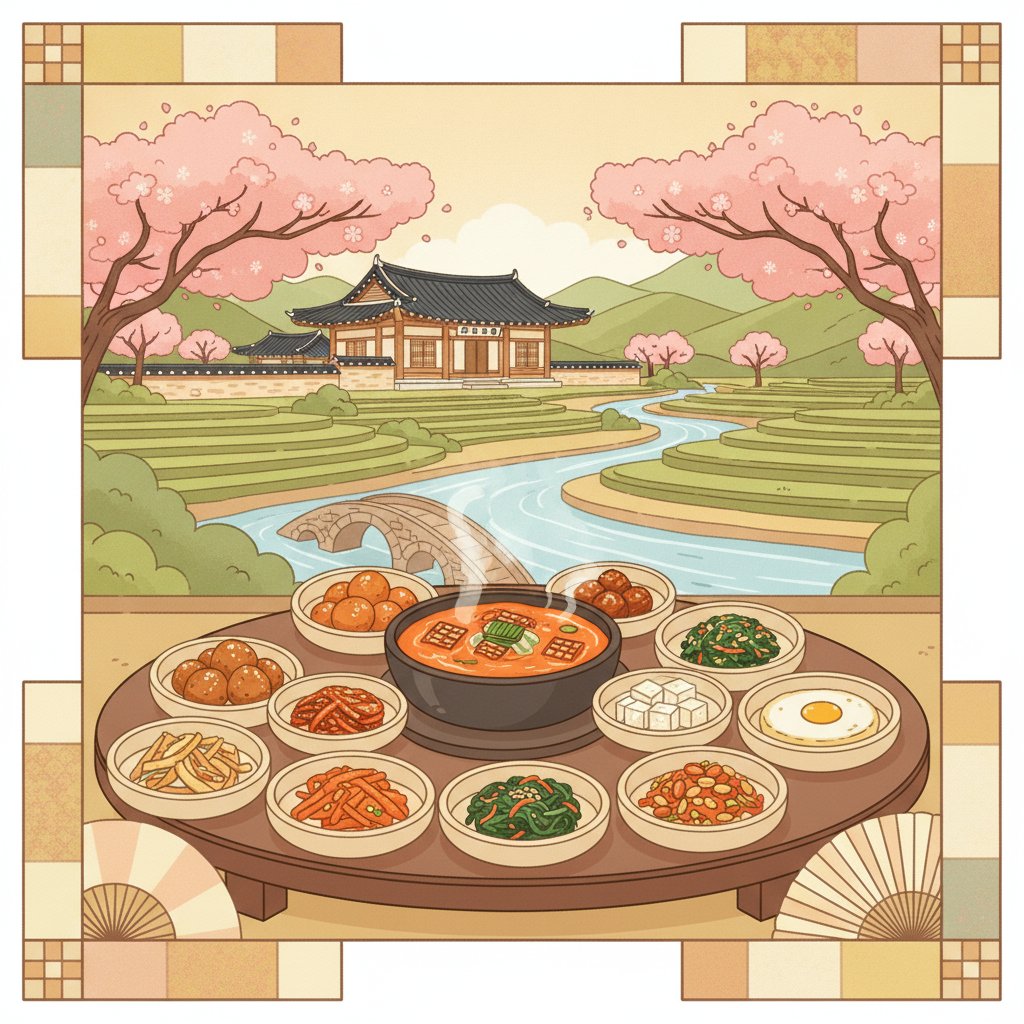
If you walk into a traditional restaurant in Seoul, before your main dish even hits the table, the server will lay down four, six, or sometimes twelve small porcelain plates. I still remember watching my foreign friends look around anxiously during their first trip to Korea, waiting for a second bill for those extra dishes. In Korea, those small plates—known as banchan—are not paid appetizers, nor are they mere garnishes. They are the true foundation of every Korean meal.
As a Korean who grew up eating homemade banchan every single day, I often tell visitors that if you want to understand Korean culinary culture, you have to look at the side dishes. The main dish—whether it is a bubbling kimchi-jjigae (kimchi stew) or sizzling samgyeopsal (pork belly)—is just one part of the symphony. Banchan provides the harmony, contrast, and balance that turns a simple bowl of steamed white rice into a complete, satisfying meal.
✈️ Book your trip to Korea — hotels, flights & more
What Banchan Really Means in Korean Food Culture
To understand banchan, you first have to understand the role of rice in Korea. Traditionally, plain steamed rice (bap) is the center of the meal, and everything else served on the table exists to complement it. In fact, a popular Korean idiom calls delicious banchan a bap-doduk, which translates literally to a “rice thief”—a dish so flavorful that it makes your rice disappear before you even realize it.
Historically, Korea’s harsh winters and mountainous terrain meant that families had to rely heavily on fermentation and preservation techniques to survive the cold months. Vegetables were salted, fermented, or dried during autumn. Over centuries, this necessity evolved into a sophisticated culinary tradition centered around balance. A proper Korean table layout aims to incorporate five fundamental colors—green, red, yellow, white, and black—which represent the elemental balance of nutrition and flavor. When you see a spread of green spinach, red kimchi, yellow egg rolls, white radish, and dark braised black beans, you are seeing centuries of nutritional wisdom on display.
The Essential Categories of Banchan You Should Know
While there are hundreds of different banchan varieties across Korea’s various provinces, most side dishes fall into a few key preparation methods. Knowing these categories will help you navigate a Korean menu or side dish shop with confidence.
1. Kimchi and Jangajji (Fermented and Pickled)
Kimchi is the undisputed king of the Korean table. While cabbage kimchi (baechu-kimchi) is most famous, you will also see diced radish kimchi (kkakdugi), young summer radish kimchi (yeolmu-kimchi), and green onion kimchi. Alongside kimchi sits jangajji—vegetables like garlic scapes, cucumbers, or perilla leaves pickled in soy sauce, vinegar, or fermented chili paste. These provide a sharp, acidic bite that cleanses the palate between rich bites of meat.
2. Namul (Seasoned Vegetables)
Namul refers to fresh, blanched, or wild greens seasoned lightly with sesame oil, garlic, salt, and toasted sesame seeds. Common types include blanched spinach (sigeumchi-namul), seasoned soybean sprouts (kongnamul-muchim), and braised bracken fern (gosari). Namul showcases the natural flavor and texture of the vegetable without heavy sauces.
3. Bokkeum (Stir-Fried Dishes)
Stir-frying is a quick, dry method used to create banchan with a pleasant chew. Popular choices include stir-fried dried anchovies (myeolchi-bokkeum) coated in sweet corn syrup, stir-fried fish cakes (eomuk-bokkeum), and spicy stir-fried squid strips (ojingeo-chae-bokkeum).
4. Jorim (Braised Dishes)
Jorim dishes are simmered slowly in a savory broth, typically seasoned with soy sauce or gochujang (red chili paste), until the liquid reduces and the ingredients absorb deep flavor. Beef braised in soy sauce with quail eggs (jangjorim) and soy-braised potatoes (gamja-jorim) are beloved home-cooked comfort foods.
5. Jeon and Gui (Pan-Fried and Grilled)
Small pan-fried savory pancakes or egg-dipped items frequently appear on banchan plates. Examples include rolled egg omelets (gyeran-mari), pan-fried zucchini rounds (hobak-jeon), and grilled seasoned seaweed sheets (gim).
| Banchan Name | Preparation Type | Common Flavor Profile |
|---|---|---|
| Kongnamul-muchim | Namul (Blanched) | Nutty, light, savory |
| Myeolchi-bokkeum | Bokkeum (Stir-fried) | Sweet, salty, crunchy |
| Jangjorim | Jorim (Braised) | Rich, umami, soy-salty |
| Gyeran-mari | Jeon / Egg-based | Mild, comforting, savory |
🎟️ Popular tours & experiences in Korea
Klook.comBanchan Etiquette at Korean Restaurants
One of the most pleasant surprises for foreign travelers in Korea is that banchan is almost universally free and refillable in traditional restaurants. However, understanding a few unwritten dining rules will make your experience much smoother.
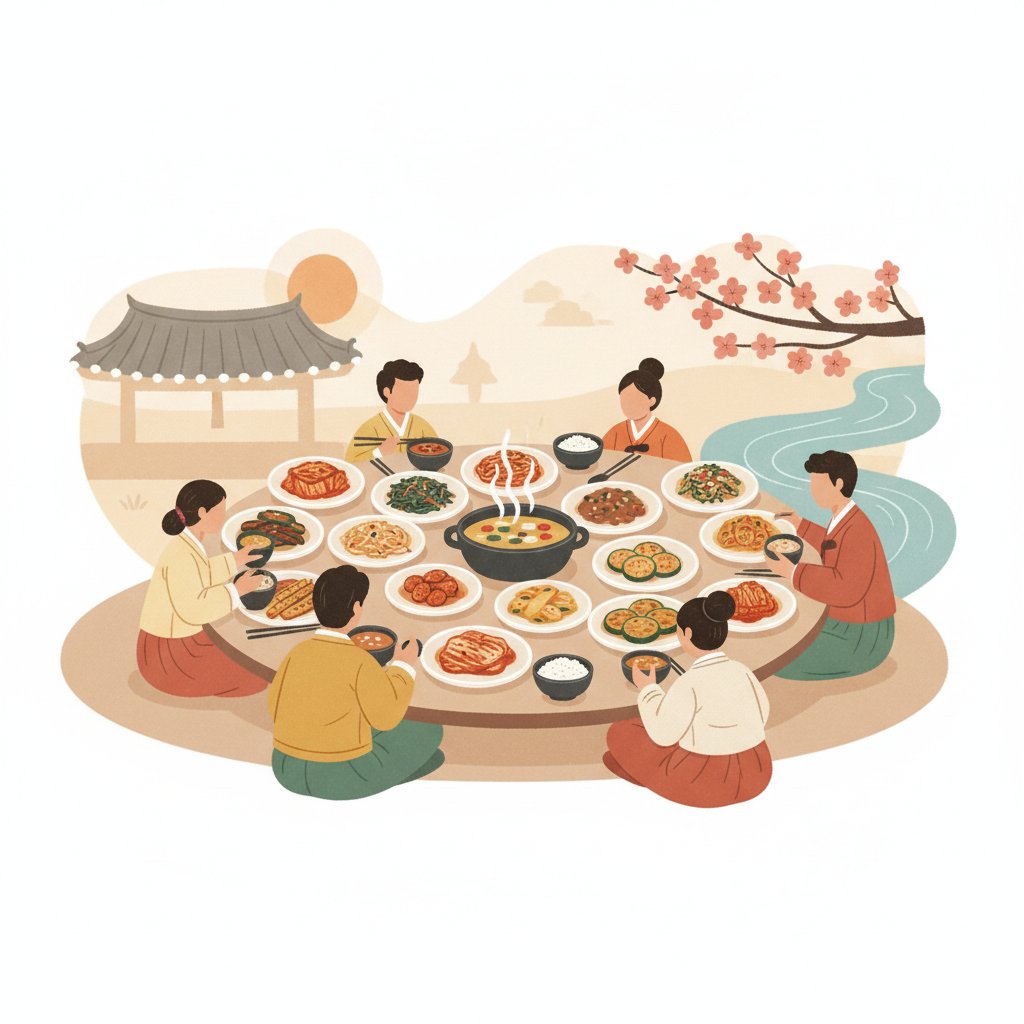
- Sharing is standard: Banchan dishes placed in the center of the table are meant to be shared by everyone in your party. Use your chopsticks to pick up small bites to eat directly or place onto your rice bowl.
- Asking for refills: When an empty dish catches your eye, you can politely ask the server for more by saying, “I-geot deo juiceyo” (“Please give me more of this”). In modern or casual joints, you might spot a sign saying “Self-Service” (셀프), meaning there is a bar where you can grab refills yourself.
- Mindful consumption: Refills are complimentary, but wasting food is considered disrespectful. Order additional portions only if you plan to finish them.
How to Buy and Enjoy Banchan Like a Local
In modern South Korea, busy work schedules mean that many locals no longer prepare dozens of labor-intensive side dishes at home every week. Instead, we rely on dedicated side dish shops called banchan-gage (반찬가게).
Navigating a Local Banchan-Gage
Whether you are staying in an Airbnb in Seoul or living here long-term, visiting a neighborhood side dish shop is a fun local experience. You will find these shops tucked inside traditional markets like Mangwon Market or Gwangjang Market, as well as along residential apartment complex streets.
Inside, fresh banchan is neatly packed into clear plastic containers. Typical prices range between 3,000 to 5,000 won (roughly $2.20 to $3.80 USD) per individual container. Most local neighborhood shops offer bundled deals, such as three small containers for 10,000 won (around $7.50 USD). Prices vary depending on ingredients—seafood and meat-based dishes like jangjorim naturally cost slightly more than simple vegetable namul.
Buying Banchan Online or Overseas
For international fans outside Korea looking to replicate authentic banchan at home, shelf-stable ingredients and ready-to-eat packages have become widely accessible:
- Global Korean Grocers & Amazon: You can easily source pantry essentials like toasted sesame oil, gochugaru (chili flakes), soy sauce, and pre-packaged roasted seaweed (gim) online via Amazon or major Asian grocers.
- Olive Young Global: While primarily known for K-beauty, Olive Young’s global platform frequently carries healthy dried Korean snacks, instant seaweed soups, and meal accessories popular among health-conscious Koreans.
- Local Asian Supermarkets: Stores like H-Mart outside Korea operate extensive fresh banchan counters modeled directly after traditional Korean market stalls.
A Simple Banchan Recipe to Try at Home
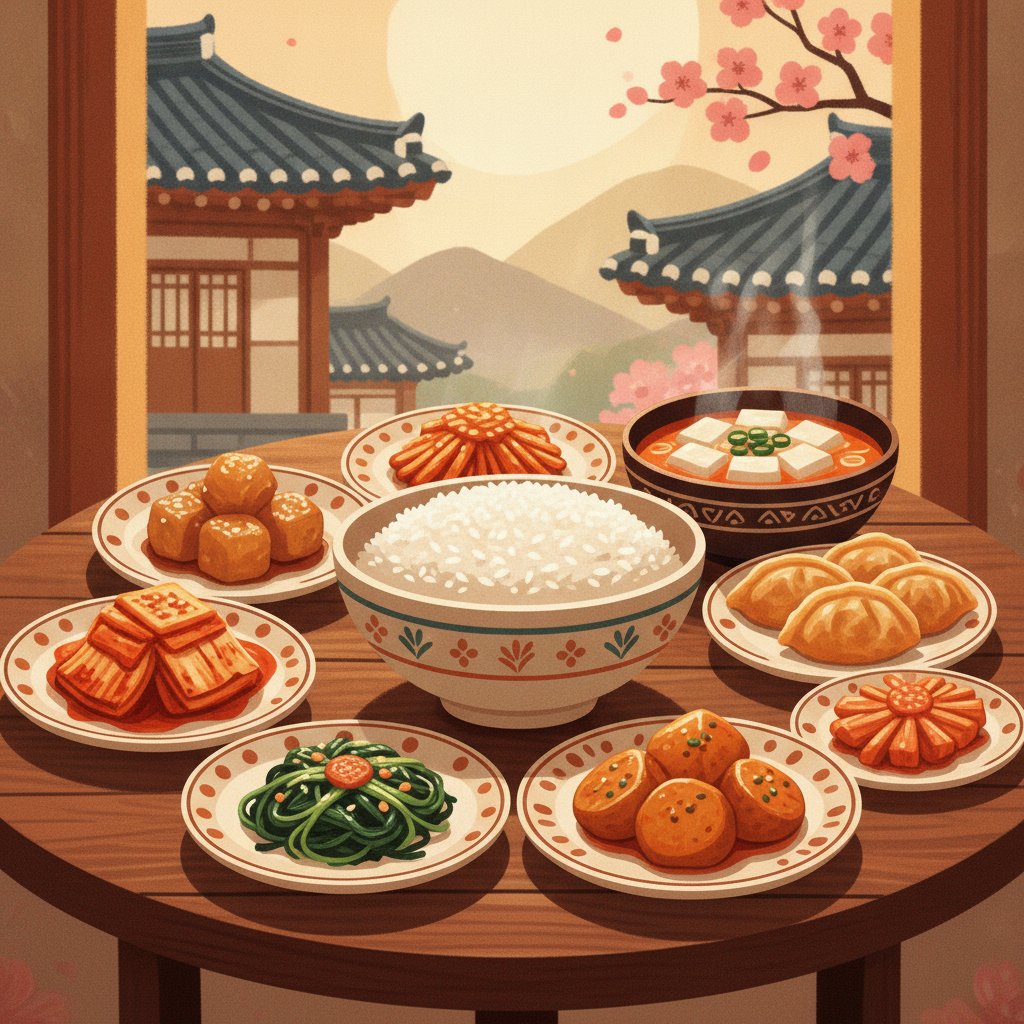
If you want to try making banchan in your own kitchen, start with Sigeumchi-namul (seasoned spinach). It takes less than ten minutes to prepare and introduces you to the core seasoning profile of Korean green side dishes.
Quick Seasoned Spinach (Sigeumchi-Namul)
- Blanch: Drop a fresh bunch of washed spinach into boiling salted water for just 30 seconds until wilted.
- Cool and Squeeze: Immediately rinse the spinach under cold running water to stop the cooking. Gently squeeze out excess water with your hands and chop into bite-sized pieces.
- Season: Toss the spinach with 1 teaspoon of minced garlic, 1 tablespoon of soy sauce (or soup soy sauce), 1 tablespoon of toasted sesame oil, and a generous sprinkle of toasted sesame seeds.
- Serve: Chill in the refrigerator for 15 minutes before serving alongside a bowl of hot rice.
Frequently Asked Questions
Are banchan refills really free in Korean restaurants?
Yes, at traditional sit-down restaurants in South Korea, refills on standard side dishes are complimentary. However, certain high-value premium items that occasionally appear as banchan—such as raw marinated crab or whole grilled fish—may incur an additional fee for extra portions. If in doubt, simply ask the staff.
How long do fresh side dishes last in the refrigerator?
Storage life depends heavily on the preparation style. Highly fermented or pickled items like kimchi and jangajji can last for months. Braised or stir-fried items like anchovies and soy potatoes usually stay fresh for 1 to 2 weeks. Fresh vegetable dishes like namul should be eaten within 3 to 5 days for optimal flavor and food safety.
Is kimchi considered a banchan or a main dish?
Kimchi functions primarily as an essential banchan that accompanies nearly every traditional meal. However, aged kimchi (mung-eun-ji) is also frequently used as a key ingredient to cook hearty main dishes, such as kimchi stew (kimchi-jjigae), kimchi pancake (kimchi-jeon), or kimchi fried rice.
🎟️ Popular tours & experiences in Korea
Klook.comMore on Dining Etiquette & Culture
- Ordering Food Delivery in Korea as a TouristExplains how tourists can order food delivery in Korea despite payment and app verification barriers.
- Guide to Korean Banchan (Side Dishes)An introduction to Korean banchan, explaining what side dishes are, common types, and how to enjoy them.
- Korean Dining Etiquette GuideA guide to seating, utensils, communal dining, and showing respect to elders in Korean restaurants.
See every Dining Etiquette & Culture post in our K-Food guide.
Handy toolsKorea travel essentials · Korea Guide Finder
Keep Reading
- Traditional Korean Tea Houses in Seoul: Where Locals Go
- Beginner Korean Cold Noodles Guide: Types and How to Eat
- Gwangjang Market Food Guide from a Seoul Local
- Korean Dining Etiquette Rules: How to Eat Like a Local
🎟️ Popular tours & experiences in Korea
Klook.com