Unpacking Classic K-Drama Tropes: Why Fans Worldwide Can’t Get Enough
At a glance
- In shortAn overview of iconic K-drama tropes and why they captivate global audiences.
- Best forK-drama fans seeking to understand common storytelling tropes
- WhereNationwide
- Key pointsTropes act as familiar foundations reflecting Korean culture and romantic ideals. · Key tropes include Chaebol romances, enemies-to-lovers, and noble idiocy. · Cultural concepts like in-yeon (destiny) give these narrative patterns depth.
- Heads-upThe blog post cuts off abruptly at the end of the piggyback ride section.
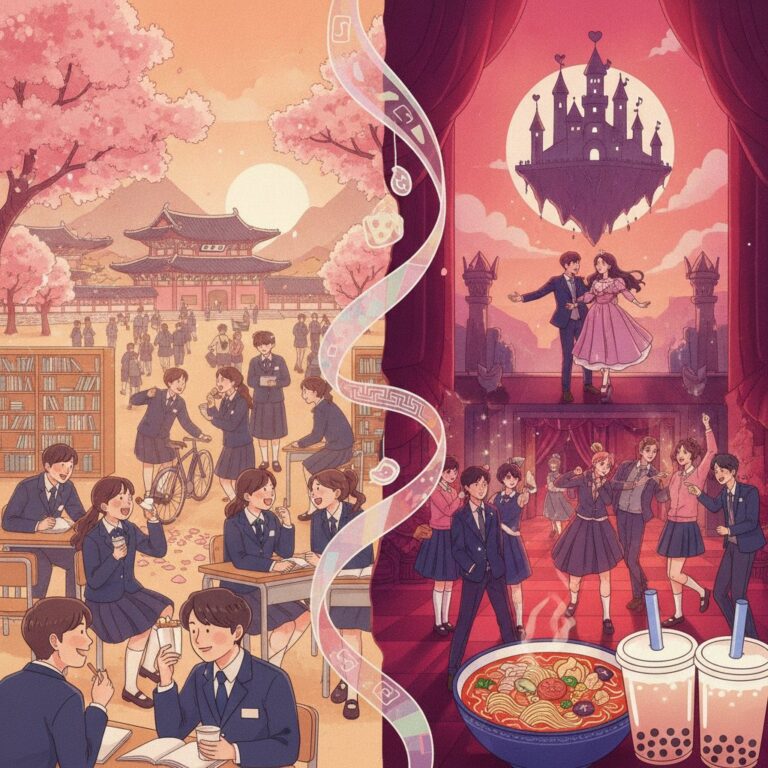
Annyeonghaseyo, K-drama lovers! As a Korean local writing for “Seoul & Beyond,” I’m thrilled to dive deep into a topic near and dear to our hearts: the iconic K-drama tropes that make us swoon, laugh, and occasionally roll our eyes (but in a loving way, of course!). Whether you’re a seasoned K-drama fan or just starting your journey into the captivating world of Hallyu, you’ve undoubtedly encountered these recurring elements that form the very backbone of countless beloved series. From accidental cohabitation to the dramatic piggyback ride, these storytelling devices aren’t just clichés; they’re essential ingredients that give K-dramas their unique flavor and enduring global appeal.
Why do we keep coming back to them? As a Korean, I’ve grown up with these narratives, seeing them not just as plot devices but as reflections of our culture, our romantic ideals, and sometimes, even our societal aspirations. They offer a comforting familiarity, a sense of wish fulfillment, and a unique emotional depth that transcends language barriers. So, grab your favorite snack, maybe some tteokbokki or a cup of coffee, and let’s unpack these kdrama tropes together, exploring why they’ve captured the hearts of millions worldwide.
What Are K-Drama Tropes, Anyway?
Before we jump into specific examples, let’s clarify what we mean by “tropes.” In storytelling, a trope is a common and recurring literary or rhetorical device, motif, or cliché. In K-dramas, these are the narrative patterns, character archetypes, and scene types that appear repeatedly across different series. While some might dismiss them as clichés, tropes in K-dramas often serve a different purpose. They act as familiar foundations upon which new stories are built, allowing creators to play with audience expectations, deliver comforting narratives, and explore variations on beloved themes.
For us Koreans, these tropes are part of our storytelling DNA. They are cultural touchstones that evoke specific feelings and expectations. When done well, they feel less like lazy writing and more like a warm, familiar hug. They allow viewers to quickly grasp character dynamics and plot directions, letting them invest more deeply in the emotional journey rather than getting lost in complex world-building. It’s this blend of the familiar with fresh narratives that keeps K-drama fans coming back for more.
✈️ Book your trip to Korea — hotels, flights & more
The Iconic K-Drama Tropes We All Secretly (or Openly!) Love
The ‘Chaebol’ (Rich Heir) & Candy Girl Romance
Ah, the classic Cinderella story, but with a distinctly Korean twist! This is arguably one of the most enduring and beloved kdrama tropes. The “chaebol” refers to a male lead from a super-rich, powerful family (think conglomerates like Samsung or LG, but fictionalized), often arrogant, cold, and initially dismissive. The “candy girl” is our female lead – bright, optimistic, resilient, often from a humble background, working hard to support her family or simply make ends meet. Their initial encounters are usually full of friction, misunderstandings, and a healthy dose of dramatic power imbalances.
Why do we love it? It’s pure wish fulfillment! Who hasn’t dreamed of being swept off their feet by someone powerful who eventually sees past their own privilege to appreciate genuine kindness and strength? As a Korean, this trope also subtly reflects a societal fascination with wealth and status, while simultaneously challenging it by showing that true love transcends such boundaries. The journey of the chaebol learning humility and the candy girl maintaining her dignity is endlessly compelling. Iconic examples include Boys Over Flowers, Secret Garden, and the globally beloved Crash Landing on You, where Captain Ri Jeong-hyeok, though not a chaebol, represents a powerful, protective figure from a very different world.
The Accidental Cohabitation
Picture this: two people, often strangers or mild acquaintances, suddenly find themselves living under the same roof due to unforeseen circumstances – a mistaken identity, a shared lease, a unique job requirement, or even a literal crash landing! This setup is a goldmine for romantic comedy, forcing two very different individuals to navigate personal space, daily routines, and growing affections.
The beauty of accidental cohabitation lies in its ability to foster intimacy and understanding through proximity. As a Korean, I find this trope particularly charming because it emphasizes the subtle, everyday interactions that build genuine connection, rather than grand gestures. It’s about finding love in the mundane, discovering each other’s quirks, and slowly breaking down barriers. Classic examples include Full House, Coffee Prince, and more recently, My Roommate is a Gumiho. The slow burn of romance under one roof is simply irresistible!
Enemies-to-Lovers / Fated Encounters
There’s nothing quite like the spark that flies when two strong-willed individuals, initially at odds, slowly realize they’re destined to be together. The enemies-to-lovers trope starts with conflict – whether it’s professional rivalry, clashing personalities, or even opposing ideologies. But through shared experiences, mutual respect, and often a sprinkle of destiny, their animosity transforms into undeniable attraction.
This trope appeals to our love for character development and the idea that love can overcome any barrier. For us Koreans, the concept of “in-yeon” (인연), or fated connections, is very significant, and this trope often plays heavily into that idea. It’s not just about two people falling in love; it’s about acknowledging a bond that was always meant to be. Crash Landing on You is a perfect modern example with its North-South Korean divide. Others include the intense dynamic in Vincenzo and the classic military romance in Descendants of the Sun.
The Noble Idiocy / Self-Sacrifice
Prepare your tissues for this one! The noble idiocy trope involves a character making a “noble” sacrifice or pushing away their loved one, believing it’s for the other person’s own good. This often involves pretending not to care, fabricating a breakup, or disappearing entirely, all to protect the other from danger, a difficult truth, or a perceived burden. It’s frustrating, heartbreaking, and undeniably dramatic.
As a Korean, I recognize this trope as deeply rooted in our cultural emphasis on selflessness and prioritizing others’ well-being, even at great personal cost. While it can be infuriating to watch characters make such “idiotic” decisions, it also highlights the depth of their love and their willingness to endure pain for their beloved. Classic melodramas like Winter Sonata and Stairway to Heaven are prime examples, and even fantasy romance like Goblin features elements of this profound self-sacrifice.
The Childhood Connection / First Love Revelation
This trope adds an extra layer of destiny to any romance. Often, the main leads discover late in the drama that they actually knew each other as children, were childhood friends, or had a significant, forgotten encounter that shaped their lives. This revelation solidifies their bond, suggesting that their love was always meant to be, woven into the fabric of their past.
For us Koreans, the idea of “first love” (첫사랑 – cheotsarang) holds a special, nostalgic place, symbolizing purity and an unforgettable memory. When the current love story connects back to a childhood bond, it reinforces the “fated love” aspect and adds a heartwarming sense of completion. Reply 1988 beautifully explores childhood friendships turning into love, and Weightlifting Fairy Kim Bok-joo also uses this trope to great effect, showing how a long-standing friendship transforms into romance.
The Piggyback Ride (and Other Romantic Gestures)
A K-drama classic! When a female lead is tired, injured, or perhaps a little too tipsy from soju, the male lead will invariably offer her a piggyback ride (업어치기 – eop-eo-chigi). This gesture is more than just practical; it’s deeply symbolic of protection, care, and burgeoning intimacy. It’s a moment of physical closeness that feels innocent yet incredibly romantic.
As a Korean, I see this as a sweet, almost old-fashioned display of affection. Public displays of affection (PDAs) used to be more reserved in Korea, so these subtle yet intimate gestures became powerful symbols of growing love. Other common gestures include the “wrist grab” (though this one is increasingly seen as problematic by modern audiences for its coercive undertones), the umbrella share, and the almost-kiss where they gaze into each other’s eyes for what feels like an eternity. These small, often unspoken actions carry immense emotional weight in K-dramas.
The Kimchi Slap / Water Throw
While less common in contemporary K-dramas that lean towards more realistic or subtle drama, the “kimchi slap” or a dramatic water throw remains an iconic, albeit exaggerated, trope, especially in makjang (over-the-top, dramatic) series. When a character reaches their absolute breaking point, particularly an angry mother-in-law or a scorned rival, they might resort to literally slapping someone with a piece of kimchi or throwing a glass of water in their face. It’s shocking, often hilarious in its absurdity, and instantly memorable.
This trope is a masterclass in visual drama, designed to elicit a strong reaction from the audience. As a Korean, these scenes are almost a caricature of extreme anger, but they resonate because they tap into a very real cultural emphasis on strong emotional expression, particularly within family disputes. While you probably won’t see this in every new drama, its legacy lives on in K-drama meme culture!
The Shower Scene (and Abs Reveal)
Let’s be honest, this one is pure fan service, and we’re not complaining! Many K-dramas feature a gratuitous (but always tastefully shot) shower scene, often within the first few episodes, designed to showcase the male lead’s impressive physique. It’s usually framed as a moment of introspection for the character, a chance to ponder their dilemmas while the camera… well, also ponders their muscles.
For the uninitiated, K-beauty standards apply to men too, and physical fitness is highly valued. These scenes are a nod to that, a way to highlight the dedication actors put into their roles and, of course, to provide a little eye candy for the viewers. It’s a moment designed to make you gasp, swoon, and sometimes, just giggle. You’ll find these in everything from romantic comedies to action thrillers.
The Awkward Back Hug / Wrist Grab
The back hug is one of the sweetest, most tender forms of affection in K-dramas. It usually happens when one character is vulnerable, perhaps upset or contemplating leaving, and the other quietly approaches from behind, wrapping their arms around them. It’s a gesture of comfort, reassurance, and silent declaration of “don’t go” or “I’m here for you.” It feels intimate without being overtly sexual, capturing a moment of pure emotional connection.
The wrist grab, on the other hand, is a more forceful trope. The male lead often grabs the female lead’s wrist to prevent her from leaving, pull her into an embrace, or drag her somewhere. While it can be romantic in certain contexts (especially older dramas), it’s increasingly viewed as a problematic display of control. Modern dramas are thankfully shifting away from this, or at least framing it more carefully. As a Korean, I appreciate the growing awareness among creators to portray healthier, consensual interactions. However, both gestures remain iconic for their dramatic impact and ability to convey strong emotions quickly.
The Drunken Confession / Soju Talk
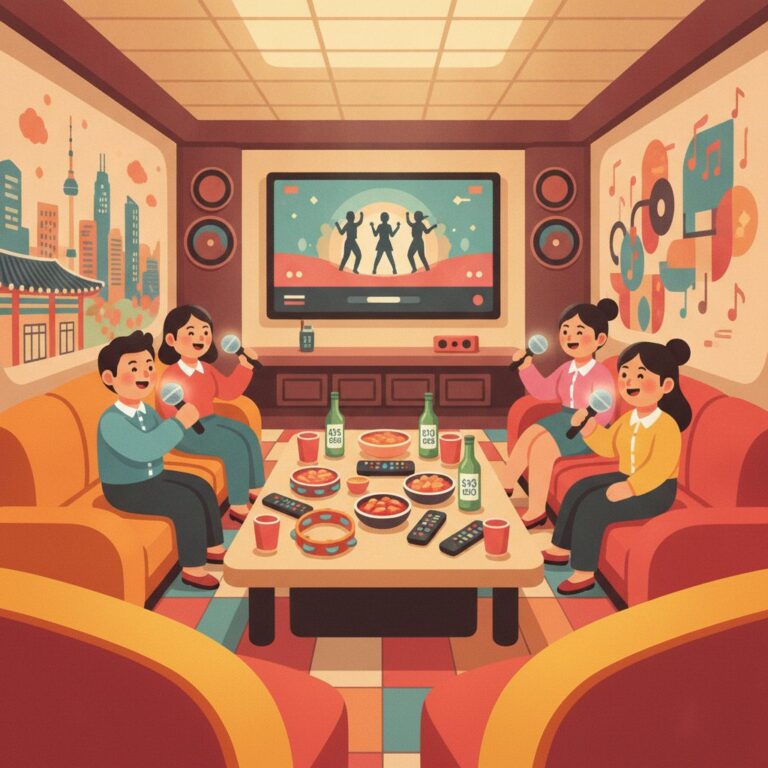
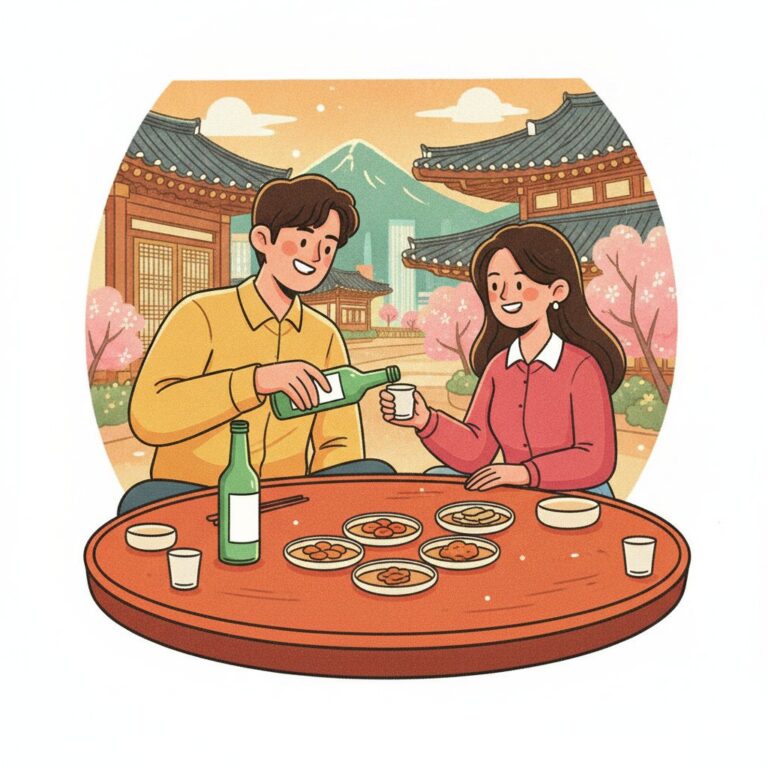
Soju, Korea’s ubiquitous distilled spirit, plays a significant role in K-drama romance. After a few bottles, inhibitions loosen, and characters often find the courage to confess their true feelings, reveal secrets, or engage in hilariously honest (or heartbreakingly sad) conversations they’d never have sober. The “drunken piggyback” often follows!
This trope is incredibly relatable because, as a Korean, I know that social drinking is a huge part of our culture, especially for bonding and expressing emotions that might be otherwise suppressed. It allows for raw, unfiltered moments of vulnerability and humor. Whether it’s a sloppy, adorable confession or a tearful outpouring, these soju-fueled scenes are crucial for character development and plot progression. You’ll find these heartwarming and often hilarious moments in almost every K-drama.
Why Do These Tropes Resonate So Deeply?
It’s not just about the individual tropes; it’s about how they collectively contribute to the unique K-drama viewing experience. So, why do we, and millions around the world, keep falling for them?
Comfort in Familiarity
There’s a deep comfort in knowing what to expect. While the specific plotlines and characters change, the underlying narrative structures and emotional beats provided by these tropes create a sense of familiarity. It’s like visiting a beloved friend – you know their quirks, and you appreciate them even more for it. This familiarity allows viewers to relax and immerse themselves fully in the emotional journey, rather than constantly trying to understand new rules or conventions. As a Korean, this feeling of ‘home’ in our stories is very strong.
Wish Fulfillment & Escapism
Let’s face it: life can be tough. K-dramas, with their often idealized romances, dramatic plot twists, and satisfying resolutions, offer a wonderful escape. The “chaebol falls for candy girl” trope, for example, is the ultimate Cinderella story. These narratives allow us to dream of perfect love, overcoming adversity, and finding our own happy endings. They provide a fantasy world where good triumphs, and true love conquers all, offering a much-needed dose of optimism.
Cultural Nuances & Emotional Depth
While many tropes might seem universal, K-dramas infuse them with distinct Korean cultural nuances. The emphasis on filial piety, respect for elders, the importance of community, and a unique approach to expressing emotions often gives these tropes a deeper meaning. K-dramas are renowned for their emotional depth, often prioritizing lingering gazes, subtle touches, and heartfelt dialogues over explicit scenes. This approach allows for a rich exploration of feelings, making the romance feel more profound and earned. As a Korean, I believe this focus on emotional authenticity is a key reason for their global appeal.
High Production Value & Stellar Acting
Finally, the tropes wouldn’t land as effectively without the incredible talent behind them. Korean dramas are known for their high production values – stunning cinematography, gorgeous sets, beautiful fashion, and unforgettable OSTs. Paired with the exceptional acting skills of Korean actors, who can convey a spectrum of emotions with just a glance, these familiar tropes are elevated from simple clichés to powerful, moving storytelling devices. It’s the perfect blend of formula and artistry.
🎟️ Popular tours & experiences in Korea
Klook.comHow to Dive Deeper into the World of K-Dramas (Practical Guide)
So, you’re hooked on K-drama tropes and want to explore more? Here’s how you can fully immerse yourself in the Hallyu wave!
Streaming Platforms
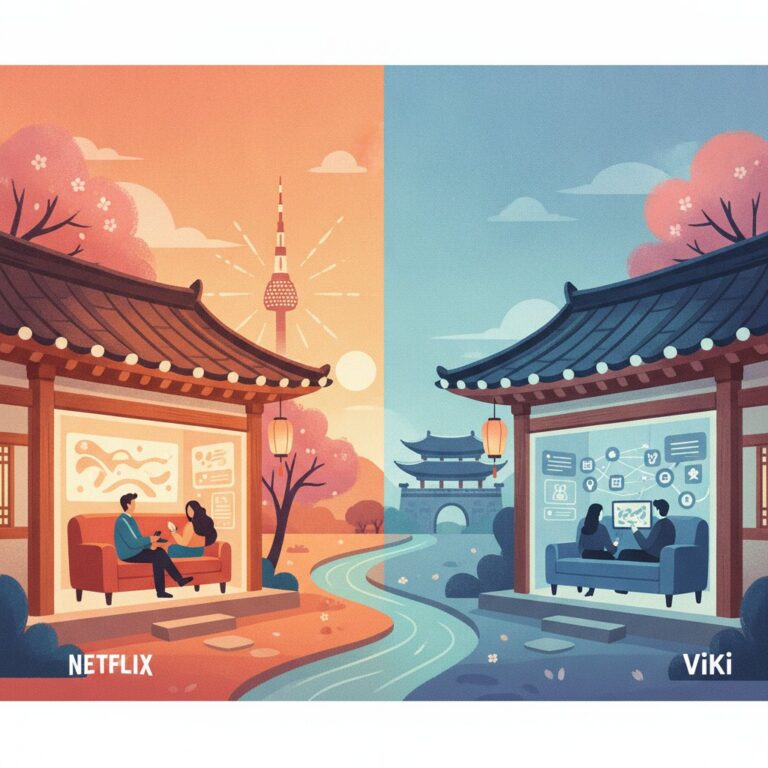
- Netflix: The global giant has invested heavily in K-dramas, making it incredibly accessible for international fans. You’ll find a vast library of popular shows, often with same-day releases for ongoing series. Simply sign up for a subscription, search for “K-dramas,” and start watching! Look out for Netflix Originals like Crash Landing on You, Vincenzo, and Extraordinary Attorney Woo.
- Viki: A paradise for K-drama enthusiasts! Viki specializes in Asian content and offers a massive selection, often with incredibly fast subtitles provided by a passionate fan community. It also features “Learn Mode” for those interested in picking up some Korean, and exclusive content. Viki offers a free tier with ads, or a Viki Pass subscription for an ad-free experience and access to Viki Pass Exclusive and Viki Pass Plus shows. Just download the app or visit their website, sign up, and enjoy! You can find older classics and newer releases there, like Full House or My Roommate is a Gumiho.
- Amazon Prime Video: While its K-drama selection might not be as extensive as Netflix or Viki, Amazon Prime Video does occasionally offer some gems, often included with your Prime subscription. Search for specific titles or browse their Asian drama section.
- YouTube: Many official broadcasting channels (like tvN, KBS, MBC, SBS) upload highlights, behind-the-scenes footage, and sometimes even full episodes of older dramas with English subtitles. It’s a great way to discover new shows or rewatch favorite scenes for free.
OSTs (Original Soundtracks)
K-drama OSTs are an integral part of the experience, often becoming as popular as the dramas themselves! They amplify emotions and create lasting memories. You can:
- Stream: Find almost all K-drama OSTs on major music streaming platforms like Spotify, Apple Music, and YouTube Music. Search for the drama title followed by “OST.”
- Buy Physical Albums: For collectors, physical OST albums are beautifully packaged, often including photo cards, lyric books, and instrumental versions. You can purchase them from international K-pop/K-drama merchandise retailers like Ktown4u or YesAsia. K-drama OST albums usually run 20,000–35,000 won / roughly $15–27, though prices vary by seller, special editions, and time. Always check multiple sites for the best deals!
Merchandise & Fashion
Want to own a piece of your favorite drama? From official merchandise to K-beauty products seen on screen, here’s where to look:
- Official Merchandise: For general K-drama or K-pop related merchandise (e.g., specific artist collaborations, some drama-related items), YesAsia is a reliable source. For K-pop artists whose members might be starring in dramas, you might find some crossover merchandise on official fan platforms like Weverse Shop (though this is more for K-pop group merch directly).
- K-Beauty Products: Many K-dramas feature characters using popular Korean skincare and makeup. If you spot a product you like, you can often find it on Olive Young Global, Korea’s largest health and beauty retailer, which ships internationally.
- K-Fashion: Replicating K-drama fashion can be tricky as specific items might be designer or limited edition. However, online fashion retailers often carry similar styles. Explore Korean online fashion stores (many ship internationally) or look for “Korean fashion” on larger e-commerce sites like Amazon.
Travel Inspired by K-Dramas
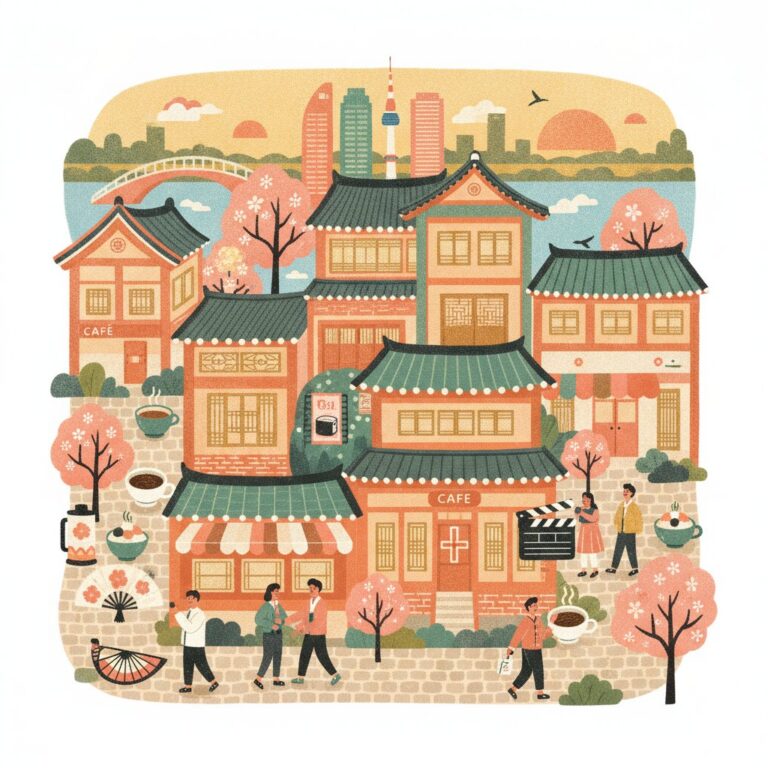
Many fans dream of visiting the iconic filming locations! Websites like Klook offer tours and activities, including K-drama-themed tours that take you to famous spots. When planning a trip to Korea, research the locations from your favorite dramas and try to incorporate them into your itinerary. From Namsan Tower to Jeju Island, the beautiful backdrops of K-dramas are waiting for you!
My Take as a Korean Local
As a Korean, it’s truly fascinating to see how these tropes, which are so ingrained in our local storytelling, have transcended borders and captured hearts globally. When I watch K-dramas with my international friends, I often find myself explaining the cultural nuances behind a character’s actions or a particular dramatic moment. For instance, the emphasis on family approval in relationships or the concept of filial piety (효 – hyo) often underpins many “noble idiocy” or sacrifice tropes.
While some critics might argue that tropes are overused, I believe their power lies in their ability to reflect and reinforce certain societal values and romantic ideals that resonate with many Koreans. They are a familiar language through which we explore universal themes of love, loss, ambition, and belonging. It’s also interesting to see how these tropes are evolving. Newer dramas are increasingly deconstructing or subverting them, offering fresh perspectives while still paying homage to the classics. For example, while the “chaebol” trope persists, modern candy girls are often more independent and career-focused, pushing back against traditional gender roles.
Ultimately, these kdrama tropes are a part of our shared cultural experience. They create a common ground for fans worldwide to connect, discuss, and passionately debate. They are an integral part of what makes K-dramas so uniquely captivating and cherished.
Conclusion
From the heart-fluttering accidental cohabitation to the dramatic reveal of a childhood connection, K-drama tropes are far more than just repetitive plot devices. They are the beloved building blocks that create compelling narratives, evoke strong emotions, and offer a comforting sense of familiarity that keeps fans coming back for more. As a Korean, I truly believe these tropes, infused with our unique cultural flavors, are a key reason why K-dramas have become a global phenomenon, bridging cultures and creating a community of passionate viewers.
So, the next time you find yourself groaning (or secretly cheering!) at a dramatic wrist grab or a heartfelt confession over soju, remember that you’re experiencing a cherished part of Korean storytelling. Embrace the tropes, enjoy the ride, and keep exploring the wonderful world of K-dramas. Happy watching, and don’t forget to share your favorite tropes with us!
More on K-Drama Tropes & Industry
- Why K-Drama OSTs Matter & How to Enjoy ThemExplains why original soundtracks matter in K-dramas and how fans can stream or collect them.
- Webtoon K-Drama Adaptations GuideA guide to why webtoons suit K-dramas, platforms to read them, and where to watch adaptations.
- Korean Variety Shows for K-Drama FansA guide recommending top Korean variety shows that K-drama enthusiasts will love for their unscripted fun.
See every K-Drama Tropes & Industry post in our K-DRAMA guide.
Handy toolsKorea travel essentials · Korea Guide Finder
🎟️ Popular tours & experiences in Korea
Klook.comKeep Reading
- K-Drama Streaming Homes: Netflix vs. Viki
- Korean Words K-Drama Fans Learn First
- Kdrama Release Dates, Seasons, Episodes, Streaming
- Step into Your Favorite K-Drama: Must-Visit Filming Locations Across Korea
🎟️ Popular tours & experiences in Korea
Klook.com