Traditional Korean Tea Houses in Seoul: Where Locals Go
This post contains affiliate links. As an Amazon Associate, we earn from qualifying purchases at no extra cost to you.
At a glance
- In shortA guide to traditional Korean tea houses in Seoul, covering tea types, neighborhoods, snacks, and etiquette.
- Best forTravelers seeking traditional Korean tea houses in Seoul
- WhereSeoul
- Key pointsKorean tea (cha) encompasses green teas, medicinal roots, fruits, and grains. · Insadong, Bukchon/Samcheong-dong, and Seongbuk-dong feature historic tea spots. · Standard single drinks range from 7,000 to 12,000 won (about $5 to $9 USD).
- Heads-upMost establishments require each guest at a table to order at least one beverage.
Stepping Out of the City Noise into a Hanok
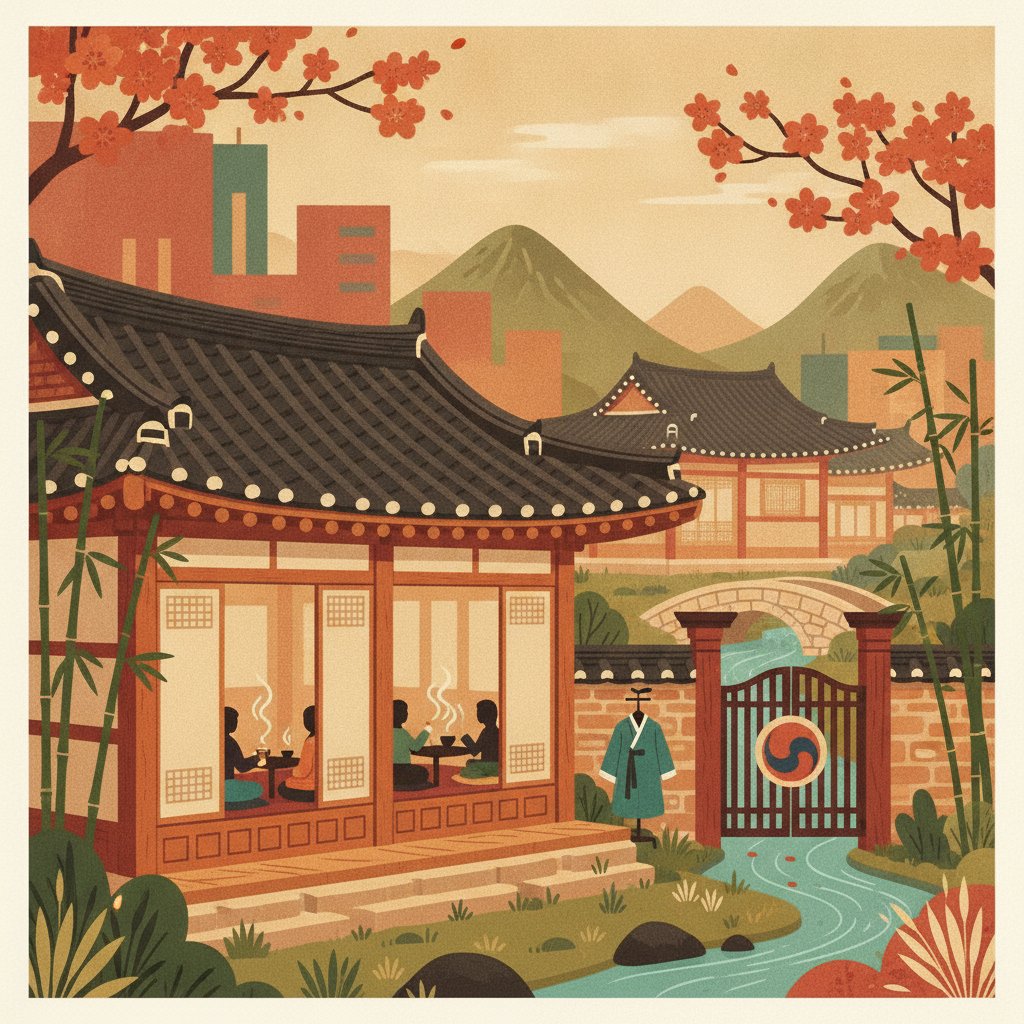
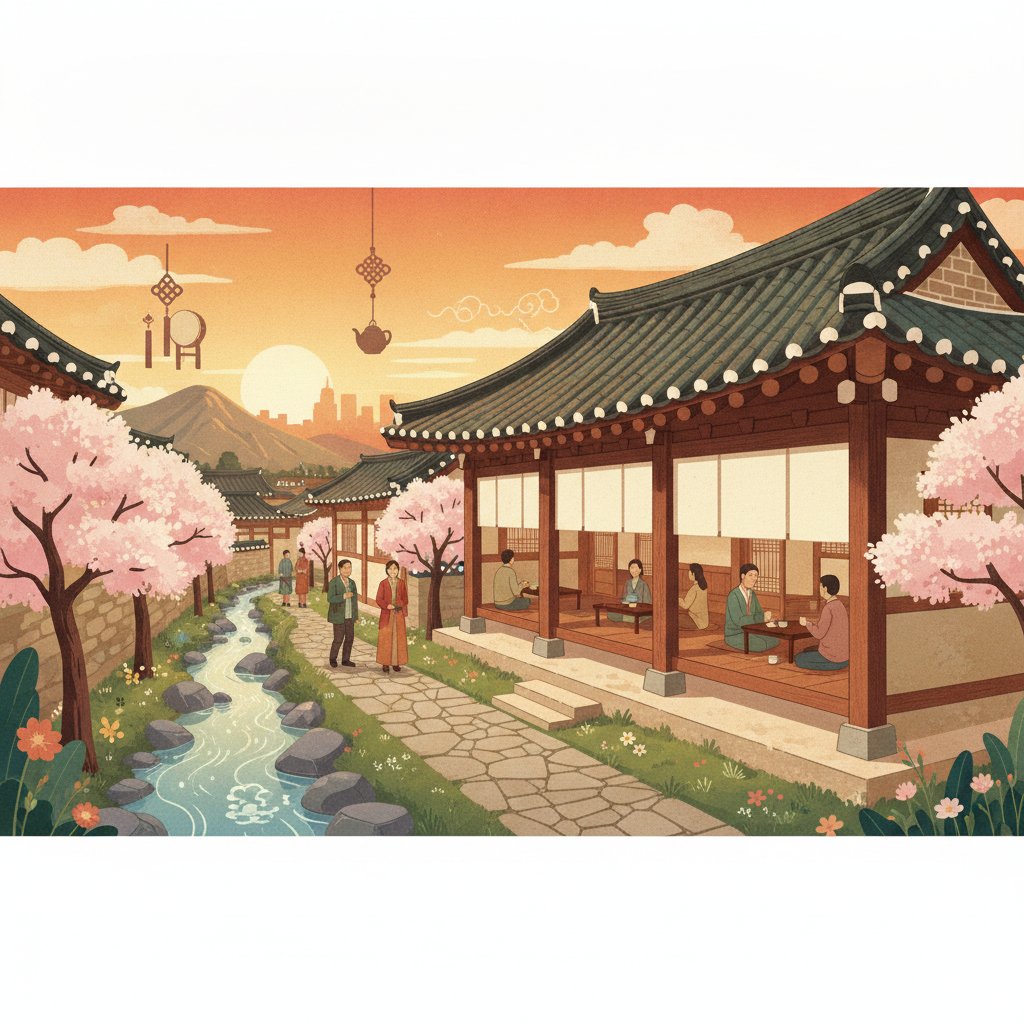
Stepping off the roaring pavement of Jongno into a wooden hanok tea house feels like taking off heavy winter boots after a long, exhausting walk. As a Korean who grew up in Seoul, I often watch visitors rush through Insadong taking quick photos in front of ornate wooden gates without stepping inside for a proper cup of tea. That is a missed opportunity. While Seoul is world-famous for its high-energy modern coffee culture where iced Americanos flow continuously year-round, our traditional tea culture offers a completely different rhythm of life.
Finding an authentic traditional korean tea house seoul locals actually visit requires looking beyond the main tourist thoroughfares. In this city, traditional tea houses (known locally as dajip or chajip) are not just places to grab a drink. They are tranquil spaces designed for slow conversation, seasonal health remedies, and an appreciation for traditional Korean architecture. Whether you are looking to rest your feet after exploring palaces or want to taste deep herbal brews that have been made for centuries, spending an afternoon in a traditional tea house is one of the most rewarding cultural experiences you can have in Seoul.
✈️ Book your trip to Korea — hotels, flights & more
Understanding Korean Traditional Tea: Beyond the Tea Leaf
Before stepping into a tea house, it helps to know that the Korean word for tea, cha (차), covers a much broader spectrum than it does in Western culture. In English, tea typically refers to drinks made from the leaves of the Camellia sinensis plant. In Korea, traditional tea encompasses infusions made from medicinal herbs, roots, preserved fruits, flowers, and toasted grains.
Green Teas (Nokcha)
Korea does produce exceptional true teas, primarily green tea (nokcha) grown in regions like Jirisan (Hwagae), Boseong, and Jeju Island. These green teas are categorized by harvest timing, ranging from delicate early-spring harvests like Ujeon to fuller-bodied late harvests. When served in a traditional tea house, green tea is usually brought to your table with a full set of teaware, allowing you to steep the leaves multiple times yourself.
🎟️ Popular tours & experiences in Korea
Klook.comHerbal and Medicinal Teas (Yak-cha)
Herbal teas have long been integrated into daily wellness routines in Korea. The most famous among these is Ssanghwa-cha, a dark, fragrant brew made by boiling medicinal roots such as milkvetch, angelica, and liquorice alongside cinnamon and ginger. It has a bittersweet, earthy flavor and is traditionally served topped with pine nuts or jujube slices. Locals frequently drink it in late autumn and winter to stave off colds or recover from fatigue. Another heavy, soothing option is Daechu-cha, a thick tea made from simmered dried jujubes (red dates) that carries a natural, deep sweetness without added refined sugar.
Fruit Infusions (Gwa실-cha)
Fruit teas are brewed from sliced fruits preserved in sugar or honey (known as cheong). The most famous is Omija-cha, made from dried magnolia berries. The name literally means “five-flavor berry” because it touches upon sweet, sour, salty, bitter, and pungent notes all at once. Served chilled during hot summer days or warm during the winter, it is instantly refreshing. Other popular fruit options include Yuja-cha (citron tea) and Mogwa-cha (quince tea), both prized for their rich aromatic qualities and high vitamin content.
Top Neighborhoods for Traditional Tea Houses in Seoul
While you can find individual tea houses scattered across the metropolis, three distinct neighborhoods in Seoul offer the highest concentration of exceptional, historic tea spots.
Insadong: The Historic Heart
Insadong has been the center of Seoul’s arts and crafts scene for decades. Although the main pedestrian street features modern souvenir shops, the surrounding narrow alleys (golmok) harbor hidden courtyards that feel isolated from the modern metropolis. Tea houses in Insadong tend to feature lush indoor gardens, antique Korean furniture, and stone paths. Keep an eye out for signs tucked down side alleys off the main strip; the best locations are rarely visible directly from the primary street.
Bukchon Hanok Village and Samcheong-dong
Perched between Gyeongbokgung and Changdeokgung palaces, Bukchon is famous for its dense concentration of preserved residential hanoks. The tea houses here take full advantage of their elevated location, offering floor-to-ceiling wooden windows that look out across wooden tile roofs and modern glass skyscrapers in the distance. The atmosphere in Samcheong-dong is slightly more serene than Insadong, making it an ideal location for couples or solitary travelers seeking a quiet place to read or write.
Seongbuk-dong: A Quiet Cultural Escape
Located near the northern base of Bugaksan mountain, Seongbuk-dong is a residential neighborhood beloved by artists, writers, and scholars. It takes a short bus or taxi ride from central Seoul to get here, but the reward is access to spacious, historical properties converted into tea houses. The tea spots in Seongbuk-dong are surrounded by mountain air and mature gardens, offering an experience that feels remarkably distant from urban life despite being well within city limits.
Essential Teas and Snacks to Order
Ordering at a traditional tea house is straightforward, but knowing how to pair drinks with traditional sweets (dahwa) elevates the entire visit.
Recommended Teas to Try
- Ssanghwa-cha: Best for cold days or when feeling tired. Deep, herbal, and warming.
- Omija-cha: Excellent choice for first-timers or warm weather. Tart, sweet, and vibrant red.
- Daechu-cha: A velvety, naturally sweet jujube tea that acts almost like a warm dessert soup.
- Hyeonmi-녹cha: Brown rice blended with green tea leaves, offering a comforting, nutty aroma.
- Maehwa-cha: A light, delicate floral tea brewed from plum blossoms.
Traditional Korean Tea Sweets
Tea in Korea is rarely served completely alone. Most places include a tiny bite—such as a piece of puffed rice or a dried fruit—with every drink order. However, ordering a platter of traditional snacks is highly recommended.
- Yakgwa: A dense, flower-shaped pastry made from flour, sesame oil, and honey, spiced lightly with ginger.
- Jeongwa: Slices of root vegetables (like lotus root or ginseng) or fruits slowly simmered in honey until translucent and chewy.
- Injeolmi: Soft, chewy rice cakes coated generously in toasted soybean powder.
- Gangjeong: Crispy rice puffs bound together with grain syrup and seeds.
🎟️ Popular tours & experiences in Korea
Klook.comPractical Tips: Costs, Etiquette, and Navigation
To make the most of your visit to a traditional korean tea house seoul locals love, keep these practical guidelines in mind.
Typical Price Ranges
Prices at traditional tea houses reflect the slow brewing methods, quality raw ingredients, and historical space you are occupying. As a rough guide, single hot or cold teas generally range from 7,000 to 12,000 won (approximately $5 to $9 USD). Elaborate herbal decoctions like Ssanghwa-cha brewed in heavy stone pots or rare green teas may cost 12,000 to 16,000 won ($9 to $12 USD). Dessert platters usually run between 6,000 and 15,000 won ($5 to $11 USD), depending on size. Note that these prices vary by location, and most high-end establishments require each guest at a table to order at least one beverage.
Basic Tea House Etiquette
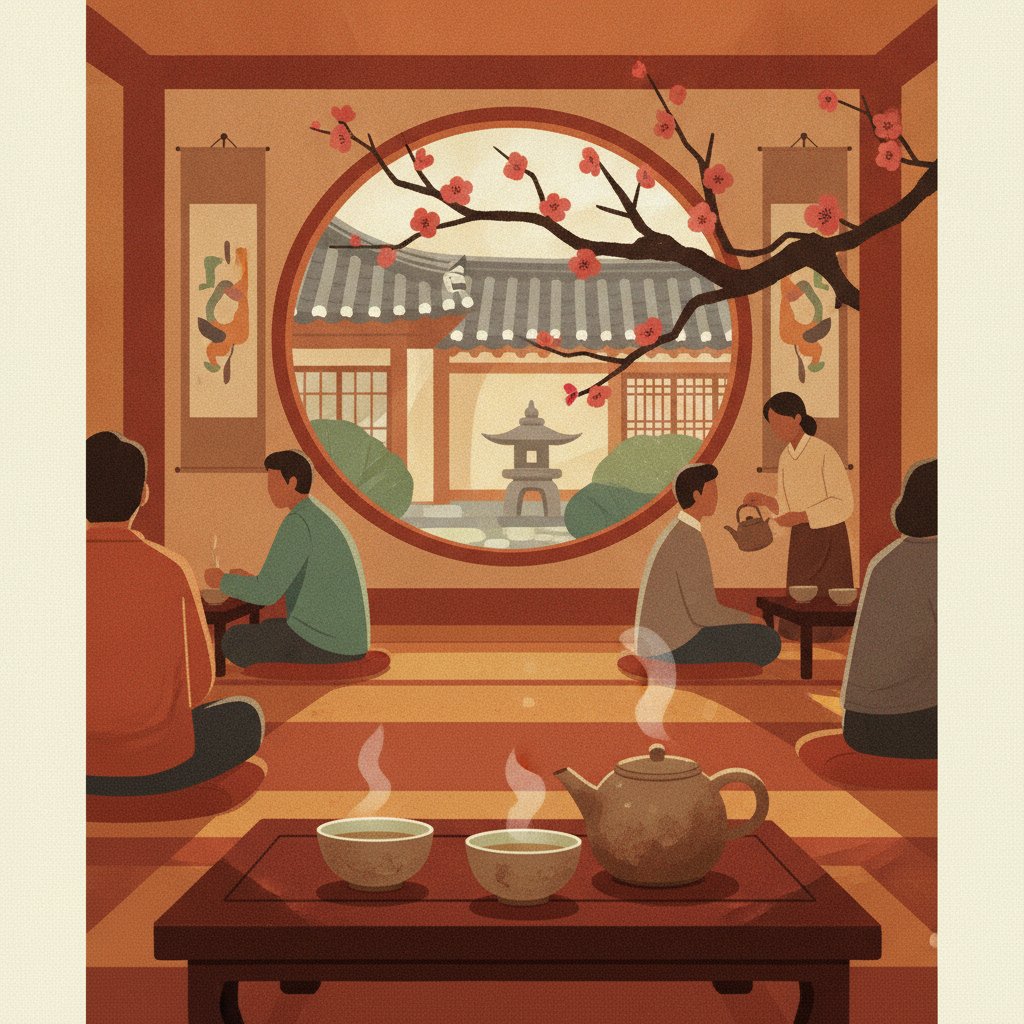
Many traditional tea houses feature two types of seating: standard tables with chairs, and elevated wooden floors with low tables where guests sit on floor cushions (bangseok). If you choose floor seating on an ondol (heated floor), you must remove your shoes at the step before walking onto the wood or matting. Wear clean, easily removable shoes when visiting traditional areas. Additionally, tea houses are places of relaxation; keep your speaking volume moderate, especially in smaller hanok rooms where sound echoes off paper walls (hanji).
Finding and Booking Spots
While standard search applications like Google Maps can show major points of interest, they often lack updated hours or detailed street paths in Korea’s historic alleys. For navigating Seoul, download Naver Map or KakaoMap. You can copy-paste Korean search terms like “traditional tea house” (전통찻집) directly into these apps for precise walking directions. For specialized cultural events, tea tasting workshops, or formal tea ceremony classes, you can check travel platforms like Klook or local cultural foundation websites to book spots in advance.
Neighborhood Quick Comparison
| Neighborhood | Vibe | Best For |
|---|---|---|
| Insadong | Classic & Historic | First-time visitors and art shoppers |
| Samcheong-dong | Scenic & Architectural | Hanok roof views and photos |
| Seongbuk-dong | Quiet & Restorative | Peaceful mountain atmosphere |
FAQ
Do traditional tea houses in Seoul require advance reservations?
Most traditional tea houses operate as walk-in cafes where you simply arrive, wait briefly if it is busy, and take an open table. However, if you want to participate in a formal, guided Korean tea ceremony class or visit exceptionally small, popular literary hanoks on weekends, booking ahead through local cultural sites or travel platforms like Klook is advisable.
What is the best traditional Korean tea for beginners?
If you prefer sweet and fruity flavors, Omija-cha (five-flavor berry tea) or Yuja-cha (citron tea) are very accessible choices. If you want something warm, nutty, and comforting without strong medicinal notes, try Hyeonmi-cha (brown rice tea) or Eulmi-cha paired with rice cakes.
Are traditional tea houses welcoming to non-Korean speakers?
Yes, traditional tea houses in Seoul are accustomed to hosting international guests. Most menus in major cultural areas like Insadong and Samcheong-dong feature clear English translations, photos, or descriptions of the herbs and health benefits of each drink. Ordering is simple and straightforward.
More on Cafes, Desserts & Tea
- Pyunkang Yul Flagship & Tea House GuideA guide to exploring the three-story Pyunkang Yul Flagship & Tea house in Bukchon.
- Korean Bingsu and Dessert Cafe GuideAn overview of Korean shaved ice bingsu, popular cafe desserts, beverages, and typical prices.
- ab Cafe At Bali in GangnamA guide to ab Cafe At Bali, a resort-themed cafe in Gangnam featuring a Wacom Lounge and 24-hour access.
See every Cafes, Desserts & Tea post in our K-Food guide.
Handy toolsKorea travel essentials · Korea Guide Finder
Keep Reading
- Beginner Korean Cold Noodles Guide: Types and How to Eat
- Gwangjang Market Food Guide from a Seoul Local
- Korean Dining Etiquette Rules: How to Eat Like a Local
- Essential Korean Bakery Items to Try in Seoul
🎟️ Popular tours & experiences in Korea
Klook.com