Visiting Tongin Market Dosirak Cafe: A Local’s Tips
This post contains affiliate links. As an Amazon Associate, we earn from qualifying purchases at no extra cost to you.
The Charm of Building Your Own Korean Lunchbox
I still remember taking my foreign exchange friends to Tongin Market on a brisk autumn afternoon. While most travelers flock to Gwangjang Market for massive crowds and giant mung bean pancakes, Tongin Market offers a charming, hands-on experience tucked away in Seochon, just west of Gyeongbokgung Palace. The highlight here is building your own custom lunchbox, known in Korea as a dosirak, using traditional brass coins called yeopjeon.
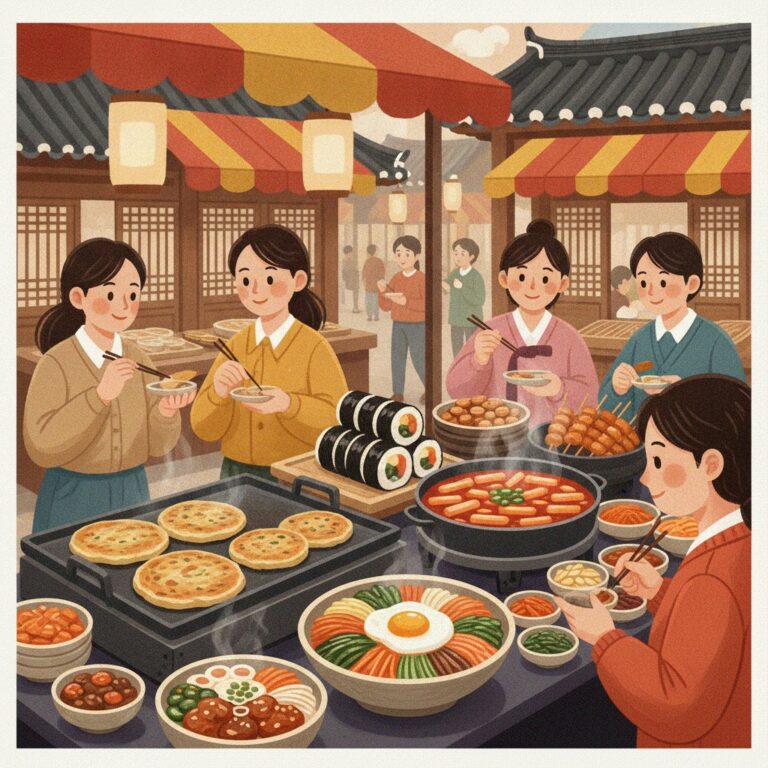
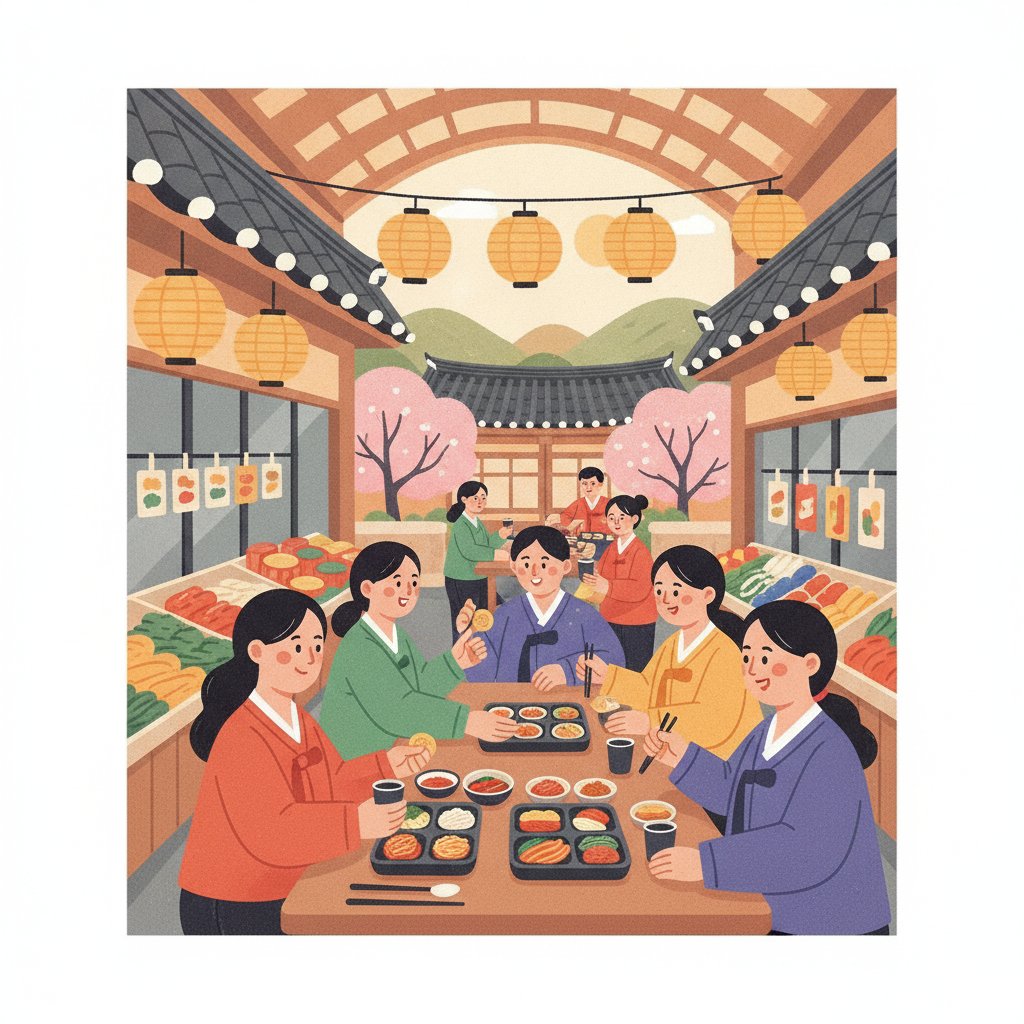
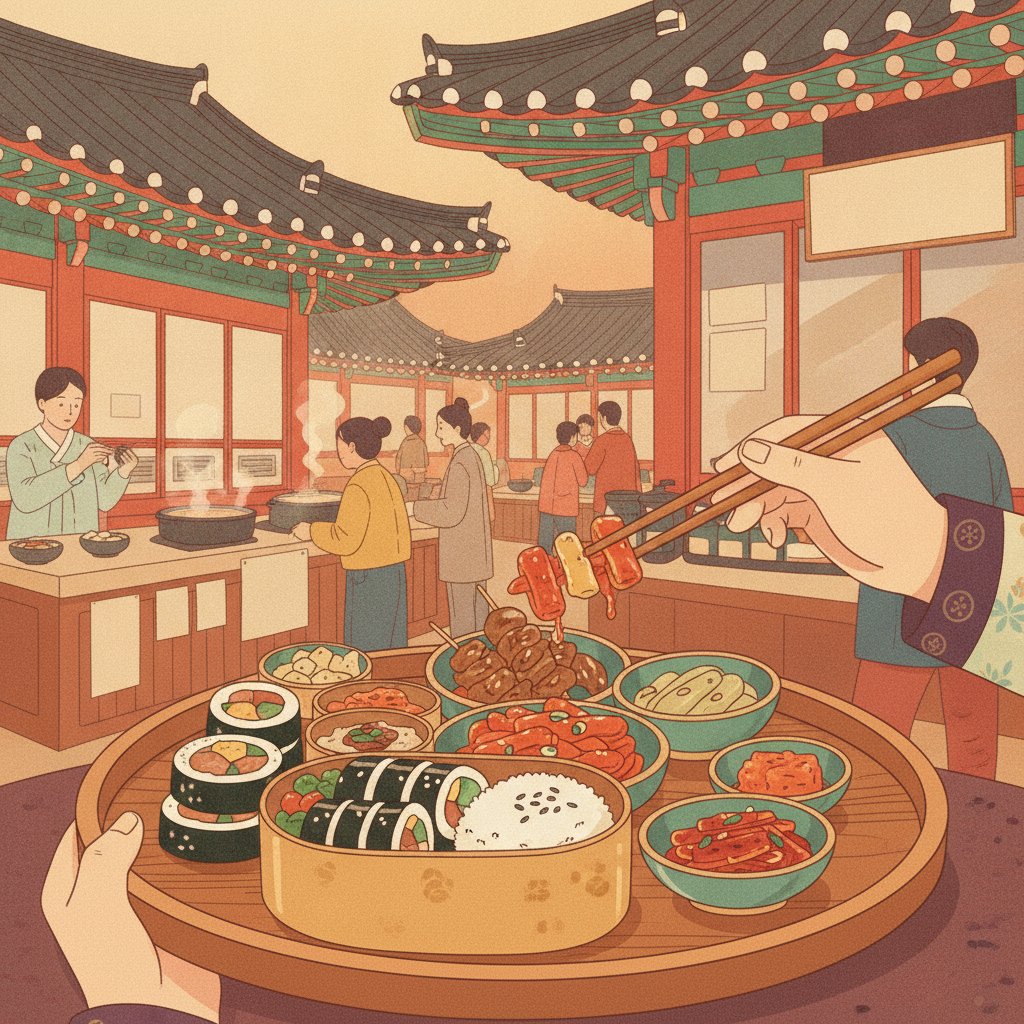
As a Korean who grew up in Seoul, I always suggest Tongin Market to visitors who want to try a wide variety of Korean side dishes without committing to full restaurant portions. Instead of sitting down for a single big meal, you stroll along a covered market alleyway with a black plastic tray, exchanging shiny brass coins for bite-sized portions of stir-fried pork, savory pancakes, egg rolls, and local delicacies. It feels part historical activity, part street food feast.
If you are planning a trip to Seoul and want to experience this iconic market dining concept, here is everything you need to know to navigate the Tongin Market dosirak cafe smoothly.
✈️ Book your trip to Korea — hotels, flights & more
What Makes Tongin Market So Special?
Tongin Market was originally established in 1941 during the Japanese colonial period for local residents in the Hyoja-dong neighborhood. After the Korean War, the surrounding neighborhood grew, and the market naturally expanded into a bustling public market filled with traditional vendors, grocery stalls, and small eateries.
In 2012, the local market association came up with a brilliant idea to revitalize foot traffic: the Dosirak Cafe (Lunchbox Cafe). By reintroducing yeopjeon—replica brass coins modeled after the currency used during the Joseon Dynasty—they created an interactive dining format that honors Korean tradition while offering an affordable, customizable lunch.
Unlike larger commercial markets in Seoul, Tongin Market maintains a neighborhood atmosphere. Located in Seochon, an artistic district filled with preserved hanok houses and historic alleys, it provides an intimate look into everyday Korean market culture.
How the Dosirak Cafe System Works: Step-by-Step
Navigating the lunchbox cafe is straightforward once you know where to begin. Here is how to complete your meal from start to finish.
Step 1: Head to the Customer Service Center
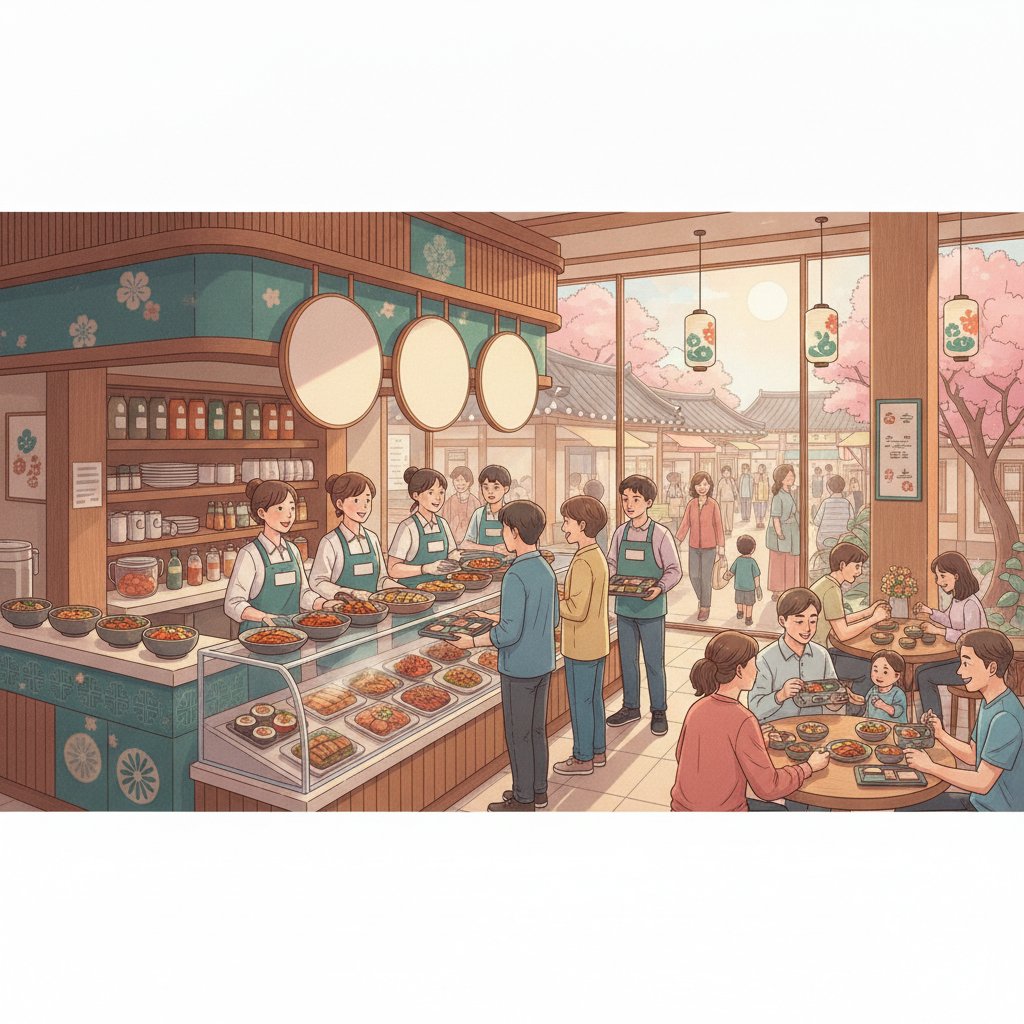
Enter Tongin Market from either end of the main alley. Walk toward the middle of the market until you see a multi-story building marked as the Customer Satisfaction Center (Gogaek Manjok Centeo) or Dosirak Cafe. Head up to the second floor, which serves as both the coin exchange office and the main dining space.
Step 2: Purchase Your Yeopjeon Coins and Tray
At the service desk, you can purchase a bundle of brass coins. A typical coin bundle usually costs between 5,000 KRW and 10,000 KRW (roughly $4.00 to $8.00 USD), though exact prices may adjust over time. Each individual brass coin is valued at roughly 500 KRW. Most visitors find that 10 to 15 coins (around 5,000 to 7,500 KRW) are plenty for a full meal.
Along with your coin string, the staff will hand you a reusable plastic lunchbox tray divided into small compartments. Hold on to your coins securely—they come tied on a traditional string!
Step 3: Explore the Alley and Pick Your Dishes
Head back down to the main market lane with your tray and coins. Look for stalls displaying a small orange or pink sign that says “Dosirak Cafe Vendor” (도시락카페 가맹점). These participating vendors accept yeopjeon for their food items.
When you see something delicious, simply point to the dish and hand the vendor the required number of coins. Most dishes cost between 1 and 3 coins (roughly 500 to 1,500 KRW per portion). The vendor will place a fresh portion right into one of your tray compartments.
Step 4: Return to the Cafe to Eat
Once your tray is filled with delicious treats, head back to the second or third floor of the Cafe building. Here, you can use remaining coins or a small amount of cash/card to purchase cooked white rice and hot soup (usually around 2 coins or 1,000 to 2,000 KRW each). Water, utensils, and seating areas are provided for diners.
🎟️ Popular tours & experiences in Korea
Klook.comMust-Try Dishes at Tongin Market
Because you can choose 5 to 8 different items for your tray, you have room to experiment. Here are the classic foods you should look out for while filling your lunchbox.
1. Gireum Tteokbokki (Oil Rice Cakes)
This is Tongin Market’s signature dish. Unlike the standard Korean tteokbokki served in a thick, sweet red chili broth, gireum tteokbokki is stir-fried in oil in flat iron pans. It comes in two primary flavors:
- Spicy (Gochutgaru): Tossed in red pepper flakes and sesame oil, giving it a smoky heat and crisp edges.
- Soy Sauce (Ganjang): Savory, mild, and slightly sweet—perfect if you prefer non-spicy Korean food.
The texture is uniquely crispy on the outside and soft and chewy on the inside. As a local tip, get a small portion of both styles to compare!
2. Mayak Gimbap
These mini rice rolls wrapped in dried seaweed are packed with pickled radish, carrots, and spinach. They are called mayak (addictive) gimbap because they are brushed with fragrant sesame oil and dipped in a sweet mustard-soy sauce that makes them impossible to stop eating.
3. Tteokgalbi and Meatballs
If you want protein in your lunchbox, look for vendors grilling minced beef and pork patties (tteokgalbi) or small meatballs cooked in sweet garlic glaze. They are hearty, savory, and pair perfectly with warm rice.
3. Mini Jeon (Korean Pancakes)
You will find colorful platters of pan-fried delights, including zucchini slices (hobak-jeon), kimchi pancakes (kimchi-jeon), and fish fillets coated in egg batter (dongtae-jeon). Vendors will often re-heat them briefly on a griddle before placing them in your tray.
4. Classic Korean Banchan
Complete your lunchbox with side dishes like rolled omelets (gyeran-mari), sweet stir-fried anchovies (myeolchi-bokkeum), spicy glass noodles (japchae), or marinated pork bulgogi.
Coin Cost Overview
To help you budget your brass coins, here is a general guide to dish pricing inside the market. Please note that exact costs vary by vendor and seasonal availability.
| Food Item | Typical Coin Cost | Approx. Value (KRW) |
|---|---|---|
| Gireum Tteokbokki | 2 coins | ~1,000 KRW |
| Mini Gimbap (2-3 pcs) | 2 coins | ~1,000 KRW |
| Tteokgalbi Patty | 2 – 3 coins | ~1,000 – 1,500 KRW |
| Japchae Noodles | 2 coins | ~1,000 KRW |
| Cooked Rice or Soup | 2 coins each | ~1,000 KRW each |
How to Fit Tongin Market into Your Travel Day
Tongin Market is located in Seochon (Jongno-gu), making it extremely easy to combine with standard sightseeing routes in central Seoul.
Getting There
Take Seoul Subway Line 3 to Gyeongbokgung Station. Take Exit 2 and walk straight along the main street (Jat-gil) for approximately 500 meters (about 7 to 10 minutes). The main east entrance of Tongin Market will be on your left.
Recommended Itinerary Route
- Morning: Visit Gyeongbokgung Palace early in the day (renting a Hanbok nearby grants free entrance to the palace grounds).
- Lunch: Walk over to Tongin Market around 11:30 AM to buy your coins and enjoy your dosirak before the peak afternoon rush.
- Afternoon: Explore the quiet, leafy alleyways of Seochon. Stop by indie bookstores, traditional craft shops, and cozy modern cafes.
Practical Local Tips for Your Visit
To make sure your visit goes smoothly, keep these practical points in mind:
- Timing Matters: The Dosirak Cafe system generally operates from around 11:00 AM until mid-to-late afternoon (often wrapping up around 3:00 PM to 4:00 PM). Arrive before 1:30 PM for the best selection, as popular food items can sell out later in the day.
- Rest Days: The Dosirak Cafe is typically closed on Mondays and the third Sunday of each month. Individual vendor hours may vary.
- Leftover Coins: If you have unused yeopjeon coins at the end of your meal, you can return them at the service desk for a cash refund, provided you return them on the same day. However, many travelers keep one or two as a unique souvenir!
- Cash vs. Card: You can pay for your initial coin bundle using major credit cards or cash at the main desk, but having a small amount of Korean Won cash handy is always helpful when walking around traditional markets.
🎟️ Popular tours & experiences in Korea
Klook.comFrequently Asked Questions
Can I visit Tongin Market without buying the lunchbox coins?
Yes! Tongin Market is a regular public market. You can purchase food directly from vendors using standard Korean Won (cash or local cards) and sit in individual eateries without participating in the coin-and-tray cafe system.
Is the Tongin Market Dosirak Cafe vegetarian-friendly?
While meat dishes are common, vegetarians can easily fill a tray. Options like soy sauce gireum tteokbokki, vegetable mini gimbap, rolled egg omelets (gyeran-mari), japchae, and various vegetable jeon (pancakes) are widely available. Be sure to clarify with vendors if you avoid fish sauce or broth base.
How much money should I spend per person for a full lunch?
A coin bundle worth 5,000 to 10,000 KRW ($4.00 to $8.00 USD) is generally enough for an adult lunch, including a bowl of rice and soup purchased inside the dining hall.
Keep Reading
- Korean Convenience Stores: GS25 & CU Food Picks
- Korean Street Food: Learning the Names
- Modern Nulang Central City (모던눌랑): Seoul’s Shanghai Chic
- Texas de Brazil Central City (텍사스 데 브라질): Churrasco in Seoul
🎟️ Popular tours & experiences in Korea
Klook.com