Korean Temple Food in Seoul and the Local Vegan Scene
This post contains affiliate links. As an Amazon Associate, we earn from qualifying purchases at no extra cost to you.
The Philosophy Behind Korean Temple Food
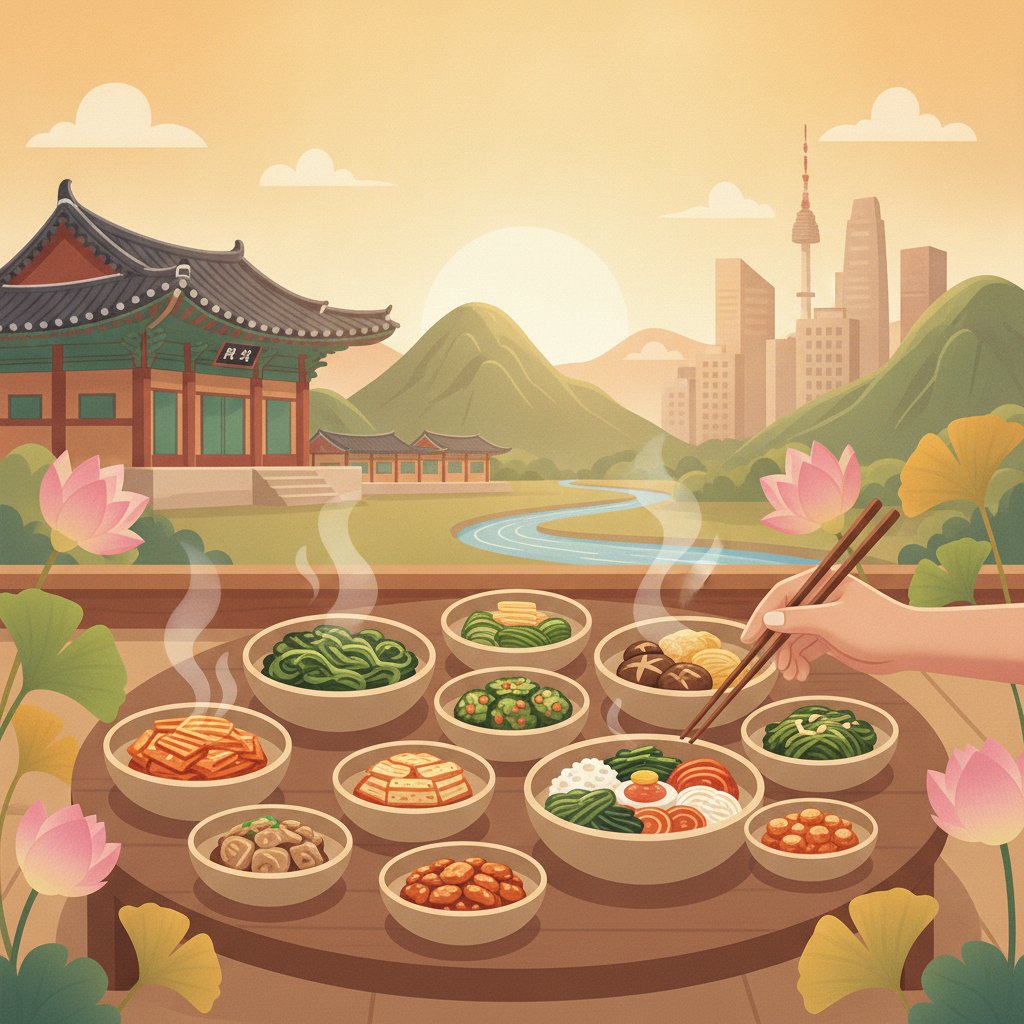
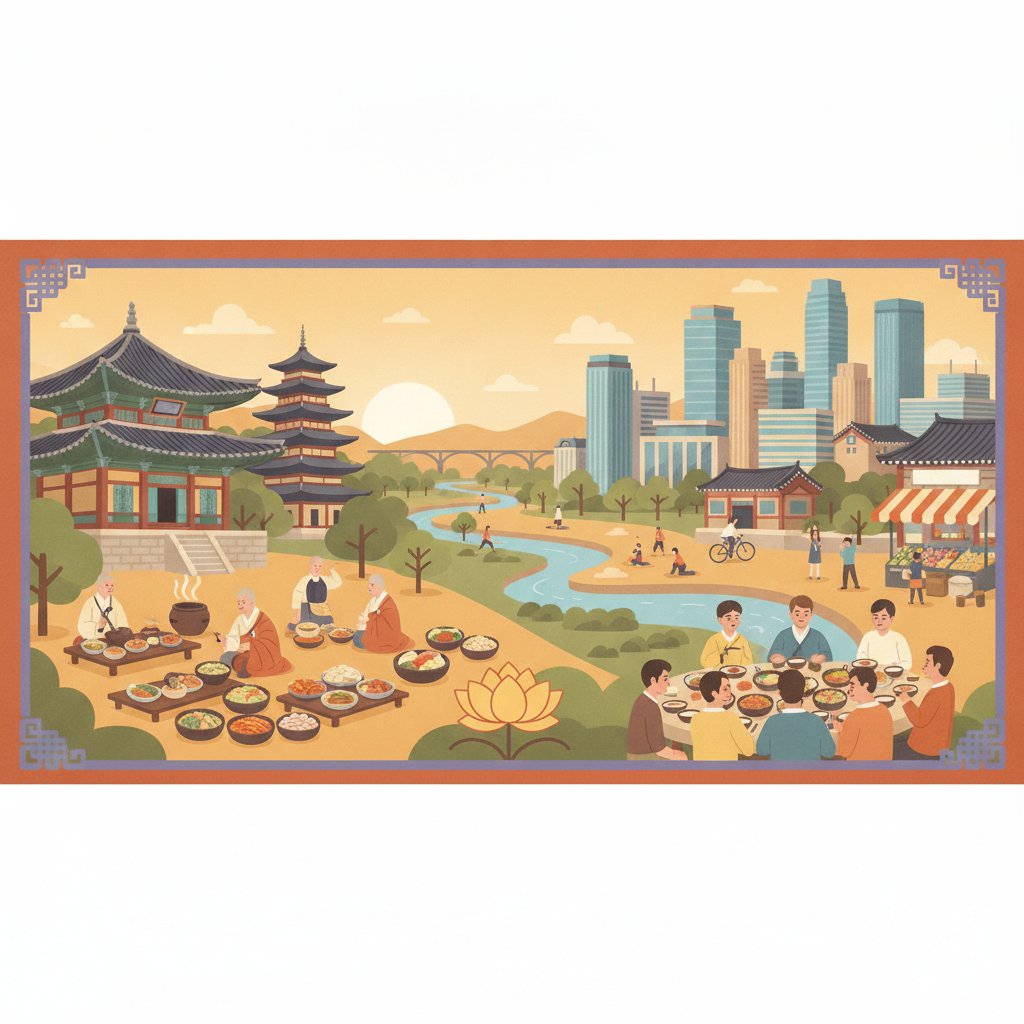
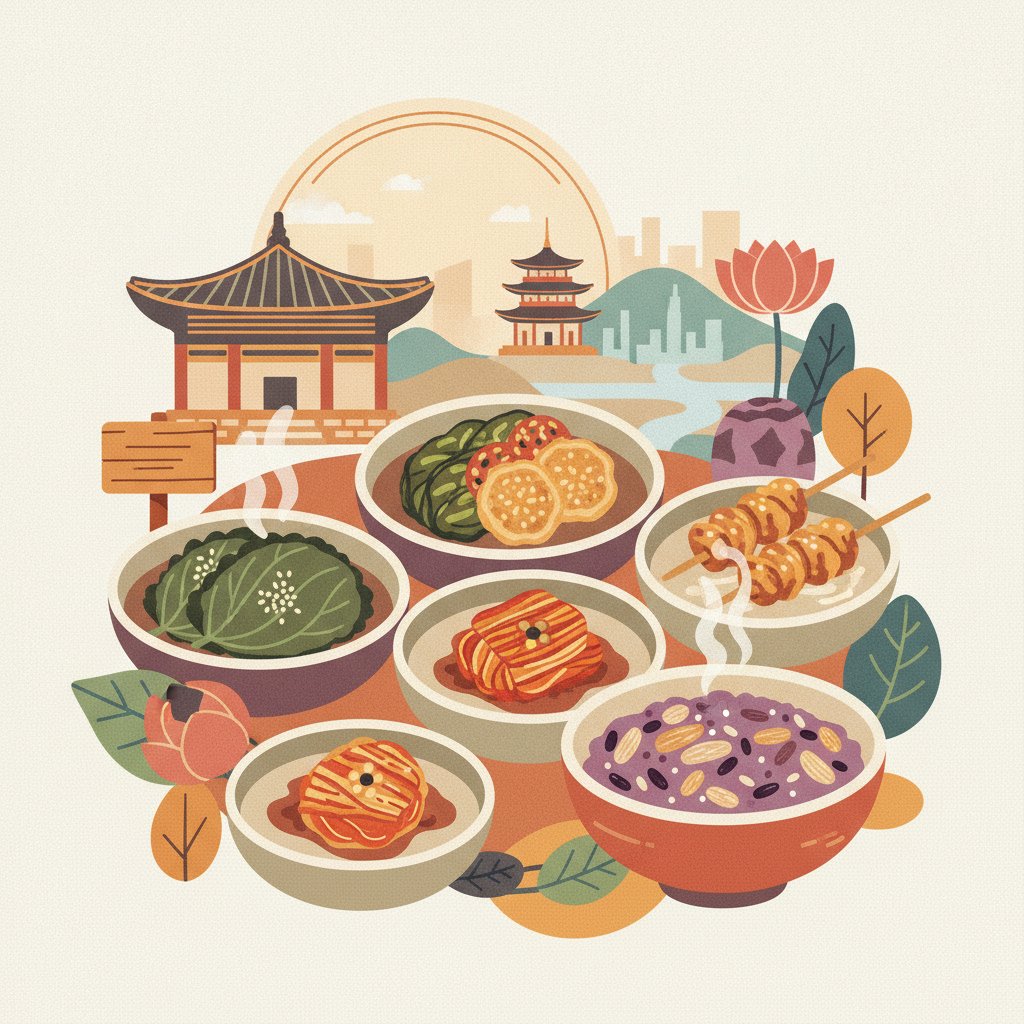
Steaming lotus leaf rice sitting on a wooden tray, surrounded by a dozen small ceramic dishes filled with seasonal wild greens, pickled radish, and braised roots—not a single clove of garlic or sprinkle of chili powder in sight, yet every bite delivers subtle, earthy warmth. Sitting inside a temple food restaurant in Insadong on a rainy afternoon, it becomes clear how deeply traditional monastic cooking redefines plant-based dining. As a Korean who grew up eating garlic-heavy, spicy dishes, discovering true temple cuisine was an eye-opening experience. It proved that food doesn’t need heavy seasonings or animal products to be profoundly satisfying.
Known locally as Sachal Emsik, Korean temple food has been refined over more than a thousand years within Buddhist monasteries. It is fundamentally plant-based, reflecting the Buddhist belief in honoring all living beings. Beyond avoiding meat and seafood, traditional temple cuisine excludes five pungent vegetables known as Oshinchae: garlic, green onions, wild chives, leeks, and onions. Monks believe these ingredients disturb quiet mental clarity and distract from meditation.
Without garlic or onion to rely on, temple chefs build rich flavors through long-term fermentation and seasonal foraging. Umami comes from slow-aged soy sauce (ganjang), fermented soybean paste (doenjang), dried kelp (dasima), and shiitake mushrooms. When you eat traditional korean temple food seoul dining rooms offer, you are tasting the natural flavor of ingredients harvested at their absolute peak.
✈️ Book your trip to Korea — hotels, flights & more
Where to Taste Authentic Korean Temple Food in Seoul
Seoul offers accessible options for experiencing authentic monastic meals, ranging from Michelin-recognized multi-course dining to casual neighborhood spots.
Balwoo Gongyang (Insadong)
Located directly across from Jogyesa Temple, the headquarters of the Jogye Order of Korean Buddhism, Balwoo Gongyang is the most famous location for monastic dining in the city. The restaurant offers seasonal course menus that follow traditional monastic dining principles.
Each course is served in private dining rooms, beginning with lighter, soothing dishes like seasonal porridge and moving toward wild mountain greens, steamed lotus leaf rice (yeonipbap), and house-made fermented delicacies. Course menus typically range from roughly 30,000 won to 100,000 won (approximately $22 to $75 USD), depending on the complexity and number of dishes. Because menu items depend strictly on seasonal harvests, dishes change throughout the year. Reservations are recommended well in advance.
Maji (Seochon / Gyeongbokgung Area)
If you prefer a relaxed, homely environment, Maji is situated in a restored traditional Korean house (hanok) west of Gyeongbokgung Palace. The owner is dedicated to preserving traditional plant-based recipes, serving generous course sets and single dishes.
A popular dish here is the lotus leaf rice set, served alongside an array of seasonal mountain herbs (namul), crispy vegetable pancakes, and savory soybean stew cooked without pungent herbs. Full set meals generally cost between 15,000 won and 35,000 won (around $11 to $26 USD). The relaxed atmosphere makes it welcoming for solo diners and groups alike.
Korean Temple Food Center (Insadong)
For travelers interested in hands-on experiences, the Korean Temple Food Center sits on the main street of Insadong. Managed by the Cultural Corps of Korean Buddhism, this facility hosts regular one-day cooking workshops led by ordained Buddhist nuns. English-language classes are frequently available and can be reserved online through official temple stay sites or travel platforms like Klook. Workshop prices typically run around 10,000 won to 30,000 won (roughly $7 to $22 USD), offering an affordable way to learn the techniques behind plant-based fermentation and knife skills.
Understanding the Difference: Temple Food vs. Modern Vegan Dining
While temple food is naturally vegan, not all plant-based food in Seoul follows monastic rules. Understanding the distinction helps when choosing where to eat.
| Dining Type | Key Flavor Base | Forbidden Ingredients |
|---|---|---|
| Temple Food | Kelp, mushroom, aged soy sauce | Meat, seafood, garlic, onion, leek, chives |
| Modern Vegan | Plant meats, nut cheeses, garlic, spices | Meat, seafood, dairy, eggs, honey |
| Standard Local | Garlic, chili, fish sauce, bone broths | Varies by dish (rarely plant-based) |
As a local, I always advise vegan travelers to exercise caution at standard, non-vegan Korean restaurants. Traditional street food and casual eateries frequently use hidden animal products. Standard kimchi almost always contains fermented shrimp paste (saeujeot) or fish sauce (aekjeot). Many vegetable soups rely on dried anchovy broth (myeolchi-yuksu), and dishes like bibimbap often include a garnish of seasoned minced beef unless explicitly requested otherwise.
🎟️ Popular tours & experiences in Korea
Klook.comSeoul’s Modern Vegan Neighborhoods
Seoul’s broader vegan scene has grown rapidly over recent years. Young local chefs and international expats have created thriving plant-based pockets across the city, making it easy to enjoy modern meals alongside traditional temple food.
Itaewon and Yongsan
Itaewon was the birthplace of Seoul’s modern plant-based movement and remains its most international culinary hub. Here, you will find western-style plant-based cafes, vegan bakeries, and high-end bistro dining. Menu items range from lentil burgers and cashew-based pasta to fully vegan Korean comfort foods. Prices for main dishes generally fall between 12,000 won and 25,000 won ($9 to $19 USD).
Hongdae and Yeonnam-dong
The youth culture districts of Hongdae and Yeonnam-dong offer creative plant-based eateries, including bakeries specializing in rice-flour, egg-free, and dairy-free cakes. You can easily find vegan ramen shops, plant-based bakery treats, and casual rice bowls tailored to dietary preferences.
Essential Tools and Phrases for Vegan Travelers
Navigating dietary restrictions in a foreign language can feel intimidating, but using local digital platforms makes the process simple.
Navigation Apps
Google Maps has limited walking and public transit functionality in South Korea due to local mapping regulations. Instead, download Naver Map or KakaoMap. Both apps support English interface options. To find nearby plant-based options, copy and paste these Korean search terms directly into the search bar:
- 비건 (Vegan)
- 채식 (Vegetarian / Plant-based)
- 사찰음식 (Temple Food)
Additionally, the global app HappyCow is widely used and actively maintained by locals and expats in Seoul, making it a reliable tool for locating fully vegan and vegan-friendly establishments.
Useful Phrases to Show Your Server
When dining at standard restaurants where staff may not speak fluent English, showing these written phrases on your phone will help avoid accidental dietary mix-ups:
- 저는 채식주의자예요. (I am a vegetarian.)
- 고기, 해산물, 젓갈은 빼주세요. (Please leave out meat, seafood, and salted fish sauce.)
- 계란과 우유도 안 먹어요. (I do not eat eggs or milk either.)
Taking the Culinary Journey Deeper: Temple Stays
If eating a single temple meal inspires you, consider participating in a formal Templestay program. Temples such as Bongeunsa in Gangnam or Myogaksa near Dongdaemun offer short day programs and overnight stays for international visitors.
During a Templestay, guests participate in Baru Gongyang—the traditional monastic meal ritual. Meals are eaten in mindful silence, and every participant cleans their personal wooden bowl (baru) with water and a single slice of pickled radish at the end of the meal, leaving zero waste. It is a peaceful experience that transforms a simple dinner into a meditation on gratitude and sustainability.
FAQ
Is Korean temple food always 100 percent vegan?
Yes, traditional Korean temple food uses no meat, poultry, fish, seafood, dairy, or eggs. However, a very small number of modern temple-style venues might occasionally serve honey in dessert teas. If you strictly avoid honey, you can easily ask the server to confirm beforehand.
Can I find vegan street food at Seoul night markets?
Standard street food stalls can be tricky because cross-contamination is common, and many batters or sauces contain egg, fish sauce, or meat stock. However, naturally plant-based street snacks include grilled sweet potatoes (gun-goguma), roasted chestnuts (gun-bal), fried sweet rice buns (hotteok—though verify butter content), and mung bean pancakes (bindaetteok, provided they are cooked without pork fat).
Are reservations required for temple food restaurants in Seoul?
For fine-dining temple establishments like Balwoo Gongyang, reservations are highly recommended, especially during peak lunch hours and weekends. Casual temple food spots like Maji usually accept walk-ins, though booking ahead is still wise during busy travel seasons.
🎟️ Popular tours & experiences in Korea
Klook.comKeep Reading
- Korean Convenience Stores: GS25 & CU Food Picks
- Korean Street Food: Learning the Names
- Modern Nulang Central City (모던눌랑): Seoul’s Shanghai Chic
- Texas de Brazil Central City (텍사스 데 브라질): Churrasco in Seoul
🎟️ Popular tours & experiences in Korea
Klook.com