Seongsu-dong Guide: What to Do in Seoul’s Brooklyn
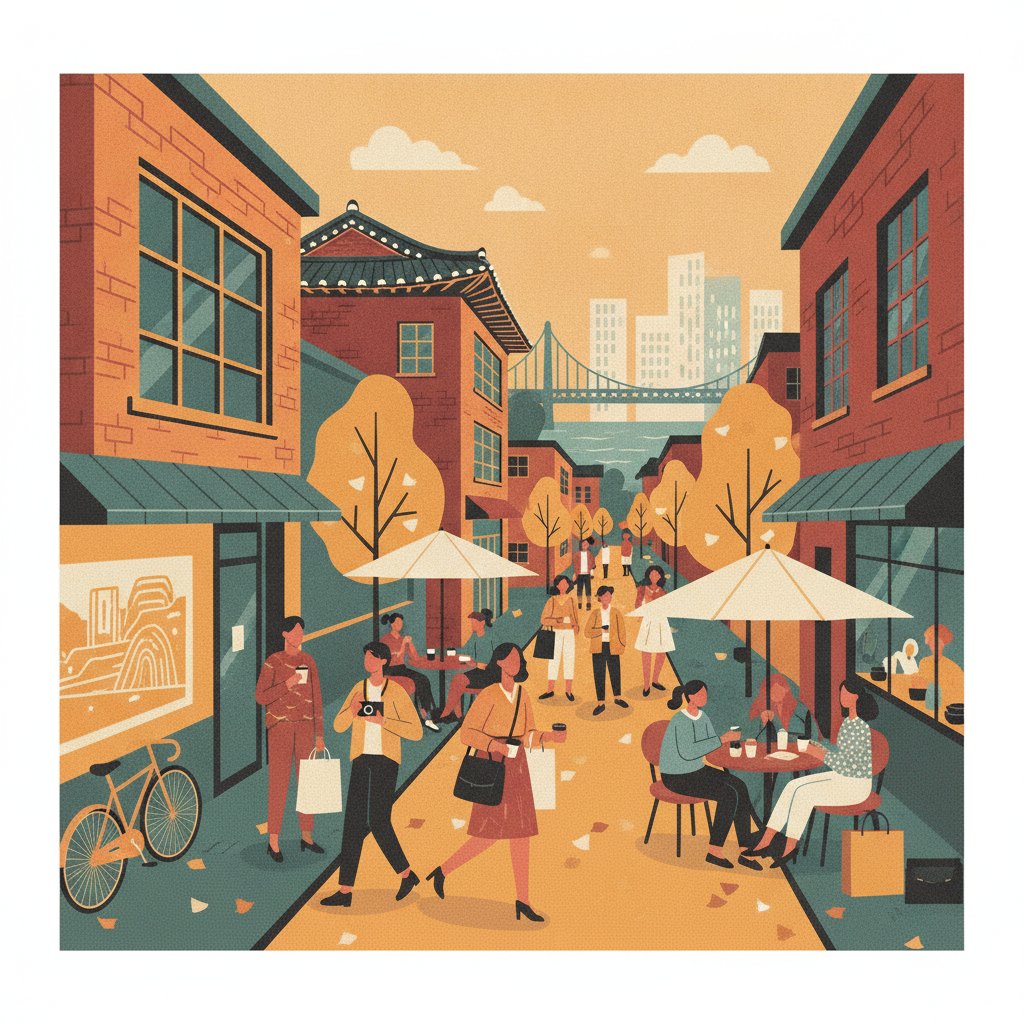
Fifteen years ago, Seongsu-dong was an industrial hub packed with shoe manufacturing workshops, printing presses, and metal fabricators. On weekend afternoons, the streets were quiet, smelling of leather dye and machine oil. Today, those same red-brick warehouses host temporary pop-up stores for international fashion houses, local designer boutiques, and minimalist espresso bars. The transition happened fast, but if you look past the shiny storefronts, you can still hear the hum of shoe stitching machines on the upper floors.
As a Korean who has watched this neighborhood transform from a blue-collar industrial quarter into Seoul’s creative capital, I often tell visitors that Seongsu-dong is best experienced with a bit of patience. It is dynamic, rapidly changing, and occasionally overwhelming if you do not know where to turn. This practical Seongsu-dong guide covers how to navigate the neighborhood like a local, where to find the best shopping, and how to handle the unique pop-up culture that defines the area today.
Why Seongsu-dong Is Called the Brooklyn of Seoul
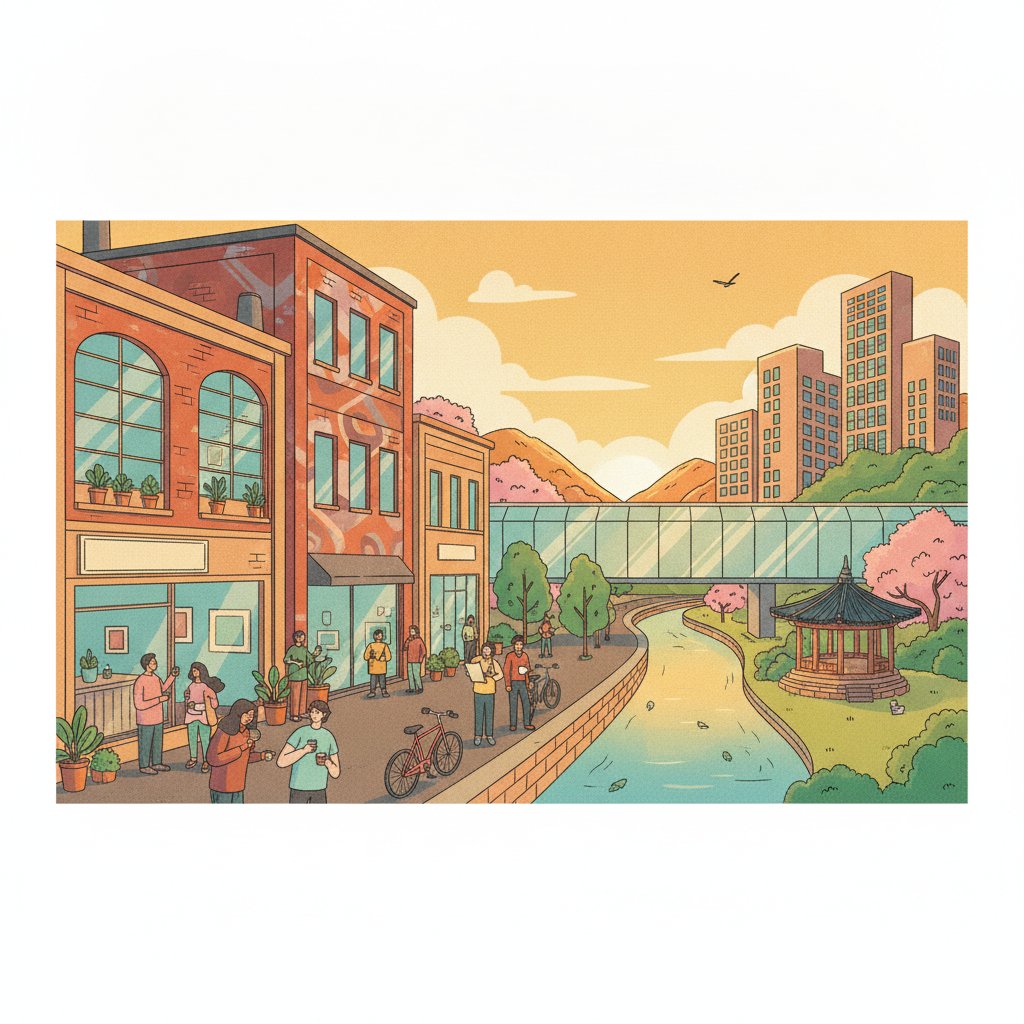
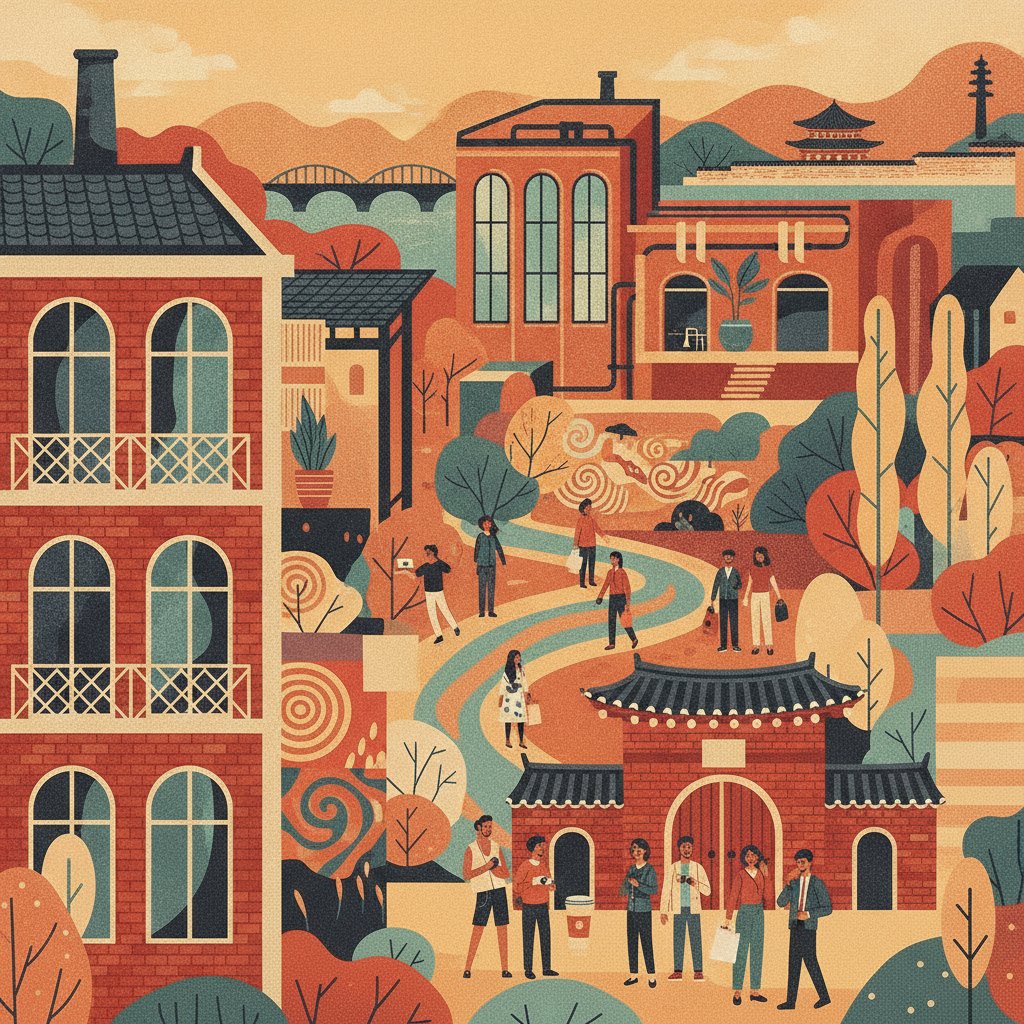
The comparison to Brooklyn comes from Seongsu-dong’s industrial architecture. Unlike Gangnam’s glass skyscrapers or Hongdae’s dense alleyways, Seongsu is characterized by wide blocks, mid-century brick factory buildings, and tall corrugated steel gates. Rather than tearing these structures down, young Korean entrepreneurs, architects, and artists began leasing them in the mid-2010s, preserving the rustic exteriors while redesigning the interiors into modern concept spaces.
What makes Seongsu unique today is its multi-layered character. On Yeonmujang-gil, the neighborhood’s main artery, you might see a high-end cosmetic brand pop-up store next door to a 40-year-old auto repair shop. Artisans who have made handmade shoes for decades still share alleyways with street-style fashion brands. That tension between gritty manufacturing and polished visual design gives Seongsu an energy you will not find anywhere else in South Korea.
✈️ Book your trip to Korea — hotels, flights & more
How to Get There and Navigate the Streets
Seongsu-dong covers a surprisingly large footprint, so understanding the layout saves you a lot of unnecessary walking. The neighborhood is served by two main subway stations:
- Seongsu Station (Line 2): Exit 3 or 4 puts you directly onto Yeonmujang-gil, the center of Seongsu’s pop-up store culture, major fashion retail, and high-traffic cafes.
- Ttukseom Station (Line 2) & Seoul Forest Station (Suin-Bundang Line): These stations drop you off near the western edge of the neighborhood, closer to Seoul Forest, quieter residential alleys, and independent design shops.
If you are arriving from central tourist districts like Myeongdong or Hongdae, taking Line 2 directly to Seongsu Station is straightforward and usually takes around 20 to 30 minutes. Once you exit the station, skip the main bus roads and head straight into the interior alleys. Seongsu is strictly a walking neighborhood; cars frequently get stuck in narrow lanes packed with pedestrian traffic.
Understanding Seongsu’s Pop-up Store Culture
Pop-up stores are the engine of Seongsu-dong’s current popularity. Brands host limited-time retail activations that can last anywhere from three days to six months. You might find a global K-beauty brand featuring interactive skin tests one week, followed by an anime collaboration cafe or a K-pop album launch the next.
How to Access Pop-ups as a Foreign Visitor
Entering popular pop-up stores requires knowing how local queueing systems work. Most high-profile pop-ups do not use simple physical lines. Instead, they use digital waitlists via tablet devices placed at the entrance.
- Tablet Waitlists: You enter your phone number on an iPad at the door. If you do not have a local Korean SIM card with a phone number starting in 010, ask the staff nearby if you can register using an email address or an international number. Many major pop-ups have updated their software (such as Catch Table or KakaoTalk queue systems) to accommodate international guests.
- Advance Reservations: Some exclusive brand activations require booking online weeks ahead via platforms like Naver Booking or Instagram links. However, almost every store reserves a daily quota for walk-ins. If you want to visit a specific featured pop-up without a reservation, arrive 15 to 30 minutes before opening time.
- Tax Refunds: Keep your physical passport in your bag. Major pop-up concept stores and retail hubs offer instant tax refunds at the register for purchases over 15,000 won.
🎟️ Popular tours & experiences in Korea
Klook.comMust-Visit Shopping Spots in Seongsu
While temporary pop-ups change weekly, several permanent retail spaces serve as anchor points for fashion, design, and K-beauty lovers.
Point of View Seoul
Located on Yeonmujang-gil, Point of View is a three-story stationery studio that feels like an old-world library. Each floor is curated around a theme, stocking specialized fountain pens, handmade paper, brass desk tools, and artistic wax seals. It is extremely popular on weekends, so aim to visit right when they open. Expect price ranges from roughly 5,000 won ($3.70 USD) for small notebooks up to 100,000+ won ($75 USD) for imported brass writing instruments.
Musinsa Empty and Musinsa Standard
Musinsa is South Korea’s largest online fashion platform, and Seongsu is its physical playground. Musinsa Empty focuses on avant-garde, indie designer brands from Korea and abroad, offering unique streetwear and structured apparel. Musinsa Standard nearby offers high-quality basic clothing at affordable prices. Korean street fashion here generally ranges from 40,000 to 180,000 won ($30 to $135 USD), depending on the brand and material.
Dior Seongsu
Even if you do not plan on shopping high fashion, Dior Seongsu is worth a walk-by. Housed in a glass-walled structure inspired by the house’s Paris headquarters, it features an open-air garden visual. Photos outside are free, though entering the interior cafe or retail floor requires advance booking through their dedicated app.
Rockfish Weatherwear
A hit among young Koreans and visiting fashion enthusiasts, this British-style footwear and lifestyle shop spans multiple floors decorated with retro European aesthetics. It is a great spot to pick up rain boots, scarves, and cozy winter accessories suited for Korean weather.
Cafe Culture: Industrial Renovation at Its Best
In Korea, coffee shops are living rooms, remote offices, and art galleries all in one. Seongsu pioneered the trend of leaving structural concrete exposed while installing state-of-the-art espresso gear.
Daelim Changgo
Daelim Changgo (Daelim Warehouse) is the granddaddy of Seongsu’s industrial cafe scene. Once a grain storehouse and later a metal foundry, this massive venue retains its high wooden roof beams, rusted iron doors, and concrete floors. Inside, you will find seasonal art installations alongside full-scale bakery counters. Specialty drinks and pastries typically run between 6,000 and 9,000 won ($4.50 to $6.80 USD).
Cafe Onion Seongsu
Set inside a converted 1970s factory, Cafe Onion blends crumbly brick walls and metal staircases with a rooftop patio. They roast their own coffee and serve signature breads like the Pandoro—a mountain-shaped pastry covered in powdered sugar. It gets crowded quickly, so visiting on a weekday morning provides the best experience.
Where to Eat in Seongsu: Traditional vs. Modern
Seongsu offers an interesting split between traditional local dining and modern fusion bistros. As a local, I recommend balancing your trip with a classic neighborhood meal.
Somunnan Seongsu Gamjatang
Before Seongsu was trendy, workers came here for a hearty bowl of gamjatang (pork bone soup with potatoes and greens). Somunnan Seongsu Gamjatang is a neighborhood institution featured on numerous Korean food shows. The broth is rich, savory, and deeply satisfying, especially during cooler months. A individual bowl typically costs around 10,000 to 12,000 won ($7.50 to $9.00 USD). Be prepared for a short line during peak lunch hours, though the turnover is remarkably fast.
Modern Bistros and Fusion Dining
For modern Korean cuisine, Western fusion pastas, or natural wine bars, head into the residential alleys closer to Ttukseom Station. You will find small, chef-owned restaurants serving everything from truffle mushroom tteokbokki to handmade udon. Main dishes at these casual bistros generally range between 14,000 and 25,000 won ($10.50 to $18.50 USD).
Escaping to Seoul Forest
When the concrete alleys grow too crowded, walk ten minutes southwest toward Seoul Forest (Seoul Sup). Spanning over 150 acres, this urban park is Korea’s answer to Central Park, featuring dense walking paths, a deer shelter, and quiet ponds.
The perimeter around the park—often called the Seoul Forest Atelierville area—is lined with tiny dessert shops, custom perfume studios, and outdoor coffee stalls. Renting an electric scooter or a public bike (Seoul’s Ddareungi bike service, accessible via Klook or local apps) is a popular way to explore the leafy perimeter streets before returning to the main shopping strip.
🎟️ Popular tours & experiences in Korea
Klook.comBreakdown of Seongsu Zones
To help you organize your walking route, here is a simple breakdown of how the different parts of Seongsu-dong compare:
| Neighborhood Zone | Vibe & Aesthetics | Best For |
|---|---|---|
| Yeonmujang-gil | High-energy, industrial, bustling | Major pop-up stores, K-fashion, flagship brands |
| Seoul Forest Alleys | Quiet, leafy, residential-chic | Boutique shopping, cozy cafes, dessert spots |
| Sungsu Station Exit 2 Area | Authentic industrial, spacious | Large warehouse cafes, traditional eateries |
Practical Tips for a Smooth Trip
To make the most of your day in Seongsu, keep these practical points in mind:
- Visit on Weekdays: Saturdays and Sundays bring enormous crowds of local university students and travelers. Visiting Tuesday through Thursday offers shorter lines for both pop-ups and popular bakeries.
- Navigation Apps: Google Maps is notoriously unreliable for walking directions in South Korea. Download Naver Map or KakaoMap for precise, step-by-step navigation through Seongsu’s complex inner alleys. Both apps support English search queries.
- Luggage Storage: If you come straight from the airport, use the coin lockers located inside Seongsu or Ttukseom subway stations. Popular luggage storage services are also available near major exits.
- Comfortable Shoes: You will easily log 10,000 to 15,000 steps exploring the neighborhood. Pavements can be uneven around older workshop areas, so wear sturdy sneakers.
FAQ
How much time should I spend in Seongsu-dong?
Plan for at least a half-day (around 4 to 5 hours) to explore the main shopping streets, visit a cafe, and stop by a few pop-up stores. If you want to combine Seongsu with a long walk in Seoul Forest and a relaxed dinner, set aside a full day.
Do I need reservations for Seongsu pop-up stores?
While some high-profile brand activations offer advance online reservations, almost all pop-up stores accept walk-ins via an on-site tablet registration system. Arriving early in the day gives you the best chance of entering popular pop-ups without a long wait.
What is the best time of year to visit Seongsu-dong?
Spring (April to May) and autumn (September to November) are ideal. The weather is comfortable for walking between alleys, and you can comfortably combine your shopping trip with outdoor strolls through Seoul Forest when the cherry blossoms or fall foliage are in peak bloom.
Keep Reading
- KTX Train Travel: Korea’s High-Speed Rail Tips
- Seoul Subway Tips for First-Time Visitors
- Your Essential T-money Card Guide: A Local’s Tips for Buying and Charging
- Seoul Subway Tips for First Time Visitors
🎟️ Popular tours & experiences in Korea
Klook.com