KTX Train Travel: Korea’s High-Speed Rail Tips
At a glance
- In shortA local guide to booking and taking KTX high-speed trains to explore South Korea.
- Best forForeign tourists planning travel across South Korea
- WhereNationwide
- Key pointsBook online via Korail's English site, KorailTalk app, or at stations · The Korail Pass offers savings for foreign tourists taking multiple trips · Seoul Station and Yongsan Station are major hubs connected by subway
- Heads-upBook well in advance during peak periods like weekends and major national holidays.
Unlocking Korea: Your Ultimate KTX Train Guide for Foreign Visitors
Annyeonghaseyo, travelers! As a proud Korean writing for “Seoul & Beyond,” I’m thrilled to share one of the most convenient and exhilarating ways to explore our beautiful country: the KTX train. If you’re planning to venture beyond Seoul’s bustling streets to discover ancient temples, vibrant coastal cities, or historic villages, mastering the KTX is an absolute must. Consider this your go-to KTX train guide, written from a local’s perspective, to ensure your journey is as smooth and enjoyable as possible.
Why KTX is Your Best Bet for Exploring Korea
The KTX, or Korea Train eXpress, is our nation’s high-speed rail system, and it’s a game-changer for travel. Imagine zipping from Seoul to Busan in under three hours – that’s faster than most domestic flights once you factor in airport commutes and security! As a Korean, I truly appreciate the KTX for its unparalleled speed, efficiency, and comfort. It connects almost all major cities and tourist destinations, allowing you to maximize your precious vacation time. Plus, with comfortable seating, ample legroom, and stunning countryside views passing by, it’s a far more relaxing experience than driving or navigating complex bus routes. It’s also an eco-friendlier option, a bonus for environmentally conscious travelers!
✈️ Book your trip to Korea — hotels, flights & more
Booking Your KTX Ticket: A Step-by-Step KTX Train Guide
Booking your KTX ticket is straightforward, even for first-time visitors. You have a few convenient options, and I’ll walk you through each one.
Online Booking: Convenience at Your Fingertips
For most foreign visitors, booking online is the easiest method. The official Korail website (Korean National Railroad) has a fantastic English version that’s incredibly user-friendly. Here’s how you typically do it:
- Navigate to the English Site: Look for the English language option on the Korail homepage.
- Input Your Details: Select your departure and arrival stations, travel date, desired departure time (or time range), and the number of passengers. Common KTX routes include Seoul to Busan, Seoul to Gyeongju (Singyeongju Station), and Seoul to Jeonju (Jeonju Station).
- Choose Your Train & Seat: You’ll see a list of available trains with their departure/arrival times and fares. Select your preferred train. You can often choose your seat from a digital seat map – I always try to grab a window seat to enjoy the scenery!
- Payment: Payment is typically made via international credit card.
- Receive Your Ticket: Once payment is confirmed, you’ll receive an e-ticket, usually with a QR code. You can print this or simply save it on your phone. This e-ticket is all you need to board.
Local Tip: If you’re planning extensive KTX travel, especially multiple long-distance trips within a specific period, look into the Korail Pass. It’s exclusively for foreign tourists and can offer significant savings!
Mobile App Booking: Travel in Your Pocket
For those who prefer to manage everything on their smartphone, the KorailTalk app is an excellent choice. It’s available on both iOS and Android and mirrors the functionality of the website. You can book, check your tickets, and even get real-time train information directly from your phone. As a Korean, I use this app constantly – it’s incredibly convenient for last-minute changes or checking platform numbers. Just make sure to download the English version!
In-Person Booking: For the Traditionalist or Last-Minute Traveler
If you prefer human interaction or need to book on the fly, you can always purchase tickets at any KTX station. Just look for the ticket counters (매표소, maepyo-so) or the automatic ticket machines (발권기, balgwon-gi).
- Ticket Counters: Most major stations will have staff who speak some English, especially at information desks. Simply tell them your destination, date, and time. Have your passport ready, especially if you’re using a Korail Pass.
- Automatic Ticket Machines: These machines are found at all KTX stations and usually offer English language options. The process is similar to online booking – select your route, time, and seat. They accept credit cards and often cash.
Local Tip: During peak travel times (weekends, national holidays like Chuseok or Lunar New Year), KTX tickets, especially for popular routes, can sell out fast! I highly recommend booking at least a few days, or even weeks, in advance if your travel dates fall during these periods. Don’t risk being stranded!
Understanding KTX Ticket Types and Discounts (General Info)
KTX offers different classes and occasional discounts. Standard Class is perfectly comfortable for most travelers, offering spacious, reclining seats. Special Class (특실, teuksil) provides slightly more room, premium amenities like complimentary water and sometimes newspapers, and fewer seats per car, offering a quieter experience. While specific discounts might vary, generally there are child and senior citizen rates, and as mentioned, the Korail Pass is a fantastic option for foreign visitors.
Getting to the KTX Station: Your Pre-Boarding KTX Train Guide
Your KTX journey often begins at one of Seoul’s major KTX hubs. Knowing how to get there efficiently is key.
Seoul Station (서울역)
Seoul Station is perhaps the most iconic and busiest KTX station, serving the Gyeongbu (south-eastern cities like Busan, Daegu) and Honam (south-western cities like Gwangju, Mokpo) lines. It’s a massive complex, a hub of activity with shops, restaurants, and various transport links.
- By Subway: Seoul Station is a major interchange. You can access it via Subway Line 1, Subway Line 4, and the Airport Railroad Express (AREX). Follow the signs for “KTX” or “Korail” once you exit the subway gates. The station is very well signposted in English.
- By Bus: Numerous bus lines, both local and intercity, stop at Seoul Station. Check a mapping app like KakaoMap or Naver Map for the best route from your accommodation.
- Navigating the Station: Give yourself ample time. Seoul Station is big, with multiple levels. The KTX platforms are usually on the lower levels. Look for large electronic boards displaying train schedules and platform numbers. You’ll find convenience stores, bakeries (like the famous ‘Paris Baguette’ or ‘Tous Les Jours’), cafes, and even sit-down restaurants if you want to grab a meal before your journey.
Yongsan Station (용산역)
Yongsan Station is another significant KTX terminal, primarily serving the Honam line (south-western destinations). It’s generally a bit less hectic than Seoul Station but still offers excellent facilities.
- By Subway: Yongsan Station is connected to Subway Line 1 and the Gyeongui-Jungang Line. Again, follow the clear signs for KTX.
- By Bus: Similar to Seoul Station, various bus routes serve Yongsan Station.
- Amenities: Yongsan also boasts a large shopping complex, including an IPARK Mall, a cinema, and plenty of dining options, making it a great place to spend some time if you arrive early.
Other Major KTX Stations (Brief Mention)
Beyond Seoul, major cities like Busan, Daejeon, Daegu (Dongdaegu Station), Gyeongju (Singyeongju Station), and Gwangju (Gwangju-Songjeong Station) all have well-equipped KTX stations with excellent public transport links, so getting to and from them will be just as smooth.
🎟️ Popular tours & experiences in Korea
Klook.comRiding the KTX: Onboard Experience & Etiquette
Before Boarding: What to Do at the Station
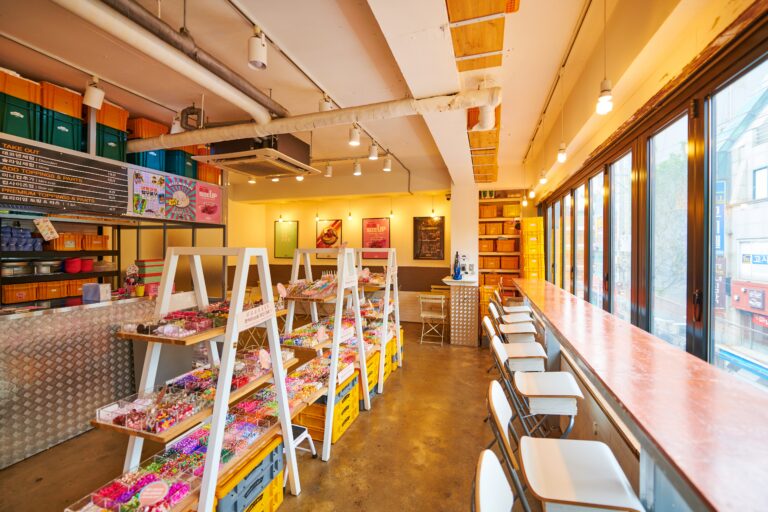
Unlike airports, there’s no formal check-in for KTX. You simply head to your platform. Typically, platform gates open about 10-15 minutes before departure. Find your car number (열차 번호, yeolcha beonho) displayed on your ticket and look for the corresponding signs on the platform. This is your last chance to grab any snacks or drinks from the station’s many convenience stores or bakeries. As a Korean, I always pick up a kimbap (seaweed rice roll) and a coffee or juice before hopping on!
Boarding the KTX: Smooth and Swift
When your train arrives, locate your designated car and seat. There’s usually overhead storage for smaller bags, and larger luggage racks are available at the end of each car or between cars. Please be mindful of other passengers and try to board efficiently. KTX trains are very punctual, so don’t be late!
Inside the KTX: Comfort and Amenities
- Seating: KTX seats are designed for comfort during long journeys. They recline, have tray tables, and most cars have power outlets (usually between seats or on the side panel), so you can charge your devices.
- Wi-Fi: Free Wi-Fi is generally available on KTX trains, though the speed can vary depending on the route and number of users. It’s usually sufficient for basic browsing and messaging.
- Restrooms: Restrooms are clean and well-maintained.
- Food and Drinks: While there isn’t a full dining car, onboard carts typically pass through with a selection of drinks, snacks, and sometimes simple meals. You’ll find items like coffee, juice, chips, cookies, and occasionally sandwiches or instant noodles. Prices are usually a few thousand won for snacks and drinks. However, as a Korean, I always recommend bringing your own food! It’s much more common and often more satisfying. Grab a Gimbap, some fruit, or a local snack from a convenience store at the station.
KTX Etiquette: Traveling Like a Local
To ensure a pleasant journey for everyone, here are a few local etiquette tips:
- Keep Voices Low: Koreans generally appreciate a quiet environment on public transport. If you’re talking on the phone or with companions, please keep your voice down. Some trains even have a designated ‘quiet carriage’ (정숙칸, jeongsuk-kan) where phone calls and loud conversations are strictly prohibited.
- Mind Your Space: Be mindful of reclining your seat too far back, especially if someone is behind you.
- Clean Up After Yourself: Use the designated trash bins located at the end of each car. It’s common courtesy to leave your space tidy.
- Respect Personal Space: Avoid loud music or videos without headphones.
Key Destinations Accessible by KTX
The KTX opens up a world of exploration across Korea. Here are just a few popular destinations you can reach:
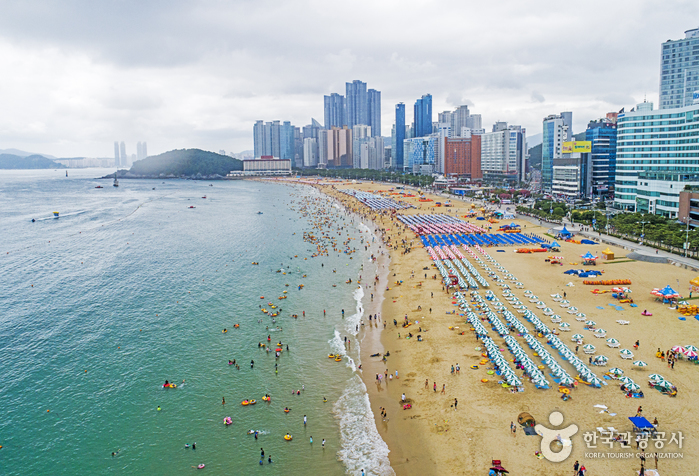
- Busan: Head south for beautiful beaches (Haeundae, Gwangalli), delicious fresh seafood, and a vibrant city atmosphere.
- Gyeongju (Singyeongju Station): The ancient capital of the Silla Kingdom, a UNESCO World Heritage site known for its rich history, temples, and royal tombs.
- Jeonju: Famous for its well-preserved Hanok Village and, of course, its incredible food, particularly bibimbap.
- Gangneung (KTX Gangneung Line): Discover the stunning East Coast, with its pristine beaches, scenic views, and a thriving coffee culture.
- Daejeon, Gwangju, Daegu: Major cities each offering their unique attractions, from science museums to traditional markets and local cuisine.
My Personal Tips as a Korean
- Book in Advance: I can’t stress this enough, especially for weekends, public holidays, or popular routes. Don’t wait until the last minute!
- Travel During Off-Peak Hours: If your schedule allows, traveling midday on a weekday can mean fewer crowds and sometimes even slightly cheaper fares.
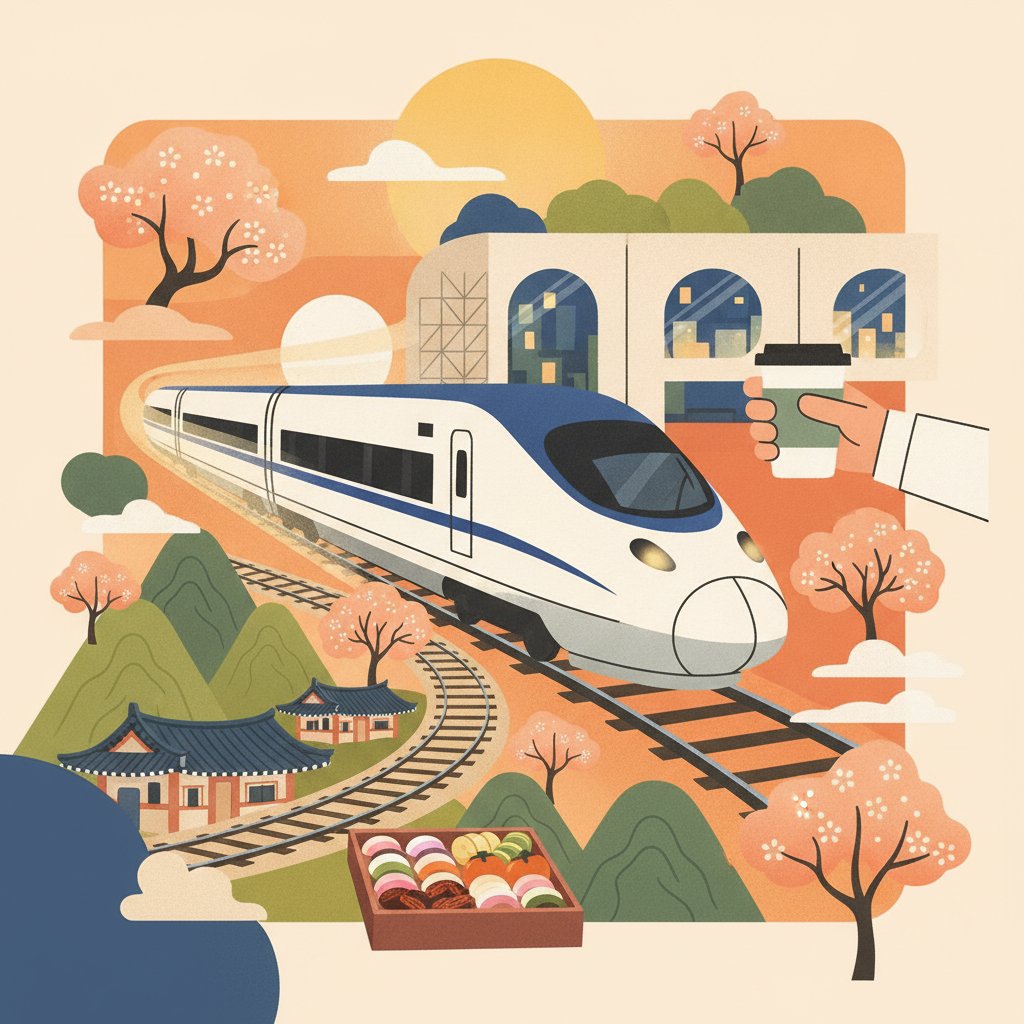
- Grab a Kimbap and Coffee: It’s a classic Korean travel combo. You’ll see many locals doing the same. It’s easy to eat on board and quite satisfying.
- Don’t Be Afraid to Ask for Help: Most KTX staff are incredibly helpful, and many speak English. If you’re unsure about your platform or seat, just ask!
- Enjoy the Scenery: Our countryside is beautiful, constantly changing with the seasons. Sit back, relax, and watch Korea unfold outside your window.
Frequently Asked Questions (FAQ)
- Do I need to check in for KTX? No, simply proceed to your platform with your e-ticket or printed ticket.
- Can I bring large luggage on KTX? Yes, within reasonable limits. There are overhead racks and designated luggage areas at the end of each car.
- Is KTX always on time? KTX is renowned for its punctuality. Delays are very rare.
- Are there English announcements? Yes, major KTX trains and stations provide announcements in both Korean and English.
- Do I need a passport to buy a ticket? Not typically for standard tickets, but it’s always good to have it, especially if you’re using a Korail Pass.
Using the KTX is not just about getting from point A to point B; it’s an integral part of the Korean travel experience. It’s fast, comfortable, and efficient, allowing you to immerse yourself in the diverse beauty and culture of our country. So, go ahead and book that ticket! I hope this KTX train guide has been helpful for your upcoming adventures in Korea. Safe travels, and I hope to see you on board!
🎟️ Popular tours & experiences in Korea
Klook.comMore on Transit & Transportation
- How to Book and Ride KTX Trains in KoreaA guide to booking KTX tickets, choosing seat options, and riding South Korea's high-speed trains.
- Seoul Subway Tourist GuideA complete guide to using Seoul's subway system, transit cards, apps, transfers, and etiquette.
- Incheon Airport to Seoul Transport GuideA guide detailing travel options from Incheon Airport to Seoul, including AREX trains, buses, and T-Money cards.
See every Transit & Transportation post in our K-Travel guide.
Handy toolsKorea travel essentials · Trip budget calculator · Korea Guide Finder
Keep Reading
- Seoul Subway Tips for First-Time Visitors
- Your Essential T-money Card Guide: A Local’s Tips for Buying and Charging
- Seoul Subway Tips for First Time Visitors
- How to Visit the DMZ From Seoul Step by Step
🎟️ Popular tours & experiences in Korea
Klook.com