Hallasan Mountain (한라산): Jeju’s Majestic Heart and a Local’s Guide
At a glance
- In shortA local guide covering Hallasan Mountain's trails, unique ecosystem, and essential visitor details.
- Best forTravelers and hikers planning to visit Jeju Island
- WhereJeju
- Key pointsAdmission to Hallasan National Park is free, but parking fees apply. · Trails like Eorimok, Yeongsil, and Gwaneumsa offer varied difficulty. · The mountain features over 1,800 plant species and 368 volcanic oreum.
- Heads-upOperating hours vary by season and trail, so check the official site before visiting.
Annyeonghaseyo, dear readers of Seoul & Beyond!
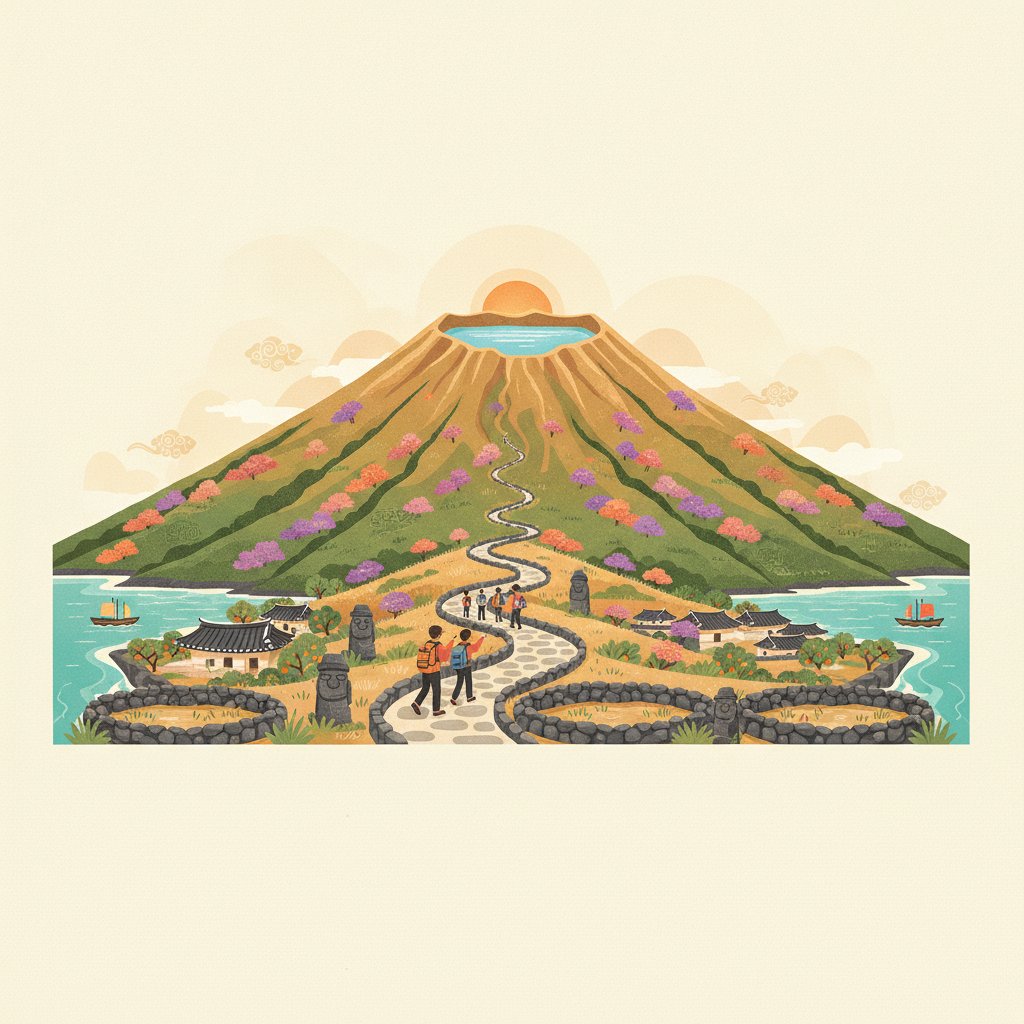
As a local Korean, I’m absolutely thrilled to take you on a journey to one of our nation’s most breathtaking natural wonders, a place that truly captures the heart and soul of Jeju Island: the majestic Hallasan Mountain (한라산). If you’re dreaming of an adventure beyond Seoul, a visit to Jeju is a must, and Hallasan is, without a doubt, its crowning glory. Standing proudly at the very center of our beautiful island, Hallasan isn’t just a mountain; it’s a cherished landmark, a geological marvel, and a vibrant ecosystem all rolled into one. From its ancient peaks to its lush valleys, this mountain holds a special place in the hearts of Koreans and offers an unforgettable experience for every visitor. Let’s delve into what makes Hallasan so incredibly special and how you can best explore its magnificent slopes.
✈️ Book your trip to Korea — hotels, flights & more
Discovering Hallasan: Jeju’s Geological Marvel
Many Koreans know Hallasan by another enchanting name: Yeongjusan Mountain. This isn’t just any name; it beautifully translates to “mountain high enough to pull the galaxy,” giving you a sense of its towering presence and almost mystical allure. Indeed, when you stand at its base, looking up at its grand stature, you might just feel a little closer to the stars! But Hallasan’s charm isn’t just in its height or its poetic name; it’s also a treasure trove for scientists, widely recognized for its immense geological value.
Recognizing its irreplaceable natural beauty and scientific significance, Hallasan was proudly designated as a national park way back in 1970, preserving its splendor for generations to come. What’s truly fascinating about Hallasan, and something you’ll notice as you explore, are the 368 parasitic cones that dot its landscape. We locals call these “oreum,” which is the Jeju dialect term for a peak. Each oreum has its own distinct character and story, adding layers of natural beauty to the main mountain, offering panoramic views and a chance to experience Jeju’s unique volcanic landscape up close.
A Living Tapestry: Hallasan’s Unique Ecosystem
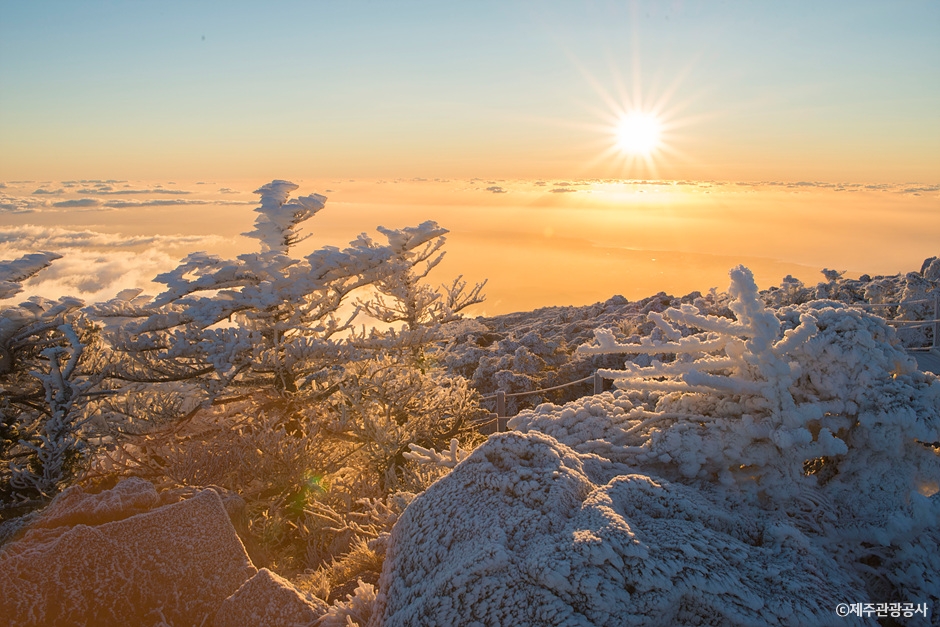
Beyond its geological wonders, Hallasan is a living, breathing testament to nature’s incredible diversity. It’s famous for what we call a ‘vertical ecosystem’ – imagine a vibrant ribbon of life stretching from its base to its summit! This incredible phenomenon is a result of the varying temperatures along the mountainside, creating distinct zones where different plant and animal species thrive. It’s like experiencing several different climates and environments all in one hike.
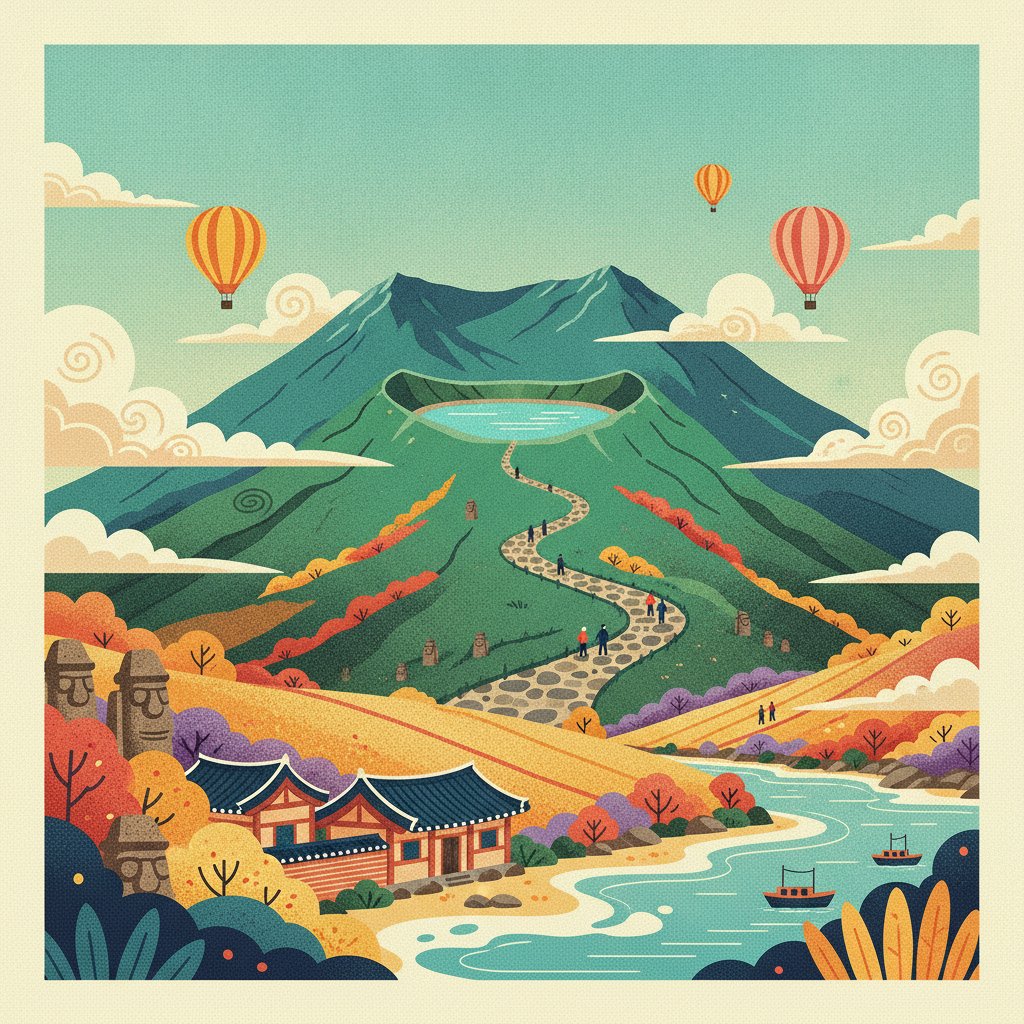
The biodiversity here is simply astounding. Scientists have identified over 1,800 kinds of plants, painting the mountain with an ever-changing palette of greens, browns, and seasonal blossoms. And it’s not just plants! The mountain is home to a staggering 4,000 species of animals, including a mind-boggling 3,300 species of insects. This rich tapestry of life truly makes Hallasan a natural wonderland, a paradise for nature lovers and a crucial habitat for countless creatures. To truly explore and appreciate these mountain treasures, you simply need to follow one of the many well-developed hiking trails, designed to lead you through the most beautiful and accessible parts of the park, offering breathtaking views and intimate encounters with nature at every turn.
🎟️ Popular tours & experiences in Korea
Klook.comLace Up Your Boots: Hiking Hallasan’s Trails
Now, let’s talk about the best part for many adventurers: hiking! Hallasan offers a variety of trails, each with its own charm and level of challenge. Remember, the journey itself is part of the reward, and every step brings you closer to nature’s embrace. And here’s a wonderful piece of news for everyone: there are no admission fees to enter Hallasan National Park! That’s right, you can experience this natural wonder completely free of charge. Plus, for your convenience, restrooms are available along the trails and at key points.
Eorimok Trail
This trail stretches for 6.8 kilometers, starting from the Eorimok Trail Information Center and leading you towards Nambyeok Point. It’s a fantastic option for those who want a rewarding hike without necessarily aiming for the absolute summit. The views along this path are absolutely stunning, especially in autumn when the foliage turns to fiery reds and golds.
Yeongsil Trail
A slightly shorter but equally captivating path, the Yeongsil Trail covers 5.8 kilometers, beginning at the Yeongsil Rest Stop and also connecting to Nambyeok Point. Many consider this trail to offer some of the most picturesque scenery, with unique rock formations and panoramic vistas that will leave you speechless.
Gwaneumsa Temple Trail
For those with a desire to conquer the highest point, the Gwaneumsa Temple Trail is your route to the summit! This trail is 8.7 kilometers long, starting from the Gwaneumsa Camping Site. It’s known for being more challenging, but the reward of reaching the peak, with its incredible crater lake, is truly unparalleled. This trail offers a more rugged and adventurous experience, taking you through diverse landscapes before the final ascent.
Each trail promises a unique adventure, allowing you to immerse yourself in the varying beauty of Hallasan. Whether you’re a casual walker or a dedicated hiker, there’s a path waiting for you to discover.
Planning Your Visit: Important Details
To ensure your Hallasan adventure is smooth and enjoyable, a little planning goes a long way. This is particularly important because, as a local, I know how quickly mountain conditions can change!
Hours and Access
The mountain’s operating hours are not fixed; they vary significantly by season and even by specific hiking trails. This is for your safety and the preservation of the park. It’s absolutely crucial to refer to the official website or inquire directly via phone call before you set out. You can reach the park office at +82-64-713-9950 for the most up-to-date information.
Please be aware that there are ‘Mountain Not Access Periods.’ Hiking hours are strictly subject to change based on the season and the discretion of the park rangers. These measures are in place to protect both visitors from unpredictable weather or trail conditions and the delicate ecosystem of Hallasan. Always check the official website for detailed information just before your visit; a quick check can save you a lot of hassle!
Parking Information
If you’re planning to drive, you’ll be pleased to know that parking is available at Hallasan National Park. This makes access much easier for many visitors. While parking is convenient, there are fees, which contribute to the maintenance and preservation of this beautiful national treasure. Here’s a quick breakdown of the parking fees:
| Vehicle Type | Parking Fee |
|---|---|
| Two-wheel vehicles | 500 won |
| Compact cars (under 1,000 cc) | 1,000 won |
| Mid-size cars (under 4 ton trucks) | 1,800 won |
| Small bus (11-15 seats) | 3,000 won |
| Mid-Large bus (over 16 seats / over 4 ton trucks) | 3,700 won |
These fees are quite reasonable, especially when you consider the incredible experience that awaits you on the mountain.
How to Get There
Hallasan Mountain is truly the geographical heart of Jeju Island, making it a prominent landmark wherever you are on the island. While there isn’t a subway system on Jeju, getting to the various trailheads of Hallasan is quite straightforward, typically involving local buses, taxis, or rental cars.
The mountain’s official address is San 15-1 Topyeong-dong, Seogwipo-si, Jeju-do. This tells you it’s located within the administrative boundaries of Seogwipo-si, which is one of the two major cities on Jeju Island (the other being Jeju-si to the north). Depending on which trailhead you choose to start your hike from (like Eorimok, Yeongsil, or Gwaneumsa Temple), the exact route will vary.
If you’re staying in Jeju-si, you can take a bus that directly goes to one of the trailheads. Similarly, from Seogwipo-si, there are public transport options available. Rental cars are also very popular on Jeju Island and offer the most flexibility, allowing you to drive directly to the parking areas near the trailheads at your own pace. Taxis are also readily available for a more direct, albeit pricier, option. Whichever mode of transport you choose, you’ll find that the journey to Hallasan is well-marked and relatively easy to navigate, thanks to its status as Jeju’s most famous landmark.
Tips Before You Go
Before you embark on your unforgettable Hallasan adventure, here are a few essential ‘local’ tips to keep in mind, ensuring a safe and memorable experience:
- Check Operating Hours and Conditions: This is my number one tip! Hiking hours can change with seasons and park rangers’ discretion. Always refer to the official Hallasan National Park website or make a quick phone call to +82-64-713-9950 right before your visit. Confirm current hiking hours for your chosen trail and check for any temporary access restrictions or weather warnings.
- Dress in Layers: Hallasan’s ‘vertical ecosystem’ means temperatures vary significantly from base to altitude. Dress in layers to adjust to changing conditions.
- Wear Appropriate Footwear: Sturdy, comfortable hiking shoes are a must. Trails can be uneven, rocky, or slippery.
- Pack Essentials: Bring plenty of water and snacks (energy bars, fruit) to stay hydrated and energized. Don’t forget sunscreen, a hat, sunglasses, and a light rain jacket.
- Respect Nature: Hallasan is a precious national park. Please stick to marked trails, do not pick plants or disturb wildlife, and carry out everything you carry in. Let’s keep Hallasan beautiful for everyone.
- Understand Trail Difficulty: Some trails are more challenging. If you’re not an experienced hiker, start with a shorter or less strenuous trail like Eorimok or Yeongsil.
By keeping these tips in mind, you’ll be well-prepared to embrace the natural splendor of Hallasan Mountain and create memories that will last a lifetime.
🎟️ Popular tours & experiences in Korea
Klook.comConclusion
There you have it, my dear friends! Hallasan Mountain isn’t just a geographical feature; it’s the very soul of Jeju Island, a place where nature’s grandeur truly shines. From its mythical origins as ‘mountain high enough to pull the galaxy’ to its vibrant, diverse ecosystem teeming with life, Hallasan offers an experience unlike any other. Whether you’re a geology enthusiast, a plant lover, an avid hiker, or simply someone looking to immerse yourself in Korea’s stunning natural beauty, Hallasan promises an unforgettable adventure. Its well-developed trails beckon, inviting you to discover its hidden treasures, breathe in the fresh mountain air, and witness views that will forever be etched in your memory. So, when you plan your visit to beautiful Jeju, make sure Hallasan Mountain is at the very top of your list. Come and feel the majestic heart of our island for yourself – you won’t regret it! Happy trails!
Good to Know
| Hours | Varies by season and hiking trails; refer to the official website or inquire via phone call |
|---|---|
| Parking | Available |
| Contact | +8264-713-9950 |
| Mountain Not Access Period | Hiking hours are subject to change according to season and park rangers’ discretion. For detailed information, please visit the official website. |
| Hiking Course | [Eorimok Trail] 6.8 km Eorimok Trail Information Center – Nambyeok Point [Yeongsil Trail] 5.8 km Yeongsil Rest Stop – Nambyeok Point [Gwaneumsa Temple Trail] 8.7 km Gwaneumsa Camping Site – Summit (Do |
| Admission Fees | Free |
| Restrooms | Available |
| Parking Fees | Two-wheel vehicles 500 won Compact cars (under 1,000 cc) 1,000 won Mid-size cars (under 4 ton trucks) 1,800 won Small bus (11-15 seats) 3,000 won Mid-Large bus (over 16 seats / over 4 ton trucks) 3,70 |
Details above are from the Korea Tourism Organization and may change — double-check before you visit.
Location & Map
📍 San 15-1 Topyeong-dong, Seogwipo-si, Jeju-do
Useful Links
More on Jeju Island Travel
- Quiet Charms of Geumneung Port in JejuA guide to the scenic views, K-drama filming spots, and history of Geumneung Port in Jeju.
- Guide to Baengnokdam Lake on HallasanA guide to hiking Hallasan Mountain to see Jeju's iconic crater lake, Baengnokdam.
- Yeongsil Trail Guide: Hallasan National ParkA guide to hiking Jeju Island's scenic Yeongsil Trail in Hallasan National Park.
See every Jeju Island Travel post in our K-Travel guide.
Handy toolsKorea travel essentials · Trip budget calculator · Korea Guide Finder
Keep Reading
- Busan Museum of Movies (부산영화체험박물관): A Local’s Guide
- Haeundae Beach in Busan: What to See and Do
- Cheorwon History and Culture Park (철원역사문화공원): A Local’s Guide
- WATERWORLD JEJU (워터월드 제주): A Local’s Guide
🎟️ Popular tours & experiences in Korea
Klook.com