Planning Your First Seoraksan National Park Hiking Trip
At a glance
- In shortA practical guide to reaching Seoraksan National Park from Seoul and exploring beginner-friendly trails.
- Best forFirst-time foreign visitors looking to hike Seoraksan
- WhereGangwon
- Key pointsReach Sokcho from Seoul by express bus, then take local Bus 7 or 7-1. · Outer Seorak features easy options like the cable car and Biseondae Rocks. · Use Naver Map or KakaoMap instead of Google Maps for local navigation.
- Heads-upTrash cans are rarely found on mountain trails, so all trash must be packed back out.
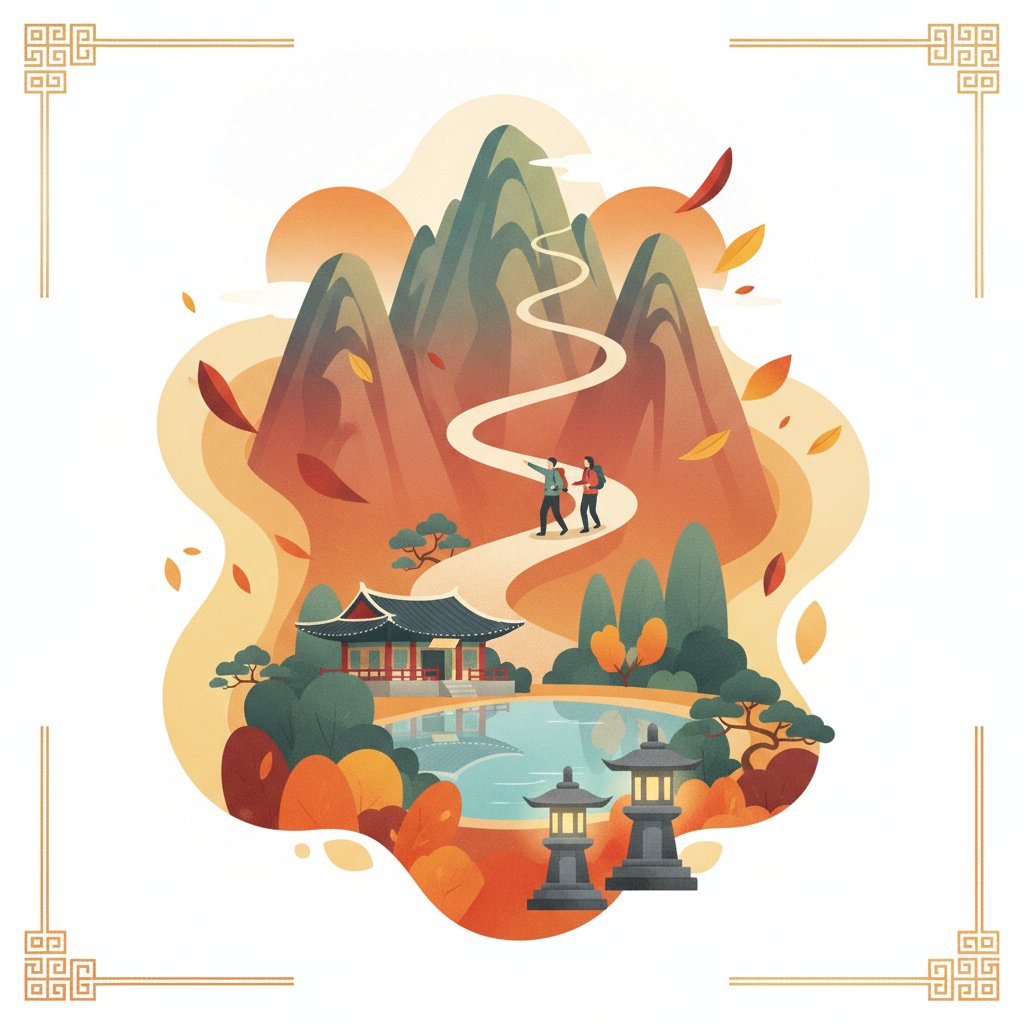
The biggest mistake foreign visitors make when planning a trip to Seoraksan is assuming every trail requires an intense, full-day summit scramble up Daecheongbong Peak. As a Korean who has spent countless autumn weekends trekking through Gangwon-do, I can tell you that Seoraksan National Park is surprisingly accessible. You do not need to be an ultra-marathoner or own high-end alpine gear to experience some of the most dramatic sharp-granite peaks, crystal-clear mountain streams, and stunning foliage in East Asia.
In Korea, hiking is practically a national pastime. On any given weekend, you will see Koreans of all ages fully outfitted in colorful technical gear head off into the hills, carrying thermos flasks of hot soup and rolls of freshly wrapped kimbap. If you want to join in on this classic Korean outdoor ritual without exhausting yourself, taking on seoraksan national park hiking as a beginner is entirely doable with a bit of straightforward planning.
How to Reach Seoraksan National Park from Seoul
Seoraksan is located near the coastal city of Sokcho on the eastern side of South Korea. While it might look far on a map, South Korea’s public transit network makes getting there remarkably simple. You can easily travel from Seoul to Sokcho in a single morning.
Step 1: Express Bus from Seoul to Sokcho
The most direct route is taking an intercity express bus. Departures run frequently throughout the day from two major terminals in Seoul:
- Seoul Express Bus Terminal (Gangnam): Accessible via Subway Lines 3, 7, and 9. Buses run directly to Sokcho Express Bus Terminal.
- Dong Seoul Bus Terminal (Gangbyeon Station): Accessible via Subway Line 2. Buses head to Sokcho Intercity Bus Terminal.
The journey takes roughly 2 hours to 2.5 hours depending on traffic. A standard one-way express bus ticket typically costs between 15,000 and 23,000 KRW (approximately $11 to $17 USD). During peak autumn foliage season (mid-October to early November) or national holiday weekends, highway traffic can add an extra hour or two, so leaving as early as 6:30 AM or 7:00 AM is strongly recommended.
You can reserve bus tickets in advance through booking services like Klook or the official Kobus website, though non-Korean credit cards sometimes face verification hurdles on domestic ticketing sites. If you prefer flexibility, buying a ticket in person at the terminal ticket counter a day before or early on the morning of departure usually works well outside of peak foliage weekends.
Step 2: Local Bus from Sokcho to the Outer Seorak Entrance
Once you arrive at the bus terminal in Sokcho, you will need to head to the main park entrance, known as Seoraksan Outer Entrance (Seoraksan Small Park or Seoraksan Sogongwon).
Outside the Sokcho bus terminals, look for local city bus stop signs for Bus No. 7 or Bus No. 7-1. These buses run directly to the park gate every 15 to 20 minutes. The ride takes around 30 to 40 minutes and costs roughly 1,500 KRW (about $1.10 USD). You can tap your regular Seoul T-Money card or any major Korean transportation card when boarding and exiting the bus.
✈️ Book your trip to Korea — hotels, flights & more
Beginner-Friendly Trails in Seoraksan
Seoraksan is split into several regions, but as a beginner, you should focus on the Outer Seorak (Oeseorak) area entering through Sogongwon. Here, the paths are well-maintained, signage is clear in English and Korean, and emergency response infrastructure is readily available.
| Trail Name | Distance & Duration | Difficulty Level |
|---|---|---|
| Gwongeumseong Fortress | 1.5 km (1.5 hrs round-trip) | Very Easy (Cable Car) |
| Biseondae Rocks | 6.0 km (2 hrs round-trip) | Easy (Flat Path) |
| Biryong Falls | 4.8 km (2.5 hrs round-trip) | Easy to Moderate |
| Ulsanbawi Rock | 7.6 km (3.5 to 4.5 hrs) | Moderate (Stairs) |
1. Gwongeumseong Fortress Cable Car
If you want breathtaking high-altitude mountain panoramas without a strenuous walk, the Seorak Cable Car is your best option. Located just a 5-minute walk inside the main park entrance gate, the cable car whisks you up to the ruins of Gwongeumseong Fortress in less than 10 minutes.
From the upper cable car station, a 10- to 15-minute walk along wooden steps brings you to the rocky top of the peak. On clear days, you can look out over the jagged peaks of Seoraksan on one side and the deep blue East Sea (Sea of Japan) bordering Sokcho city on the other. Cable car tickets usually run around 15,000 KRW (roughly $11 USD) for adults. Tickets are sold strictly on a first-come, first-served basis at the lower terminal counter on the day of travel.
2. Biseondae Rocks Trail
For those who enjoy a gentle stroll amidst towering granite walls and babbling valley streams, the walk to Biseondae Rocks is exceptional. Legend says angels once ascended to heaven from these flat rock formations over the emerald water pool.
The path from the main entrance to Biseondae is wide, mostly paved or packed dirt, and features very minimal elevation gain. It is suitable for families, casual walkers, and anyone wanting a relaxed dose of nature. Along the route, small traditional rest houses sell cold bottled water, soybean milk, and light snacks.
3. Biryong Falls and Towangseong Falls Observatory
The trail to Biryong Falls (“Flying Dragon Falls”) takes you along a scenic mountain creek bridged by wooden footbridges. The walk up to Biryong Falls itself is quite gentle and manageable for almost all fitness levels.
If you feel energized when you reach Biryong Falls, you can continue up a series of roughly 900 steep wooden stairs to the Towangseong Falls Observatory. While those stairs will definitely get your heart pumping, the reward is a view of one of Korea’s tallest three-tier waterfalls cascading down a sheer cliff face.
4. Ulsanbawi Rock Trail
If you want a rewarding challenge that pushes the upper boundary of a beginner hike, target Ulsanbawi Rock. Ulsanbawi is a massive, six-peak granite structure that towers over the landscape.
The first two-thirds of the hike through Sinheungsa Temple and up the forested valley is gradual and peaceful. The final section, however, consists of a long, steep staircase attached directly to the rock face. Take your time, rest at the designated platforms, and hold onto the railings. Reaching the wind-swept peak provides an incredible feeling of accomplishment and expansive views of the region.
What to Pack and How to Dress
Korean mountain weather changes rapidly, especially during spring and autumn transitions. Preparing your daypack properly ensures a safe and comfortable trip.
- Footwear: While paved sections to Biseondae can be done in basic sneakers, trails like Ulsanbawi involve bare granite rock and steep steps. Wear sturdy running shoes or hiking boots with good grip.
- Clothing Layers: Wear moisture-wicking synthetic fabrics rather than heavy cotton. Pack a light windbreaker or fleece jacket, as the mountain summits and upper cable car station are significantly colder and windier than the base.
- Navigation Apps: Download KakaoMap or Naver Map before heading out. Google Maps does not provide detailed turn-by-turn walking navigation in South Korea due to local mapping regulations. Both Naver and Kakao maps display Seoraksan trail routes and local bus stops accurately.
- Trail Snacks: Follow local traditions by picking up two rolls of kimbap from a shop near the Sokcho bus terminal before entering the park. Kimbap is portable, full of carbohydrates and protein, and makes for the perfect mid-hike lunch. Carry at least 1 to 1.5 liters of water per person, along with electrolyte drinks like Pocari Sweat.
🎟️ Popular tours & experiences in Korea
Klook.comEssential Park Etiquette and Safety Rules
As a guest in South Korea’s national parks, following local regulations helps protect the delicate alpine environment:
Leave No Trace: You will rarely find trash cans on mountain trails in Korea. Whatever you bring into Seoraksan, you must pack back out, including fruit peels and tissue paper. Carry a small plastic bag in your backpack for your trash.
Observe Curfew Hours: Seoraksan enforces strict night-hiking bans (Ipsan Tongje) to protect wildlife and prevent accidents. Trails generally close for entry a few hours before sunset. Always check entry restriction signs at trailhead checkpoints.
Emergency Contacts: In the unlikely event of an injury or getting lost, dial 119 for emergency medical assistance. Location markers with unique alphanumeric codes are posted along major trails every few hundred meters; reading these codes to the dispatcher helps rescue crews pinpoint your exact location.
Post-Hike Food Culture in Sokcho
One of the best parts of seoraksan national park hiking is the feast that follows. After descending the mountain, head back into downtown Sokcho to explore the vibrant Sokcho Tourist & Fishery Market (commonly called Sokcho Jungang Market).
The coastal city is famous across Korea for its culinary specialties:
- Dakgangjeong: Crispy, deep-fried chicken glazed in a sweet, sticky, and slightly spicy sauce, topped with crushed peanuts or sesame seeds.
- Ojingeo Sundae: Fresh squid stuffed with minced vegetables, glass noodles, and pork, sliced into rings, coated in egg batter, and pan-fried on a griddle.
- Gamja-jeon: Savory Korean potato pancakes made from locally grown Gangwon-do potatoes, pan-fried to crispy golden perfection—best enjoyed alongside a chilled bowl of local makgeolli (rice wine).
FAQ
Do I need to pay an entrance fee or book tickets to enter Seoraksan National Park in advance?
No advance park entry tickets are required. Entrance to Seoraksan National Park is free of charge. You only need to pay for your transportation, optional cable car tickets (bought on-site), or personal purchases like food and souvenirs inside the park grounds.
What is the best month to visit Seoraksan National Park for autumn foliage?
Peak autumn foliage at Seoraksan usually occurs between mid-October and early November. Exact timing shifts slightly each year depending on temperatures, but late October typically offers the most vibrant red, orange, and yellow leaves across the lower and mid-elevation trails.
Can I hike Seoraksan as a day trip from Seoul?
Yes, a day trip is entirely possible if you start early. Board an express bus from Seoul around 6:30 AM or 7:00 AM, arrive in Sokcho around 9:00 AM, and take local Bus 7/7-1 to the park. After completing a 3 to 5-hour beginner hike, you can return to Sokcho for dinner and catch an evening bus back to Seoul around 8:00 PM.
More on Regional South Korea Travel
- Suncheon Bay Travel GuideA travel guide covering seasons, transport routes, top attractions, and local food in Suncheon Bay.
- Guide to Visiting Boseong Green Tea FieldsA travel guide to visiting, navigating, and experiencing the historic Boseong green tea fields.
- Yeosu Travel Guide: Coastal Getaway in KoreaA travel guide on planning a weekend trip from Seoul to Yeosu, including transport, stays, sights, and food.
See every Regional South Korea Travel post in our K-Travel guide.
Handy toolsKorea travel essentials · Trip budget calculator · Korea Guide Finder
🎟️ Popular tours & experiences in Korea
Klook.comKeep Reading
- Haeundae Blueline Park: Coastal Trains in Busan
- How to Plan a Suwon Hwaseong Fortress Day Trip from Seoul
- Gangneung KDrama Day Trip: Goblin Pier to BTS Bus Stop
- Essential DMZ Tour Tips: Visiting the Border from Seoul
🎟️ Popular tours & experiences in Korea
Klook.com