Myeongdong vs. Hongdae: Choosing Your Perfect Seoul Base
At a glance
- In shortA guide comparing Myeongdong and Hongdae to help foreign visitors pick their ideal stay in Seoul.
- Best forForeign travelers choosing where to stay in Seoul
- WhereSeoul
- Key pointsMyeongdong is central and ideal for K-beauty shopping and street food. · Hongdae offers youthful art, nightlife, indie culture, and direct AREX access. · Street food in Myeongdong generally ranges from 3,000 to 7,000 won per item.
- Heads-upMyeongdong can get very crowded and feel tourist-centric rather than local.
Myeongdong vs. Hongdae: Choosing Your Perfect Seoul Base
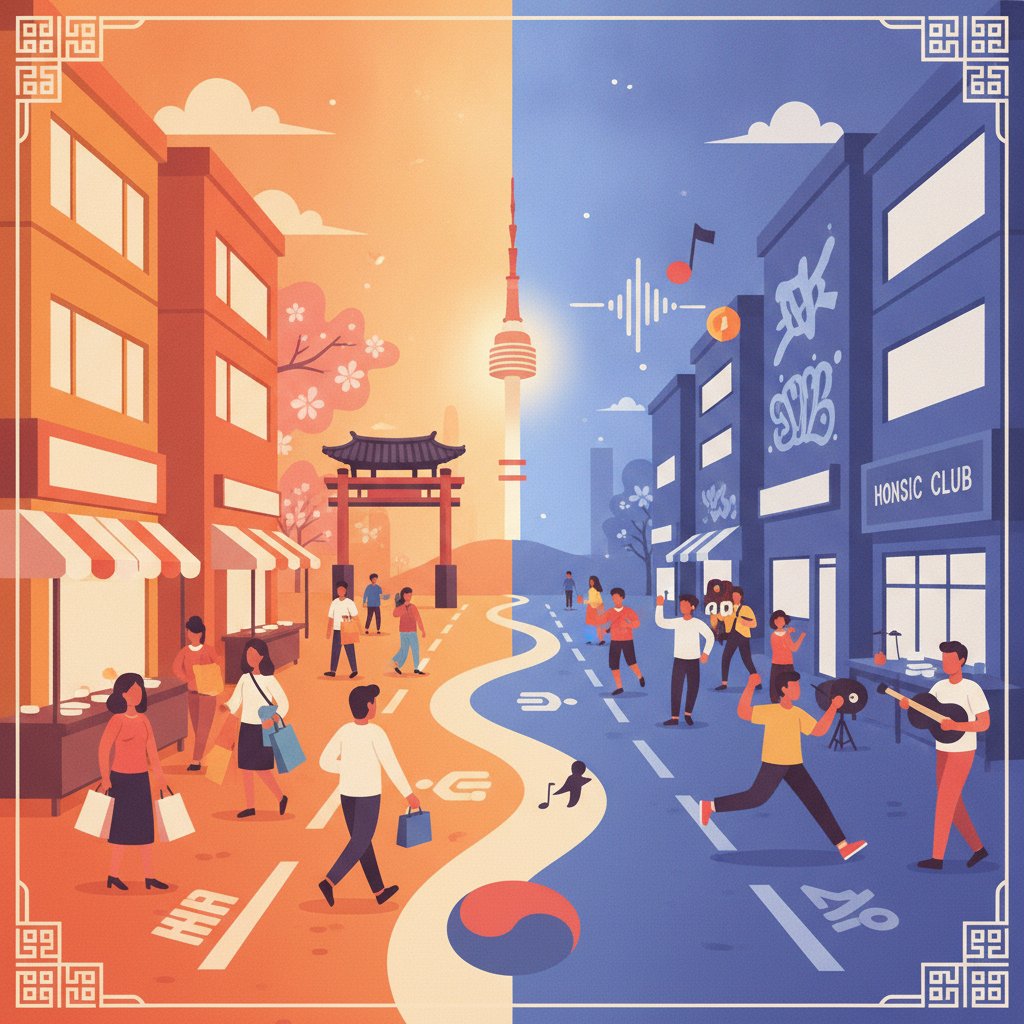
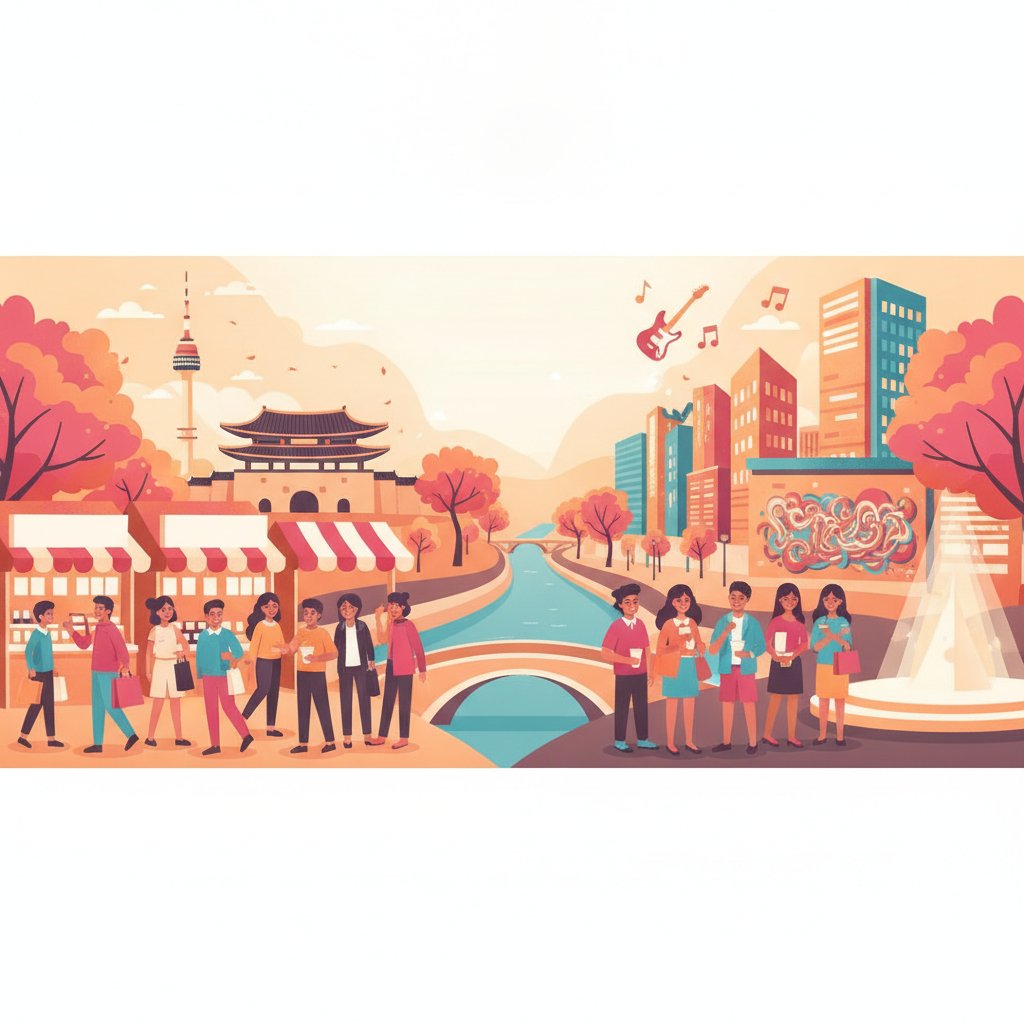
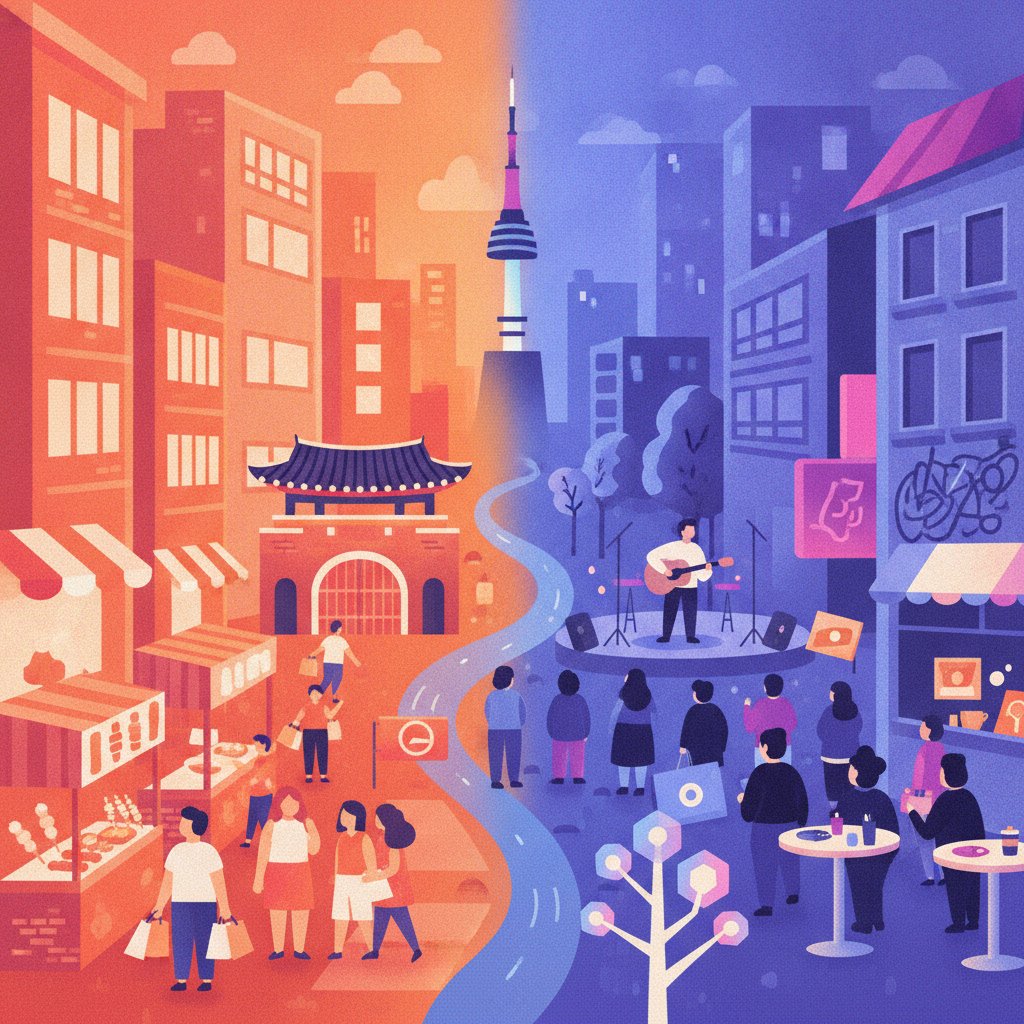
Hello, “Seoul & Beyond” readers! As your local guide, I know one of the biggest questions when planning a trip to our vibrant capital is: where to stay in Seoul? It’s a fantastic problem to have because Seoul offers so many amazing neighborhoods, each with its own unique charm. Today, we’re diving deep into two of the most popular contenders for foreign visitors: the bustling shopping haven of Myeongdong and the youthful, artistic hub of Hongdae. Both offer incredible experiences, but they cater to very different travel styles. So, let’s break it down and help you decide which neighborhood will be your perfect home away from home!
✈️ Book your trip to Korea — hotels, flights & more
Myeongdong: The Heartbeat of Shopping and K-Beauty
Myeongdong is practically synonymous with shopping, especially K-beauty. As a Korean, when friends or family from overseas ask me where to go for the full Korean cosmetics experience, Myeongdong is always my first answer. It’s a dazzling maze of flagship stores, department stores like Lotte and Shinsegae, and countless street vendors. But it’s not just about shopping; Myeongdong is incredibly central, making it an ideal base for exploring other major Seoul attractions.
Why Myeongdong Might Be Your Spot
- Shopping Paradise: Seriously, if you love K-beauty, fashion, or just browsing, Myeongdong is unbeatable. You’ll find everything from global brands to local designers, often with tax-free benefits for tourists. The street vendors also offer unique accessories and quirky souvenirs. It’s a place where you can easily spend an entire day just exploring shops.
- Foodie Heaven (Especially Street Food): After a long day of shopping, you’ll need to refuel! Myeongdong’s street food alley is legendary. Imagine hot tteokbokki (spicy rice cakes), savory gyeranppang (egg bread), crispy hotteok (sweet pancakes), and grilled skewers of all kinds. For sit-down meals, you can find traditional Korean restaurants and bustling cafes.
- Unbeatable Accessibility: Myeongdong sits right in the heart of Seoul. This means easy access to pretty much everywhere else. Iconic landmarks like Namsan Tower, the historic Gyeongbokgung Palace, the modern Dongdaemun Design Plaza, and the cultural street of Insadong are all just a short subway or bus ride away. It’s incredibly convenient for maximizing your sightseeing time and truly experiencing Seoul.
- Accommodation Variety: You’ll find a wide range of options here, from luxurious international hotels with stunning city views to comfortable mid-range boutiques and budget-friendly guesthouses. Many cater specifically to foreign visitors, often with multilingual staff, making your stay even smoother.
Getting Around Myeongdong
- Subway: The easiest way in and out is by subway. Myeong-dong Station (Line 4) drops you right in the thick of it. Euljiro 1(il)-ga Station (Line 2) is also just a short walk away, offering excellent connections to other major lines.
- Buses: Seoul’s bus system is efficient and covers the entire city. Several major bus lines stop in and around Myeongdong, making it easy to hop on and off for shorter distances or to reach areas not directly covered by subway.
- Walking: Once you’re in Myeongdong, it’s a very walkable area. Just be prepared for crowds, especially on weekends and evenings, as it’s a popular spot for both locals and tourists!
Myeongdong Eats & Treats
- Street Food Extravaganza: My personal recommendation? Don’t leave without trying the gyeranppang (egg bread) – it’s a simple yet comforting snack, especially on a chilly evening. And for something more substantial, a cup of tteokbokki is a must, often served with fish cakes (eomuk). Most individual street food items typically range from 3,000 to 7,000 won.
- Sit-down Delights: For a classic experience, try Myeongdong Kyoja for their famous kalguksu (knife-cut noodles) and mandu (dumplings). Or perhaps a comforting bowl of samgyetang (ginseng chicken soup) at one of the dedicated restaurants. Expect to pay around 10,000 to 18,000 won for a main dish at these popular spots.
- Cafes: You’ll find plenty of cafes for a quick coffee break, a refreshing bingsu (shaved ice dessert), or a sweet pastry. It’s a great way to people-watch and recharge.
A Local’s Take on Myeongdong
- Pros: It’s incredibly convenient, always bustling with activity, and perfect for first-timers who want to experience the vibrant pulse of modern Seoul. You’ll find a welcoming atmosphere with many shops offering English and even Chinese/Japanese service, making communication easy.
- Cons: It can get extremely crowded, which might be overwhelming for some travelers seeking a quieter experience. Because it’s so tourist-centric, some areas might feel less “authentically Korean” to those seeking a deeper, more local cultural immersion.
- Etiquette: When trying street food, it’s generally okay to eat as you walk, but be mindful of others and avoid blocking pathways, especially in crowded areas. Always use designated bins for trash, which you’ll find readily available. Queuing is common and expected, especially at popular food stalls or shops, so respect the line!
Hongdae: Where Youth, Art, and Indie Culture Collide
Now, let’s talk about Hongdae. If Myeongdong is the experienced elder sibling, Hongdae is the cool, artistic younger one. Centered around Hongik University, this neighborhood absolutely pulsates with youthful energy, creativity, and a distinct indie spirit. As a Korean, when my friends and I want to explore new trends, discover unique cafes, or just soak in a lively atmosphere, Hongdae is often our go-to spot.
Why Hongdae Might Be Your Spot
- Art & Indie Culture Hub: From vibrant street art and murals to independent boutiques and weekend art markets, Hongdae is a canvas for creativity. You’ll find small galleries, unique fashion stores, and plenty of places selling handmade goods and quirky souvenirs that you won’t find anywhere else.
- Vibrant Nightlife & Entertainment: When the sun sets, Hongdae truly comes alive. Street performers (buskers) entertain crowds with incredible music, energetic dance routines, and even magic shows. There are countless bars, clubs, noraebangs (private karaoke rooms), and live music venues, making it the perfect place to experience Seoul’s energetic youth culture firsthand.
- Trendy Cafes & Diverse Food: Hongdae is famous for its themed cafes (think cat cafes, sheep cafes, or unique concept cafes) and an incredibly diverse culinary scene. You can find everything from traditional Korean BBQ to international fusion dishes, charming brunch spots, and dessert parlors. The food scene here is constantly evolving, with new trendy spots popping up all the time.
- Youthful & Energetic Vibe: If you’re looking for a dynamic, fun, and slightly edgy atmosphere, Hongdae delivers in spades. It’s popular with university students and young adults, both local and international, creating a consistently lively and welcoming environment.
- Accommodation Options: You’ll find a lot of stylish boutique hotels, modern hostels, and cozy guesthouses catering to a younger, more independent crowd. It’s also a popular area for unique Airbnb-style apartments, offering a chance for a more local living experience.
Getting Around Hongdae
- Subway: Hongik University Station (Line 2, Airport Railroad AREX, Gyeongui-Jungang Line) is the main gateway. This station is a major transit hub, offering direct connections to Gimpo and Incheon airports via AREX, making arrivals and departures very convenient if you choose to stay here.
- Buses: Like Myeongdong, Hongdae is well-served by Seoul’s extensive bus network, making it easy to reach other parts of the city, including areas not directly on a subway line.
- Walking: The main areas of Hongdae are very walkable, though the district itself is quite spread out. Be prepared to wander through different streets and alleys to discover its numerous hidden gems, unique shops, and cafes.
Hongdae Eats & Treats
- Cafe Hopping: This is a must in Hongdae. Explore the countless unique cafes, each with its own theme, aesthetic, and delicious drinks/desserts. A coffee and dessert might cost anywhere from 8,000 to 15,000 won, depending on the cafe and items.
- Diverse Restaurant Scene: From classic Korean BBQ joints (expect around 15,000-30,000 won per person depending on the meat and side dishes) to trendy pasta restaurants, authentic Japanese ramen shops, and global eateries, Hongdae has it all. Look for signs advertising “무한리필” (muhan-ripil) for all-you-can-eat options, especially for popular items like Korean BBQ or tteokbokki.
- Street Food (with a twist): While not as concentrated as Myeongdong, Hongdae still offers plenty of street food, often with a more modern or fusion take. Keep an eye out for trendy snacks like twisted potato skewers or gourmet hot dogs.
A Local’s Take on Hongdae
- Pros: It’s a fantastic place for nightlife, live entertainment, and discovering trendy new things. The direct AREX connection is a huge plus for travelers, especially those with early flights. It offers a more “local” experience in terms of how young Koreans socialize and spend their leisure time.
- Cons: It can be quite loud and bustling well into the night, which might not suit light sleepers or those seeking a very quiet environment. While full of culture, it’s a more modern Korean culture rather than traditional, so if you’re seeking historic sites right outside your door, this isn’t the primary area.
- Etiquette: When watching street performers, it’s polite to give them space and not block the view of others. Sometimes performers will have a hat or case for donations, which is a nice gesture if you enjoyed their show. In busy restaurants, it’s common to share tables or sit quite close to others due to space constraints, especially during peak hours.
🎟️ Popular tours & experiences in Korea
Klook.comMyeongdong vs. Hongdae: A Quick Glance
| Feature | Myeongdong | Hongdae |
|---|---|---|
| Vibe | Bustling, commercial, international, bright lights, central | Youthful, artistic, energetic, indie, trendy, lively at night |
| Best For | First-timers, K-beauty & fashion shopping, central sightseeing, convenience | Nightlife, unique cafes, indie culture, young travelers, foodies, art lovers |
| Food Scene | Iconic street food, traditional Korean, established restaurants (Kalguksu, Samgyetang) | Diverse, trendy cafes, fusion, international, modern Korean BBQ, themed cafes |
| Shopping | Major brands, department stores, K-beauty, souvenirs, duty-free | Unique boutiques, indie fashion, art markets, quirky shops, vintage finds |
| Nightlife | Restaurants, some bars and pubs (less club-focused), generally quieter evenings | Vibrant clubs, bars, live music venues, street performances, late-night buzz |
| Accessibility | Extremely central, easy access to all major attractions via subway/bus | Direct airport access (AREX), excellent subway/bus connections to other areas |
| Accommodation | Large international hotels, mid-range hotels, business hotels, guesthouses | Boutique hotels, hostels, guesthouses, unique local stays, Airbnbs |
So, Where Should YOU Stay in Seoul?
So, where to stay in Seoul for your perfect trip? As you can see, both Myeongdong and Hongdae offer incredibly rich and fulfilling experiences, but they cater to different priorities. Your choice largely depends on your travel style and what you hope to get out of your Seoul adventure!
- Choose Myeongdong if… you’re a first-time visitor to Seoul, your itinerary is packed with major sights, you plan to do a lot of K-beauty and fashion shopping, or you appreciate the convenience of being centrally located and having easy access to almost every part of the city. It’s a fantastic, energetic hub for exploration.
- Choose Hongdae if… you’re looking for a more youthful, energetic, and artistic vibe, you love cafe hopping and exploring unique boutiques, you’re keen to experience Seoul’s vibrant nightlife and street performance culture, or you prefer a neighborhood with a strong local student and indie presence. It’s also incredibly convenient for airport transit!
Consider a Split Stay: If you’re lucky enough to have a longer trip (say, 7 days or more), why not try both? Spend a few nights in Myeongdong to get your bearings and conquer your shopping list, then move to Hongdae to dive into the trendier, artistic side of Seoul. Many Koreans do this when exploring different facets of their own city, and it’s a great way to experience contrasting vibes!
Final Tips for Your Seoul Accommodation Hunt
- Book Ahead: Seoul is a popular destination year-round. Especially during peak seasons (spring and autumn), desirable accommodations in both Myeongdong and Hongdae fill up quickly. Don’t leave it to the last minute!
- Check Reviews: Always read recent reviews to get a sense of the current condition and service of your chosen place. Photos are great, but real traveler experiences are invaluable.
- Learn Basic Phrases: While many in Myeongdong and Hongdae speak English, a few Korean phrases like “안녕하세요” (Annyeonghaseyo – Hello), “감사합니다” (Gamsahamnida – Thank you), and “얼마예요?” (Eolmayeyo? – How much is it?) will go a long way and are always appreciated by locals!
- Double-Check Information: Please remember that prices, opening hours, and specific shop details can change. Always do a quick online search or check with your accommodation upon arrival for the most current information to avoid any surprises. Enjoy your trip to Seoul!
More on Seoul Neighborhoods & Attractions
- Seoul Cruise Guide: Hangang River JourneysA guide to Seoul Cruise options, terminal locations, history, and Hangang River tour itineraries.
- Gwangjang Market Local Street Food GuideA guide to popular traditional street eats, pricing, and subway access at Gwangjang Market in Seoul.
- HIDE AND SEEK Ssamzigil K-Pop Escape RoomGuide to visiting HIDE AND SEEK Ssamzigil, an escape room featured on TO DO X TXT in Seoul.
See every Seoul Neighborhoods & Attractions post in our K-Travel guide.
Handy toolsKorea travel essentials · Trip budget calculator · Korea Guide Finder
🎟️ Popular tours & experiences in Korea
Klook.comKeep Reading
- Songhyeon Green Plaza (열린송현 녹지광장): A Local’s Guide
- Finding Bathrooms and Trash Cans in Seoul Like a Local
- Mangwon Market Food Guide: What Locals Actually Eat
- How to Use Kakao Taxi in Seoul Without a Korean Card
🎟️ Popular tours & experiences in Korea
Klook.com