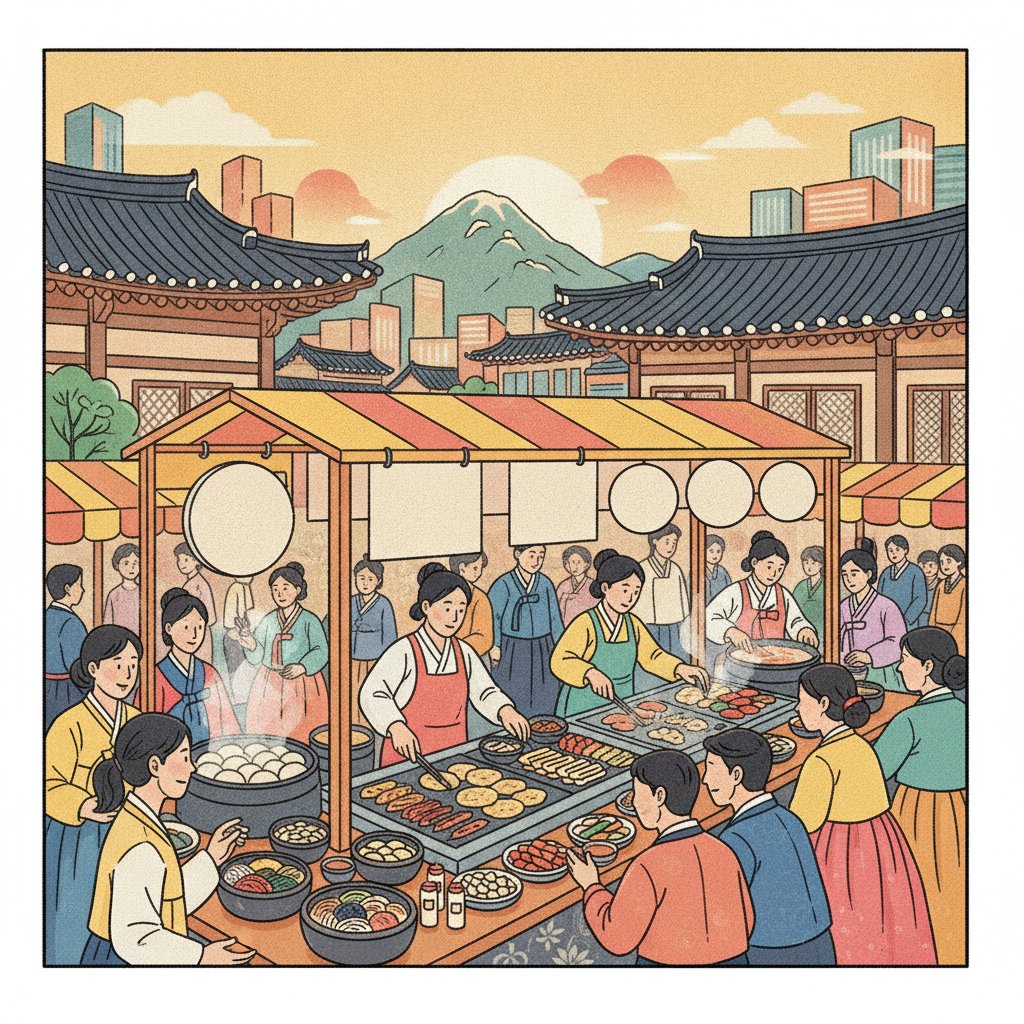
Gwangjang Market Food: A Local’s Guide to Authentic Street Eats in Seoul
At a glance
- In shortA guide to popular traditional street eats, pricing, and subway access at Gwangjang Market in Seoul.
- Best forTravelers seeking authentic street eats in Seoul
- WhereSeoul
- Key pointsBindaetteok mung bean pancakes are traditionally paired with Makgeolli wine. · Mayak Gimbap features bite-sized rolls served with a mustard dipping sauce. · Gwangjang Market is easily accessible via Line 1 Jongno 5-ga Station Exit 8.
- Heads-upUse KakaoMap or Naver Map to check the best local bus routes to the market.
Gwangjang Market Food: A Local’s Guide to Authentic Street Eats in Seoul
Annyeonghaseyo, food lovers! As a Korean, few places fill me with as much nostalgia and excitement as Gwangjang Market (광장시장). It’s not just one of Seoul’s oldest and largest traditional markets; it’s a living, breathing testament to Korea’s vibrant culinary culture. If you’re looking to experience authentic Gwangjang Market food the way locals do, you’ve come to the right place. Forget the tourist traps – today, we’re diving deep into the real flavors and experiences that make Gwangjang Market a true gem.
While many visitors flock to Myeongdong or Hongdae for trendy cafes and restaurants, Gwangjang Market offers something far more visceral: the comforting smells of sizzling pancakes, the vibrant colors of fresh ingredients, and the boisterous chatter of vendors and diners. It’s a place where tradition meets deliciousness, and every corner holds a new culinary adventure. Let’s explore!
Getting to Gwangjang Market: Your First Step to Food Heaven
Gwangjang Market is centrally located and incredibly easy to reach by public transportation, which is always my preferred way to get around Seoul. Navigating the subway or bus system is a breeze, even for first-time visitors.
By Subway: The Easiest Way
- Jongno 5(o)-ga Station (종로5가역): Take Line 1 and use Exit 8. This exit puts you right at the market’s entrance, surrounded by the delicious aromas you’re about to enjoy.
- Euljiro 4(sa)-ga Station (을지로4가역): Take Line 2 or 5. If you come out of Exit 4, you’ll be just a short walk away from the market’s southern entrance, leading you directly into the food alley.
By Bus: A Scenic Route (and Great for People-Watching!)
Many bus routes also stop near Gwangjang Market. Look for buses that stop at ‘Gwangjang Market’ or ‘Jongno 5-ga’ stations. Depending on where you’re coming from, a bus might offer a more direct route and a chance to see more of the city above ground. Just check your preferred navigation app (like KakaoMap or Naver Map) for the best route from your location.
Why Gwangjang Market is a Must-Visit for Authentic Korean Food
As a Korean, I genuinely believe Gwangjang Market offers an unparalleled street food experience. It’s not just about the food; it’s about the atmosphere. The market is bustling, with vendors passionately preparing dishes right in front of you. You sit shoulder-to-shoulder with locals, sharing stories (or at least smiles!) over steaming bowls of noodles or crispy pancakes. It’s an immersive experience that tells a story of Korea’s culinary soul.
Here, you’ll find dishes that have been perfected over generations, using recipes passed down through families. It’s where grandmothers still run stalls, their hands expertly crafting food that tastes exactly like home. This authenticity is why Gwangjang Market food stands out from many other eating experiences in Seoul.
What Locals Actually Eat at Gwangjang Market: Your Food Checklist!
Alright, let’s get to the good stuff! While there’s a dazzling array of dishes, some are undeniably Gwangjang Market specialties, beloved by Koreans for decades. Here are the must-try items, focusing on what you’ll find locals lining up for:
1. Bindaetteok (Mung Bean Pancakes) – The Iconic Dish
If there’s one dish synonymous with Gwangjang Market, it’s Bindaetteok. These savory pancakes, made from ground mung beans, various vegetables (like gosari – bracken fern and bean sprouts), and sometimes minced meat, are fried until golden and crispy on the outside, soft and flavorful on the inside.
- The Experience: You’ll hear the sizzle and smell the frying oil from a mile away. Watch as vendors ladle the thick batter onto large, hot griddles, creating perfectly circular pancakes. Many stalls have been making Bindaetteok the same way for generations, using stone grinders for the mung beans to ensure that traditional texture.
- How Locals Eat It: We love to eat Bindaetteok straight off the griddle, piping hot! Dip it into the accompanying soy-vinegar sauce (which often has sliced onions or chilis) for an extra tangy kick. But here’s the real local secret: pair it with a refreshing glass of Makgeolli (막걸리), a milky, slightly effervescent traditional Korean rice wine. The rich, savory pancake with the crisp, sweet-and-sour makgeolli is a match made in heaven. As a Korean, I can tell you, this is the ultimate comfort food pairing, especially on a chilly day.
- What to Look For: Most Bindaetteok stalls will be busy. Just find an empty seat at a communal table and order. You can often choose between a plain Bindaetteok or one with a bit more meat. Prices usually range from 8,000–15,000 won per pancake, depending on the size and ingredients.
2. Mayak Gimbap (마약김밥) – The Addictive Rolls
Don’t be alarmed by the name! ‘Mayak’ literally means ‘drug,’ but here it just implies how incredibly addictive and delicious these small gimbap rolls are. Unlike regular gimbap, which are larger and sliced, Mayak Gimbap are thin, finger-sized rolls of rice, carrots, and sometimes spinach, tightly wrapped in gim (seaweed).
- The Experience: What makes them so ‘addictive’ is the special dipping sauce: a blend of soy sauce, mustard, and often sesame seeds. It’s simple yet incredibly flavorful.
- How Locals Eat It: You pop these little rolls into your mouth, dip them into the zesty sauce, and before you know it, you’ve eaten a whole plate. They are perfect for snacking and light enough to leave room for other dishes. They are also incredibly popular among kids and adults alike.
- What to Look For: Several stalls specialize in Mayak Gimbap. Look for the stalls with neat piles of small gimbap rolls and a bright yellow mustard sauce. A plate usually costs around 3,000–5,000 won.
3. Kalguksu (칼국수) & Sujebi (수제비) – Hand-Cut Noodles & Hand-Pulled Dough Soup
While many markets offer noodles, Gwangjang Market’s Kalguksu and Sujebi have gained international fame, partly thanks to Netflix’s ‘Street Food: Asia’ series featuring the incredible chef Cho Yon-soon. But long before Netflix, these noodle soups were a local favorite.
- The Experience: Kalguksu features knife-cut wheat flour noodles in a rich, savory broth (often anchovy-based), topped with various ingredients like zucchini, kimchi, and seaweed. Sujebi is similar but uses hand-pulled dough flakes instead of noodles, giving it a wonderfully chewy texture. Watching the vendors expertly knead and cut (or pull) the dough right in front of you is part of the charm. The broth is usually light yet deeply flavorful, perfect for a comforting meal.
- How Locals Eat It: Served hot, often with a side of kimchi or radish kimchi (kkakdugi). You slurp up the noodles and the delicious broth. Don’t be shy about making noise – it means you’re enjoying it! These are hearty, filling bowls, especially welcome during colder months.
- What to Look For: There are several excellent noodle stalls. The one featured on Netflix is very popular, but you’ll find other equally delicious options throughout the market. Prices typically range from 6,000–10,000 won per bowl.
4. Yukhoe (육회) & Sannakji (산낙지) – Raw Beef Tartare & Live Octopus
For the adventurous eater, or anyone who appreciates fresh ingredients, Gwangjang Market’s Yukhoe Alley is a must-visit. This specific section of the market is dedicated to these fresh, raw delicacies. This is a true local specialty, especially for celebrations or when friends gather for a drink.
- Yukhoe (Raw Beef Tartare): Finely julienned raw beef seasoned with sesame oil, garlic, soy sauce, and sometimes a hint of sugar, often served with a raw egg yolk on top and crisp Korean pear slices underneath. The quality of the beef here is exceptional, incredibly fresh, and tender.
- Sannakji (Live Octopus): While it sounds intimidating, Sannakji is a dish of fresh baby octopus, chopped into bite-sized pieces and immediately served, still wriggling. It’s seasoned with sesame oil and salt. The key is to chew thoroughly due to the suction cups.
- The Experience: These dishes are all about freshness. You’ll see the vendors preparing them to order. The Yukhoe is wonderfully tender and savory, while Sannakji offers a unique textural experience.
- How Locals Eat It: Both are usually shared among friends, often accompanied by soju. The delicate flavors of the Yukhoe pair well with the soju, while Sannakji is a conversation starter!
- What to Look For: Head to the dedicated Yukhoe alley. You’ll see numerous restaurants with tanks of live octopus and displays of fresh beef. Prices for Yukhoe are usually around 15,000–30,000 won, and Sannakji can be similar.
5. Tteokbokki (떡볶이) & Eomuk (어묵) – Spicy Rice Cakes & Fish Cakes
No trip to a Korean market is complete without indulging in the classic street food duo: Tteokbokki and Eomuk. Gwangjang Market has plenty of stalls serving up these beloved staples.
- Tteokbokki: Chewy cylindrical rice cakes simmered in a vibrant, sweet, and spicy gochujang (chili paste) sauce, often with fish cakes and sometimes boiled eggs or scallions.
- Eomuk: Skewered fish cakes served in a clear, savory broth. Perfect for warming up, especially on a cold day.
- The Experience: These are quintessential Korean comfort foods. The Tteokbokki here might be slightly spicier or sweeter than what you find elsewhere, reflecting the vendor’s unique recipe.
- How Locals Eat It: Grab a skewer of eomuk, drink some of the broth from a paper cup, and then dig into a plate of Tteokbokki. Many locals also enjoy dipping other street foods, like fried items (twigim) into the Tteokbokki sauce.
- What to Look For: You’ll find Tteokbokki and Eomuk at almost every food stall. Look for the large steaming vats of red sauce and fish cakes. A serving of Tteokbokki is typically 3,000–5,000 won, and Eomuk skewers are usually 1,000–2,000 won each.
6. Sundae (순대) – Korean Blood Sausage
For the more adventurous foodies, Sundae is a very popular Korean street food, particularly in traditional markets. It’s a type of blood sausage, typically made by boiling or steaming pig’s intestines stuffed with a mixture of cellophane noodles, barley, and pig’s blood, along with various other ingredients.
- The Experience: It might sound daunting, but Sundae has a unique, savory, and slightly earthy flavor with a chewy texture. At Gwangjang Market, it’s often served sliced, sometimes alongside boiled pig’s liver and lung (gan and heopa), which are equally popular.
- How Locals Eat It: It’s usually dipped in salt mixed with pepper, or sometimes in the spicy Tteokbokki sauce for an extra kick. Many Koreans enjoy Sundae as a snack with soju.
- What to Look For: Keep an eye out for stalls displaying large coils of Sundae. A plate is usually around 5,000–8,000 won.
Local Etiquette & Tips for Enjoying Gwangjang Market Food
To fully embrace your Gwangjang Market food adventure, here are a few tips from a local:
- Finding a Seat: Don’t wait to be seated. If you see an empty spot at a communal table, just grab it! The vendors will notice you. Be prepared to sit shoulder-to-shoulder with strangers – it’s part of the fun.
- Ordering: Most vendors don’t speak fluent English, but many have picture menus or display their dishes clearly. Pointing is perfectly acceptable, and a simple ‘Igeoyo’ (이거요 – ‘This one, please’) combined with pointing will work wonders. Don’t be afraid to ask for ‘menu’ if you need it.
- Payment: At most street food stalls, you pay after you’ve finished eating. They’ll keep track of your order. While many places now accept card payments, cash is always a safe bet and often preferred for smaller transactions.
- Sharing is Caring: It’s common for groups to order several dishes and share them, allowing everyone to try a variety of foods. This is the best way to experience the diversity of Gwangjang Market food.
- Best Time to Visit: Weekdays are generally less crowded than weekends. If you want to avoid the peak lunch (12-2 PM) and dinner (6-8 PM) rushes, consider going mid-morning (10-11 AM) or in the late afternoon (3-5 PM). The market usually opens early and closes late, but individual food stalls might have slightly different hours.
- Portion Sizes: Street food portions are generally smaller and more affordable, encouraging you to try many different things.
- Embrace the Atmosphere: Gwangjang Market can be loud, bustling, and a little chaotic – but that’s its charm! Don’t expect pristine, quiet dining. Embrace the lively energy, the smells, and the sounds.
Beyond the Food: A Traditional Market Experience
While the food is undoubtedly the main draw, Gwangjang Market is still a functioning traditional market. As you walk through, you’ll see sections dedicated to textiles (it’s famous for hanbok fabric), dried goods, household items, and traditional Korean snacks. Take a moment to wander through these alleys; it’s a fascinating glimpse into everyday Korean life.
Before You Go: A Quick Reminder
Market hours and individual stall operating times can vary, and prices are always subject to change. While I’ve provided general ranges, I strongly recommend checking current operating hours and specific prices online or upon arrival to avoid any disappointment. A quick search on Naver Map or KakaoMap will often give you the most up-to-date information for specific vendors.
Final Thoughts from a Local
Gwangjang Market isn’t just a place to eat; it’s an experience. It’s where you can truly connect with the heart and soul of Korean culinary traditions. From the sizzling Bindaetteok to the addictive Mayak Gimbap, every bite tells a story. So, put on your walking shoes, bring your appetite, and prepare for an unforgettable journey through the authentic Gwangjang Market food scene. I hope you enjoy it as much as I always do!
Happy eating, and until next time!
✈️ Book your trip to Korea — hotels, flights & more
More on Seoul Neighborhoods & Attractions
- HIDE AND SEEK Ssamzigil K-Pop Escape RoomGuide to visiting HIDE AND SEEK Ssamzigil, an escape room featured on TO DO X TXT in Seoul.
- Youngchive Seongsu Self-Photo Studio GuideA guide to Youngchive Seongsu self-photo studio, its exclusive booths, and the surrounding neighborhood.
- Seoul Mountain Climbing & Culture CenterGuide to visiting Seoul's Mountain Climbing & Culture Center, covering facilities, fees, and directions.
See every Seoul Neighborhoods & Attractions post in our K-Travel guide.
Handy toolsKorea travel essentials · Trip budget calculator · Korea Guide Finder
Keep Reading
- Seoul Cruise (서울크루즈): Your Local’s Guide to Unforgettable River Journeys
- Myeongdong vs. Hongdae: Choosing Your Perfect Seoul Base
- Songhyeon Green Plaza (열린송현 녹지광장): A Local’s Guide
- Finding Bathrooms and Trash Cans in Seoul Like a Local
🎟️ Popular tours & experiences in Korea
Klook.com