Ikseon Dong Cafes Seoul: How to Explore the Hanok Alleyways
Most tourists head straight into Ikseon-dong around 2:00 PM on a Saturday afternoon, only to spend an hour waiting in a slow-moving line along an alleyway barely wide enough for two people to walk side by side. As a Korean who has watched this neighborhood evolve from a quiet, aging residential cluster into one of the city’s most densely packed aesthetic hubs, I always tell my visiting foreign friends that timing and route planning make all the difference here.
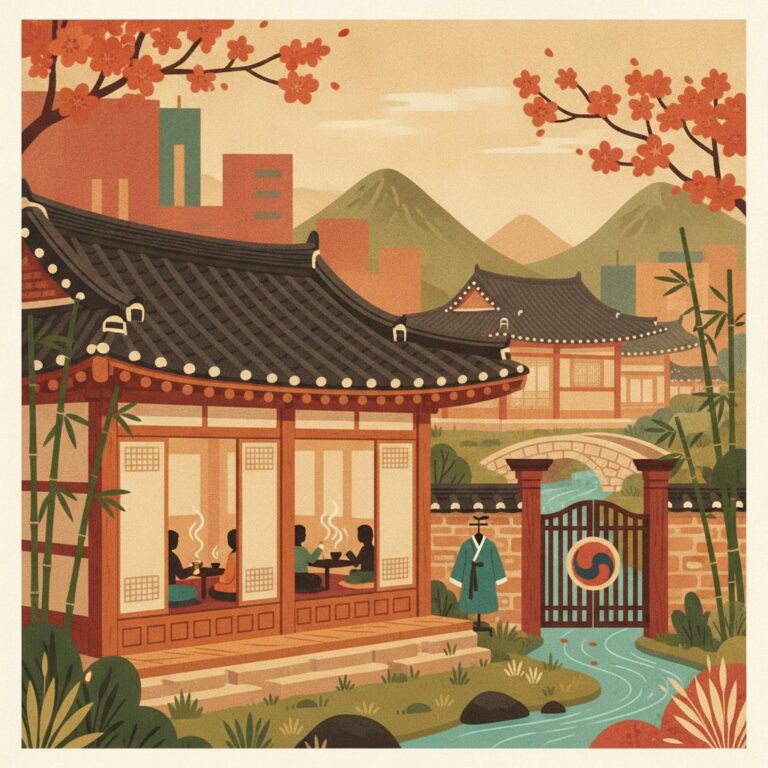
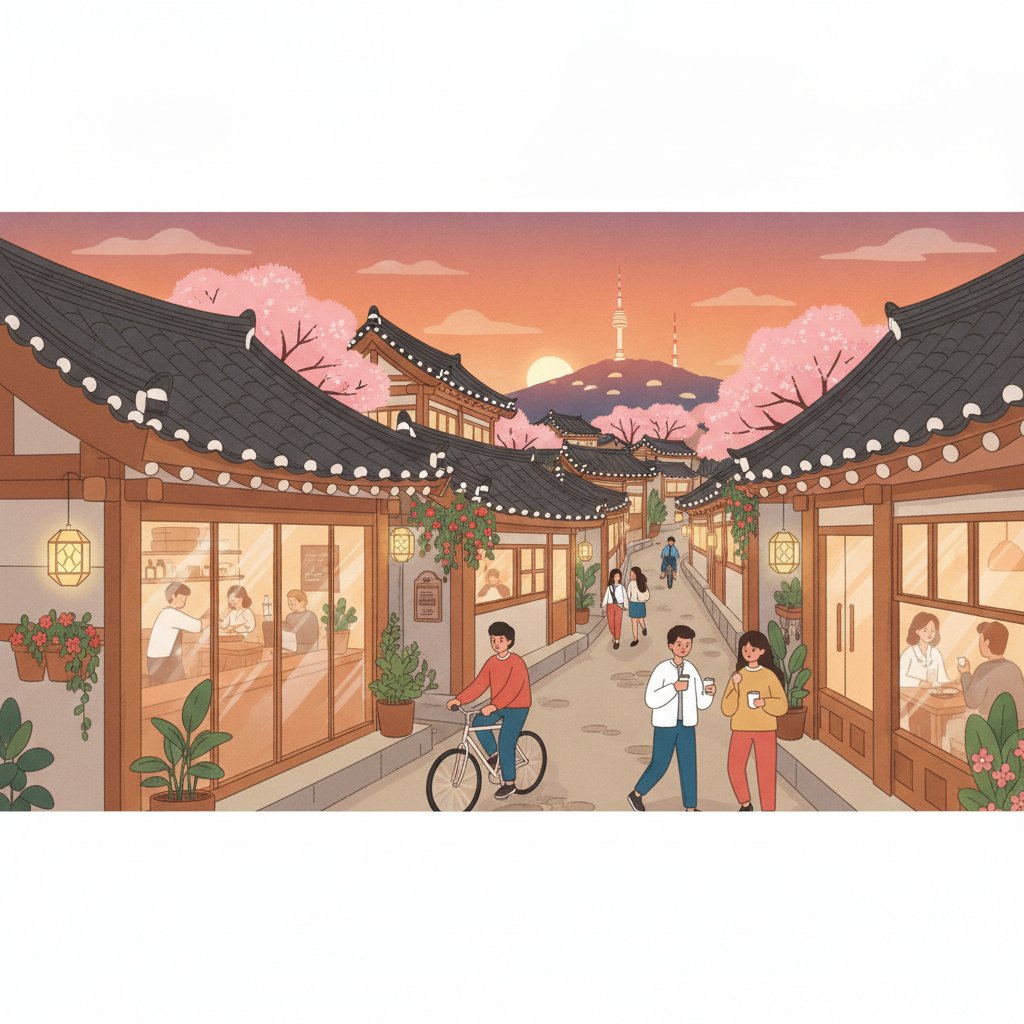
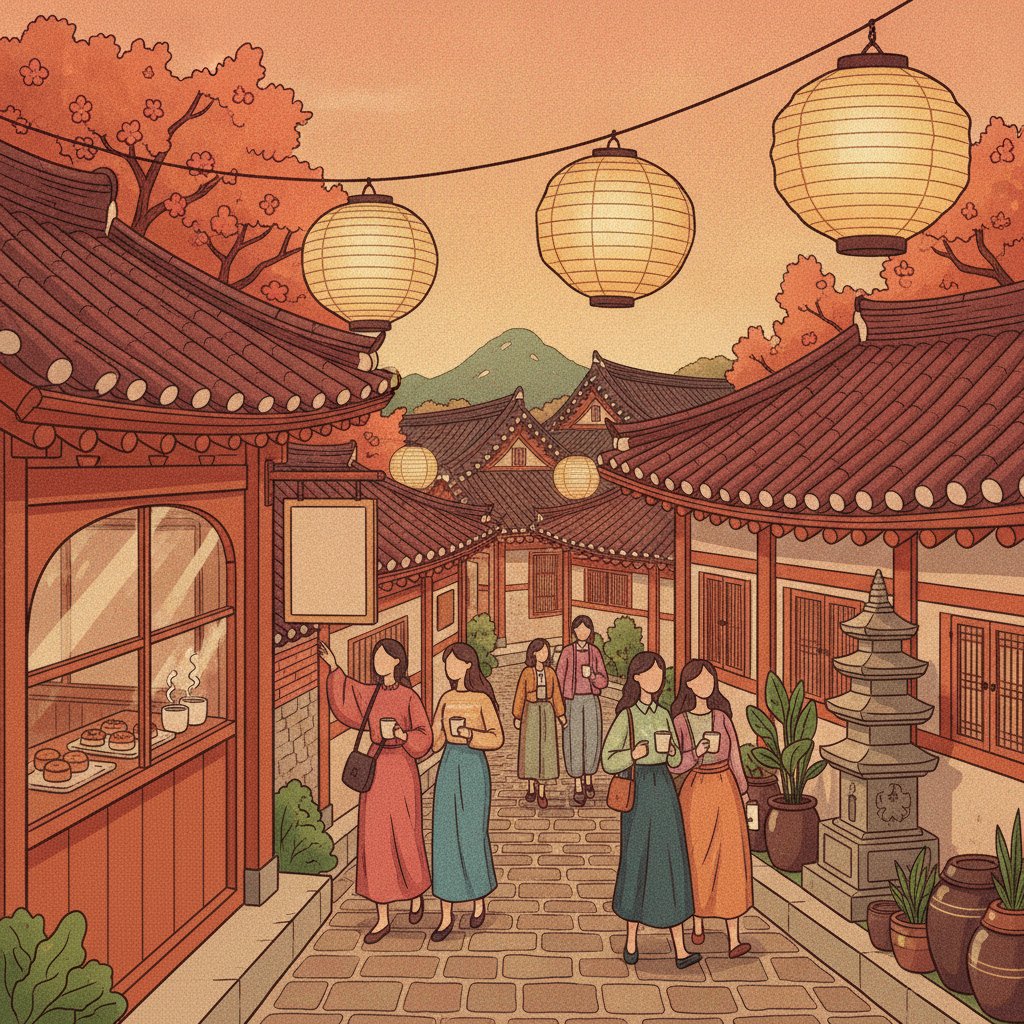
Built in the 1920s by Korean developer Jeong Se-gwon, Ikseon-dong (익선동) was originally designed as an affordable Hanok (traditional Korean house) housing estate for working-class residents during the Japanese colonial period. Unlike the grand, sprawling traditional homes of noble families in Bukchon Hanok Village, the structures here feature smaller footprints, lower tiled roofs, and compact central courtyards. Today, creative entrepreneurs have retrofitted these century-old wooden frames with glass ceilings, ambient water features, modern espresso machines, and artisanal bakeries, creating an incredible mix of traditional architecture and modern Korean cafe culture.
How to Reach Ikseon-dong and Navigate the Maze
Finding the neighborhood is straightforward, but navigating inside can feel like entering a labyrinth. The main entry point is Jongno 3-ga Station (종로3가역), which connects Subway Lines 1, 3, and 5. Because Jongno 3-ga is a massive transfer station, choosing the correct exit saves you a ten-minute underground trek.
- Subway Line 5 (Fastest route): Take Exit 4. Cross the small street directly in front of you, and you will see the narrow entrance to Ikseon-dong’s northern alleyways within 30 seconds.
- Subway Lines 1 and 3: Take Exit 6. Turn right immediately upon exiting, walk past the open-air street food carts (Pojangmacha), and turn left into the first major alleyway.
Once you step inside, drop your navigation app for a moment. The streets in Ikseon-dong are laid out in a grid of narrow web-like passageways. You cannot get lost in a dangerous way—the entire district covers only a few block radii—but you can easily walk past a venue three times without realizing it because the street signs are subtle and blended into wooden pillars.
✈️ Book your trip to Korea — hotels, flights & more
What Makes Ikseon Dong Cafes in Seoul So Unique?
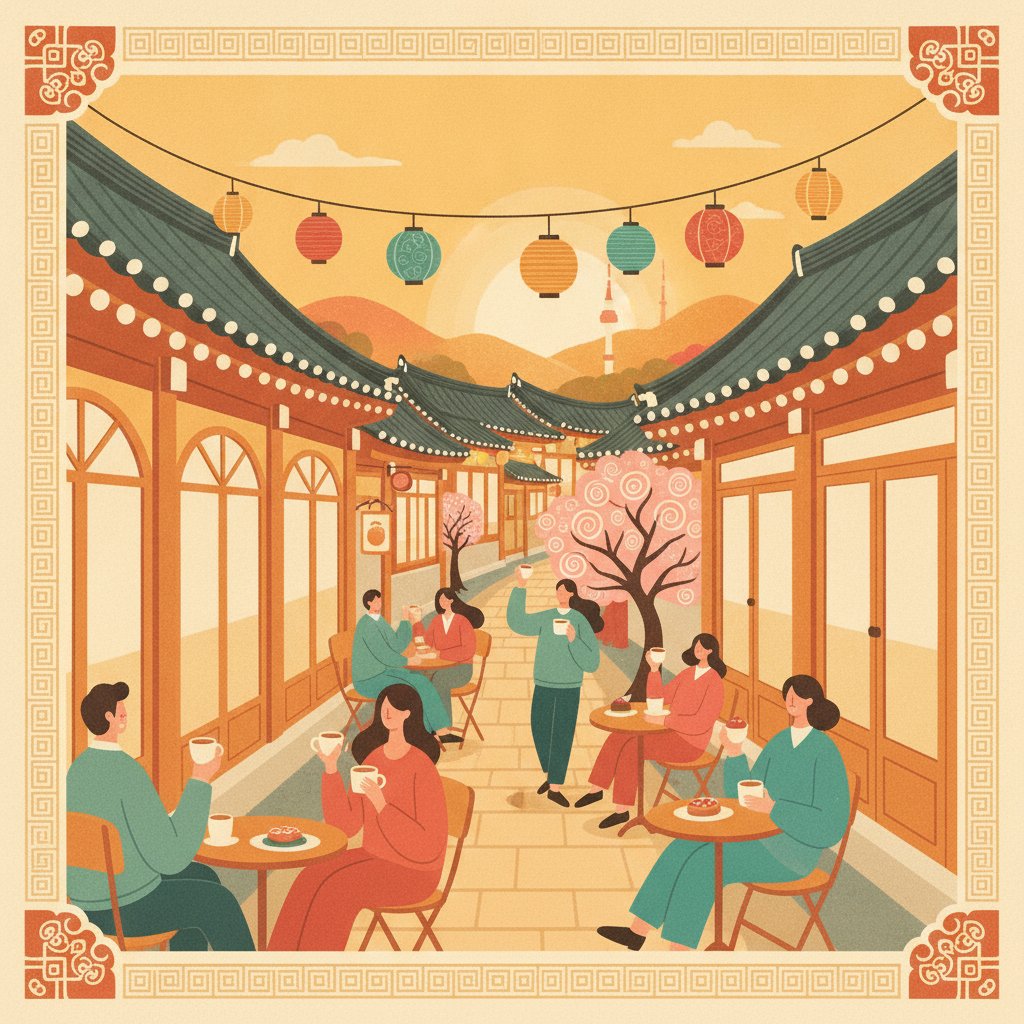
The cafe landscape here is defined by immersive atmosphere. Korean cafe designers do not just decorate a room; they build theatrical spaces designed to engage all five senses. When you step through the threshold of a modern Hanok venue, you often walk across stone pathways, past dripping water features or steaming bamboo baskets, into spaces lit by soft lantern light.
1. Hanok Bakery and Steam Cafes
Warm bakery concepts thrive in this aesthetic. Several spots specialize in soft, thick soufflé pancakes cooked slowly on iron griddles, while others feature custom steam boxes right at the counter where loaves of plain, cheese, or chestnut bread are steamed fresh to order. Walking through these spaces, you will smell freshly ground espresso beans combined with rich butter and toasted grains.
2. Modern Tea Houses and Specialty Brews
If coffee isn’t your primary preference, Ikseon-dong excels at modernizing traditional Korean tea culture. You will find places serving warm mugwort (쑥) lattes, roasted soybean powder (인절미) desserts, plum teas, and cold-brewed green teas served over carved ice spheres. The juxtaposition of ancient Korean ingredients served in minimalist glass vessels against raw pine beams reflects contemporary Seoul design at its best.
3. Concept-Driven Immersive Spaces
Some establishments build full interior ecosystems. It is common to find cafes built around miniature indoor railways with miniature trains delivering desserts, glowing paper lantern gardens, or indoor streams filled with swimming koi fish beneath glass walkways. These spaces prioritize visual pacing, giving you something fascinating to look at from every angle.
Understanding Cafe Pricing and Budgeting
Because Ikseon-dong is a high-demand cultural district, prices sit slightly above the standard Seoul neighborhood average. Coffee and dessert here reflect both artisanal preparation and the premium of sitting inside meticulously preserved heritage buildings.
As a general guideline, expect the following price ranges when planning your visit:
- Standard Espresso Drinks (Americano, Latte): Typically run between 6,000 to 8,500 KRW (roughly $4.50 to $6.50 USD).
- Signature Specialty Drinks (Cream Lattes, Tea Infusions): Usually range from 7,500 to 9,500 KRW (roughly $5.50 to $7.20 USD).
- Plated Desserts & Soufflé Pancakes: Typically cost between 14,000 to 23,000 KRW (roughly $10.50 to $17.50 USD), though many dessert portions are designed to be shared between two people.
Keep in mind that prices vary depending on the specific venue and seasonal menu updates. Most cafes require every adult in your party to order at least one drink or main item to secure table seating.
🎟️ Popular tours & experiences in Korea
Klook.comOverview of Cafe Styles in Ikseon-dong
| Cafe Style | Signature Menu Style | Best Visit Time |
|---|---|---|
| Soufflé & Bakery | Warm steamed bread, fluffy soufflé pancakes | 11:30 AM (At Opening) |
| Aesthetic Hanok | Cream lattes, matcha, cake slices | 2:00 PM – 4:00 PM |
| Traditional Tea | Mugwort lattes, herbal teas, rice cakes | 5:00 PM – 7:00 PM |
Local Practical Tips: Lines, Waitlists, and Payment
Visiting popular places without a plan can mean wasting hours standing on cobblestones. Here is how locals navigate the crowds efficiently.
Handling the Waiting Systems
Many of the most famous establishments use digital queueing tablets stationed near their front doors, such as CatchTable. Here is how to handle them:
- If you have a local Korean SIM card: Enter your Korean mobile phone number on the tablet outside the door, select your party size, and you will receive a KakaoTalk notification when your table is nearly ready. You can wander nearby shops while waiting.
- If you only have international roaming or data-only eSIMs: Look for staff near the entrance. Many cafes will manually enter an email address or hand you a physical numbered ticket if you explain that you do not have a local phone number.
- The ultimate local trick: Visit right when venues open, typically between 11:00 AM and 11:30 AM, or late in the evening after 7:30 PM when the dinner crowds move to local barbecue restaurants nearby.
Payment Methods
Cash is rarely used in Korean cafes today. Virtually all venues in Ikseon-dong prefer foreign credit cards (Visa and Mastercard are universally accepted). Contactless payments via mobile devices work frequently, but carrying a physical chip-enabled card is always recommended to ensure smooth transactions.
Building a Full Day Itinerary Around Ikseon-dong
Because Ikseon-dong is located in the historical heart of Seoul, combining your cafe hopping with surrounding cultural sites is easy and efficient. As a Korean, this is the exact walking route I take foreign guests on:
Morning: Royal Architecture
Start your morning at Changdeokgung Palace (창덕궁), located just a 10-minute walk northeast of Ikseon-dong. If you reserve tickets in advance via official tourism resources or booking platforms like Klook, you can tour the Secret Garden (Huwon), which offers incredible seasonal views.
Midday: Ikseon-dong Lunch and Cafe Hopping
Head into Ikseon-dong around 11:30 AM. Grab a casual lunch—either modern fusion pasta or traditional hand-cut noodles (Kalguksu)—and then step straight into your primary choice of Hanok cafe before the afternoon rush peaks around 2:00 PM.
Late Afternoon: Insadong Crafts and Shopping
Exit Ikseon-dong to the west, cross the main boulevard, and enter Insadong (인사동). Here you can browse traditional paper shops, ceramic art, and tea accessories, or pick up K-beauty essentials at major stores like Olive Young.
FAQ
🎟️ Popular tours & experiences in Korea
Klook.comFrequently Asked Questions
What is the absolute best time to visit Ikseon-dong cafes to avoid long crowds?
The best time to visit is on a weekday morning between 11:00 AM and 12:00 PM right as venues open. Weekend afternoons between 1:30 PM and 5:30 PM are extremely crowded, so visiting early or after 7:30 PM guarantees a much more relaxed environment.
Can I visit Ikseon-dong cafes alone, or do I need a group?
Solo visitors are completely welcome. While large soufflé pancakes are sized for sharing, almost all cafes offer individual beverage orders, pour-over options, and single-portion desserts suitable for solo travelers.
Are the narrow streets of Ikseon-dong accessible for strollers and wheelchairs?
While the main alleys are paved flat, they are narrow and can become heavily congested. Additionally, because these cafes are housed in historic Hanok structures, many feature raised wooden thresholds, narrow doorway steps, and compact seating layouts that can make maneuvering heavy strollers or wheelchairs challenging.
Keep Reading
- Euljiro Nogari Alley (을지로 노가리골목): A Local’s Guide
- Seongbuk-dong–Bukchon Hanok Village Course (성북동고택북촌산책길): A Local’s Guide
- Seoul Mountain Climbing & Culture Center (산악문화체험센터): A Local’s Guide
- Hallyu Self-Photos at Youngchive Seongsu (영카이브 성수점)
🎟️ Popular tours & experiences in Korea
Klook.com