Soju and Korean Drinking Culture: What to Know
This post contains affiliate links. As an Amazon Associate, we earn from qualifying purchases at no extra cost to you.
At a glance
- In shortCovers soju types, Korean drinking etiquette, buying locations, and food pairings.
- Best forTravelers looking to learn Korean drinking etiquette
- WhereNationwide
- Key pointsNever pour your own drink and use two hands when pouring for elders. · Turn your head away from elders or superiors when taking a shot. · Soju is paired with food called anju and sold at convenience stores.
- Heads-upYou must be at least 19 years old in international age to buy alcohol in Korea.
Your Essential Guide to Soju & Navigating Korean Drinking Culture: A Local’s Insights for Visitors
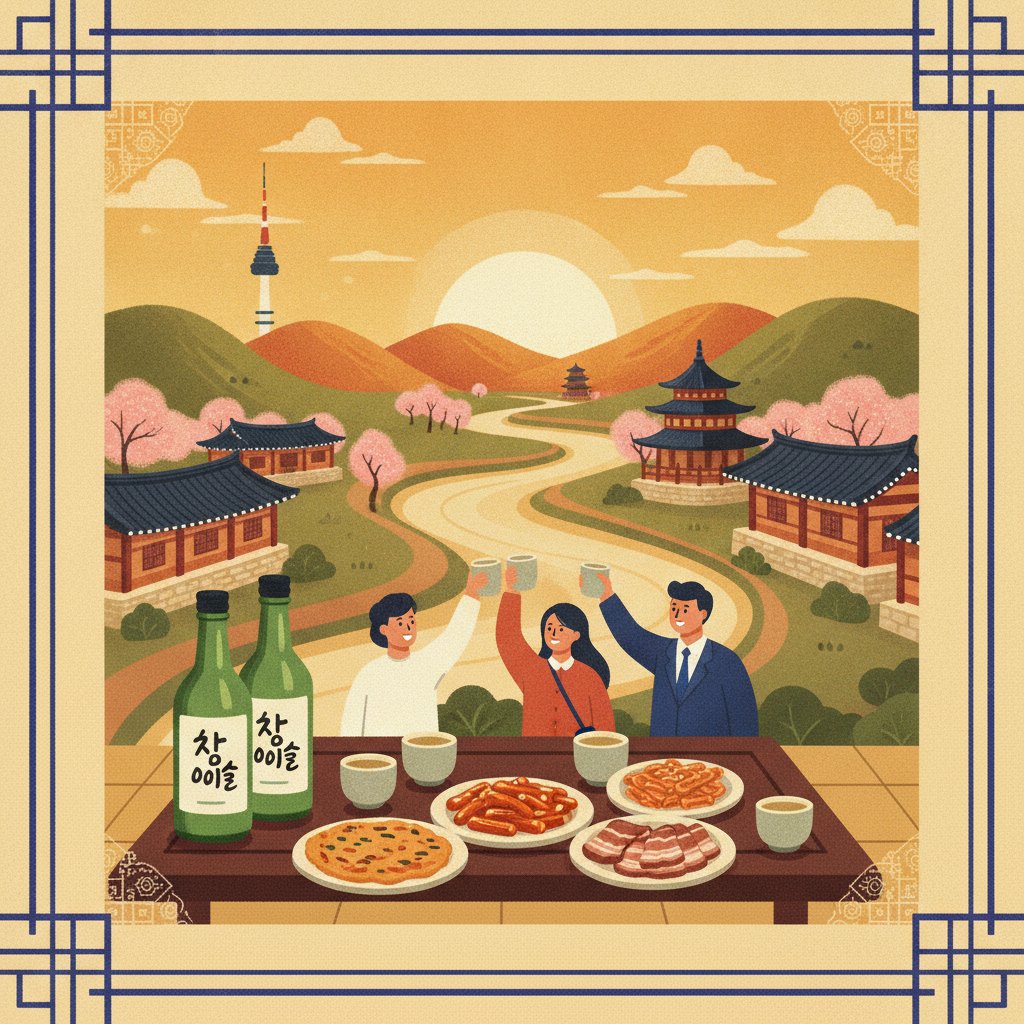
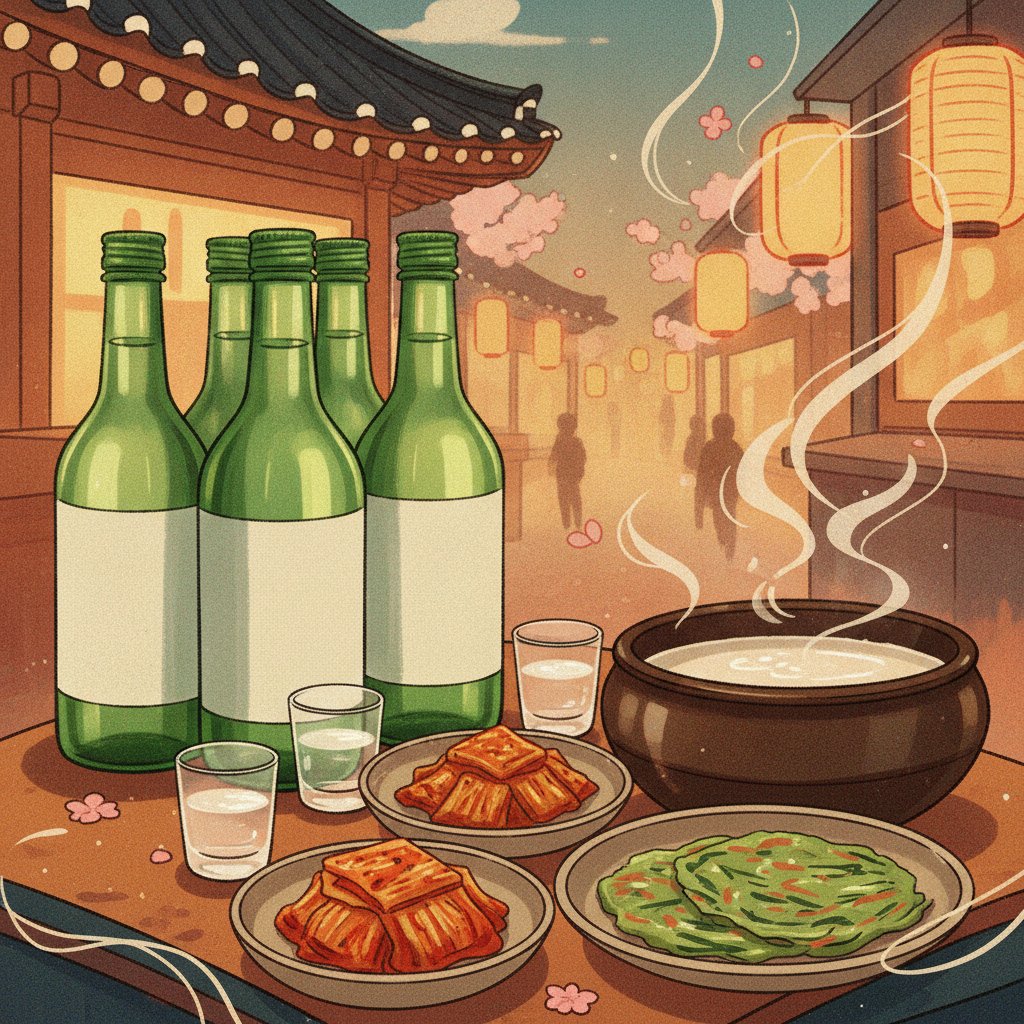
What to know about soju and Korean drinking culture is that this iconic green bottle represents far more than just a drink; it’s a cornerstone of social life and etiquette in Korea. Though you’ve likely encountered it in K-dramas or heard K-pop idols mention it, understanding soju’s intricate role—from pouring rituals to communal toasts—is essential for truly immersing yourself in our fundamental social fabric. This cultural nuance offers a deeper connection to Korean community life.
For us, drinking isn’t just about the alcohol itself; it’s about connection, camaraderie, and sharing moments. It’s an integral part of celebrating, commiserating, and simply unwinding after a long day. So, grab a hypothetical glass, and let me walk you through everything you need to know about soju and navigating our distinct drinking etiquette, making your experience in Korea even richer.
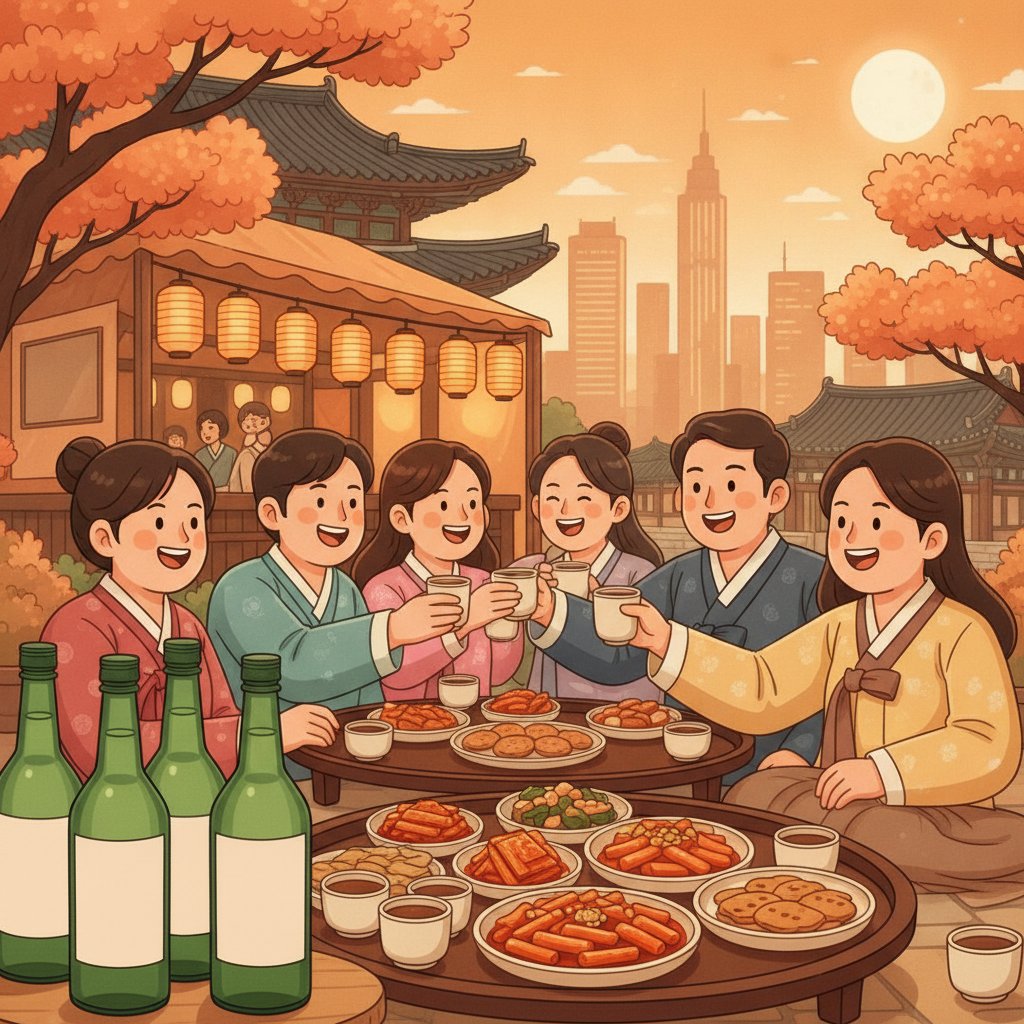
✈️ Book your trip to Korea — hotels, flights & more
What Exactly is Soju? Unpacking Korea’s Iconic Spirit
At its core, soju (소주) is a clear, distilled spirit, traditionally made from rice. However, modern soju often incorporates other starches like potato, wheat, or tapioca, making it more accessible and affordable. It’s often likened to vodka, but with a typically sweeter, less harsh profile. You’ll find it in distinctive green bottles almost everywhere you go.
Types of Soju You’ll Encounter
- Classic/Green Bottle Soju: This is the most common type. Brands like Chamisul (참이슬), Chum-Churum (처음처럼), and Jinro Isul TokTok (이슬톡톡) dominate the market. The alcohol content usually hovers around 16-21% ABV, making it less potent than many Western spirits but stronger than beer or wine.
- Fruit-Flavored Soju: A huge hit, especially with younger crowds and those new to soju, these come in a dizzying array of flavors – grape, peach, strawberry, grapefruit, and even yogurt. Their ABV is generally lower (around 12-14%), making them easier to drink.
- Premium/Traditional Soju: Less common but gaining popularity, these are often made with 100% rice and traditional distillation methods, sometimes aged. They tend to have higher ABV (25%+) and a smoother, more refined taste. Examples include Hwayo (화요) or Andong Soju (안동소주). These are usually found in specialty liquor stores or higher-end restaurants.
Navigating Korean Soju Drinking Culture: The Essential Etiquette
This is where the real fun – and potential for cultural faux pas – begins! Korean drinking culture is steeped in respect and hierarchy, especially concerning age and social status. Don’t worry, it’s not overly complicated, but observing these customs will earn you major points with your Korean friends.
Key Rules and Gestures to Remember
- The Pour: Always Pour for Others, Never for Yourself.
- It’s considered bad luck and impolite to pour your own drink. Your glass should always be filled by someone else, and you should always offer to fill others’ glasses.
- For Elders or Superiors: Always pour with two hands – one hand holding the bottle, the other gently supporting your pouring arm or elbow. Make sure their glass is never empty.
- For Friends/Peers: One hand is generally acceptable, but two hands are always a safe bet and show respect.
- Receiving a Drink: Show Your Respect.
- When someone, especially an elder or superior, pours for you, hold your glass with two hands – one hand holding the glass, the other supporting the bottom.
- If you’re receiving from a peer or younger person, one hand holding the glass is usually fine, but two hands never hurt!
- The Drink: Turn Away from Elders/Superiors.
- This is a big one! When taking a shot or a sip, especially from an elder or superior who has just poured for you, turn your head slightly away from them. This signifies respect and humility.
- With peers or younger friends, it’s not strictly necessary, but many still do it out of habit.
- Cheer! "Geonbae!" (건배!).
- Before the first drink, a toast is customary. The most common phrase is "Geonbae!" which means "Cheers!" or "Bottoms up!"
- Sometimes, people might say "Jjan!" (짠!) which is more like the clinking sound of glasses.
- Clink glasses gently, especially with elders. You might even try to clink your glass slightly lower than an elder’s as a sign of respect.
- Pacing and Pressure: "One Shot!"
- The "one shot" culture is strong in Korea. Often, when you toast, the expectation is to finish your glass in one go.
- However, don’t feel pressured to keep up if you can’t! It’s perfectly acceptable to sip, especially after the first few rounds. Just communicate your limits politely.
- As a local, I’ve learned to gauge the situation. Sometimes a "half-shot" (반샷) or just a sip is perfectly fine, especially if you have many rounds ahead!
🎟️ Popular tours & experiences in Korea
Klook.comWhere to Buy Soju: Your Local Shopping Guide
Buying soju in Korea is incredibly easy, thanks to its widespread availability. Remember, you must be at least 19 years old (international age) to purchase alcohol, and you may be asked for ID.
Here’s where you can typically find it:
1. Convenience Stores (편의점 – Pyeonuijeom)
- Brands: GS25, CU, 7-Eleven, E-Mart24, Ministop.
- What to Expect: These are everywhere! You’ll find a wide selection of classic green-bottle soju, various fruit-flavored soju, and sometimes smaller specialty bottles. They are open 24/7.
- Price Range: A standard green bottle of soju typically costs around 1,500 – 2,000 KRW (roughly $1.10 – $1.50 USD, though exchange rates fluctuate). Fruit soju might be slightly more.
- Local Tip: Many convenience stores have outdoor tables, making them popular spots for an impromptu drink with friends, especially in warmer weather. Grab some instant ramyeon and soju for an authentic experience!
2. Supermarkets (마트 – Mart)
- Brands: E-Mart, Lotte Mart, Homeplus, Hanaro Mart.
- What to Expect: Larger selection than convenience stores, including multipacks, different sizes, and occasionally premium soju or other Korean traditional liquors. Prices might be slightly lower per bottle if bought in bulk or during promotions.
- Price Range: Similar to convenience stores, perhaps 1,300 – 1,800 KRW per bottle for standard soju, but often with more sales or bulk discounts.
- Local Tip: If you’re staying longer or planning a party, a supermarket is your best bet for variety and potentially better value.
3. Restaurants and Bars (식당/술집 – Sikdang/Suljip)
- What to Expect: Almost every Korean restaurant, from BBQ joints to casual eateries, will serve soju. Bars (술집) will naturally have it too, often alongside beer and other spirits.
- Price Range: Expect to pay more than at a store, typically 4,000 – 6,000+ KRW per bottle (roughly $3 – $4.50 USD), depending on the establishment.
- Local Tip: This is where the true soju drinking culture comes alive. Soju is meant to be enjoyed with food (anju) and good company.
Anju (안주): Soju’s Perfect Companions
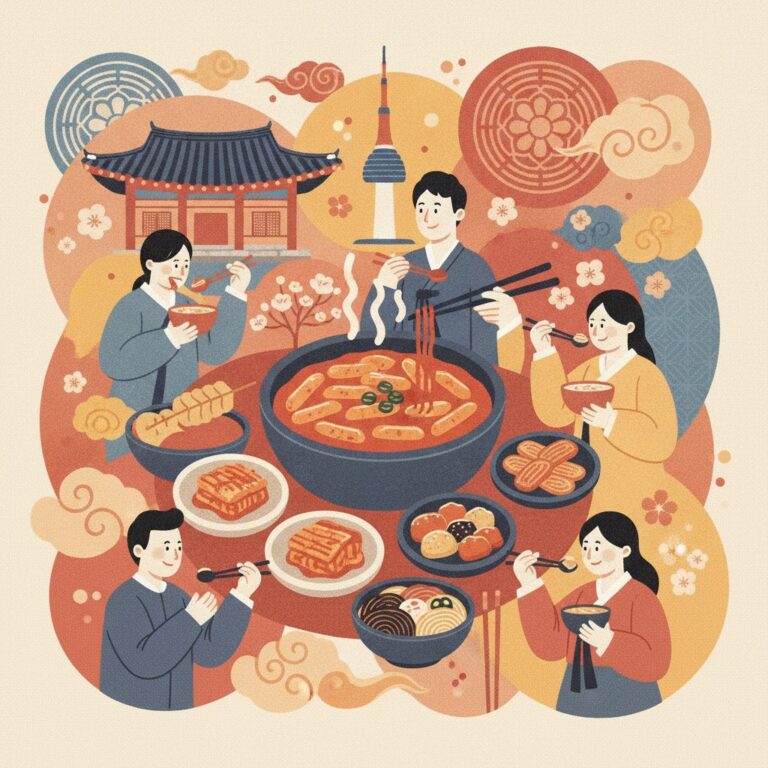
You absolutely cannot drink soju without anju! Anju are drinking snacks or dishes that complement the alcohol, and they are just as crucial to the Korean drinking experience as the soju itself. Think of them as more than just snacks; they’re often full meals designed to be shared.
Popular Anju Pairings:
| Anju Dish | Description & Why It Pairs Well |
|---|---|
| Samgyeopsal (삼겹살) | Grilled pork belly. The fatty, savory meat cuts through the clean taste of soju beautifully. A classic pairing! |
| Tteokbokki (떡볶이) | Spicy rice cakes. The fiery heat of tteokbokki is often 'cooled' by a shot of soju, creating a satisfying contrast. |
| Jeon (전) | Savory pancakes (e.g., pajeon – green onion, kimchi-jeon – kimchi). Perfect for a rainy day, the oily, savory goodness is a comforting match. |
| Chimaek (치맥) | Fried Chicken & Beer. While traditionally with beer, many also enjoy fried chicken with soju for its crispy, savory deliciousness. |
| Gukmul Tteokbokki (국물 떡볶이) / Odeng-tang (오뎅탕) | Soupy tteokbokki or fish cake soup. Warm, hearty broths are fantastic for warming up and are believed to help with hangovers. |
| Ramyeon (라면) | Instant noodles. A quick, easy, and satisfying option, especially at a convenience store. |
Beyond Soju: Other Korean Alcohols to Explore
While soju holds the top spot, don’t miss out on trying some other fantastic Korean alcoholic beverages:
- Makgeolli (막걸리): A milky, sweet, and slightly effervescent rice wine. It’s lower in alcohol (around 6-8% ABV) and often enjoyed in a bowl rather than a glass. It has a unique tangy, creamy texture.
- Cheongju (청주): A clear, refined rice wine, often considered Korea’s answer to sake. It’s usually sweeter and smoother than soju, with a delicate aroma. Think of it as a more elegant choice.
- Korean Beer (맥주 – Maekju): Hite, Cass, and Terra are popular lagers. Many locals enjoy a "so-maek" (소맥) – a mix of soju and beer – for a balanced buzz.
Experiencing Korean Drinking Culture in Action
To truly grasp Korean drinking culture, you need to experience it firsthand in different settings. Here are some common venues:
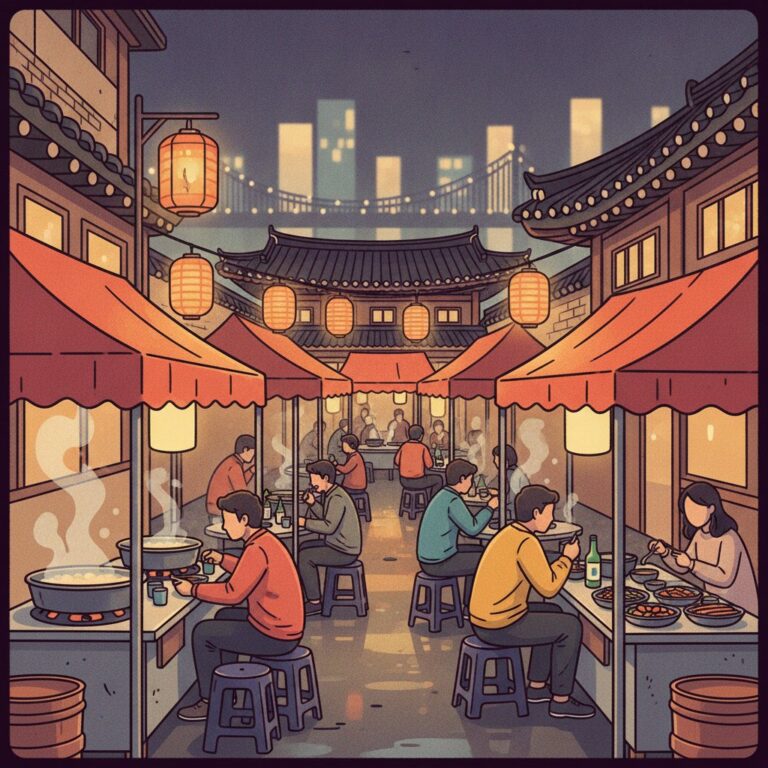
- Pocha (포차) / Street Tents: These iconic orange (or clear plastic) street tents are a quintessential Korean experience. They offer a cozy, lively atmosphere with delicious anju and plenty of soju. It’s often where the deepest conversations happen.
- Hof (호프) / Beer Pubs: While the name suggests beer, hoppen often serve soju too. They’re typically casual spots for friends to gather, often featuring fried chicken or other popular anju.
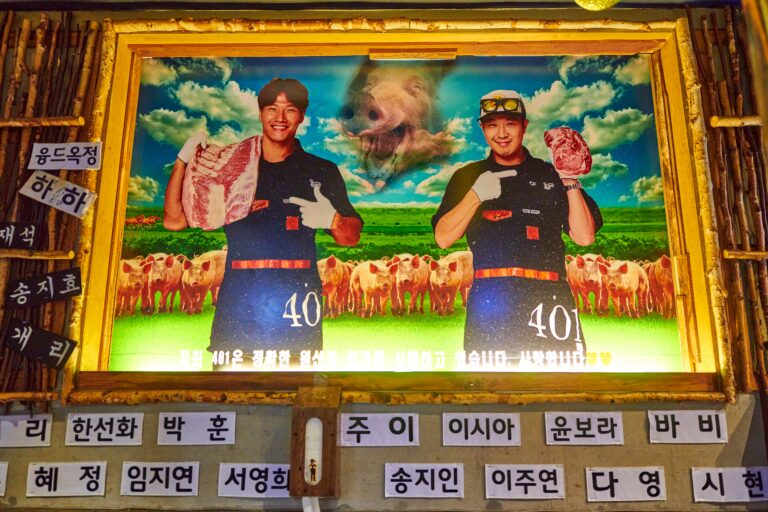
- Korean BBQ Restaurants (고깃집 – Gogitjip): The ultimate setting for soju! Grilling meat, sharing stories, and clinking soju glasses is a timeless ritual.
- Noraebang (노래방) / Singing Rooms: After a few rounds of drinks, it’s common to head to a noraebang to sing your heart out. Many noraebangs also serve alcohol.
- Convenience Store Tables: As mentioned, don’t underestimate the charm of a late-night soju and ramyeon session at a convenience store’s outdoor tables. It’s a casual, budget-friendly way to enjoy the atmosphere.
🎟️ Popular tours & experiences in Korea
Klook.comPractical Tips for Visitors from a Local
To ensure you have a fantastic and safe experience, here are a few pointers from me:
- Pace Yourself: Soju can creep up on you! Don’t feel compelled to match everyone shot for shot. It’s perfectly okay to sip or even politely decline a round if you’ve had enough. A simple "저는 괜찮습니다" (Jeoneun gwaenchanhseumnida – "I’m okay/fine") or "천천히 마시겠습니다" (Cheoncheonhi masigessseumnida – "I’ll drink slowly") usually suffices.
- Hydrate: Drink plenty of water between rounds. It’s readily available at most restaurants.
- Eat Your Anju: Don’t skip the food! Anju isn’t just for taste; it helps line your stomach and slows down alcohol absorption.
- Know Your Limits: Hangovers are no fun. Listen to your body and know when to call it a night.
- Public Transportation: Korea’s public transport system (subway, buses) is excellent and runs late, but keep an eye on the clock for last trains. Taxis are also plentiful and relatively affordable, especially with apps like Kakao T. Never, ever drink and drive – Korea has a zero-tolerance policy.
- Respect Local Laws: The legal drinking age is 19 (international age). Always carry a valid ID (passport or ARC card).
Cheers to Your Korean Adventure!
Exploring Korean drinking culture, particularly the ritual surrounding soju, offers a unique window into our social dynamics and everyday life. It’s about more than just the alcohol; it’s about sharing, respect, and creating lasting memories with friends, old and new.
So, when you’re in Korea, don’t be shy! Grab a green bottle, order some delicious anju, and immerse yourself in the lively atmosphere. Just remember these tips, be respectful of the customs, and most importantly, have fun responsibly. Geonbae!
More on Soju, Makgeolli & Anju
- Korean Bar Food Anju and Drink PairingsA guide to popular Korean bar food (anju), traditional drink pairings, and local bar etiquette.
- Korean Makgeolli Guide for BeginnersA complete guide to Korean makgeolli, covering ingredients, types, mixing tips, etiquette, and food pairings.
See every Soju, Makgeolli & Anju post in our K-Food guide.
Handy toolsKorea travel essentials · Korea Guide Finder
Keep Reading
- Korean Fried Chicken: Styles, Chains, Ordering
- Carols Main Branch (캐롤스 본점): Seoul’s American Diner
- Korean Convenience Stores: GS25 & CU Food Picks
- Korean Street Food: Learning the Names
🎟️ Popular tours & experiences in Korea
Klook.com