Seongbuk-dong–Bukchon Hanok Village Course (성북동고택북촌산책길): A Local’s Guide
At a glance
- In shortA guide to exploring temples, historic houses, and film sites along the Seongbuk-dong to Bukchon path.
- Best forTravelers seeking historic walks and Hallyu film spots
- WhereSeoul
- Key pointsThe course links Seongbuk-dong and Bukchon, open 24 hours daily all year. · Features Gilsangsa Temple, historic houses, and Sooyeon Sanbang tea house. · Includes the Seongbuk-dong alleyway featured in the movie Parasite.
- Heads-upMr. Park's house from Parasite was a constructed set and was demolished after production.
Introduction: Stepping Back in Time on the Seongbuk-dong–Bukchon Hanok Village Course
Annyeonghaseyo, dear explorers! As a local Korean, I’m thrilled to share one of my absolute favorite ways to truly experience the heart and soul of Seoul: the Seongbuk-dong–Bukchon Hanok Village Course. This isn’t just a walk; it’s a nostalgic journey that gracefully weaves together famous old houses, serene temples, and charming cultural spots, all while connecting two historically significant neighborhoods – Seongbuk-dong and Bukchon Hanok Village. Imagine strolling along a path that once followed the old city walls, dividing these areas yet now inviting you to explore their shared heritage.
This course offers a unique blend of quiet contemplation and cultural immersion, taking you away from the bustling main streets into a calmer, more reflective side of Seoul. It’s a perfect escape for those who appreciate history, traditional architecture, and the subtle beauty of everyday Korean life. So, put on your most comfortable walking shoes, and let’s dive into what makes this course a truly special gem in our vibrant capital.
A Journey Through History and Culture
The Seongbuk-dong–Bukchon Hanok Village Course is like an open-air museum, with each step revealing a new layer of history and charm. As you traverse this path, you’ll encounter a rich tapestry of historic sites that tell stories of past generations. One of the first places that often captures visitors’ hearts is Gilsangsa Temple. It’s a tranquil oasis, offering a peaceful retreat from the urban landscape. Walking through its serene grounds, you can almost hear the echoes of ancient chants, feeling a profound sense of calm wash over you.
Further along the course, you’ll discover Jeongbeopsa Temple, another beautiful spiritual haven that invites quiet reflection. These temples aren’t just religious sites; they are architectural marvels and living pieces of history, meticulously preserved and offering a glimpse into Korea’s spiritual traditions.
But the course isn’t just about temples. It also pays homage to Korea’s literary and intellectual heritage. You’ll have the opportunity to visit Han Yong-un’s Simujang House. Han Yong-un was a revered Buddhist monk, poet, and independence activist during the Japanese colonial period. His house stands as a humble yet powerful testament to his unwavering spirit and contributions to Korean culture and freedom. Imagining the thoughts and words that once filled these rooms adds a profound depth to your visit.
Equally captivating is novelist Lee Tae-jun’s House. Lee Tae-jun was a prominent figure in modern Korean literature, known for his elegant prose and insightful portrayals of society. Stepping close to his former residence, you can almost feel the presence of his creative energy, inspiring a moment of quiet appreciation for the literary giants who once walked these very streets.
Beyond these significant historical residences, the course is dotted with charming cultural spots that enrich the experience. One such delightful stop is the traditional tea house, Sooyeon Sanbang. Nestled amidst lush greenery, this beautiful establishment offers a chance to experience authentic Korean tea culture in a setting that feels like stepping back in time. It’s the perfect place to pause, sip a warm cup of traditional tea, and soak in the serene atmosphere. Imagine enjoying the tranquility, perhaps even penning a postcard or simply letting your thoughts wander.
For art lovers, the Seongbuk Museum of Art provides another cultural highlight along the trail. This museum showcases a diverse range of artworks, often with a focus on local artists or themes related to the area’s history and heritage. It’s a wonderful opportunity to appreciate contemporary and modern Korean art in a more intimate setting than some of Seoul’s larger institutions.
Experience the Charm of Seongbuk-dong, a Glimpse into "Parasite"
Now, let’s talk about something that might resonate with many of you who are enchanted by Hallyu, the Korean Wave! The Seongbuk-dong–Bukchon Hanok Village Course offers a fascinating connection to a global phenomenon: the Oscar-winning film, "Parasite." You might be surprised to learn that a scene from the movie was filmed right here in Seongbuk-dong!
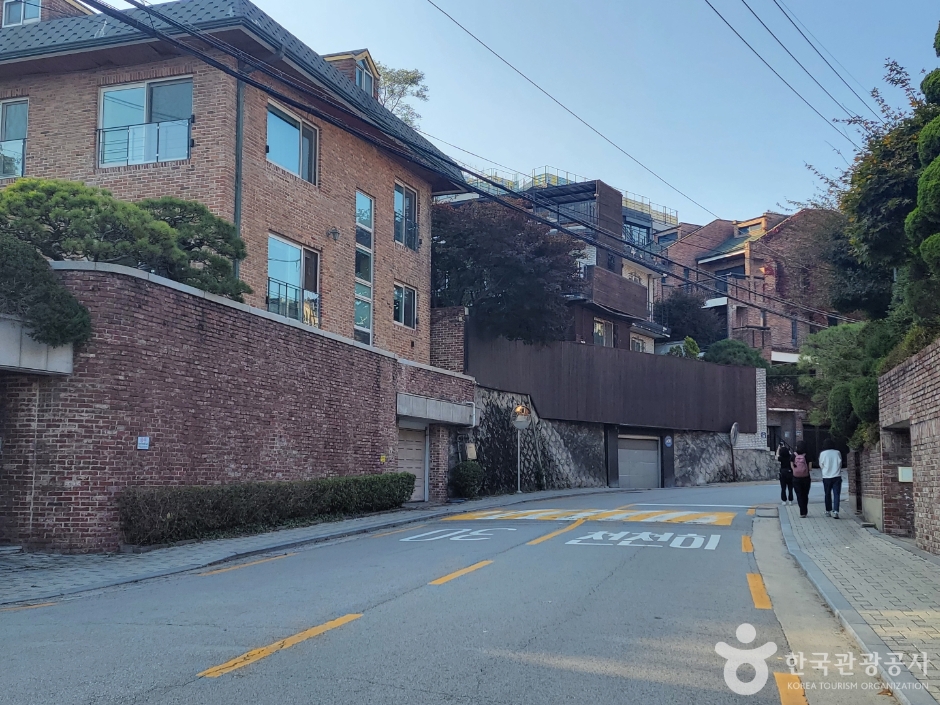
Remember the pivotal alley scene where Ki-woo visits Mr. Park’s lavish house in a wealthy neighborhood for expensive tutoring? That iconic sequence was indeed captured in a residential area within Seongbuk-dong. This particular district is renowned as an old wealthy village, characterized by its impressive luxury mansions lining the streets. Walking through these tree-lined avenues, you’ll immediately understand why it was chosen as the backdrop for the Parks’ opulent lifestyle in the film.
It’s important to note, however, that Mr. Park’s house itself was a specially constructed filming set, which was unfortunately demolished after production. So, while you won’t find the exact house, the atmosphere of affluence and the distinctive architectural style of the surrounding residences truly bring that cinematic memory to life. It’s an intriguing experience to walk through the very alleys that featured in such a globally celebrated movie, adding an unexpected layer of modern cultural significance to this historically rich area.
But Seongbuk-dong is much more than just a filming location. Beyond the grand mansions, this charming neighborhood is home to a delightful array of pretty cafés and galleries, seemingly popping up around every corner. It’s truly a hidden gem for those who enjoy exploring local artistry and savoring a leisurely cup of coffee or traditional Korean tea. You could easily spend hours simply wandering, discovering unique boutiques, appreciating local art, or settling into a cozy café to watch the world go by. The blend of old-world charm with modern, artistic sensibilities makes Seongbuk-dong an incredibly inviting place to simply take your time and soak in the refined atmosphere. It’s an area that encourages you to slow down, explore at your own pace, and uncover its many subtle delights.
Navigating the Course: What to Expect
As you embark on the Seongbuk-dong–Bukchon Hanok Village Course, you’ll find that it offers a wonderfully flexible experience. This path is designed for exploration at your own pace, allowing you to immerse yourself fully in the distinct characteristics of both Seongbuk-dong and Bukchon Hanok Village. The beauty of this course lies in its accessibility and the freedom it offers.
One of the most appealing aspects for visitors is its availability: the course is open 24 hours a day, meaning you can plan your walk whenever it best suits your schedule, whether it’s an early morning stroll to catch the soft light or a quiet evening promenade. Furthermore, it is open all year round, so you can experience its charm in any season – be it the fresh greens of spring, the vibrant colors of autumn, or even the crisp beauty of a winter walk. Each season offers a different perspective and enhances the unique atmosphere of this nostalgic path.
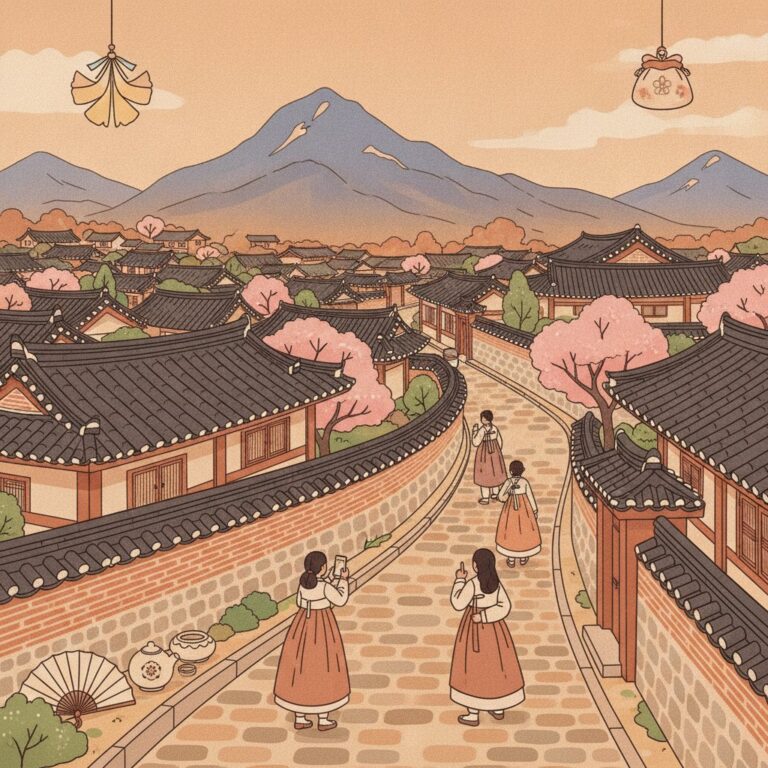
Walking this course truly feels like bridging different eras and communities. On one side, you have the quiet, stately elegance of Seongbuk-dong with its large houses and cultural spots. On the other, the renowned Bukchon Hanok Village, famous for its beautifully preserved traditional Korean houses. The course connects these two distinct worlds, allowing you to appreciate their individual charms while experiencing the continuity of Seoul’s history.
You’ll want to have your camera ready, as picturesque moments abound, from intricate hanok rooftops against the sky to hidden alleyways hinting at stories untold. The course isn’t overly strenuous, but it does involve some gentle inclines and declines, so comfortable footwear is definitely a must. It’s an experience designed for leisurely exploration, allowing you to discover something new and beautiful around every bend.
✈️ Book your trip to Korea — hotels, flights & more
How to Get There
Reaching the Seongbuk-dong–Bukchon Hanok Village Course, located at 68, Seonjam-ro 5-gil, Seongbuk-gu, Seoul, is quite convenient thanks to Seoul’s excellent public transportation system. While the course itself is an extensive trail connecting two areas, you’ll generally want to aim for the Seongbuk-gu district as your starting point, especially if you plan to explore Seongbuk-dong first.
To reach the general vicinity of Seongbuk-dong, you can take the Seoul Subway. A good option is to aim for stations on Line 4, such as Hansung University Station (Hansungdae-ipgu Station). From there, you can take a local bus or a short taxi ride to get closer to the starting points of the course within Seongbuk-dong. Alternatively, you could also consider stations on Line 6, like Bomun Station, and similarly transfer to a local bus or taxi. Seoul’s bus network is very efficient and well-connected, making it easy to navigate the last leg of your journey from the subway.
Since the course connects Seongbuk-dong and Bukchon Hanok Village, you could also approach it from the Bukchon side, typically via Anguk Station (Line 3), and then work your way towards Seongbuk-dong. However, for exploring Seongbuk-dong’s unique charm, starting in Seongbuk-gu often feels more natural and immersive.
Remember, Seoul’s public transport apps (like KakaoMap or Naver Map) are incredibly helpful for precise directions and real-time bus schedules once you’re on the ground!
Tips Before You Go
To ensure you have the most enjoyable and smooth experience on the Seongbuk-dong–Bukchon Hanok Village Course, here are a few local tips:
- Timings: You’re in luck! The course itself is open 24 hours a day and is accessible all year round. This means you have ultimate flexibility in planning your visit, whether you prefer the quiet mornings, the bustling afternoons, or even a peaceful evening walk under the stars.
- Parking: Please note that parking is not available directly at the course. Given the historical and residential nature of the areas, it’s highly recommended to use public transportation. Seoul’s subway and bus systems are excellent, so you’ll find it easy to get around without a car.
- Footwear: This is a walking course, often involving charming, winding paths and some gentle inclines. Wear comfortable walking shoes to fully enjoy your exploration without any discomfort.
- Stay Hydrated & Snacked: While there are lovely cafés and tea houses along the way, especially in Seongbuk-dong, it’s always a good idea to carry a bottle of water, especially during warmer months.
- Respect the Locals: Both Seongbuk-dong and Bukchon Hanok Village are residential areas. Please be mindful of local residents, especially when walking through quiet alleys and near houses. Keep noise levels down and respect private property.
- Check Ahead for Specific Venues: While the walking course is always open, individual cultural spots like the Seongbuk Museum of Art or the traditional tea house Sooyeon Sanbang might have their own operating hours, holidays, or admission fees. It’s always a good idea to quickly check their specific schedules online or give them a call if there’s a particular spot you’re keen on visiting. You can reach out for general inquiries about the area at +82-2-2241-2656, though specific venue details might require direct contact with the venue itself.
🎟️ Popular tours & experiences in Korea
Klook.comWhy I Love This Course
As a local, the Seongbuk-dong–Bukchon Hanok Village Course holds a special place in my heart because it offers such an authentic and multifaceted view of Seoul. It’s a place where the grandeur of history gracefully intertwines with the subtle charm of contemporary local life. Unlike some of the more overtly touristy areas, this course feels like a quiet conversation with Seoul’s past, present, and future.
I love the feeling of discovery that comes with each turn – stumbling upon a serene temple tucked away, admiring the intricate details of a traditional hanok, or finding a cozy café with a unique story. The fact that it connects two distinct yet equally captivating neighborhoods, all while hinting at the magic of "Parasite," makes it an incredibly rich experience. It’s a route that allows you to truly feel the city’s pulse, away from the neon lights, and connect with its enduring spirit. It’s a reminder that even in a bustling metropolis like Seoul, there are still tranquil corners brimming with stories, art, and timeless beauty.
Enjoy Your Walk!
I hope this guide encourages you to explore the Seongbuk-dong–Bukchon Hanok Village Course. It’s an experience that truly captures the essence of Korea’s heritage and modern cultural vibrancy. Come and discover this beautiful, nostalgic path for yourself!
Good to Know
| Hours | Open 24 hr |
|---|---|
| Closed | N/A (Open all year round) |
| Parking | Not available |
| Contact | +82-2-2241-2656 |
Details above are from the Korea Tourism Organization and may change — double-check before you visit.
Location & Map
📍 68, Seonjam-ro 5-gil, Seongbuk-gu, Seoul
🎟️ Popular tours & experiences in Korea
Klook.comUseful Links
More on Seoul Neighborhoods & Attractions
- Euljiro Nogari Alley GuideA guide to Seoul's Euljiro Nogari Alley, covering its history, top K-snacks, and travel tips.
- Real Escape Challenge in SeoulA guide to Real Escape Challenge, an English-friendly escape room cafe in Mapo-gu, Seoul.
- Seongsu-dong Travel GuideA guide to Seongsu-dong's fashion flagships, pop-up stores, cafes, dining, and Seoul Forest.
See every Seoul Neighborhoods & Attractions post in our K-Travel guide.
Handy toolsKorea travel essentials · Trip budget calculator · Korea Guide Finder
Keep Reading
- Seoul Mountain Climbing & Culture Center (산악문화체험센터): A Local’s Guide
- Hallyu Self-Photos at Youngchive Seongsu (영카이브 성수점)
- K-Pop Thrills at HIDE AND SEEK Ssamzigil (하이드앤시크 쌈지길점)
- Gwangjang Market Food: A Local’s Guide to Authentic Street Eats in Seoul
🎟️ Popular tours & experiences in Korea
Klook.com