Seongsu Dong Travel Guide: How Locals Spend a Day Here
At a glance
- In shortA guide to Seongsu-dong's fashion flagships, pop-up stores, cafes, dining, and Seoul Forest.
- Best forTravelers looking to explore modern Seoul culture and shopping
- WhereSeoul
- Key pointsSubway Line 2 and Suin-Bundang Line offer direct access to Seongsu-dong. · Yeonmujang-gil hosts seasonal pop-up stores, flagships, and K-beauty shops. · Most stores and pop-ups open around 11:00 AM or 12:00 PM.
- Heads-upGoogle Maps walking routes do not work in South Korea; use Naver Map or KakaoMap instead.
The Evolution of Seoul’s Handmade Shoe Capital
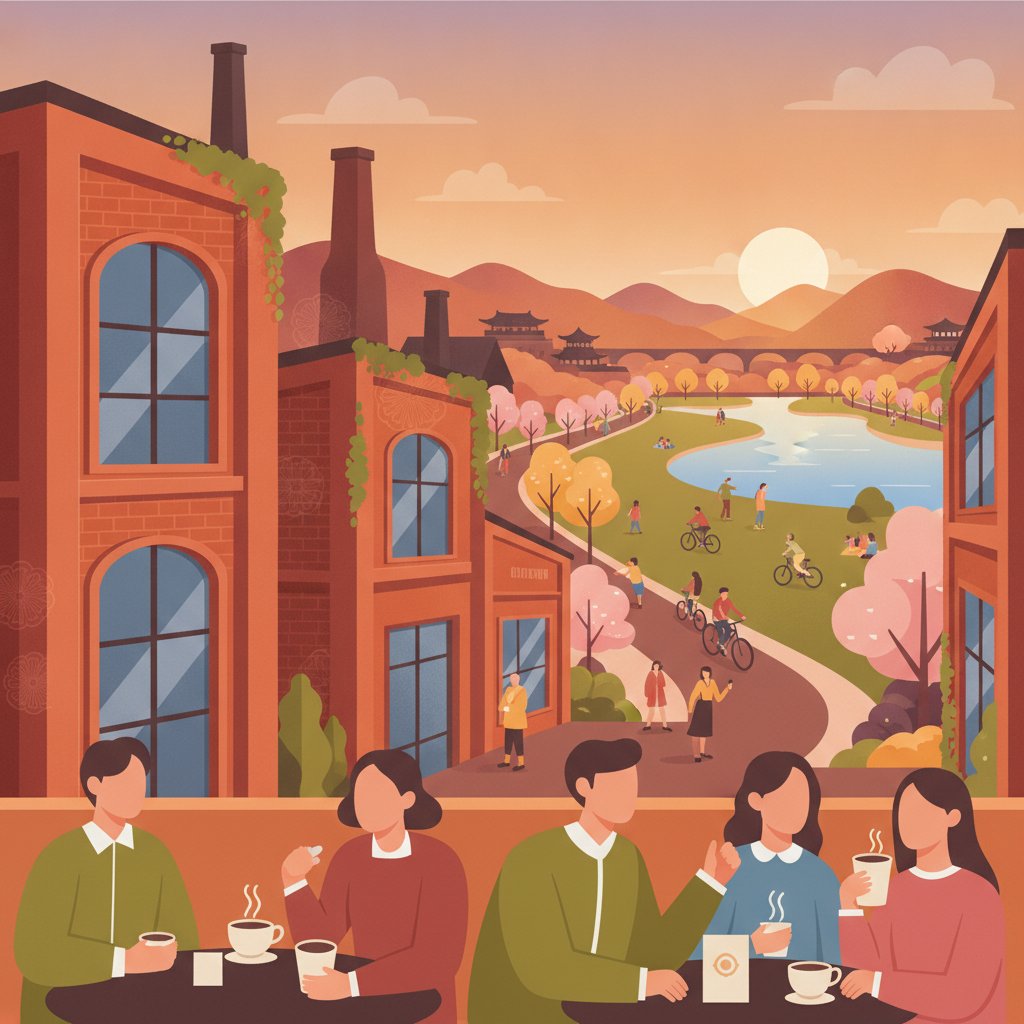
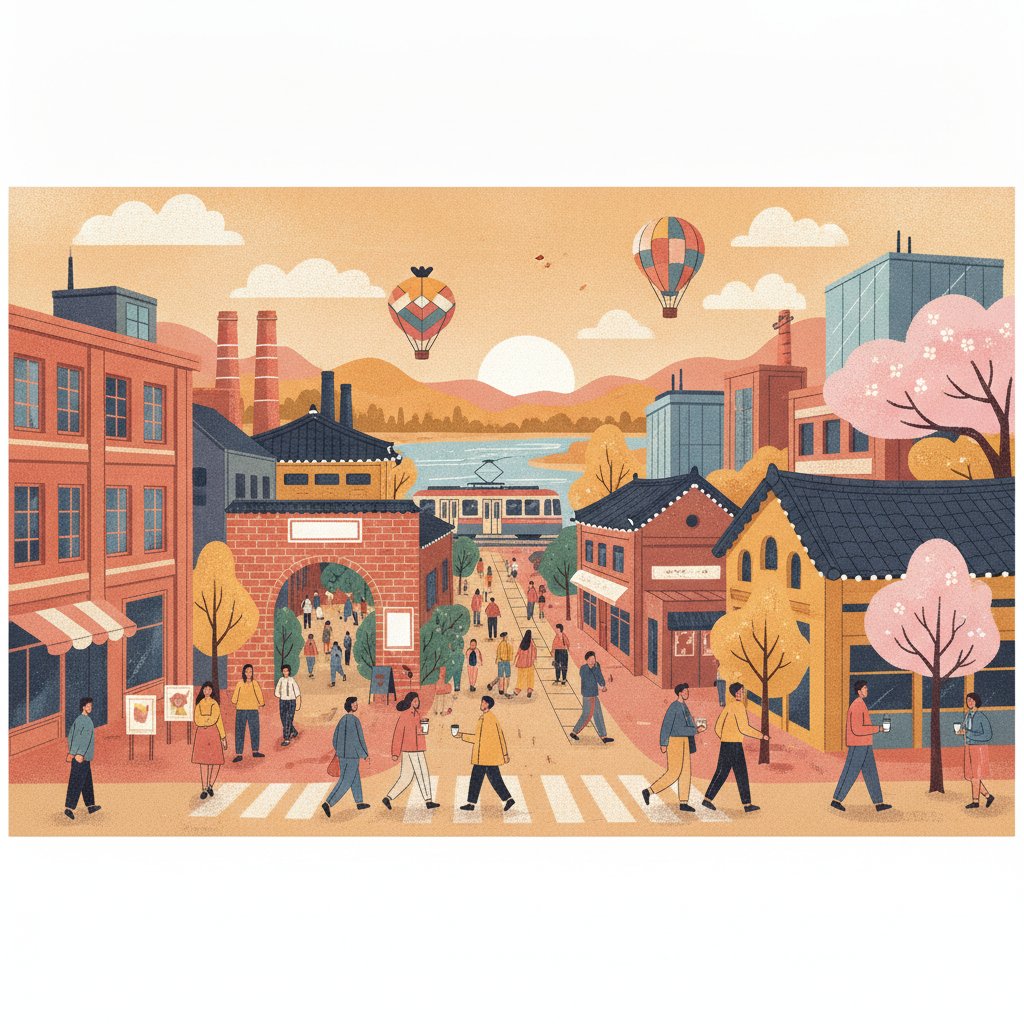
Ten years ago, Seongsu-dong was known mainly for the rhythmic clatter of cobbler hammers and the scent of cut leather drifting from red-brick factory buildings. Today, those same mid-century industrial warehouses hold concept stores, high-fashion pop-ups, and artisanal bakeries. As a Korean who has watched this district evolve over the past decade, I often tell visiting friends that Seongsu-dong represents modern Seoul at its creative peak. It is a neighborhood where old-school craftsmanship meets hyper-fast street culture.
Located in the eastern part of Seoul along the Han River, Seongsu-dong offers a distinctly different atmosphere from traditional tourist hubs like Myeongdong or Insadong. Instead of mass souvenir shops, you will find independent fashion boutiques, fragrance laboratories, flagship stores for rising K-beauty brands, and expansive cafes built inside repurposed steel mills. If you want to understand where young Seoulites hang out, shop, and drink coffee on weekends, this area is essential.
✈️ Book your trip to Korea — hotels, flights & more
Getting There and Navigating Seongsu-dong
Reaching Seongsu-dong via the Seoul Subway system is straightforward. Depending on where you plan to start your walk, you have three primary station options on Line 2 and the Suin-Bundang Line.
- Seongsu Station (Line 2): Exit 3 or 4 places you directly in the main commercial artery, home to Yeonmujang-gil and many major fashion brand flagships.
- Ttukseom Station (Line 2): Exits 7 and 8 offer quick access to quiet residential alleyways packed with small design studios and specialty coffee shops.
- Seoul Forest Station (Suin-Bundang Line): Exit 4 leads straight to the entrance of Seoul Forest park and the trendy Atelier Street area.
A practical tip for navigating Seoul: Google Maps does not provide walking directions in South Korea due to local mapping regulations. Before you arrive, download Naver Map or KakaoMap. Both apps support English interfaces, allow you to save locations, and provide accurate real-time transit and walking routes. You can easily pre-save coffee shops and stores in your app lists before setting out.
What to Do: Pop-Ups, Fashion, and Culture
1. Explore Seasonal Pop-Up Stores along Yeonmujang-gil
Seongsu-dong is famous across East Asia as the global capital of temporary retail. Brands ranging from global luxury fashion houses to emerging Korean cosmetics companies build elaborate, immersive pop-up spaces here that change every few weeks. Walking down Yeonmujang-gil street, you might encounter a pop-up styled like an underwater cave one month and a vintage railway station the next.
Many popular pop-ups require waiting reservations. While some allow on-site walk-ins via a digital queue monitor at the door, others use Korean queueing platforms like Catch Table. If you do not have a local Korean phone number to register on digital queue boards, simply approach the staff at the entry desk; most pop-up hosts are accustomed to international visitors and will manually note your group size or add you to an offline entry list.
2. Visit Flagship Fashion Architecture
Even if you do not plan on purchasing luxury items, Seongsu-dong’s flagship retail sites are worth visiting for their remarkable architectural design:
- Dior Seongsu: A dazzling glass pavilion inspired by the historic Dior boutique on Avenue Montaigne in Paris, surrounded by seasonal gardens. It is one of the most photographed spots in the district.
- Ader Error Space 2.0: Designed by the renowned Korean creative collective ADER ERROR, this multi-room space feels more like an immersive sci-fi art installation than a clothing store, complete with kinetic sculptures and space-themed rooms.
- Musinsa Standard Seongsu: A massive multi-story retail hub dedicated to Korean urban streetwear and minimalist fashion basics. Prices here are quite accessible, making it an ideal place to sample modern Korean daily fashion.
3. Discover Emerging K-Beauty Brands
While large health and beauty chains like Olive Young (including the multi-story Olive Young Seongsu flagship) are plentiful, Seongsu-dong excels at standalone K-beauty concept stores. Brands like Amore Seongsu offer customized foundation-matching services and hand-crafted lip products inside a beautifully restored auto repair shop. Skincare brands such as Tamburins and Nonfiction offer sophisticated fragrance and body care products in museum-like environments.
🎟️ Popular tours & experiences in Korea
Klook.comUnderstanding Typical Costs in Seongsu-dong
To help you plan your budget, here is an overview of what you can expect to spend when exploring Seongsu-dong. Please note that prices in Korea fluctuate based on seasonal demand, inflation, and retail venue, so these figures serve as general general markers rather than exact quotes.
| Category | Typical Price Range (KRW) | Approximate USD |
|---|---|---|
| Specialty Coffee / Tea | 5,000 – 8,000 KRW | $3.80 – $6.00 |
| Bakery Pastry / Cake | 6,000 – 11,000 KRW | $4.50 – $8.50 |
| Casual Local Lunch | 10,000 – 16,000 KRW | $7.50 – $12.00 |
| K-Beauty Accessories | 15,000 – 45,000 KRW | $11.00 – $34.00 |
Where to Eat: Local Comfort Food and Famous Bakeries
Seongsu-dong’s dining scene offers a fantastic contrast between historic local eateries that have served factory workers for decades and ultra-modern fusion bistros.
Somunnan Seongsu Gamjatang
If you ask long-time Seoul residents where to eat in Seongsu, many will immediately point you toward Somunnan Seongsu Gamjatang. Gamjatang is a rich, spicy pork bone soup simmered with potatoes, perilla leaves, and crushed aromatic seeds. This local institution has been featured on numerous Korean television food shows. A single serving generally costs around 10,000 to 12,000 KRW ($7.50 to $9.00 USD). The broth is deeply comforting, especially during cooler autumn or winter afternoons. Be prepared for a short line during lunch hours, though the turnover is remarkably fast.
Industrial Cafes and Salt Bread Bakeries
Seongsu-dong popularized the raw industrial aesthetic in Seoul’s cafe culture. Visiting at least one grand-scale bakery cafe is a rite of passage:
- Daelim Warehouse (Daelim Changgo): A former rice mill converted into a massive gallery cafe. High ceilings, exposed wooden rafters, and massive metal sculptures complement fresh fruit tarts and filter coffee.
- Cafe Onion Seongsu: Housed in a 1970s factory building with weathered concrete walls and an open rooftop terrace. Their signature item is the Pandoro—a mountain-shaped pastry coated in powdered sugar.
- Jayeondo Salt Bread: A small takeaway shop famous across Seoul for baking rich, buttery salt bread rolls (Sogum-bang) served hot in brown paper bags.
Relaxing at Seoul Forest Park
When your feet need a break from shopping and walking on pavement, head west toward Seoul Forest (Seoul Sup). Spanning over 1.1 million square meters, this public park was modeled after Central Park in New York and Hyde Park in London. It features dense tree-lined walking paths, a deer enclosure, a butterfly garden, and quiet reflective ponds.
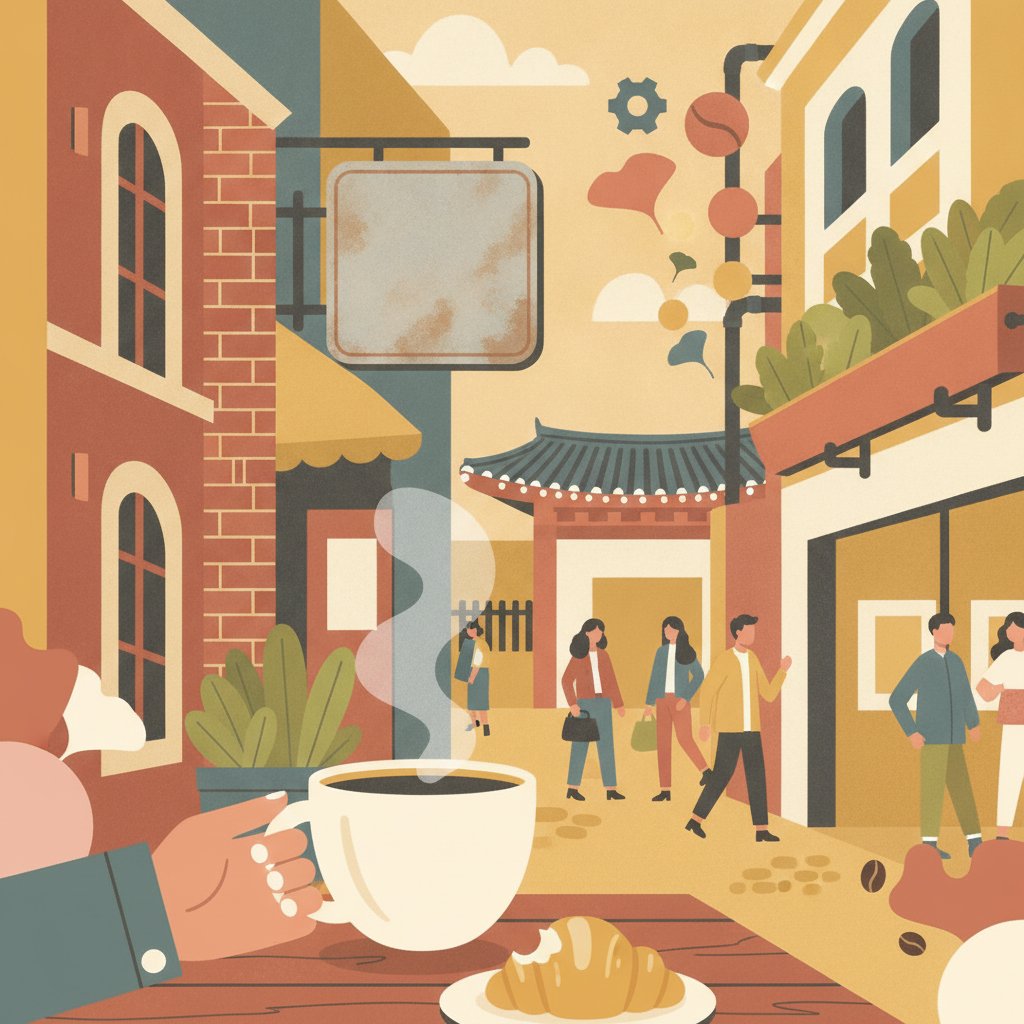
As a local recommendation: pick up a fresh coffee and a pastry from a bakery near Ttukseom Station, cross into the park, and sit under the giant ginkgo trees (which turn brilliant gold in late October and early November). If you visit during spring, late March to early April brings stunning cherry blossom tunnels along the northern walking tracks.
Practical Local Tips for Your Visit
To make your day in Seongsu-dong go smoothly, keep these practical suggestions in mind:
- Timing Matters: Seongsu-dong comes alive in the afternoon. Most boutiques and pop-up stores do not open until 11:00 AM or 12:00 PM. Arriving around 11:00 AM for early lunch or coffee is ideal.
- Weekday vs. Weekend: Weekends on Yeonmujang-gil can get extremely crowded with local youths and domestic tourists. If you prefer shorter lines at cafes and pop-ups, schedule your visit for a Tuesday, Wednesday, or Thursday afternoon.
- Tax-Free Shopping: Many large stores in Seongsu offer instant tax refunds for foreign passport holders. Bring your physical passport with you when shopping at places like Olive Young or Musinsa to claim immediate VAT deductions at checkout.
- Transport Cards: Ensure your T-money or Climate Card is pre-loaded at a subway station kiosk before heading out, as cash options inside small boutiques can be limited. Most retail stores accept international credit cards smoothly.
🎟️ Popular tours & experiences in Korea
Klook.comFrequently Asked Questions
How much time should I allocate for visiting Seongsu-dong?
Plan to spend between 4 to 6 hours in Seongsu-dong. This gives you enough time to explore pop-up stores along Yeonmujang-gil, enjoy lunch at a local restaurant, relax at an industrial cafe, and take a gentle stroll through nearby Seoul Forest.
Do I need a Korean phone number to enter pop-up stores in Seongsu?
While many pop-ups use digital reservation pads that ask for a local phone number, almost all staff members will assist international visitors without one. Simply show your passport or explain that you are a visitor, and they will manually write down your name or assign you a designated entry time.
When is the best time of year to walk around Seongsu-dong?
Spring (April to May) and Autumn (September to November) offer the most pleasant walking weather in Seoul. Autumn is particularly picturesque because the tree canopy inside Seoul Forest turns vibrant shades of red and gold, making it ideal for combining outdoor walks with neighborhood shopping.
More on Seoul Neighborhoods & Attractions
- Guide to Changsin-dong Alleys in SeoulA local guide to exploring Seoul's historic Changsin-dong alleys, featured in Parasite.
- Hanbok Rental Guide in SeoulCovers where to rent a Hanbok in Seoul, typical prices, booking options, included items, and key benefits.
- Gilsang Ceramics Pottery Workshop in SeoulCovers visiting Gilsang Ceramics in Seoul, its BTS connection, pottery techniques, and studio details.
See every Seoul Neighborhoods & Attractions post in our K-Travel guide.
Handy toolsKorea travel essentials · Trip budget calculator · Korea Guide Finder
Keep Reading
- Practical Korean Dining Etiquette Tips for Your First Trip
- Seoul Subway Guide for Tourists: Tips From a Local
- Real Escape Challenge (리얼 이스케이프 챌린지): Seoul Review
- Euljiro Nogari Alley (을지로 노가리골목): A Local’s Guide
🎟️ Popular tours & experiences in Korea
Klook.com