Traditional Korean Porridge Juk: What to Eat and Where
This post contains affiliate links. As an Amazon Associate, we earn from qualifying purchases at no extra cost to you.
On crisp autumn afternoons in Seoul, whenever anyone in our family felt tired or under the weather, my grandmother would set a heavy pot on the stove without saying a word. Hours later, the kitchen would smell like sweet steamed pumpkin, toasted sesame oil, and simmering rice. In Korea, porridge is not just breakfast or hospital food. It is comfort, heritage, and pure healing in a bowl.
Known natively as juk (죽), traditional Korean porridge juk holds a special place in Korean culinary history. While visitors often head straight for street toast or spicy tteokbokki, learning about traditional Korean porridge juk opens up a softer, deeply comforting side of Korean cuisine. Whether you are traveling through Seoul with an upset stomach or simply looking for a soothing, nutritious meal, this guide covers everything you need to know from a local perspective.
Beyond Sick Day Food: The Culture of Korean Juk
As a Korean, I often notice that travelers are surprised by how omnipresent juk shops are across Seoul. In Western food cultures, porridge is often associated strictly with oats at breakfast or mild bland meals for when you are ill. In Korea, however, juk spans the entire spectrum from humble home cooking to high-end royal cuisine.
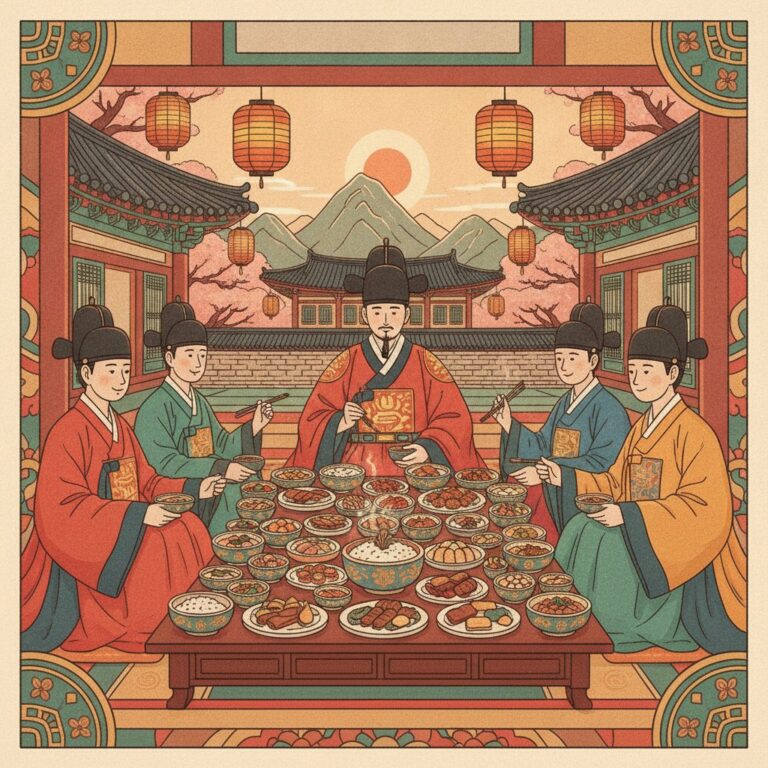
Historically, rice was a precious commodity. During periods of grain scarcity, stretching rice by simmering it with water, vegetables, wild herbs, or beans allowed families to feed more mouths. Over centuries, the Joseon Dynasty royal court elevated juk into a refined culinary art. Kings were served early morning medicinal porridge called matsang before their formal breakfast to prepare their digestion for the day ahead.
Today, traditional Korean porridge juk remains an essential part of daily life. Locals eat it after dental appointments, before high-stakes examinations when nerves run high, as late-night comfort food, or simply as a light lunch. It is easily digestible, highly customizable, and deeply rooted in the concept of yaksikdongwon—the traditional philosophy that medicine and food share the same origin.
✈️ Book your trip to Korea — hotels, flights & more
Must-Try Types of Traditional Korean Porridge Juk
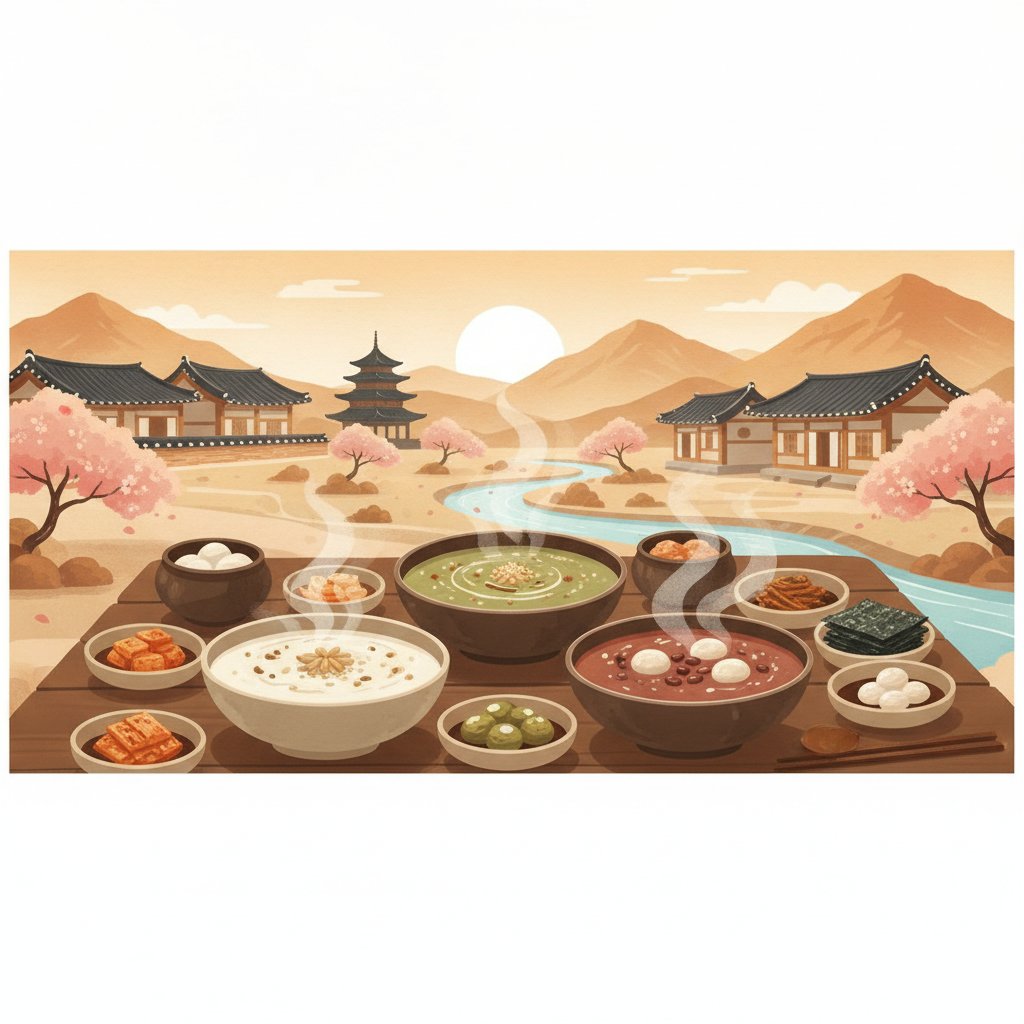
Korean porridge comes in dozens of regional and seasonal variations. Broadly speaking, juk is divided into savory grain-and-protein bowls and sweet, smooth vegetable or bean purées. Here are the most authentic and widely enjoyed versions you should try.
1. Jeonbok-Juk (Abalone Porridge)
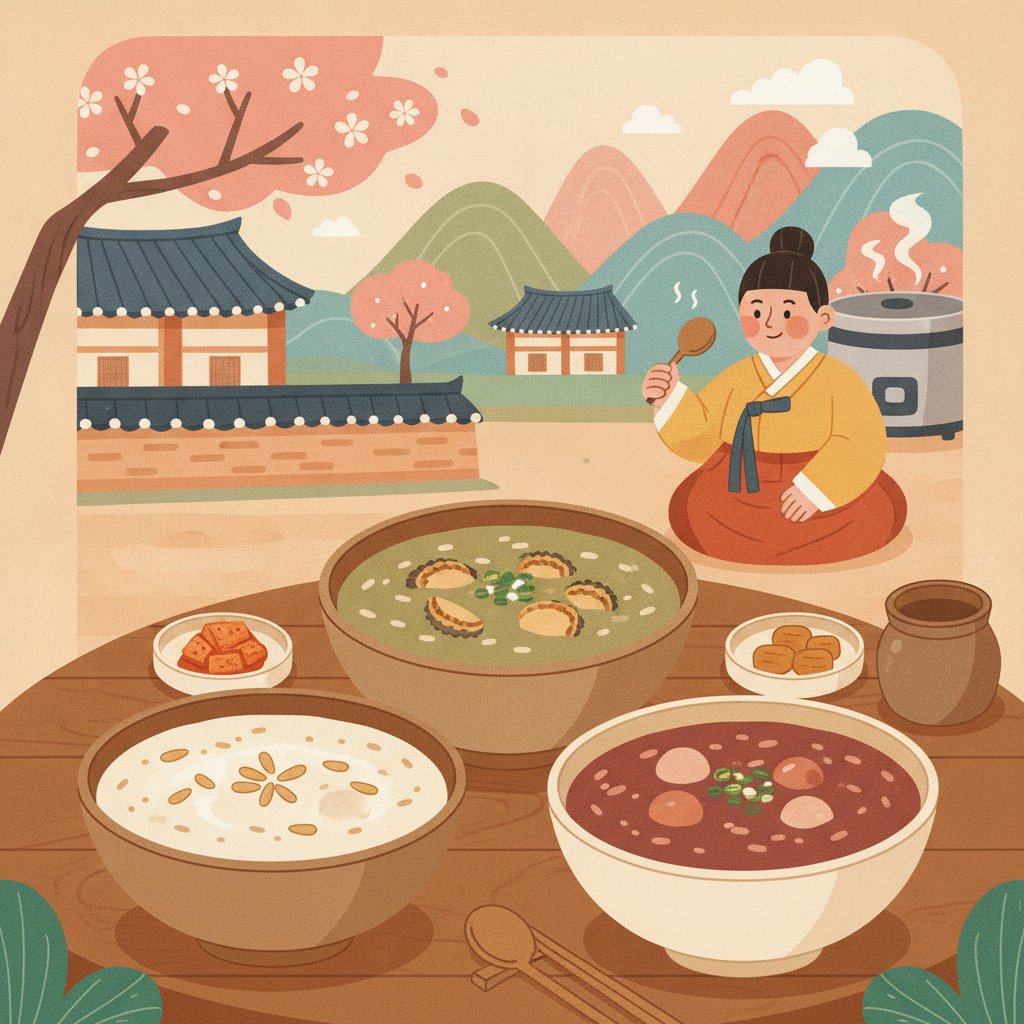
Often referred to as the king of savory porridges, jeonbok-juk is a rich meal made with fresh abalone, short-grain rice, and sesame oil. In premium specialized restaurants, the abalone entrails (the liver) are chopped and cooked directly into the broth, giving the porridge a distinctive light green hue and a deep, nutty ocean flavor. It is packed with protein and iron, making it Korea’s favorite natural energy booster.
2. Hobak-Juk (Sweet Pumpkin Porridge)
Hobak-juk is vibrant, naturally sweet, and incredibly smooth. Made from steamed kabocha squash or Korean sweet pumpkin (maddong-hobak) blended with glutinous rice flour, this golden porridge often contains chewy rice cake balls called saealsim (literally “bird’s egg balls”) and sweet red kidney beans. It is naturally vegetarian and popular both as a light meal and as a warm dessert.
3. Dak-Juk (Chicken and Rice Porridge)
If chicken noodle soup is the classic comforting dish in the West, dak-juk is its Korean counterpart. Chicken is slow-simmered with garlic, ginger, and sometimes ginseng until the meat falls off the bone. The tender chicken strips are then stirred into velvety rice porridge. It is light on the stomach yet intensely satisfying, garnished heavily with chopped scallions and toasted sesame seeds.
4. Pat-Juk (Red Bean Porridge)
Dark, earthy, and mildly sweet or salty depending on how you season it at the table, pat-juk is made from simmered red azuki beans. It holds strong cultural significance in Korea. Traditionally consumed during Dongji (the Winter Solstice), the deep red color was historically believed to ward off evil spirits and bad luck for the coming year. Like pumpkin porridge, it usually features chewy glutinous rice cake balls.
5. Jat-Juk (Pine Nut Porridge)
For a taste of traditional aristocratic dining, jat-juk is a rare treat. Fresh pine nuts and soaked rice are finely ground together and simmered gently without strong seasonings. The natural oils from the pine nuts create a silk-smooth creaminess with a delicate, nutty aroma. Because pine nuts were historically expensive, this dish was reserved for royalty and nobility.
Traditional Korean Porridge Juk Quick Guide
| Porridge Type | Flavor Profile | Best Time to Eat |
|---|---|---|
| Jeonbok-Juk | Savory, nutty, rich | Energy boost, recovery |
| Hobak-Juk | Sweet, smooth, earthy | Breakfast, light lunch |
| Dak-Juk | Savory, garlicky, comforting | Cold winter days |
| Pat-Juk | Earthy, mild, hearty | Winter solstice, snack |
| Jat-Juk | Delicate, nutty, smooth | Breakfast, light digestion |
🎟️ Popular tours & experiences in Korea
Klook.comWhere to Find the Best Traditional Korean Porridge Juk
You do not have to search far to find traditional korean porridge juk in Korea. From modern commercial chains to bustling traditional markets, here is where to get an authentic bowl.
Specialty Chains: Bonjuk and Beyond
The most accessible option for high-quality juk anywhere in South Korea is Bonjuk (본죽). With thousands of franchise locations nationwide—recognizable by their warm green and white signs—Bonjuk serves fresh, made-to-order porridge in massive portions. Expect typical price ranges around 9,000 to 18,000 won (roughly $7 to $14 USD) depending on premium ingredients like wild abalone or ginseng.
Because Bonjuk prepares every pot individually, you can customize your order extensively, which leads us to some useful local insider knowledge.
Traditional Markets in Seoul
For an old-school street food experience, visit Gwangjang Market or Namdaemun Market in central Seoul. Deep inside the food alleys, elderly women sit behind giant steaming cauldrons filled with glossy yellow pumpkin porridge and deep purple red bean porridge. Market portions usually run between 5,000 and 7,000 won (roughly $4 to $6 USD), served quickly on brass or stainless steel dishes alongside fresh kimchi.
Instant Options for Travel and Home
If you want to stock your hotel room or take Korean porridge home, Korean convenience stores (CU, GS25, Seven Eleven) and major marts sell excellent instant juk. Top brands like CJ Hetbahn Cupban and Dongwon Yangban Juk offer ready-to-heat bowls complete with foldable spoons, sesame oil packs, and dried seaweed toppings. These usually cost around 3,000 to 5,000 won (roughly $2.50 to $4 USD) per bowl. You can also find these exported through global platforms like Amazon or H Mart online.
How to Order Juk Like a Local: Customization Tips
When dining at major specialty shops like Bonjuk, locals rarely just point at the menu and sit down. Because a single bowl of juk is very large, the staff expect you to customize your experience to your exact needs. Here is a step-by-step breakdown of practical tricks to order like a Korean local:
- Split your portion (Pojang request): If you cannot finish a full bowl in one sitting, ask the staff to split your order into two or three separate takeout containers before cooking (“Dugae-ro nanueo pojang-hae juseyo”). You can eat one portion at the table and take the unopened container back to your hotel for later.
- Adjust the salt level (Gan-eul hage): If you are feeling sick or prefer low-sodium meals, ask for reduced salt (“Sogeum-eul jeokge neoeo-juseyo”).
- Adjust the texture (Grind size): For severe stomach trouble or sensitive digestion, you can request finer grain rice blending (“Ipja-eul jakge gal-a juseyo”) so the porridge turns silky smooth.
Essential Side Dishes That Complete the Meal
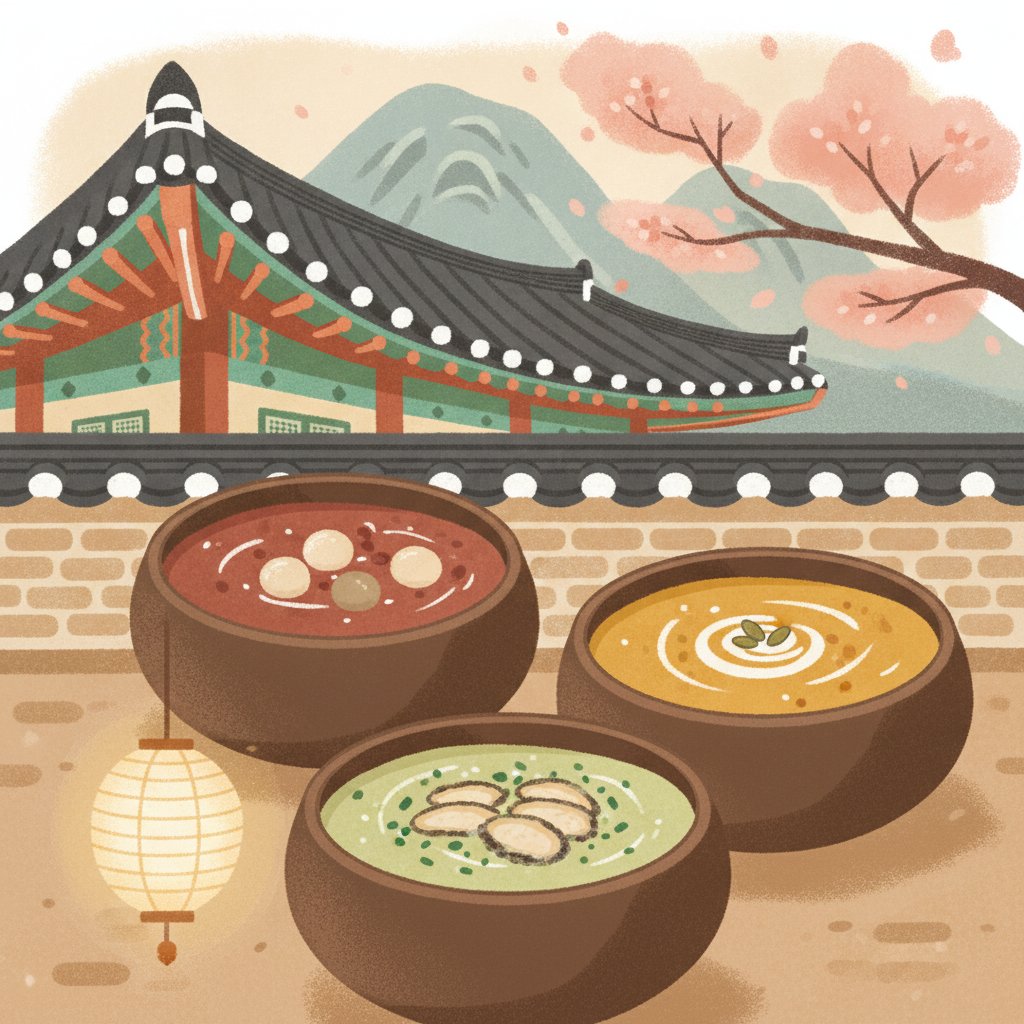
In Korea, juk is never eaten in isolation. A traditional porridge meal comes served on a wooden tray with a small set of classic side dishes (banchan) specifically chosen to complement the soft texture of the porridge.
The signature accompaniment is Jangjorim—beef or quail eggs slow-braised in a salty soy sauce brine. Shredded thinly, a tiny bite of salty beef balanced against a spoonful of mild rice porridge creates perfect flavor harmony. Another staple side dish is Dongchimi (radish water kimchi). The cold, tangy, sparkling broth helps clear the palate and aids digestion between warm bites.
You will also typically find a red, finely minced fermented seafood condiment called Ojing-eo jotgal (spicy salted squid). Stirring a tiny dab of squid pickle directly into your savory porridge adds a burst of umami and mild chili spice.
FAQ
Is traditional Korean porridge juk healthy for daily meals?
Yes, traditional Korean porridge juk is very healthy. It is low in saturated fats, easy on the digestive system, and rich in nutrients from ingredients like abalone, pumpkin, pine nuts, and chicken. It provides steady, sustained energy without feeling heavy.
What side dishes are traditionally served with Korean juk?
Korean juk is usually served with small portions of beef jangjorim (soy-braised beef), dongchimi (cold radish water kimchi), seasoned salted squid (ojing-eo jotgal), and traditional cabbage kimchi.
Can I bring instant Korean juk back home in my luggage?
Yes, commercially sealed, shelf-stable instant juk containers (like Dongwon Yangban or CJ Hetbahn) can generally be packed in checked luggage. However, check your destination country’s customs regulations regarding imported meat products if the porridge contains chicken or beef ingredients.
🎟️ Popular tours & experiences in Korea
Klook.comKeep Reading
- Korean Convenience Stores: GS25 & CU Food Picks
- Korean Street Food: Learning the Names
- Modern Nulang Central City (모던눌랑): Seoul’s Shanghai Chic
- Texas de Brazil Central City (텍사스 데 브라질): Churrasco in Seoul
🎟️ Popular tours & experiences in Korea
Klook.com