Getting Your Personal Color Done in Seoul: What to Expect
This post contains affiliate links. As an Amazon Associate, we earn from qualifying purchases at no extra cost to you.
At a glance
- In shortA guide to how personal color analysis works in Seoul, standard costs, and preparation tips.
- Best forInternational travelers booking a color analysis in Seoul
- WhereSeoul
- Key pointsKorean studios use detailed 12 or 16-type systems based on the PCCS. · Sessions include skin measurements, fabric draping, and makeup pouch reviews. · Preparation requires going bare-faced and avoiding colored contact lenses.
- Heads-upPopular studios fill up weeks or months in advance, requiring early booking.
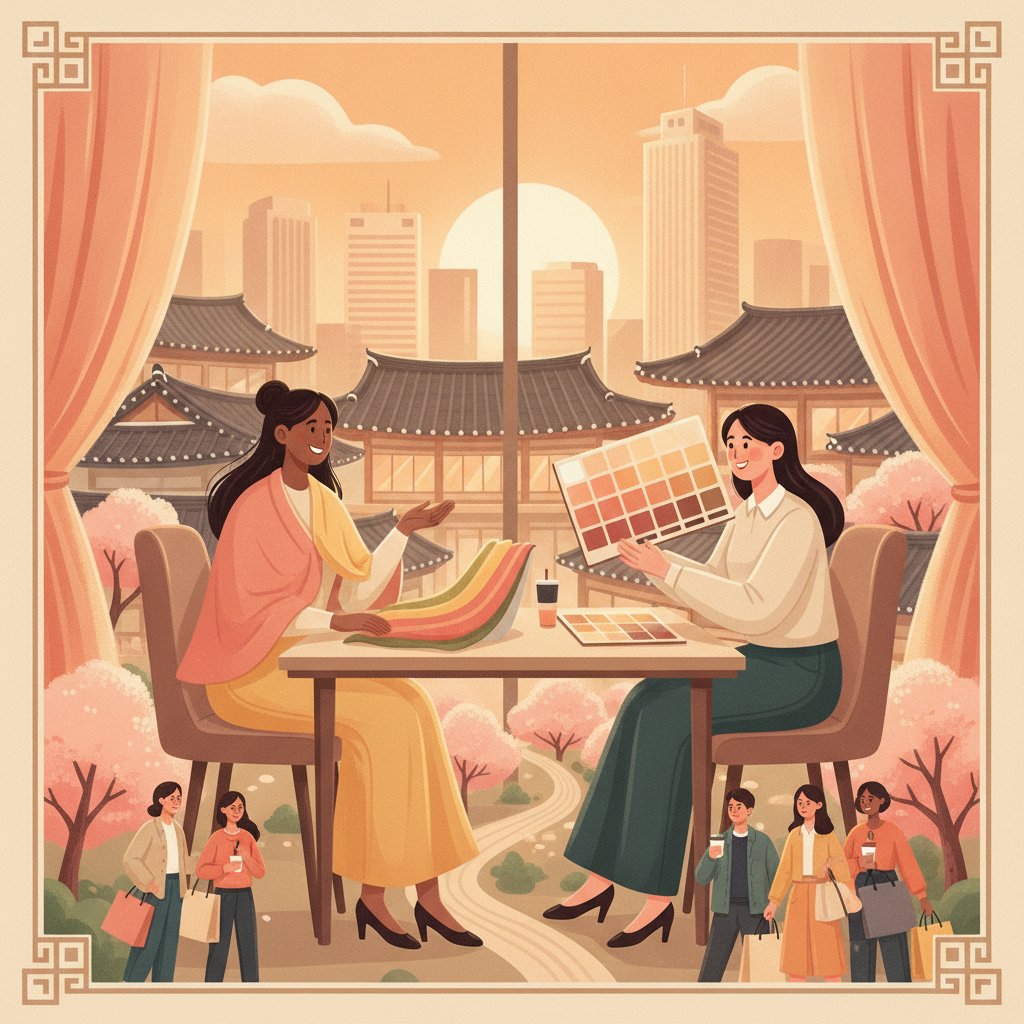
Walking through neighborhoods like Hongdae, Seongsu, or Gangnam, you will likely notice groups of friends leaving boutique studios holding color swatches and personalized cosmetics swatches. In Korea, personal color analysis has transformed from a specialized image consulting service into a standard beauty ritual. As a Korean who grew up watching friends book appointments before job interviews, weddings, or simple wardrobe updates, I have seen how deeply embedded this practice has become in our daily beauty culture.
For international travelers, booking a session in Seoul has quickly become a top priority alongside visiting historic palaces and sampling street food. However, stepping into a Korean color studio can feel intimidating if you do not know what the appointment entails. Here is a realistic look at how a personal color consultation works in Seoul, what you need to do before showing up, and how to use your results when shopping locally.
Understanding the Korean Personal Color System
While Western color theory often categorizes individuals broadly into four main seasonal palettes—Spring, Summer, Autumn, and Winter—the Korean system goes much deeper. In Seoul, most studios utilize an expanded 12-type or 16-type system based on the PCCS (Practical Color Coordinate System). This approach evaluates temperature (Warm vs. Cool), value (Light vs. Deep), saturation (Muted vs. Bright), and overall clarity (Clear vs. Dull).
Instead of merely learning that you are a “Summer,” your analyst will pinpoint exact sub-categories such as Light Spring, Soft Autumn, Deep Winter, or Muted Summer. In Korean beauty culture, this precision matters because K-beauty cosmetics are formulated around these granular distinctions. Foundations, lip tints, blushes, and even hair dyes in local shops are frequently marketed with seasonal color keywords. Knowing your specific sub-type helps you navigate Korean makeup aisles with complete clarity.
✈️ Book your trip to Korea — hotels, flights & more
Step-by-Step: What Happens During Your Appointment
While every studio has its own signature style, a standard session in Seoul generally lasts between 60 and 90 minutes for an individual appointment. Here is what you can expect from start to finish.
1. The Initial Consultation and Skin Tone Measurement
Your session begins with a brief discussion about your personal goals, the colors you typically wear, and how you perceive your skin tone. Many modern studios in Seoul use a digital spectrocolorimeter—a small handheld device placed against your cheek and jawline—to measure brightness, redness, and yellowness levels objectively. This gives the analyst a baseline reading before moving on to visual testing.
2. Hair, Eye, and Contrast Analysis
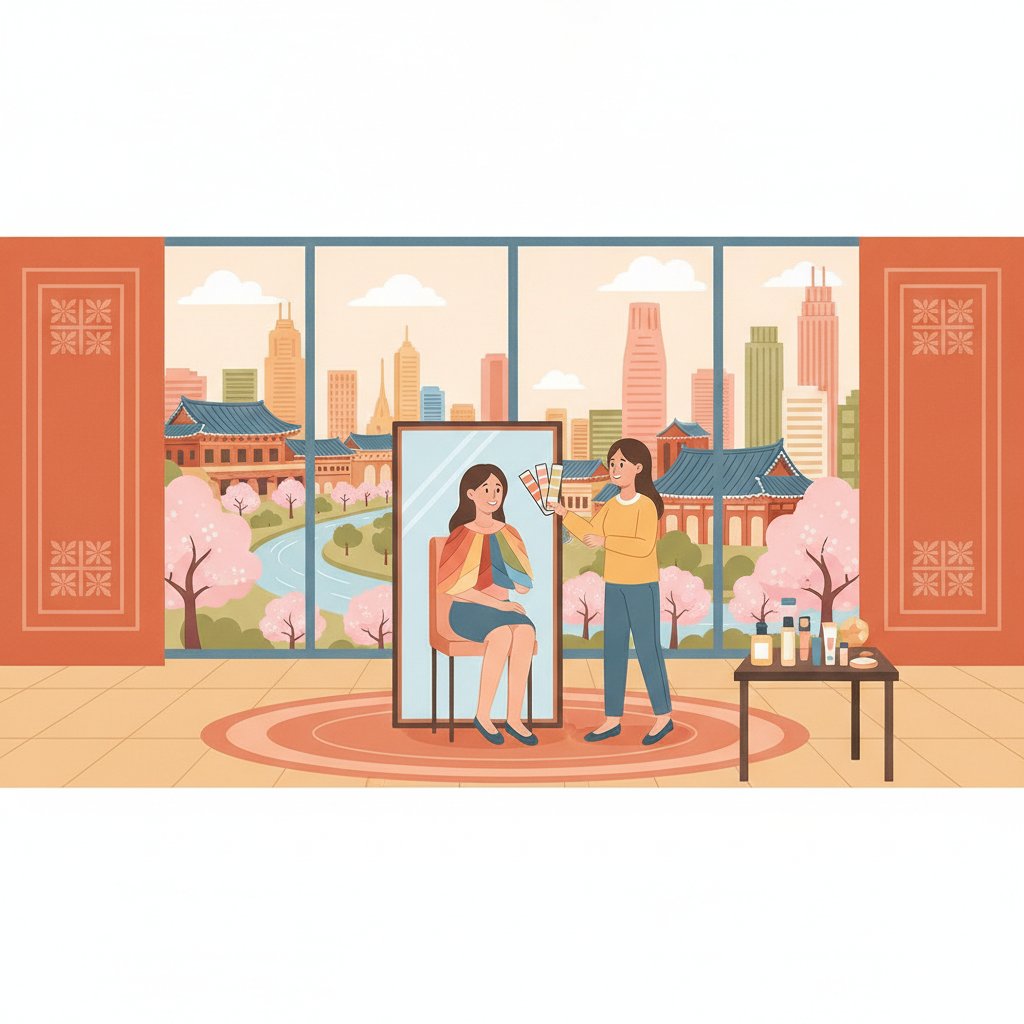
Next, the analyst examines your natural hair color, eye pattern, and contrast level between your features. To isolate these natural characteristics, you will be seated in front of a mirror under color-accurate daylight lamps (usually 6500K lighting). The analyst will cover your clothing with a white drape and place a white hairband or cap over your hair if it is dyed, ensuring that previous hair dye does not distort the visual results.
3. The Fabric Draping Process
The core of the appointment is the fabric draping. The stylist will systematically place dozens—sometimes hundreds—of colored fabric drapes across your chest in rapid succession. They will compare warm versus cool undertones, light versus dark values, and vivid versus muted saturations.
As a client, watching the transformation in the mirror is fascinating. When an unflattering shade is draped, dark circles under the eyes may appear pronounced, the jawline can look less defined, and shadows around the nose become sharper. When a complementary fabric is introduced, the face immediately brightens, skin texture looks smoother, and the eyes appear clearer. Your analyst will explain these visual cues so you can recognize them yourself.
4. Makeup Pouch Audit
One of the most practical parts of a Korean personal color session is the makeup pouch review, known locally as the “pouch check.” You bring your personal everyday makeup bag—foundations, concealers, eye palettes, and lipsticks—and the consultant tests each product against color swatches. They will sort your products into items that fit your palette, items you can salvage with blending, and items that work against your undertones.
5. Cosmetic Recommendations and Color Card Summary
At the end of the session, the consultant compiles your customized personal color chart. They will recommend specific Korean cosmetic brands, shade numbers, jewelry tones (gold, silver, rose gold), and hair colors that complement your skin tone. Many studios also offer a quick test-application of lip tints or blushes from their in-house collection to let you see your recommended palette in real time.
Typical Costs and Consultation Types
Prices for personal color consultations in Seoul vary depending on the location, the level of detail provided, and whether an English translator is required. Below is an overview of standard price ranges across reputable studios in Seoul.
| Session Type | Duration | Approximate Cost (KRW / USD) |
|---|---|---|
| 1-on-1 Individual | 60–70 mins | 120,000–220,000 KRW (~$90–$165) |
| 1-on-2 (Pair) | 80–100 mins | 90,000–160,000 KRW (~$70–$120) / person |
| Group (3–4 people) | 100–120 mins | 70,000–120,000 KRW (~$55–$90) / person |
Please note that prices are approximate and fluctuate based on seasonal demand, language options, and promotional packages. Booking a private 1-on-1 session yields the most detailed feedback, but pair bookings with a friend or partner are extremely popular and offer a more cost-effective experience.
🎟️ Popular tours & experiences in Korea
Klook.comHow to Book an Appointment as an International Visitor
Popular studios in Seoul often fill up weeks or even months in advance, especially those that employ fluent English-speaking consultants. To secure a spot during your trip, consider the following booking pathways:
- Travel Platforms: Services like Klook offer streamlined booking for international tourists, listing English-friendly color analysis studios in Hongdae, Myeongdong, and Gangnam with clear schedules and transparent pricing.
- Direct Messaging: Many independent studios operate through KakaoTalk or Instagram direct messages. If a studio lists an English KakaoTalk ID on their official page, you can message them directly to check for cancellations or reserve times.
- Boutique Web Booking: Larger image consulting firms run English booking portals directly on their websites where you can select specific analysts based on their language proficiency.
When selecting a neighborhood, Hongdae studios tend to offer energetic, modern sessions geared toward younger demographics and modern fashion trends. Gangnam and Seongsu studios often focus heavily on comprehensive professional image management, including corporate wear and detailed makeup technique guidance.
How to Prepare for Your Color Analysis
To ensure your results are completely accurate, proper preparation is essential. Here are five practical rules to follow on the day of your appointment:
- Arrive completely bare-faced: Do not wear foundation, concealer, tone-up cream, or tinted sunscreen. Even minimal makeup alters your skin’s natural undertones. If you must travel with makeup on, arrive 15 minutes early to clean your face using the makeup remover provided at the studio.
- Wear clear contact lenses: Avoid colored, enlarged, or tinted contact lenses, as they alter your eye’s natural contrast and pigment readings. If you wear glasses, choose a pair you can easily remove during fabric draping.
- Avoid high-neck tops: Wear a simple crew-neck shirt or a top that leaves your neckline clear so drapes rest smoothly against your upper chest without fabric bunching.
- Skip self-tanner: Avoid using self-tanning products or heavy spray tans for at least a week prior, as artificial tanning alters your skin’s natural color value.
- Bring your daily makeup bag: Do not buy new products right before your appointment. Pack the exact cosmetics, foundations, and lip items you use daily so your consultant can evaluate them during the pouch audit.
Shopping with Your Results at Olive Young
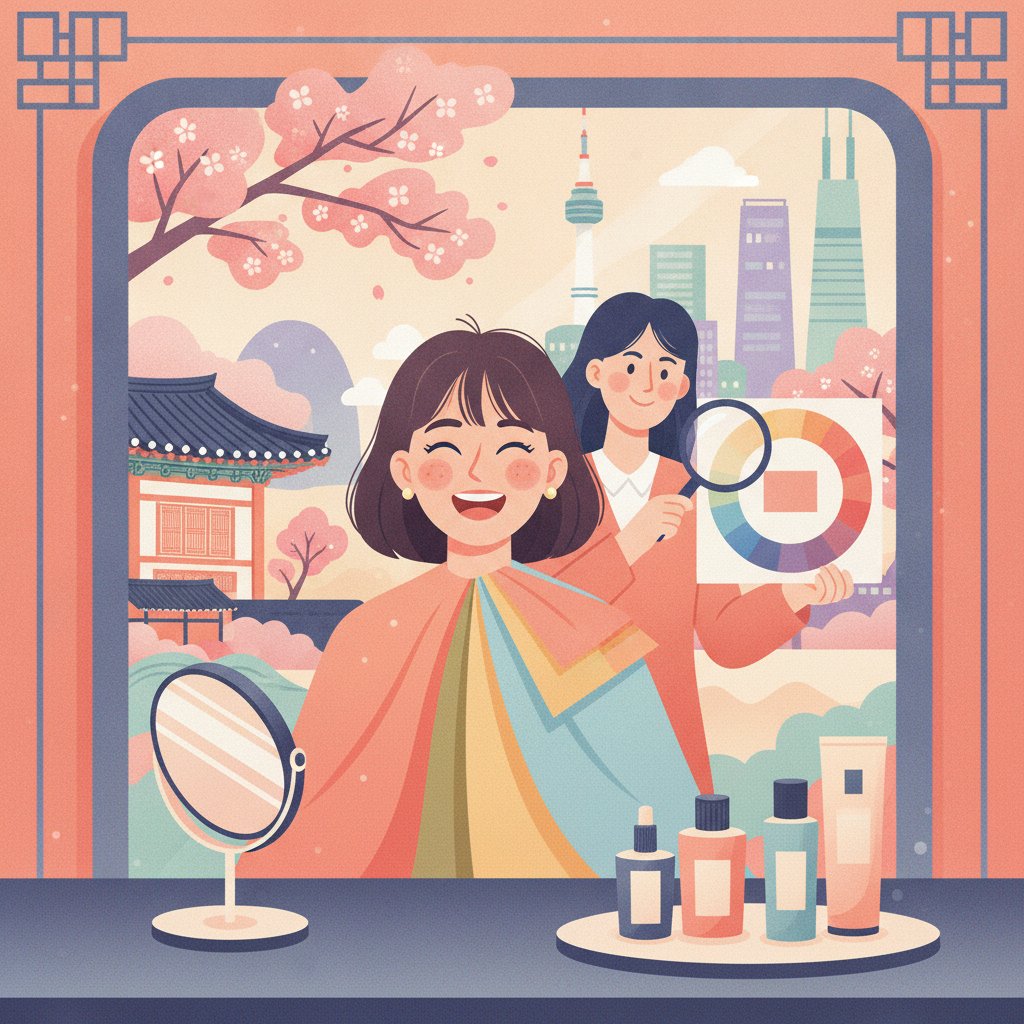
Once your appointment ends, you will hold a physical color swatching card or a digital PDF detailing your main tone, worst tones, lip shades, and hair recommendations. The absolute best place to test your new findings immediately is Olive Young, Korea’s premier health and beauty retailer.
Major Korean cosmetics brands design product lines around seasonal color theory. When browsing product displays, look out for descriptive K-beauty shade keywords:
- Warm Spring: Look for descriptors like “Coral,” “Peach,” “Warm Apricot,” or “Bright Salmon.”
- Cool Summer: Look for terms like “Muted Rose,” “Berry Nude,” “Cool Pink,” or “Dusty Lavender.”
- Warm Autumn: Seek out “Brick Red,” “Warm Chili,” “Muted Terracotta,” or “Autumn Pumpkin.”
- Cool Winter: Look for “Plum,” “Deep Cherry,” “True Red,” or “Cool Fuchsia.”
Store testers regularly label popular lip products with “Warm Tone” (웜톤) or “Cool Tone” (쿨톤) stickers on product stands. If you leave Korea and wish to replenish your items later, platforms like Olive Young Global carry these exact Korean cosmetics categorized by season, making it easy to repurchase your perfect shades from anywhere in the world.
Frequently Asked Questions
Can I get an accurate personal color analysis if I have deep or tan skin?
Yes, personal color analysis applies to all skin tones, complexions, and ethnicities. Personal color evaluates undertones, saturation preference, and contrast levels rather than how light or dark your skin tone is. Reputable studios in Seoul routinely work with international clients of diverse backgrounds and can accurately identify your best palettes.
Is it better to book an individual session or go with a partner?
If you prefer an in-depth session focused entirely on your wardrobe, hair, jewelry, and makeup, an individual session is ideal. However, booking a pair (1-on-2) session with a friend is often more enjoyable because watching someone else’s face react visually to different color drapes makes it much easier to understand how color theory works in real time.
How far in advance should I reserve a session in Seoul?
For studios with fluent English-speaking analysts, it is best to book 4 to 8 weeks in advance, particularly if you are visiting during peak travel seasons (spring and autumn). If you are looking for last-minute availability, check travel booking platforms like Klook regularly, as cancellation slots occasionally open up a few days prior.
🎟️ Popular tours & experiences in Korea
Klook.comMore on Seoul Beauty Experiences
- Head Spas in Seoul: What to Expect & CostsA guide covering types of head spas in Seoul, treatment steps, and typical costs.
- Microblading in Seoul: Booking & Care TipsA guide to microblading techniques, booking methods, pricing, and appointment steps in Seoul.
- Guide to Seshin: Korean Body Scrub ExperienceA guide covering what to expect, how to prepare, pricing, and etiquette for a Korean body scrub.
See every Seoul Beauty Experiences post in our K-Beauty guide.
Handy toolsKorea Guide Finder
Keep Reading
- How Often to Use Korean Sheet Masks and Mistakes to Avoid
- How to Pick and Use a Korean Cushion Foundation
- Myeongdong Beauty Shopping Seoul: First-Timer Tips
- How to Get Korean Glass Skin: Real Routine and Daily Habits
🎟️ Popular tours & experiences in Korea
Klook.com