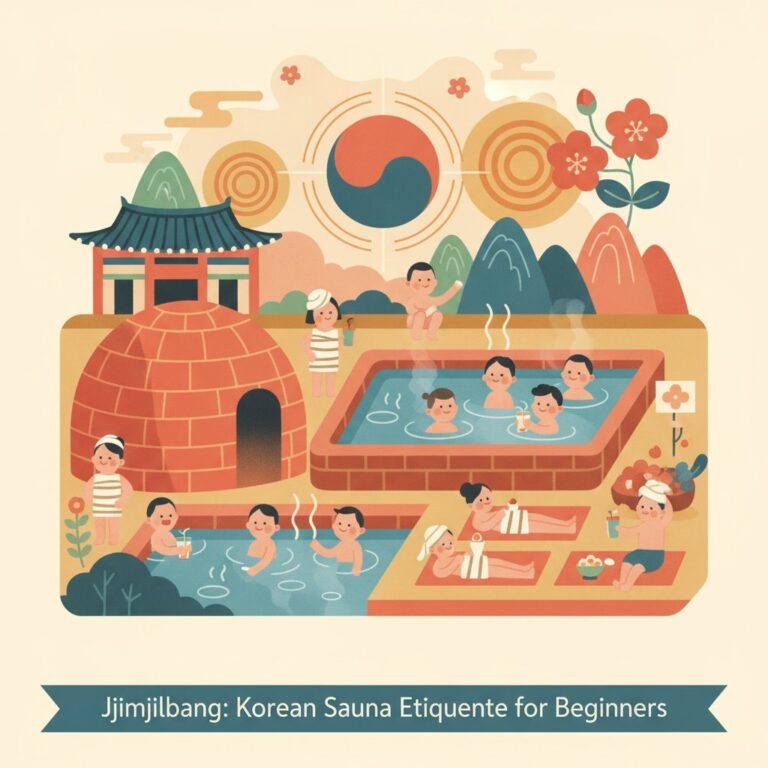
Inside the Korean Body Scrub Experience: What Seshin Is Like
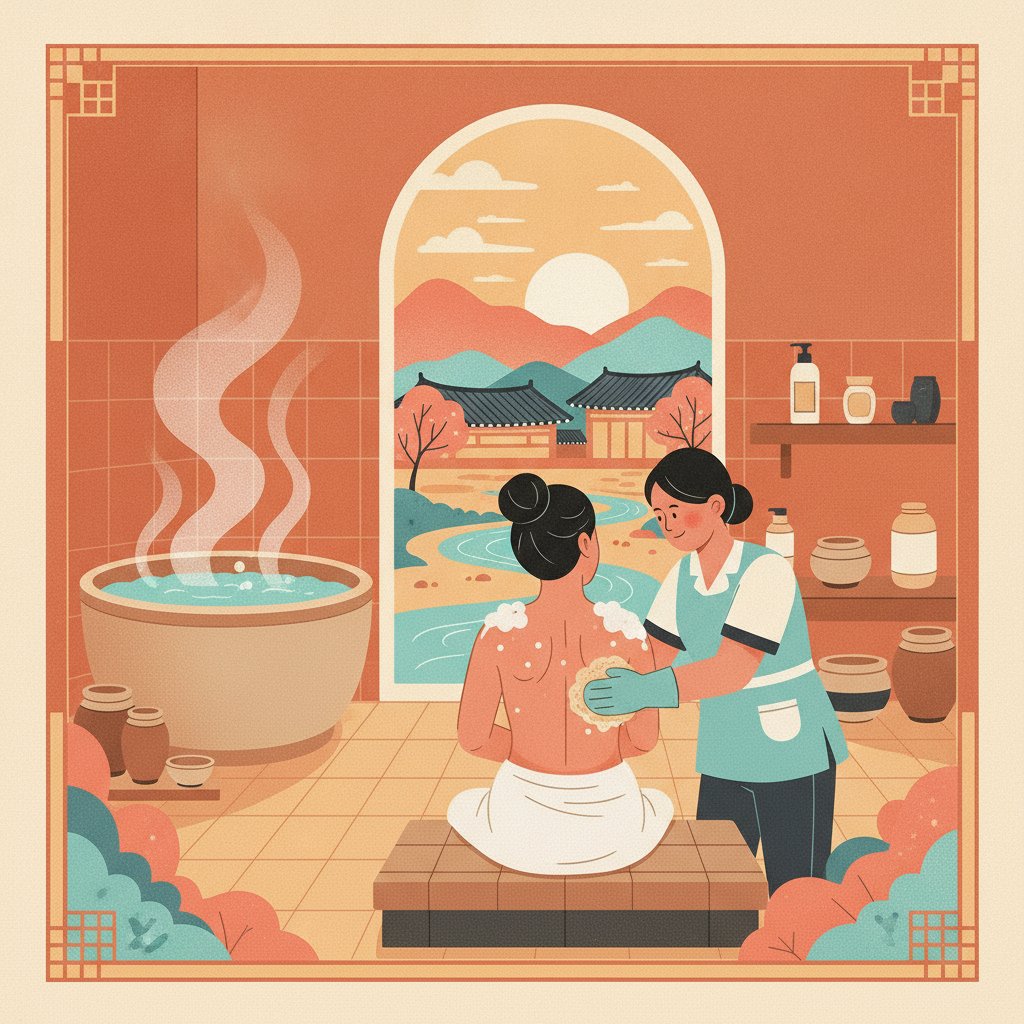
My earliest memory of a Korean bathhouse involves sitting on a low plastic stool beside my mother while an older woman wearing a waterproof apron effortlessly scrubbed layers of dead skin off my arms. As a Korean who grew up visiting the neighborhood bathhouse every winter, this process—known locally as seshin (세신) or ttae-miri (때밀이)—is a routine act of self-care. But if you are stepping into a traditional Korean bathhouse for your very first Korean body scrub experience, seeing a professional scrub master approach you with bright green viscose mitts can feel equal parts intriguing and intimidating.
The Korean body scrub experience is unlike any Western spa treatment you may have tried. There are no gentle candlelit rooms, soft instrumental flutes, or lightly scented sugar scrubs gently brushed onto dry skin. Instead, it is an intense, thorough, and intensely satisfying exfoliation ritual that leaves your skin feeling softer than it has in years. Here is a complete local guide to what actually happens during seshin, how to prepare, and what you need to know before taking off your clothes.
What Is Seshin?
In Korean, ttae (때) refers to the buildup of dead skin cells, oil, and sweat that naturally accumulates on the body, while miri means to shave or push away. Seshin is the formal term for the body scrub service provided at a bathhouse (mokyoktang) or sauna facility (jjimjilbang). The professional who performs the scrub is called a seshin-sa or simply a ttaemiri ahjumma (for women) or ttaemiri ahjussi (for men).
These bathhouse professionals are masters of their craft. Many have worked in bathhouses for decades, perfecting the precise angle, pressure, and rhythm required to roll away dead skin without breaking your skin barrier. They use specialized abrasive mitts known across Korea as “Italian towels”—a name born in the 1960s when a manufacturing plant in Busan imported viscose rayon fabric from Italy to create the iconic textured cloths.
✈️ Book your trip to Korea — hotels, flights & more
Step-by-Step: What Happens During Your Scrub
Knowing what to expect takes away the anxiety of your first appointment. While minor details vary between neighborhood bathhouses and upscale day spas, the core seshin process follows a time-tested sequence.
1. The Essential Soak
You cannot rush straight onto the scrub table. Before your session begins, you must soak in a warm or hot tub for at least 15 to 30 minutes. This step softens your skin and loosens dead skin cells. If you skip the soak, the scrub mitt will drag painfully against your skin without lifting the ttae. Water temperatures in bathhouses typically range from 38°C to 42°C (100°F to 107°F).
2. The Call to the Table
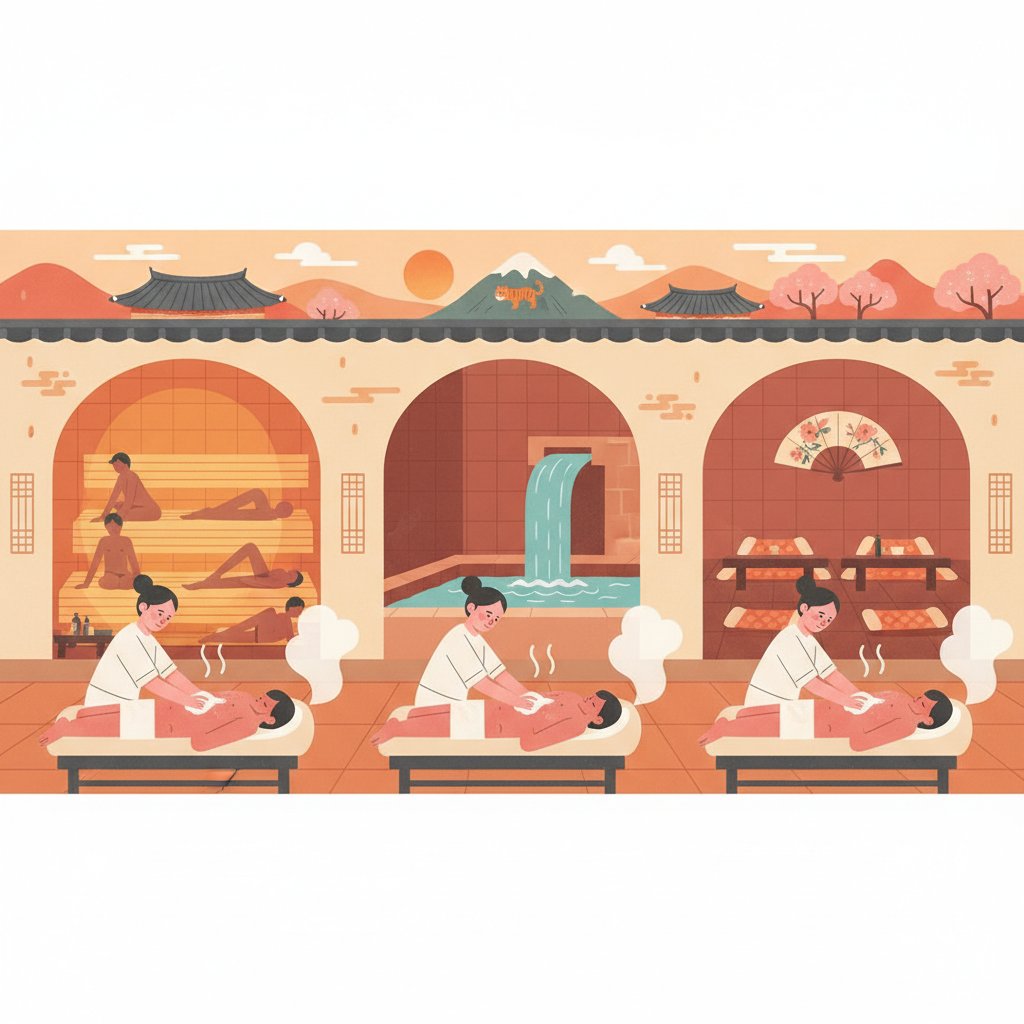
When it is your turn, the scrub master will call you over or point to an open vinyl-covered table located in the wet bath area. These tables are designed to handle continuous streams of water. You lie down completely naked on the waterproof table. A bucket of warm water is poured over your body to keep you warm and wet.
3. The Exfoliation Process
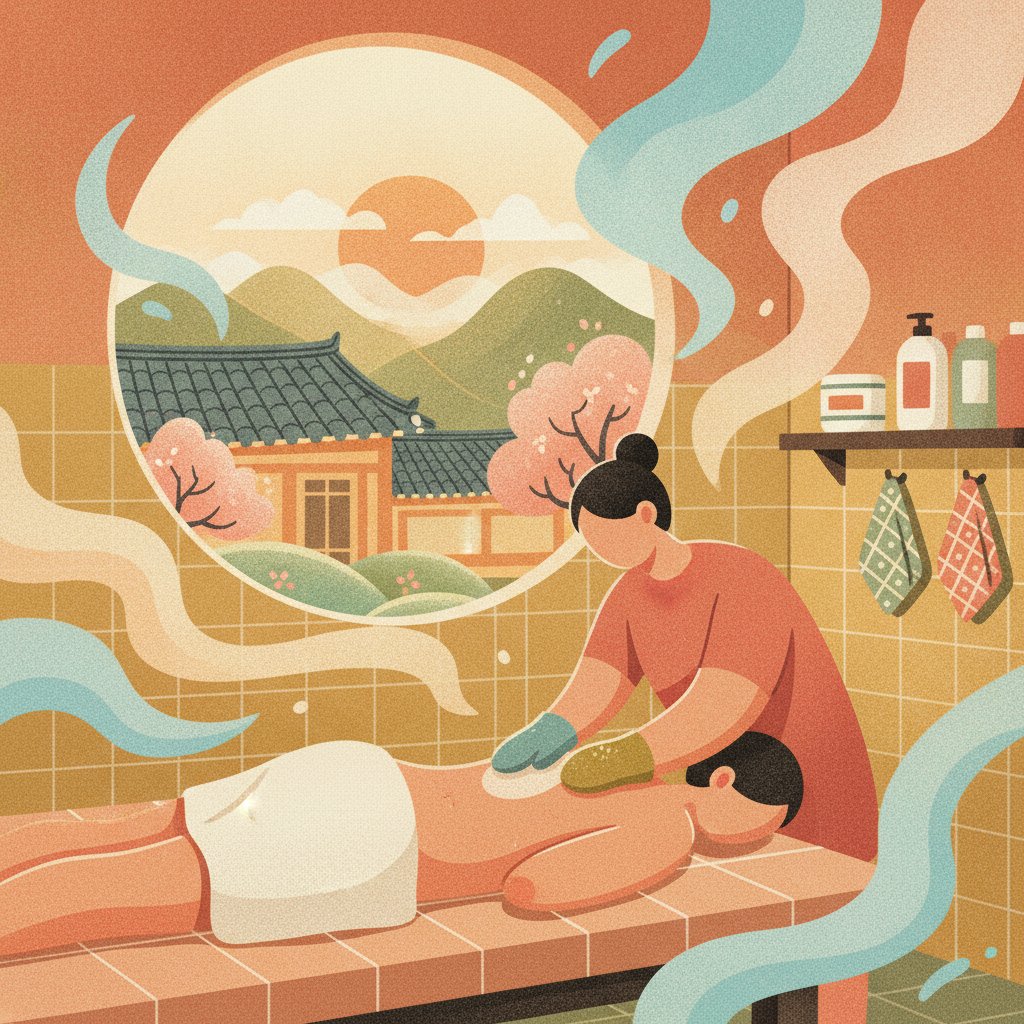
Using firm, sweeping strokes, the scrub master works systematically across your body. They start with your arms and torso before moving down to your legs, feet, back, and even behind your ears. You will be instructed to flip onto your stomach, turn on your side, and reposition yourself so every inch of skin receives equal attention.
As the scrub progresses, you will notice gray or off-white rolls of dead skin—resembling tiny eraser shavings—accumulating on your skin and the table. As a Korean, I can tell you that seeing those rolls is completely normal and considered deeply satisfying by locals. It is not dirt; it is simply hydrated, dead epidermal tissue shedding off.
4. The Rinse and Finish
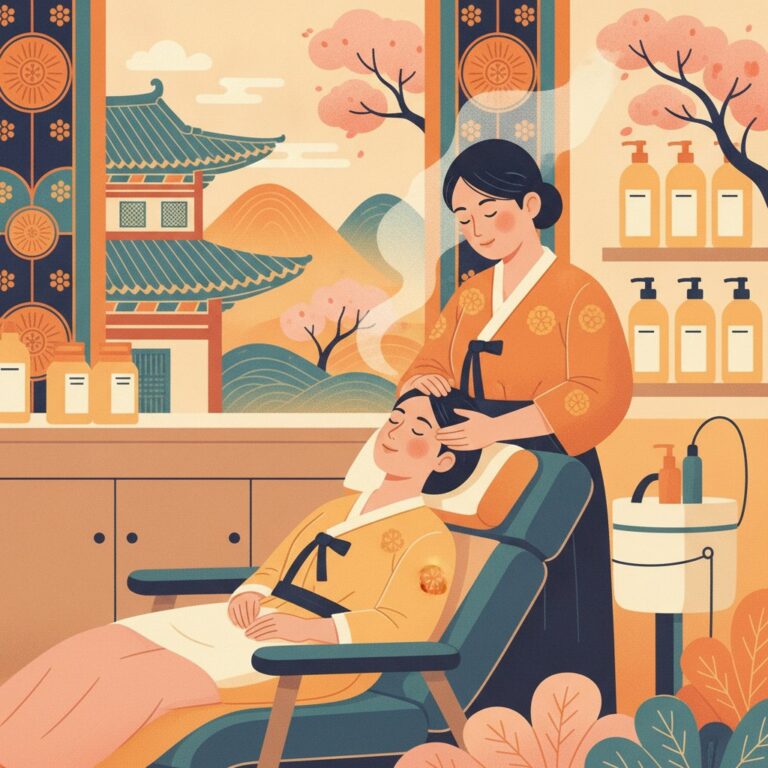
Once the full-body scrub is finished, warm water is splashed over you to rinse away all remaining debris. Many classic seshin packages conclude with a quick hair wash, a mini facial massage, or a cool cucumber mask patted onto your face. Some traditional bathhouses wrap up the treatment by splashing milk over your skin, a classic trick long believed to soothe and hydrate freshly exfoliated skin.
Pricing and Venue Types
You can book a Korean body scrub experience in several different settings across Korea, ranging from humble neighborhood bathhouses to luxury wellness centers.
| Venue Type | Typical Price Range (KRW) | Approximate USD |
|---|---|---|
| Neighborhood Mokyoktang | 25,000 – 45,000 won | $18 – $33 USD |
| Major City Jjimjilbang | 45,000 – 80,000 won | $33 – $60 USD |
| Private / Boutique Seshin Spa | 80,000 – 150,000+ won | $60 – $110+ USD |
Prices vary by location, bathhouse popularity, and the specific package selected (e.g., standard scrub versus scrub with oil massage and gold facial mask). Keep in mind that bathhouse admission fees—typically between 10,000 and 20,000 won—are usually separate from the price of the scrub service itself.
🎟️ Popular tours & experiences in Korea
Klook.comHow to Book and Navigate Your Visit
At traditional neighborhood bathhouses, booking is done in person upon arrival. When you pay at the front counter, ask if scrub services are available. You will pay for the scrub either directly at the front desk or in cash directly to the scrub master inside the bath area. In local spots, cash is often preferred by the staff inside the wet room.
If you prefer a structured reservation or feel nervous about language barriers, modern boutique scrub salons (such as women-only private seshin shops in Seoul) and luxury facilities can be booked online through major travel platforms like Klook or travel booking websites. Upscale venues like Aquafield or Paradise City Cimer offer modern, English-friendly environments where staff guide you through every step.
Essential Bathhouse Etiquette
To feel comfortable and blend in like a local, keep these key rules of Korean bathhouse culture in mind:
- Shower before soaking: Always wash your body thoroughly at the standing or seated shower stalls before entering any shared hot pools.
- Tie up long hair: Hair should be pinned up or tied securely so it does not float in communal soaking tubs.
- Embrace total nudity: Bathing suits are strictly forbidden in the gender-segregated wet bath areas of traditional bathhouses and saunas. Everyone is in the same state, and nobody is looking at you.
- Do not shave right before your scrub: Shaving your legs or face immediately before a seshin session will cause intense stinging when the rough mitt passes over sensitive skin.
- Stay hydrated: Drink plenty of water or cold barley tea before entering hot rooms and soaking tubs.
Maintaining Your Skin After a Scrub
Because seshin removes a significant layer of dead skin cells, your newly exposed skin will be temporarily sensitive. Apply a generous layer of body lotion or cream within five minutes of finishing your session while your skin is still damp. Avoid harsh active ingredients, heavy perfume sprays, or prolonged sun exposure immediately after your treatment.
If you want to maintain your smooth skin between bathhouse visits, you can buy iconic Korean scrub mitts at local convenience stores, Daiso, local markets, or online via Olive Young Global and Amazon. The green mitts represent standard coarseness, yellow mitts are softer for sensitive skin, and blue mitts are extra coarse. Use them at home once or twice a month after taking a long hot bath.
FAQ
Does a Korean body scrub hurt?
A proper seshin scrub involves firm pressure, but it should not cause sharp pain. The scrub master adjusts their force depending on the body area, taking extra care around thin skin like the inner thighs. If the pressure feels too intense, simply say “Apeayo” (It hurts) or “Sal-sal hae-juseyo” (Please do it gently), and the technician will immediately lighten their touch.
Can men get a Korean body scrub?
Yes, absolutely. Men’s bath areas in local bathhouses and jjimjilbangs have their own dedicated seshin section staffed by male scrub masters (ahjussi). The process, soaking steps, and scrub techniques are identical to those in the women’s section.
How often should you get a Korean body scrub?
Most Koreans get a professional body scrub once every two to four weeks. Over-exfoliating can strip your skin’s natural protective barrier, so it is best to allow your skin time to recover and naturally generate new skin cells between sessions.
🎟️ Popular tours & experiences in Korea
Klook.comKeep Reading
- Korean Sunscreen: Finding Your K-Beauty Match
- Olive Young: K-Beauty Picks in Korea and Online
- K-Beauty Online: Finding Authentic Products from Korea
- A Beginner’s Korean Skincare Routine
🎟️ Popular tours & experiences in Korea
Klook.com