Making the Most of Your Jeonju Day Trip from Seoul
At a glance
- In shortA guide to planning a day trip from Seoul to Jeonju, covering transport, sights, and food.
- Best forTravelers in Seoul looking for a cultural day trip
- WhereJeonju
- Key pointsTravel to Jeonju from Seoul via KTX train or express bus. · Explore Jeonju Hanok Village on foot while wearing a hanbok. · Try famous local eats like Jeonju bibimbap and Kongnamul Gukbap.
- Heads-upKTX and bus tickets fill up quickly on weekends, so book advance seats online.
Annyeonghaseyo, fellow travelers! As a Korean, I often hear visitors to Seoul ask about venturing beyond the capital. While there are countless incredible places, if you’re looking for a perfect blend of history, culture, and especially food, a Jeonju day trip is an absolute must-do.
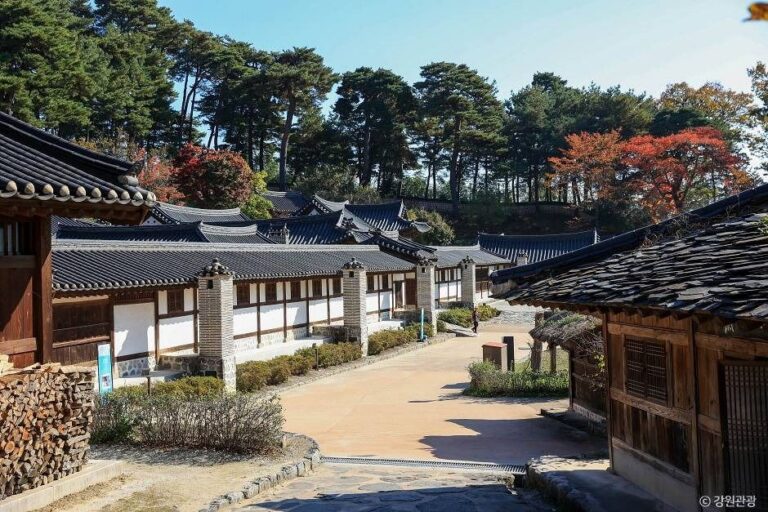
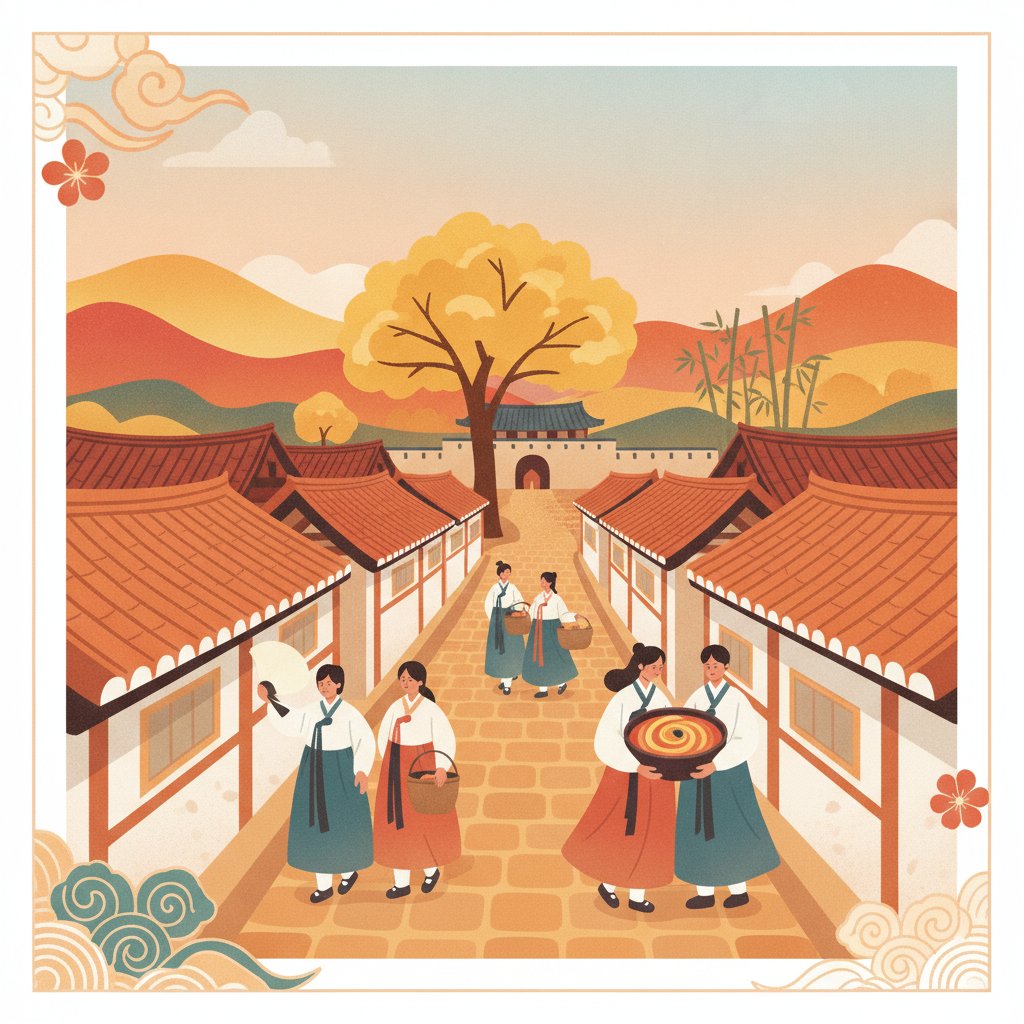
Jeonju, the capital of North Jeolla Province, is a city steeped in tradition and renowned as the birthplace of bibimbap. Its iconic Hanok Village offers a rare glimpse into Korea’s past, with hundreds of traditional Korean houses preserved and buzzing with life. It’s a place where you can truly slow down, soak in the atmosphere, and indulge in some of the most authentic Korean culinary experiences. And yes, it’s absolutely doable as a day trip from Seoul!
Why Jeonju Hanok Village for a Day Trip?
Jeonju Hanok Village isn’t just a collection of old houses; it’s a living museum where tradition meets modern convenience. Imagine strolling through narrow alleys, wearing a beautiful hanbok (traditional Korean dress), and pausing to savor street food that generations have enjoyed. For me, as a Korean, it’s a place that evokes a sense of nostalgia and pride, showing the beauty of our heritage. It’s also compact enough to explore thoroughly in a single day, making it an ideal destination for a cultural escape from the bustling cityscape of Seoul.

✈️ Book your trip to Korea — hotels, flights & more
Getting to Jeonju from Seoul
One of the first questions people ask about a Jeonju day trip is always, "How do I get there?" You have two main excellent options from Seoul: the high-speed KTX train or a comfortable express bus.
By KTX Train: The Fastest Way
If speed is your priority for your Jeonju day trip, the KTX (Korea Train eXpress) is your best bet. It’s efficient and offers a scenic journey through the Korean countryside.
- Departure Stations: KTX trains to Jeonju typically depart from Yongsan Station in Seoul. Make sure to double-check your ticket for the exact departure point.
- Journey Time: The KTX ride usually takes around 1 hour 40 minutes to 2 hours, depending on the specific train and stops. This makes it perfect for maximizing your time in Jeonju.
- Booking: You can purchase tickets online through the Korail website (KorailTalk app is also very convenient), at the station kiosks, or through ticket counters. It’s highly recommended to book in advance, especially for weekend trips, as seats can fill up quickly.
- Arrival in Jeonju: Jeonju Station is a bit outside the Hanok Village. From there, you can easily catch a local bus (many routes go directly to the village) or a taxi, which will take about 15-20 minutes.
By Express Bus: The Economical and Convenient Way
For those who prefer a more budget-friendly option or enjoy the flexibility of frequent departures, the express bus is a fantastic choice for your Jeonju day trip.
- Departure Station: Most buses to Jeonju depart from the Seoul Central City Bus Terminal (often referred to as Honam Line Terminal) which is conveniently located at Express Bus Terminal subway station (Lines 3, 7, 9).
- Journey Time: The bus ride usually takes approximately 2 hours 40 minutes to 3 hours, depending on traffic conditions and whether it’s a "premium" or "standard" express bus. Premium buses offer more spacious seating and amenities.
- Booking: Tickets can be bought at the terminal ticket counters, kiosks, or online via apps like "Kobeta" or "T-money go" (for intercity buses). Again, booking ahead, especially for weekends, is a good idea.
- Arrival in Jeonju: The Jeonju Express Bus Terminal is also a short distance from the Hanok Village. Like with the train station, local buses and taxis are readily available to take you directly there.
Always remember to check the latest schedules and fares on the Korail website or bus terminal websites before your trip, as they can vary.
Getting Around Jeonju Hanok Village
Once you arrive in Jeonju, getting to and around the Hanok Village is simple. The village itself is best explored on foot. It’s quite walkable, allowing you to discover its charm at your own pace. For getting from the train or bus terminal, local buses are efficient and inexpensive, or a short taxi ride will get you there directly.
A Perfect Day in Jeonju Hanok Village: My Recommended Itinerary
To make the most of your Jeonju day trip, here’s an itinerary that I, as a local, would recommend to friends visiting Korea:
Morning: Stepping Back in Time (9:00 AM – 1:00 PM)
- Hanbok Rental & Stroll (9:30 AM): Kick off your cultural immersion by renting a beautiful hanbok. There are numerous rental shops throughout the village. It’s a fantastic way to feel a part of the scenery and capture memorable photos. Prices usually range from 15,000 to 30,000 won for a few hours, depending on the style and accessories.
- Gyeonggijeon Shrine (10:30 AM): This is a must-visit. It houses the portrait of King Taejo, the founder of the Joseon Dynasty. The serene grounds and traditional architecture offer a peaceful start to your exploration. Allow ample time to wander.
- Jeondong Catholic Church (11:30 AM): Located right near Gyeonggijeon, this stunning Romanesque church stands out with its red brick facade against the traditional hanok backdrop. It’s one of Korea’s most beautiful and historically significant churches.
- Omokdae and Imokdae (12:30 PM): Hike up a short hill to Omokdae for a fantastic panoramic view of the entire Hanok Village. It’s breathtaking and truly captures the unique beauty of Jeonju. Imokdae is nearby and offers additional historical significance.
Lunch: A Taste of Jeonju’s Culinary Heritage (1:00 PM – 2:30 PM)
Jeonju is Korea’s food capital, and lunch here is a highlight of any Jeonju day trip!
- Jeonju Bibimbap: You simply cannot visit Jeonju without trying its most famous dish. The Jeonju version is celebrated for its specific ingredients, often including raw beef (yukhoe), ginkgo nuts, pine nuts, and the distinct bean sprout rice. It’s served beautifully in a brass bowl. Expect to pay around 10,000-15,000 won.
- Kongnamul Gukbap (Bean Sprout Soup with Rice): While bibimbap is famous, many locals (myself included!) will tell you that the true soul food of Jeonju is Kongnamul Gukbap. This warm, comforting soup with rice and crunchy bean sprouts is perfect, especially on a chilly day or after a long night. It’s usually served with a raw egg to be cracked into the hot soup. A hearty bowl typically costs 7,000-10,000 won. Many famous eateries specialize in this dish.
Afternoon: Exploring Crafts and Cafes (2:30 PM – 5:30 PM)
- Jeonju Craft Exhibition Hall & Souvenirs (2:30 PM): Browse through exquisite traditional Korean crafts, including hanji (traditional paper) products, ceramics, and woodwork. It’s a great place to find unique souvenirs.
- Traditional Tea House Experience (3:30 PM): Relax at one of the many charming traditional tea houses within the village. Sip on fragrant Korean teas like jujube tea or omija tea, accompanied by traditional snacks (hangwa). It’s a peaceful respite from walking.
- Street Food Alley Indulgence (4:30 PM): As you wander, you’ll encounter numerous street food vendors. Don’t miss trying some of Jeonju’s specialties like skewered tteokgalbi (grilled short rib patties), seasoned fried chicken skewers, mochi (rice cakes) filled with fruit, and the surprisingly delicious makgeolli ice cream.
Evening: A Farewell to Jeonju (5:30 PM onwards)
- Sunset Views: Head back to Omokdae or find a quiet spot to watch the sun set over the hanok rooftops. It’s a beautiful sight that provides a perfect close to your exploration.
- Souvenir Shopping: Before heading back to the station, pick up some last-minute Jeonju souvenirs, perhaps some authentic Jeonju choco pies or traditional alcohol.
- Departure: Make your way back to Jeonju Station or the Express Bus Terminal for your return journey to Seoul.
🎟️ Popular tours & experiences in Korea
Klook.comJeonju’s Famous Eats: What to Savor
Beyond bibimbap and kongnamul gukbap, Jeonju boasts a rich culinary landscape. Here’s a deeper dive into some must-try dishes:
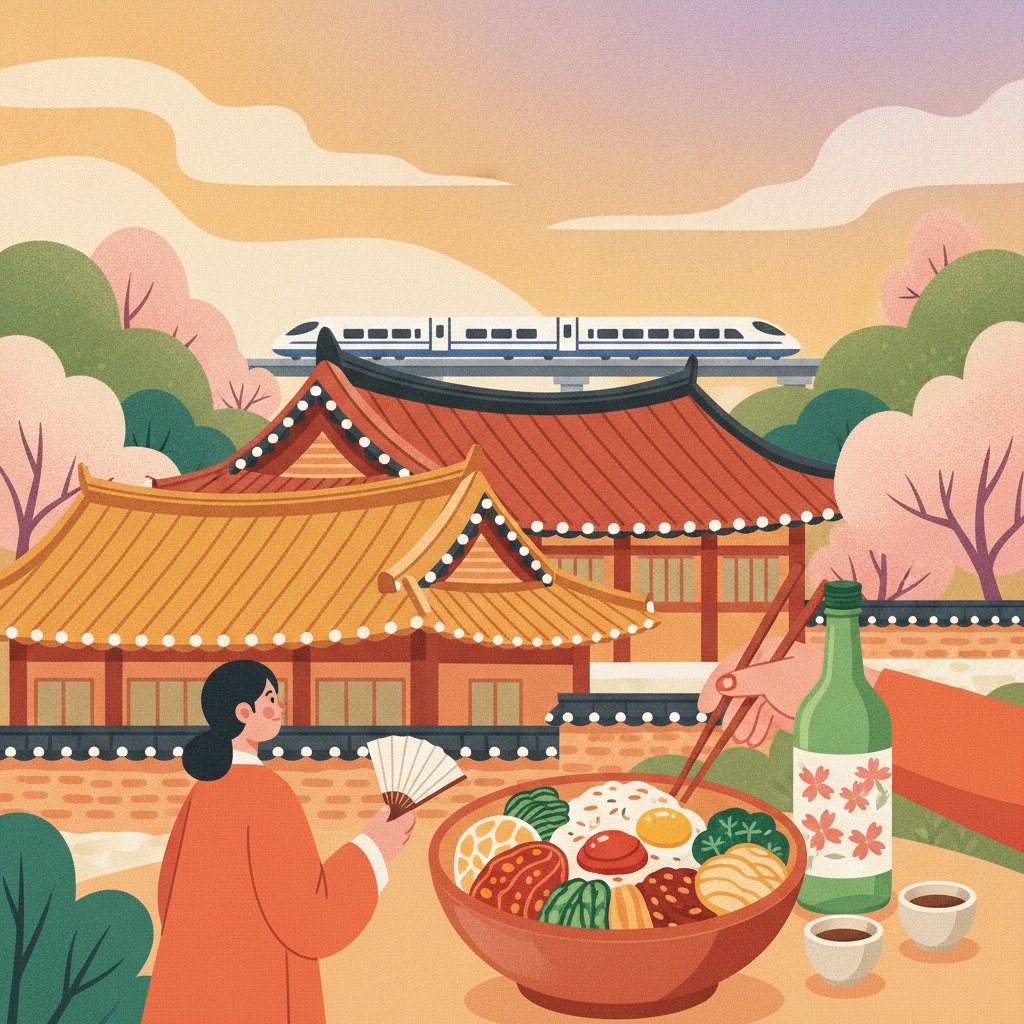
- Jeonju Bibimbap: What makes it special? The local bean sprouts (kongnamul) are famously plump and flavorful, the rice is often cooked in beef broth, and it’s adorned with a vibrant array of carefully prepared vegetables, minced beef, and a raw egg yolk. It’s a complete and balanced meal.
- Kongnamul Gukbap: This isn’t just a simple soup; it’s an art form in Jeonju. Served piping hot, often in an earthenware pot, it’s typically eaten with a side of crispy gyeran-jangjorim (soy-marinated eggs) and dried seaweed. It’s often spiced with a fermented shrimp paste (saeujeot) for an umami kick.
- Moyasa (Bean Sprout Clear Soup): Similar to kongnamul gukbap but often served without rice directly in the soup, focusing purely on the delicate flavor of the bean sprouts. It’s a lighter, refreshing option.
- Tteokgalbi: These grilled, minced short rib patties are a luxurious treat. In Jeonju, they often come in generous portions and are incredibly tender and flavorful. They can be enjoyed on their own or wrapped in lettuce with ssamjang.
- Pajeon (Korean Pancake): While found everywhere, Jeonju’s pajeon, especially those with seafood, are thick, crispy, and packed with fresh ingredients. They’re perfect for sharing.
- Jeonju Makgeolli (Rice Wine): Jeonju is famous for its unique makgeolli culture. Unlike anywhere else, you can find "makgeolli alley" where ordering a pot of makgeolli (usually around 10,000-20,000 won) comes with an astonishing spread of free side dishes (anju), ranging from jeon to seafood. It’s a true feast, though perhaps more suitable if you decide to stay overnight!
Prices are general estimates. Always check restaurant menus for current pricing.
Local Etiquette and Tips for a Smooth Trip
To ensure your Jeonju day trip is as enjoyable and respectful as possible, here are a few local tips:
- Hanbok Etiquette: If you rent a hanbok, wear it with pride and respect. While posing for photos is encouraged, remember you’re in a cultural heritage site, so keep your actions modest.
- Dining Etiquette: When eating with others, it’s common to share dishes. Use your spoon for rice and soup, and chopsticks for side dishes. It’s polite to offer food to elders first. A simple "jal meokgesseumnida" (I will eat well) before eating and "jal meogeosseumnida" (I ate well) afterwards is always appreciated.
- General Courtesy: In hanok areas, try to keep your voice down, especially when near residential parts of the village. When entering traditional buildings or shops, always check if you need to remove your shoes.
- Best Time to Visit: Spring (April-May) and Autumn (September-October) offer the most pleasant weather for walking. Weekdays tend to be less crowded than weekends. If you visit during a public holiday, expect significant crowds.
- Stay Hydrated: You’ll be doing a lot of walking, especially during warmer months. Keep water handy.
Is a Jeonju Day Trip from Seoul Worth It?
Absolutely! As a Korean, I can confidently say that a Jeonju day trip from Seoul offers an unparalleled opportunity to immerse yourself in Korea’s rich cultural past and savor its most iconic traditional foods. It’s a refreshing escape from the urban sprawl and a chance to create truly unique memories. The journey is manageable, the village is captivating, and the food is simply divine.
So, pack your bags, prepare your appetite, and get ready for an unforgettable journey into the heart of Korean tradition. Jeonju awaits!
More on Day Trips from Seoul
- Essential DMZ Tour Tips from SeoulA practical guide to booking, pricing, rules, and key sites for visiting the Korean DMZ on a day trip from Seoul.
- Gangneung KDrama Day Trip GuideA complete guide to a Gangneung day trip from Seoul, covering K-Media spots, cafes, and local eats.
- Suwon Hwaseong Fortress Day Trip GuideA practical guide to visiting Suwon Hwaseong Fortress from Seoul, including transit options, routes, and food.
See every Day Trips from Seoul post in our K-Travel guide.
Handy toolsKorea travel essentials · Trip budget calculator · Korea Guide Finder
🎟️ Popular tours & experiences in Korea
Klook.comKeep Reading
- Sogeumsan Mountain Grand Valley (소금산그랜드밸리): A Local’s Guide
- Hado Fishing Village (하도어촌체험마을): Your Jeju Experience
- Mangmidangil Street (망미단길): A Local’s Guide to Busan’s Hidden Gem
- Pohang Travel Guide: Space Walk, Coastal Views, and K-Drama Spots
🎟️ Popular tours & experiences in Korea
Klook.com