Jeju Dongbaek Village (제주 동백마을): A Local’s Guide
At a glance
- In shortA guide to visiting Jeju Dongbaek Village, covering its camellia forest, activities, costs, and travel tips.
- Best forTravelers seeking local cultural experiences in Jeju
- WhereJeju
- Key pointsHome to ancient 300-to-400-year-old native camellia trees in Seogwipo. · Offers local camellia oil, soap-making workshops, and cooking classes. · Entry and parking are free; tangerines are harvested from October to March.
- Heads-upThe village is closed on Wednesdays, Saturdays, Sundays, and all public holidays.
Discovering the Enduring Beauty of Jeju Dongbaek Village
Annyeonghaseyo, dear readers of Seoul & Beyond! As a local Korean, there’s nothing I love more than sharing the hidden gems and breathtaking landscapes of our beautiful country with you. And when it comes to natural beauty and cultural richness, Jeju Island, our beloved ‘Island of the Gods,’ always holds a special place in my heart. Today, I want to transport you to a truly enchanting spot on Jeju’s southern coast: Jeju Dongbaek Village (제주 동백마을).
Nestled in the picturesque Seogwipo region, this village is more than just a destination; it’s a living, breathing testament to nature’s enduring artistry and a community’s dedication. Dongbaek, as you might know, is the Korean word for camellia, and this village is utterly devoted to this elegant, winter-blooming flower. Imagine a place where history, nature, and heartwarming community spirit intertwine seamlessly, offering a unique glimpse into Jeju’s soul. That, my friends, is Jeju Dongbaek Village.
A Timeless Connection to Nature: The Camellia Forest
The moment you step into Jeju Dongbaek Village, you’ll feel a sense of tranquility wash over you, a feeling deepened by the knowledge of its profound history. This is not just any village; it boasts a remarkable 300-year history, intimately intertwined with its native camellia trees. These aren’t young saplings, but ancient, venerable giants, some of them 300 to 400 years old, gracefully scattered throughout the village. Walking among these magnificent trees is like stepping back in time, feeling the whispers of centuries past carried on the gentle Jeju breeze. Each gnarled trunk and resilient branch tells a story of survival, beauty, and unwavering connection to the land.
During the cooler months, especially from late autumn through winter, these camellia trees burst into vibrant bloom, painting the village in stunning shades of red and pink. Even outside of peak blooming season, the lush greenery of the camellia forest provides a refreshing and serene environment for a leisurely stroll. It’s a perfect spot for photography, meditation, or simply enjoying a peaceful moment away from the bustling world. The sheer scale and age of these trees are truly awe-inspiring, making you appreciate the village residents’ unwavering commitment to preserving this precious natural heritage for future generations.
Taste, Touch, and Experience: Camellia’s Rich Bounty
Jeju Dongbaek Village isn’t just about admiring the trees; it’s about engaging with the camellia in a multitude of wonderful ways. One of the village’s most authentic treasures is its community-operated mill, where visitors have the unique opportunity to purchase genuine, high-quality camellia oil. This isn’t mass-produced oil; it’s a product of generations of local knowledge and care, extracted from the seeds of the very trees that surround you. Camellia oil is highly prized in Korea, not only for its delicate flavor in cooking but also for its incredible benefits in traditional skincare and hair care. Taking home a bottle of this authentic oil is like taking a piece of Jeju’s natural goodness with you, a perfect souvenir that offers both beauty and utility.
Beyond purchasing, the village truly invites you to roll up your sleeves and get involved with its various hands-on experience programs. Imagine crafting your very own camellia soap, infusing it with the essence of these beautiful flowers. It’s a wonderfully therapeutic and creative activity, resulting in a personalized memento of your visit. For those who love culinary adventures, the cooking classes using camellia oil are an absolute delight. You’ll learn how this versatile oil can elevate local dishes, adding a subtle richness and unique flavor profile. These programs offer a fantastic way to immerse yourself in the local culture and appreciate the many uses of the camellia plant, fostering a deeper connection to the village and its traditions.
Seasonal Delights and Community Spirit
Adding another layer to the village’s charm are its seasonal offerings. If you happen to visit between October and March, you’re in for a special treat! This is the season when the village residents, with their diligent hands and deep understanding of Jeju’s fertile soil, harvest delicious tangerines. Visitors during these months can purchase these locally produced, fresh, and incredibly sweet tangerines directly from the source. There’s something incredibly satisfying about enjoying fruit picked straight from the trees of the very community you’re visiting, knowing that your purchase directly supports the local families. It’s a true farm-to-table experience, Jeju style!
This dedication to local produce, alongside the preservation of the camellia forest, truly highlights the robust community spirit of Jeju Dongbaek Village. The residents are not just inhabitants; they are custodians of a legacy, actively involved in various projects aimed at sustaining their unique way of life and the natural environment. You’ll feel their warmth and genuine hospitality, making your visit not just a sightseeing trip, but a heartfelt encounter with a thriving, harmonious community.
Practical Information for Your Visit
Planning your trip to Jeju Dongbaek Village is straightforward, but a few key details will help you make the most of it. The village welcomes visitors from 09:00 in the morning until 18:00 in the evening. It’s an ideal spot for a relaxed morning or afternoon excursion. While exploring this beautiful village, you’ll be happy to know that admission is completely free, allowing everyone to enjoy its natural and cultural wonders. For those driving, parking is readily available and also free of charge, making it convenient to access. Should you have any questions or wish to inquire further before your visit, you can reach out to the village directly at +82-64-764-8756.
How to Get There
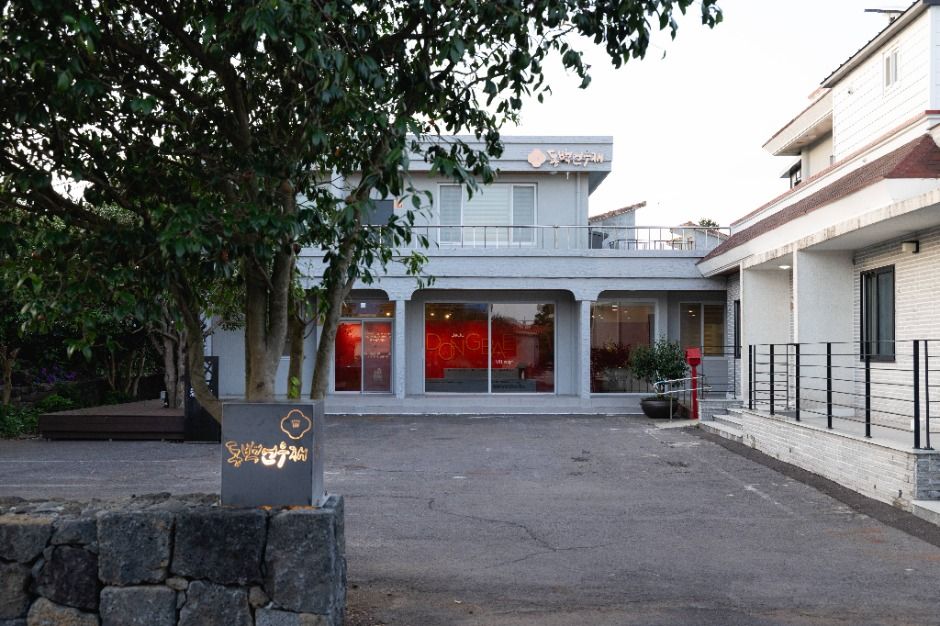
Jeju Dongbaek Village is located at 22-1 Hansin-ro 531beon-gil, Namwon-eup, Seogwipo-si, Jeju-do. As it’s on Jeju Island, there’s no subway system. Your best options for getting there from major points on the island, such as Jeju City or Seogwipo City, would be by local bus or taxi. Buses on Jeju Island are quite efficient, but depending on your starting point, a taxi might offer a more direct and convenient route, especially if you’re traveling with family or have limited time. It’s always a good idea to use a navigation app or consult with your hotel staff for the most current bus routes and schedules, or to help arrange a taxi for you. Being in the Namwon-eup area of Seogwipo-si, it’s easily accessible once you are in the southern part of the island.
Transportation Options Comparison
| Mode | Approx. Cost | Best For |
|---|---|---|
| Public Bus | ~1,200–3,000 KRW | Budget travelers & solo visitors |
| Taxi | ~15,000–35,000 KRW | Families, groups, or direct point-to-point travel |
| Rental Car | Varies (Daily Rate) | Travelers exploring multiple Seogwipo sites |
Real Cost Example
To help you budget your day trip, here is a practical sample scenario. Note that prices drift over time and seasonal activity rates may change, so please verify exact details before relying on them for travel plans.
- Village Entry: 0 KRW (Free entry)
- Parking Fee: 0 KRW (Free parking on site)
- Transport (Round Trip): ~2,400–6,000 KRW by bus or ~30,000–50,000 KRW by taxi from central Seogwipo
- Local Souvenir / Product: ~10,000–25,000 KRW (e.g., community-milled camellia oil or fresh tangerines)
- Estimated Total Out-of-Pocket: ~12,500–75,000 KRW per person depending on transport choices and local purchases.
Tips Before You Go
- Check Operating Hours: While I’ve shared the general hours, please keep in mind that the village is closed on Wednesdays, Saturdays, Sundays, and all public holidays. This is crucial to remember when planning your visit, as you wouldn’t want to arrive on a closed day! Always double-check their current schedule closer to your travel date, perhaps by calling the contact number provided, to ensure there haven’t been any changes.
- Comfortable Shoes: You’ll be doing a fair bit of walking as you explore the camellia forest and the charming village pathways, so comfortable footwear is a must.
- Seasonal Attire: If visiting during the camellia blooming season (October to March), be prepared for cooler weather. If you’re coming in the tangerine season, likewise, dress appropriately for autumn or winter on Jeju.
- Support Local: Don’t forget to bring some cash or card to purchase authentic camellia oil or the delicious seasonal tangerines – it’s a wonderful way to support the local community directly.
A Memory to Cherish
Jeju Dongbaek Village is truly a place where time seems to slow down, allowing you to connect with nature, tradition, and a warm community spirit. Whether you’re captivated by the ancient camellia trees, eager to learn about traditional crafts, or simply seeking a peaceful retreat, this village offers a rich and authentic Jeju experience. So, on your next adventure to our beautiful island, make sure to add Jeju Dongbaek Village to your itinerary. I promise, it’s a memory you’ll cherish long after you’ve returned home. Happy travels, and I hope to see you in Korea soon!
✈️ Book your trip to Korea — hotels, flights & more
Key Takeaways
- Free & Authentic Community Access: Admission and parking are completely free, offering a genuine look into a historic 300-year-old Jeju village without commercial markups.
- Optimal Visit Timing: Plan your trip between October and March to enjoy vibrant camellia blooms alongside sweet, locally harvested winter tangerines.
- Important Schedule Constraint: The village is closed on Wednesdays, Saturdays, Sundays, and public holidays, making mid-week visits essential.
- Direct Community Support: Purchasing local products like community-milled camellia oil directly supports resident families and ongoing heritage preservation.
More on Jeju Island Travel
- Nexon Computer Museum GuideA guide to visiting Jeju's Nexon Computer Museum, including hours, fees, exhibits, and location tips.
- Waterworld Jeju: Local Guide to Media ParkA comprehensive guide to Waterworld Jeju media park, including prices, facilities, and travel tips.
- Hallasan Mountain: A Local's Guide to JejuA local guide covering Hallasan Mountain's trails, unique ecosystem, and essential visitor details.
See every Jeju Island Travel post in our K-Travel guide.
Handy toolsKorea travel essentials · Trip budget calculator · Korea Guide Finder
🎟️ Popular tours & experiences in Korea
Klook.comKeep Reading
- Busan Cine Road (부산 영화의 거리): A Local’s Guide
- Seongyojang House (강릉 선교장): A Local’s Guide
- Goseong Hwaamsa Temple (화암사(고성)): A Local’s Guide
- Hallim Port (한림항): A Local’s Guide to Jeju’s Charming Coastal Gem
🎟️ Popular tours & experiences in Korea
Klook.com