Goseong Hwaamsa Temple (화암사(고성)): A Local’s Guide
At a glance
- In shortExplore Goseong Hwaamsa Temple's history, tea house, Templestay retreat, and transport tips.
- Best forTravelers looking for a peaceful temple retreat in Korea
- WhereGangwon
- Key pointsTraces to Silla period; present structures built in 1991 for World Jamboree. · Offers a traditional tea house and Templestay healing retreat programs. · Featured on tvN's Summer Vacation with Jung Yu-mi and Choi Woo-shik.
- Heads-upGoseong-gun is rural with no direct subway connection, so take an intercity bus.
An Authentic Glimpse into Tranquility: Goseong Hwaamsa Temple
Annyeonghaseyo, my dear travel buddies and fellow explorers! It’s your local friend here from “Seoul & Beyond,” ready to whisk you away on another journey to one of Korea’s most serene and spiritually enriching destinations. Today, we’re venturing out of the bustling city and heading east to the breathtaking landscapes of Gangwon-do, specifically to a place where history whispers through ancient trees and peace settles deep within your soul: Goseong Hwaamsa Temple (화암사(고성)).
Trust me when I say, if you’re looking to truly connect with Korea’s spiritual heritage, unwind in nature’s embrace, and perhaps even experience a slice of Hallyu charm, Hwaamsa Temple is an absolute must-visit. It’s a place where the air feels cleaner, the sounds are softer, and every step invites a sense of calm. As a local, I often find myself drawn to such sanctuaries when the city hustle gets a bit too much, and Hwaamsa Temple consistently delivers that much-needed respite.
Goseong Hwaamsa Temple: A Tapestry of History and Enduring Serenity
Imagine a place that has stood the test of time, adapting and evolving while always retaining its profound spiritual essence. That, my friends, is Goseong Hwaamsa Temple. Its story is a long and fascinating one, stretching all the way back to the Silla period, a golden age in Korean history when Buddhism first truly flourished on the peninsula. To think that these grounds have been a site of contemplation and prayer for centuries truly gives you a sense of awe.
Like many ancient temples, Hwaamsa Temple has undergone numerous repairs throughout its long history, each restoration adding another layer to its rich narrative. Temples in Korea often face challenges from natural elements or historical conflicts, and their resilience, rebuilt time and again, is a testament to the enduring faith and dedication of their custodians. What’s particularly interesting about Hwaamsa Temple is that it even moved locations! Yes, you heard that right. In 1864, the entire temple was relocated to its current, beautifully chosen spot. This wasn’t a small feat, I assure you, and it speaks volumes about the importance placed on its preservation.
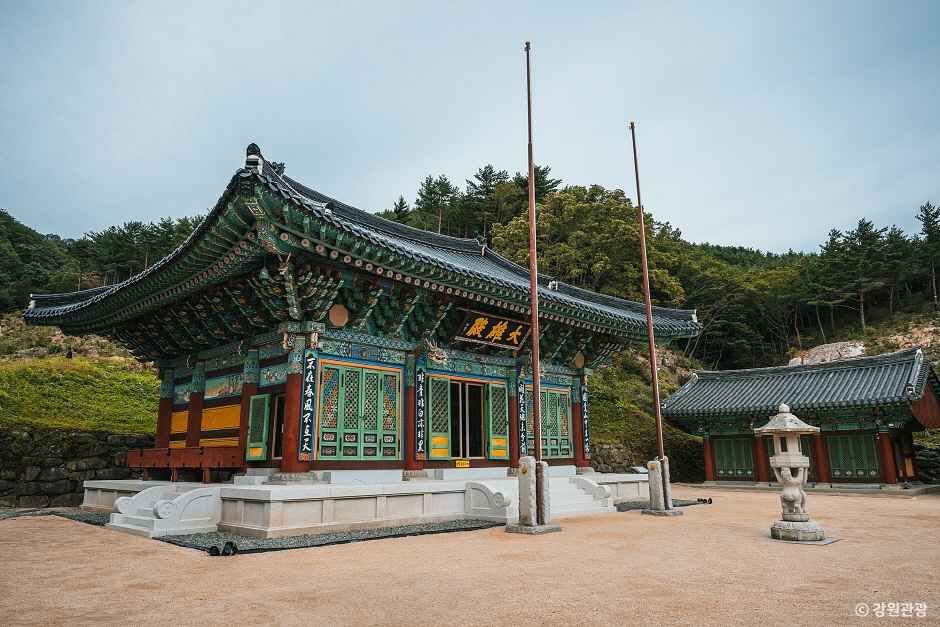
While the temple’s roots are ancient, the structures you see today have a more recent history, having been built in 1991. These newer buildings were constructed specifically for the World Jamboree, an international scouting event that brings together young people from all corners of the globe. This blend of ancient spiritual practice within relatively modern architecture creates a unique atmosphere, showing how tradition can thrive and adapt in contemporary settings.
The temple’s name, too, has evolved over the centuries, reflecting changes in its identity or perhaps simply new understandings of its essence. The current and much-loved name, Hwaamsa Temple, was officially given in 1912. “Hwaam” often signifies a rock or a peak that is beautiful or adorned, perfectly capturing the temple’s pristine natural surroundings. And speaking of nature, this is where Hwaamsa truly shines. It is nestled in what can only be described as a pristine natural environment, surrounded by lush mountains and the gentle sounds of the forest. It’s a place where you can breathe deeply, letting the clean mountain air invigorate your senses.
Within this peaceful sanctuary, you’ll also discover a traditional tea house. Now, my chingudeul, let me tell you, a traditional tea house at a temple is not just a place for a beverage; it’s an experience. It’s where you can slow down, savor the moment, and engage in quiet contemplation. Sipping a warm cup of traditional Korean tea, perhaps while gazing out at the verdant landscape, is an incredible way to relax and feel truly at peace. It’s an integral part of the temple experience, offering a quiet space for reflection amidst your visit.
Finding Inner Peace: The “Summer Vacation” Healing Retreat
For those of you who follow Korean variety shows or K-dramas, you might already be familiar with Hwaamsa Temple, thanks to its appearance on tvN’s popular variety show, “Summer Vacation.” This show, known for its emphasis on rest and healing, brought two beloved actors, Jung Yu-mi and Choi Woo-shik, to Hwaamsa Temple for a special Templestay program. And let me tell you, their experience really showcased the profound healing power of this tranquil place!
A Templestay is a unique cultural program that allows visitors to experience the daily life of Buddhist practitioners at a traditional Korean temple. It’s not just about sightseeing; it’s about immersion, reflection, and finding inner quiet. Jung Yu-mi and Choi Woo-shik truly embraced this healing retreat, participating in various temple activities that are designed to bring peace of mind away from the stresses of daily routines. Imagine waking up to the serene sounds of the temple, participating in morning prayers as the sun rises, and engaging in peaceful tea talks with Buddhist monks. These aren’t just activities; they are opportunities for deep introspection and a genuine connection with a different way of living.
The show beautifully captured how the two actors found peace and rejuvenation through these experiences. From the simple act of preparing their own meals to engaging in mindful conversations and meditation, every aspect of their Templestay at Hwaamsa Temple contributed to a sense of well-being. It highlighted the temple as a sanctuary where one can truly “rest your body and mind in nature’s embrace.” For anyone seeking a meaningful break from the everyday, a chance to recharge, and perhaps even a gentle introduction to Buddhist culture, a visit to Hwaamsa Temple, whether for a day trip or a Templestay, is highly recommended as a truly special destination.
Goseong, Gangwon-do: A Region of Natural Splendor
Beyond the spiritual haven of Hwaamsa Temple, the region of Goseong in Gangwon-do offers its own unique allure. Gangwon-do, located on Korea’s northeastern coast, is widely celebrated for its pristine natural beauty. It’s a province characterized by majestic mountains, including parts of the iconic Seoraksan National Park, and a stunning coastline dotted with picturesque beaches and charming fishing villages. When you travel to Goseong, you’re not just visiting a temple; you’re immersing yourself in an area renowned for its fresh air, clean waters, and an abundance of outdoor activities.
The culinary scene in Gangwon-do also reflects its natural bounty. While I won’t recommend specific menu items as they can change, generally, you can expect to find delicious, fresh seafood along the coast, and mountain vegetables and hearty dishes inland. Temple food, which focuses on seasonal, plant-based ingredients prepared with mindfulness, is another unique culinary experience you might encounter in the vicinity of temples like Hwaamsa. It’s simple, wholesome, and profoundly nourishing for both body and soul, aligning perfectly with the serene atmosphere of the temple itself.
How to Get There: Journey to Goseong Hwaamsa Temple
Getting to a serene retreat like Hwaamsa Temple often means venturing a little off the beaten path, but the journey itself can be part of the adventure! Goseong Hwaamsa Temple is located at 100 Hwaamsa-gil, Toseong-myeon, Goseong-gun, Gangwon-do. Since Goseong-gun is a more rural area, there isn’t a direct subway connection, but don’t let that deter you! Korea’s public transportation system is excellent, and reaching Hwaamsa Temple is definitely achievable.
- From Seoul and Major Cities: Your primary mode of long-distance transport will be an intercity bus. You can catch a bus from major terminals like Seoul Express Bus Terminal or Dongseoul Bus Terminal to destinations in or near Goseong.
- To Sokcho First: Often, travelers find it convenient to take an intercity bus to Sokcho (속초), a larger city just south of Goseong. Sokcho is a bustling coastal hub with more frequent bus services and connections. From Sokcho, Goseong Hwaamsa Temple is a relatively short additional journey.
- Local Connections to Hwaamsa Temple: Once you’re in Goseong-gun or Sokcho, you’ll need to rely on local buses or taxis to reach the temple. For example, from Sokcho, you can usually find local buses heading towards Toseong-myeon or specific routes that pass by Hwaamsa Temple. Taxis are also readily available from Sokcho Bus Terminal and can take you directly to the temple, offering a more convenient, though slightly pricier, option. If you plan to take a taxi, having the address (화암사, 100 Hwaamsa-gil, Toseong-myeon, Goseong-gun, Gangwon-do) written in Korean will be very helpful for the driver.
While it requires a bit more planning than, say, a subway ride in Seoul, the scenic route through Gangwon-do’s stunning landscapes makes the journey to Hwaamsa Temple an experience in itself. Allow ample travel time and enjoy the beautiful views along the way!
Tips Before You Go: Making the Most of Your Visit
To ensure your visit to Goseong Hwaamsa Temple is as smooth and enriching as possible, here are a few local tips:
- Check Ahead for Hours and Services: While the temple grounds are generally accessible, specific facilities like the traditional tea house or the availability of Templestay programs can have varying hours or require advance booking. Always check their official website or call ahead (if possible, with help from a Korean speaker) to confirm current operating hours and program details before your visit. This is especially true if you are planning to participate in a Templestay, as these often have specific schedules and registration processes.
- Dress Respectfully: As a place of worship, it’s always appropriate to dress modestly when visiting a temple. This generally means covering your shoulders and knees. Comfortable shoes are also a must, as you’ll likely be doing a fair bit of walking around the temple grounds and potentially on unpaved paths.
- Embrace the Quiet: Hwaamsa Temple is a place of peace and contemplation. Try to embrace the quiet atmosphere. Turn off your phone or put it on silent, and avoid loud conversations. This allows you and others to fully appreciate the serene environment.
- Stay Hydrated and Prepared: Especially during warmer months, carry water with you. If you plan to explore the surrounding natural environment, be prepared with appropriate gear for walking or light hiking.
- Respect Temple Etiquette: When entering temple halls, remember to remove your shoes. While photography is generally allowed in most outdoor areas, be mindful of people praying or meditating, and avoid taking photos inside prayer halls without permission.
Goseong Hwaamsa Temple is truly a jewel of Gangwon-do, offering a unique blend of history, nature, and spiritual solace. Whether you’re a fan of “Summer Vacation” looking to follow in Jung Yu-mi and Choi Woo-shik’s footsteps, or simply a traveler seeking a moment of peace away from the hustle and bustle, this temple promises an unforgettable experience. Come, find your peace, and discover the magic that lies within this serene Korean sanctuary. Until next time, travel safe and happy exploring!
✈️ Book your trip to Korea — hotels, flights & more
Good to Know
| Hours | Open 24 hours |
|---|---|
| Parking | Available Charge(4,000won) |
| Contact | +82-33-633-1525 |
| Restrooms | Available |
Details above are from the Korea Tourism Organization and may change — double-check before you visit.
Location & Map
📍 100 Hwaamsa-gil, Toseong-myeon, Goseong-gun, Gangwon-do
🎟️ Popular tours & experiences in Korea
Klook.comUseful Links
More on Regional South Korea Travel
- Guide to Seongyojang House in GangneungA guide to Seongyojang House, a preserved Joseon aristocratic estate in Gangneung.
- Cheongok Golden Bat Cave GuideA guide to exploring Cheongok Golden Bat Cave in Donghae, covering hours, fees, and key features.
- Mogok Retreat Chapel GuideA guide to visiting Mogok Retreat Chapel in Hongcheon, including its K-drama link, location, and travel details.
See every Regional South Korea Travel post in our K-Travel guide.
Handy toolsKorea travel essentials · Trip budget calculator · Korea Guide Finder
Keep Reading
- Hallim Port (한림항): A Local’s Guide to Jeju’s Charming Coastal Gem
- B-Con Ground (비콘그라운드), Busan’s Underpass Creative Hub
- Aqua Planet Jeju (아쿠아플라넷 제주): A Local’s Guide
- F1963: Busan’s Regenerated Cultural Gem, A Local’s Perspective
🎟️ Popular tours & experiences in Korea
Klook.com