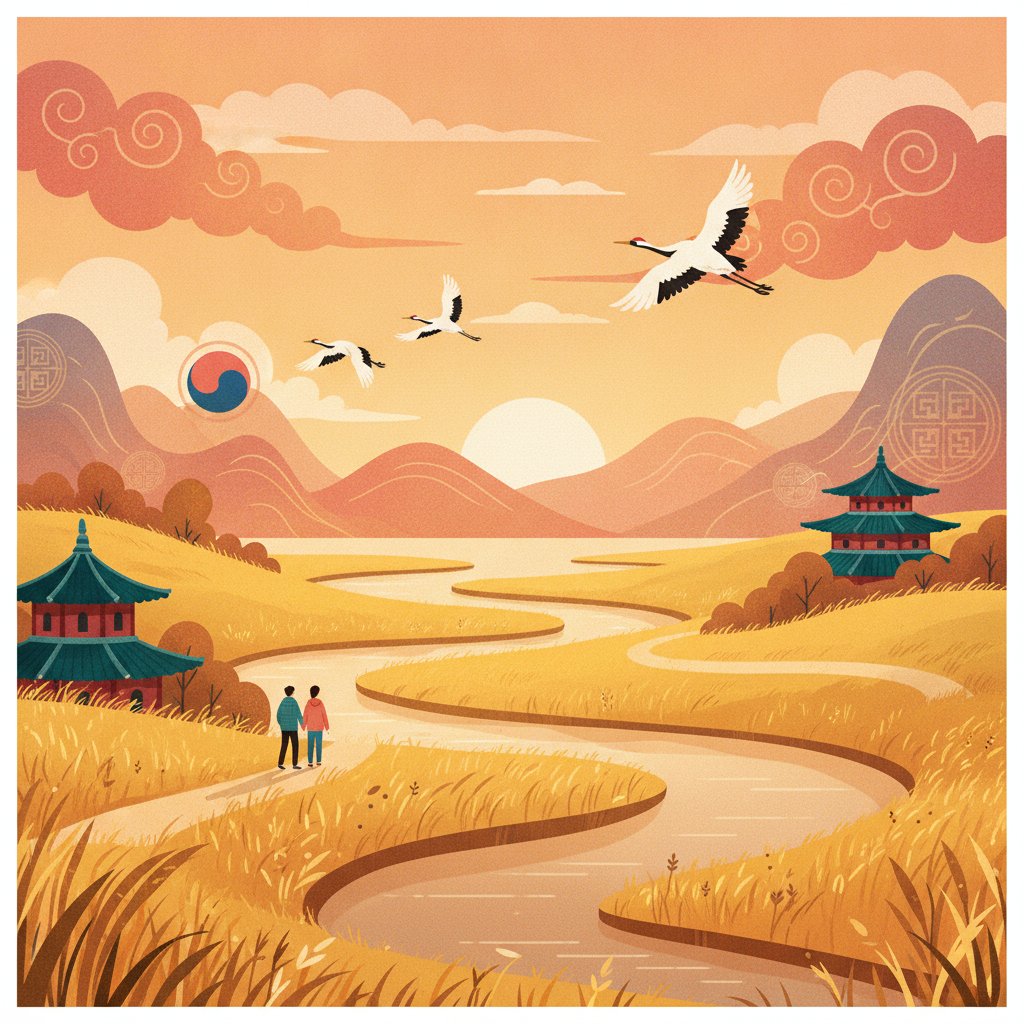
Suncheon Bay Travel Guide: Best Seasons and Routes
Standing at Yongsan Observatory just as the evening light hits the tidal flats, watching millions of silver-gold reeds sway in the coastal breeze, is one of those moments in Korea that stays with you forever. Most international visitors focus their itineraries on the bright lights of Seoul, the ocean views of Busan, or the scenic volcanic trails of Jeju Island. As a Korean who frequently travels down to our southern provinces, I always tell friends from abroad that Suncheon Bay Wetland Reserve offers a totally different, tranquil side of our country that you simply cannot find in the capital.
Located in South Jeolla Province (Jeollanam-do), Suncheon Bay is one of the world’s most pristine coastal wetlands, recognized globally for its ecological value. Whether you are a photography enthusiast, a nature lover, or simply looking to escape the concrete jungle for a quiet day trip, this Suncheon bay travel guide breaks down everything you need to know to plan a smooth trip from Seoul or Busan.
Why Suncheon Bay Belongs on Your Korea Itinerary
Suncheon Bay is famous for possessing the largest reed bed in South Korea. Covering hundreds of acres, the dense sway of reeds acts as a natural purifier and creates an essential habitat for endangered migratory birds, including the rare hooded crane. Unlike heavily manicured urban parks, Suncheon Bay has been preserved with deep respect for its natural state, making it feel expansive and unspoiled.
The reserve is split into two primary attractions connected by a scenic light-rail transit system called the SkyCube: the coastal Wetland Reserve itself and the sprawling Suncheon Bay National Garden. Visiting both gives you a full day of stunning landscape views, serene walking trails, and rich local food culture.
✈️ Book your trip to Korea — hotels, flights & more
Best Season to Visit Suncheon Bay
While Suncheon Bay is open year-round, the atmosphere changes dramatically depending on the season. Choosing the right time to visit will shape your entire experience.
Autumn (October to November)
Autumn is undeniably peak season. The vast fields of green reeds turn into a dramatic golden-brown ocean, reaching heights well over two meters. Temperatures are cool and pleasant for walking up to the observatory, and you may catch sight of thousands of migratory birds arriving for the winter. October and November are the absolute best months for photography.
Spring and Summer (April to August)
Spring brings lush greenery and blooming flowers, particularly if you visit the adjacent Suncheon Bay National Garden. During summer, the reed fields are bright green and full of energy. However, keep in mind that Korean summers can be hot and humid, with minimal shade along the open wetland boardwalks. If visiting in July or August, bring a sun umbrella and plenty of water.
Winter (December to February)
Winter offers a quiet, stark beauty. The crowds thin out dramatically, making it a peaceful retreat. It is also the best time for serious birdwatching, as thousands of hooded cranes spend their winter in the tidal flats. Be sure to dress warmly, as coastal winds can feel quite sharp.
How to Get to Suncheon Bay from Seoul and Busan
Reaching Suncheon from Korea’s major urban hubs is surprisingly straightforward thanks to the country’s high-speed rail network.
Taking the KTX Train from Seoul
The fastest way from Seoul is taking the KTX train from Yongsan Station or Seoul Station directly to Suncheon Station. The journey takes approximately 2.5 to 3 hours. Standard KTX one-way tickets generally cost between 44,000 won and 52,000 won (roughly $33 to $40 USD).
As a local tip, I strongly recommend booking your train tickets about two to three weeks in advance, especially if traveling on a weekend or during peak autumn foliage season. You can reserve directly on the official Korail website, the KorailTalk app, or via third-party booking sites like Klook.
Traveling from Busan
If you are coming from Busan, you can take an express bus from Busan Sasang Bus Terminal (West Bus Terminal) to Suncheon Bus Terminal, which takes about 2 to 2.5 hours and typically costs around 13,000 to 18,000 won ($10–$14 USD). Local trains also operate, but buses are often more frequent and direct.
Getting from Suncheon Station to the Wetland Reserve
Once you arrive at Suncheon Station or the bus terminal, you have two primary options:
- Local Bus: Take Bus #66 or Bus #67 directly from the bus stop across from Suncheon Station. The ride takes around 30 to 40 minutes and costs roughly 1,400 to 1,600 won. You can tap your standard T-money transport card when boarding.
- Taxi: A taxi ride from Suncheon Station to the Wetland Reserve main entrance takes about 15 to 20 minutes and usually costs between 10,000 and 14,000 won ($8–$11 USD). You can hail a taxi at the station queue or use the Kakao T app.
🎟️ Popular tours & experiences in Korea
Klook.comTop Things to Do at Suncheon Bay Wetland Reserve
1. Stroll the Wooden Reed Boardwalk
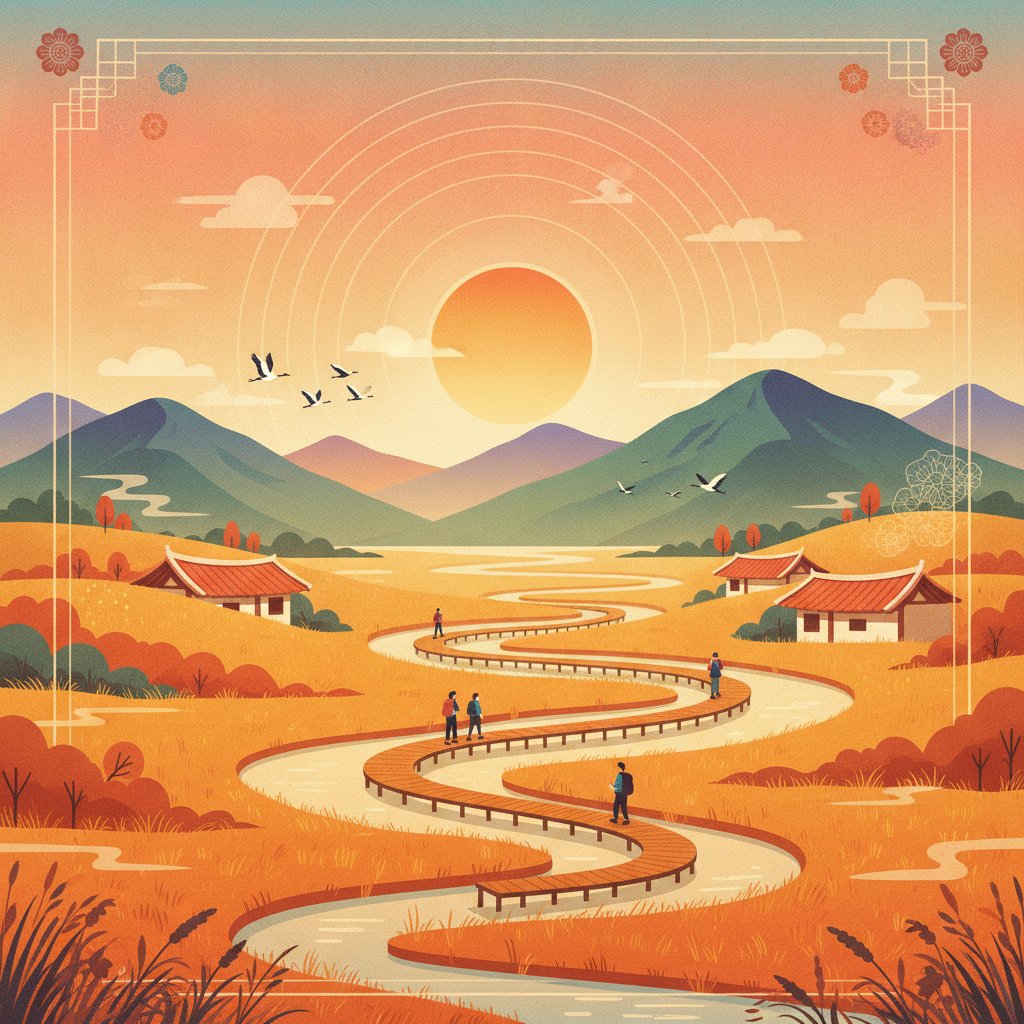
The core experience of the reserve begins on the expansive wooden boardwalk that winds straight through the heart of the reed beds. As you walk, listen closely to the rustling sound of the wind through the tall stems and keep an eye on the muddy tidal banks below. During low tide, you can spot thousands of small mudskippers (*jjangdungeo*) and tiny red-clawed crabs scuttling across the mud.
2. Hike Up to Yongsan Observatory for Sunset
If there is one non-negotiable activity on your Suncheon trip, it is hiking up to Yongsan Observatory. The trail starts at the end of the wooden boardwalk. It takes about 20 to 30 minutes of uphill walking along a forested path and wooden stairs. The hike is moderately easy, but comfortable walking shoes or sneakers are essential.
At the top, you are rewarded with a panoramic vista of the circular reed fields and the winding S-shaped waterway flowing out into the sea. Timing your hike to reach the observatory about 40 minutes before sunset will give you the legendary view that graces almost every Korean travel calendar.
3. Ride the SkyCube to Suncheon Bay National Garden
Admission tickets to Suncheon Bay Wetland Reserve often include combined access to the nearby Suncheon Bay National Garden (typical combined admission runs around 8,000 to 10,000 won / $6–$8 USD, though rates may vary depending on seasonal events). To travel between the two sites, hop on the SkyCube, an automated small-scale monorail system that glides above the countryside. SkyCube round-trip tickets are usually sold separately for around 8,000 won.
What to Eat in Suncheon: Local Food Highlights
In Korea, South Jeolla Province is famous for having the richest and most flavorful food in the entire nation. Leaving Suncheon without trying the local culinary specialties would be a missed opportunity.
Cockle Set Meal (Komak Jeongsik)
Suncheon Bay is famous for its fresh cockles (*komak*). A traditional *komak jeongsik* (cockle full-course set meal) features dozens of small side dishes, including seasoned cooked cockles, spicy cockle pancake, cockle bibimbap, and savory soups. Expect to pay around 15,000 to 22,000 won ($11–$17 USD) per person at popular local restaurants near the reserve entrance or around the city center.
Mudskipper Soup (Jjangdungeo Tang)
For more adventurous eaters, *jjangdungeo tang* is a nutritious, savory soup made from local mudskippers cooked down with soybean paste, sesame seeds, and fresh vegetables. It has a rich, comforting texture similar to *chu-eotang* (loach soup) and is loved by locals as a restorative stamina meal.
Essential Travel Tips and Navigation Apps
To ensure a hassle-free trip, keep these practical points in mind:
- Navigation Apps: Google Maps does not provide accurate walking or transit directions in Korea. Be sure to download Naver Map or KakaoMap before your trip. Both support English and are accurate for bus schedules and walking paths.
- Payment: While credit cards are widely accepted everywhere in Suncheon, having a T-money card loaded with 10,000–20,000 won cash is helpful for city buses and convenience store stops.
- Footwear: Expect to walk at least 8,000 to 12,000 steps if you plan to explore the boardwalks, hike to Yongsan Observatory, and visit the National Garden. Wear broken-in sneakers or walking shoes.
- Luggage Storage: If you are visiting Suncheon for a day trip between Seoul and Busan, you can store your heavy bags in luggage lockers located inside Suncheon Station.
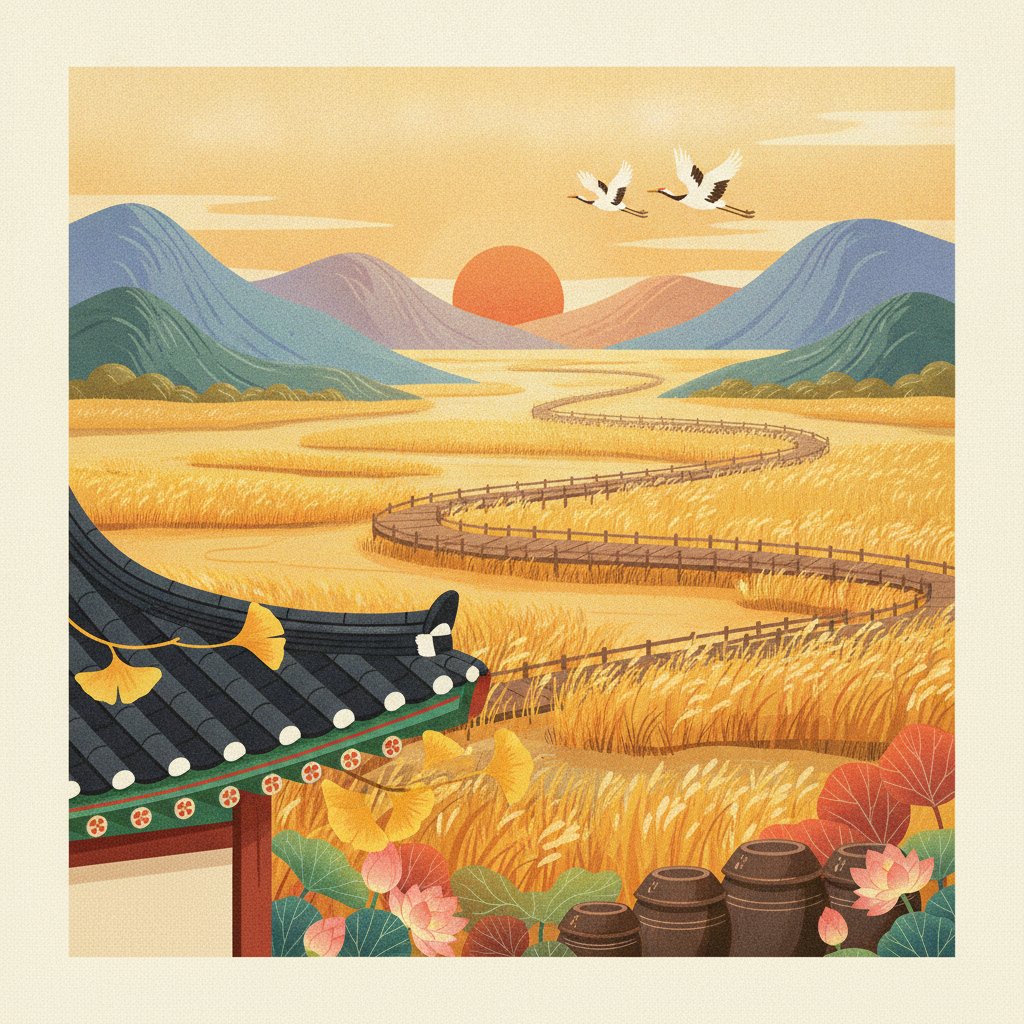
Suggested Suncheon Day Trip Itinerary
| Time | Activity | Notes |
|---|---|---|
| 08:00 AM | KTX from Seoul | Arrive in Suncheon by 10:40 AM |
| 11:30 AM | Local Lunch | Try Komak Jeongsik near station |
| 01:00 PM | National Garden | Explore themed gardens & SkyCube |
| 03:30 PM | Wetland Reserve | Walk reed trail to Yongsan Peak |
| 06:00 PM | Sunset View | Watch golden hour from peak |
| 07:30 PM | Return Train | KTX back to Seoul or Busan |
🎟️ Popular tours & experiences in Korea
Klook.comFAQ
How long should I spend at Suncheon Bay Wetland Reserve?
You should plan to spend at least 3 to 4 hours at the Wetland Reserve alone to comfortably walk the boardwalks and complete the round-trip hike to Yongsan Observatory. If you also plan to visit the Suncheon Bay National Garden, allocate a full day (6 to 8 hours total).
Is Suncheon Bay Wetland Reserve accessible for stroller or wheelchair users?
The main wooden boardwalk passing through the reed fields is flat and fully accessible for strollers and wheelchairs. However, the hike up to Yongsan Observatory consists of dirt trails and wooden stairs, making that specific section inaccessible for wheels.
Can I visit Suncheon Bay as a day trip from Seoul?
Yes, a day trip is completely doable thanks to the early morning and late evening KTX high-speed trains taking about 2.5 hours each way. However, staying overnight in Suncheon allows for a more relaxed pace and gives you time to explore neighboring attractions like Naganeupseong Folk Village.
Keep Reading
- Mogok Retreat Chapel (모곡 피정의 집): A Local’s Guide to Serenity in Gangwon
- Nexon Computer Museum (넥슨컴퓨터박물관): A Local’s Guide
- Lotte World Adventure Busan (롯데월드 어드벤처 부산): A Local’s Guide
- Cheongok Golden Bat Cave (천곡황금박쥐동굴): A Local’s Guide
🎟️ Popular tours & experiences in Korea
Klook.com