How to Visit K-pop Pop Up Stores in Seoul
At a glance
- In shortA guide to finding, entering, and navigating K-pop pop-up stores in Seoul.
- Best forForeign fans and travelers visiting K-pop pop-up stores
- WhereSeoul
- Key pointsPop-ups offer exclusive merch, themed spaces, and Lucky Draw photocards. · Major spots include Seongsu-dong, Yeouido, Hongdae, and Gangnam. · Entry requires advance Naver booking or on-site Catch Table kiosks.
- Heads-upQueue spots fill up rapidly, stores are cashless, and Naver booking may require Korean ID.
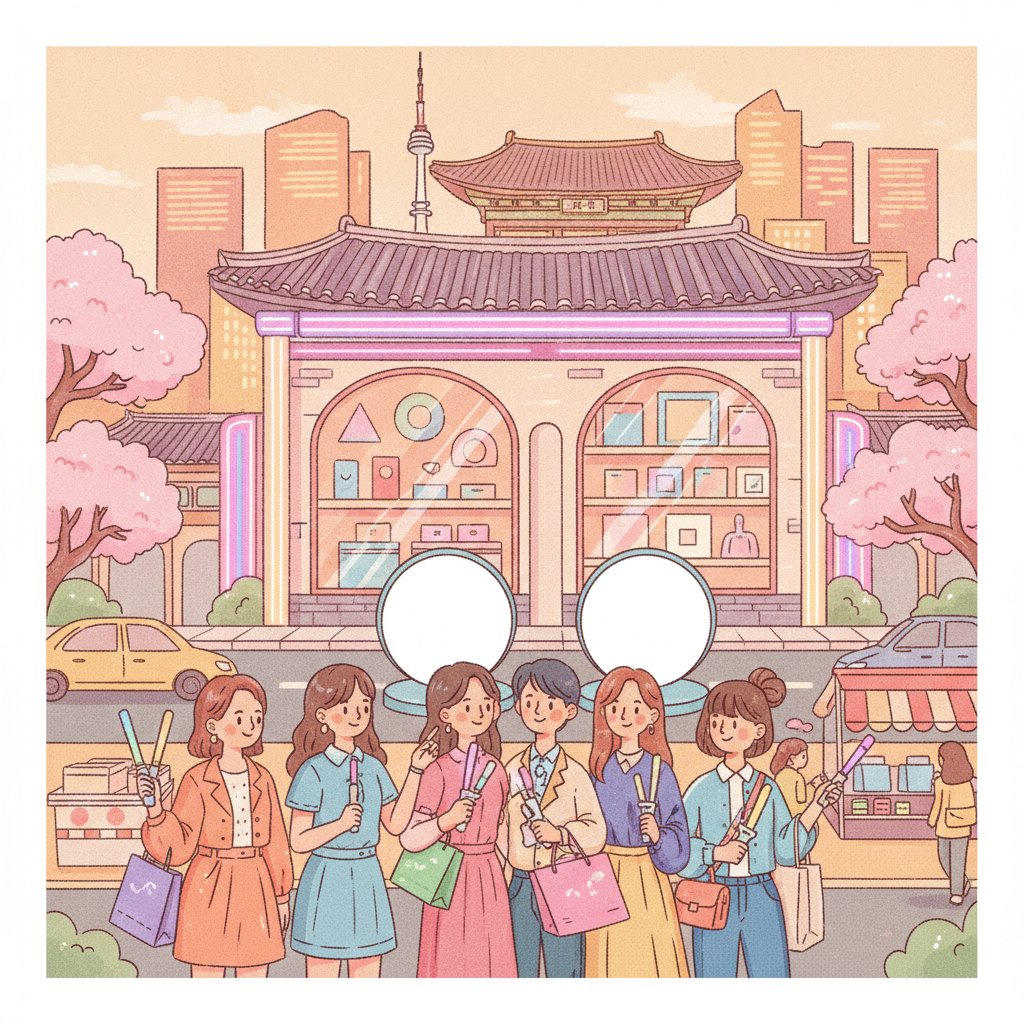
Last autumn, I walked through Seongsu-dong at 7:00 AM on a crisp Saturday morning and saw a line stretching around two full city blocks. It was not for a viral croissant bakery or a sneaker drop; it was the opening morning of a temporary pop-up space for a newly debuted idol group. Dozens of fans were sitting on portable stools, wrapped in padded coats, organizing photocard binders while waiting for the doors to open.
Pop-up stores have completely transformed how fans experience music releases in South Korea. Instead of simply buying an album at a traditional record shop, fans in Seoul visit immersive multi-room spaces built specifically for a single comeback or anniversary. As a local who watches these events pop up across the city every week, I can tell you that visiting one is one of the most exciting cultural experiences you can have in Seoul. However, the queuing systems, registration rules, and location shifts can be confusing if you are coming from abroad. Here is everything you need to know to navigate a K-pop pop up store in Seoul smoothly.
What Makes K-pop Pop Up Stores So Popular?
In Korea, a K-pop pop up store in Seoul is far more than a merch stand. Entertainment agencies rent out large spaces—often converted warehouses or entire store floors—and turn them into physical extensions of an album’s concept. If a group releases an album with a futuristic concept, the venue might feature glowing neon corridors, custom interactive screen displays, and soundscapes from the release.
Beyond aesthetics, the primary draw for fans is exclusivity. Agencies produce event-exclusive merchandise that is not sold on standard online platforms like Weverse Shop or Ktown4u. Additionally, pop-ups frequently host “Lucky Draw” events, where purchasing an album gives you a random, store-exclusive photocard dispensed from a special machine or drawn from a sealed box.
✈️ Book your trip to Korea — hotels, flights & more
Top Neighborhoods for K-pop Pop Ups in Seoul
Pop-up venues move constantly, but they almost always land in a few specific commercial districts across Seoul. Knowing these areas helps you plan your day around your store visits.
| Neighborhood | Primary Venue Type | Vibe & Access |
|---|---|---|
| Seongsu-dong | Converted warehouses, boutique spaces | Trendy, walk-friendly, highly cinematic spaces |
| Yeouido | The Hyundai Seoul (Basement 2) | Modern mall, indoor queuing, climate-controlled |
| Hongdae | AK Plaza, street-level retail spots | Youthful, easy transit, close to main shopping streets |
| Gangnam | COEX, flagship brand buildings | Spacious, high tech, close to major transit hubs |
Seongsu-dong: The Pop-Up Capital
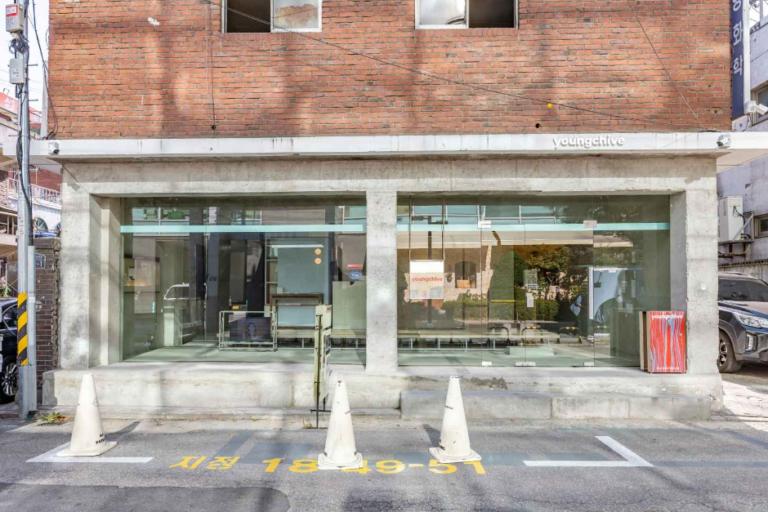
If you take Line 2 to Seongsu Station or Ttukseom Station, you are in the global heart of Seoul’s pop-up culture. The neighborhood’s red-brick industrial buildings provide huge open floor plans, making them ideal for elaborate album sets. Most major agencies regularly rent spaces here for 1-to-2-week runs.
The Hyundai Seoul (Yeouido)
The Hyundai Seoul is currently one of the city’s premier shopping destinations. Its Basement Floor 2 (B2) features dedicated pop-up zones that feature major K-pop groups, anime collaborations, and virtual idol events. The advantage of visiting a pop-up here is comfort: you wait inside an air-conditioned or heated department store rather than outside on the street.
How to Find Out About Pop-Up Stores Before You Arrive
One common mistake foreign visitors make is looking for pop-up information on general travel blogs weeks after the event has already ended. K-pop pop up stores are temporary, usually staying open anywhere from 3 days to two weeks.
To catch a pop-up during your trip, rely on these primary channels:
- Official Group X (Twitter) Accounts: Agencies usually post official notice banners 5 to 10 days before a store opens. Look for keywords like “POP-UP STORE,” “OFFLINE EVENT,” or venue names in Korean like “성수” (Seongsu) or “더현대 서울” (The Hyundai Seoul).
- Weverse Notices: Check the “Notice” tab on your group’s Weverse community page. Detailed operating hours, entry rules, and item purchase limits are published there first.
- Instagram Venue Accounts: Follow spaces like @thehyundai_seoul or major Korean retail curators to see upcoming schedule calendars.
🎟️ Popular tours & experiences in Korea
Klook.comUnderstanding Entry Systems: Online Reservations vs. On-Site Queues
Getting into a high-demand K-pop pop up store in Seoul generally happens through one of two methods: advance digital reservation or on-site waiting registration.
1. Advance Online Reservations (Naver Booking)
Some high-traffic pop-ups require advance tickets booked through Naver Booking. This can be tricky for overseas tourists because full Naver identity verification usually requires a Korean phone number or resident card. However, some larger events release a dedicated portion of entry slots for foreign visitors via English-friendly platforms, or they allow open walk-ins after pre-booked time slots finish for the day. Always check the official event notice to see if an international booking link is offered.
2. On-Site Registration via Catch Table
Most pop-ups operate an on-site queue system on a first-come, first-served basis. Rather than making you stand in a physical line all day, stores use tablet kiosks at the entrance powered by services like Catch Table.
When you arrive at the venue in the morning, you type your phone number or email into the tablet kiosk near the entrance. The system assigns you a queue number and sends real-time updates to your phone (via SMS or WhatsApp). Once registered, you are free to explore nearby cafes or shop until you receive a notification telling you to return to the store entrance within 10–15 minutes.
The “Open Run” Culture
In Korea, arriving right when a store opens—or hours before—to secure a spot is known as an “Open Run” (오픈런). For ultra-popular groups, the day’s total quota for Catch Table queue numbers can fill up within 30 to 60 minutes after the registration kiosk opens at 9:00 AM or 10:00 AM. If visiting a pop-up is a top priority for your trip, plan to arrive at the venue early in the morning to register your spot on the kiosk.
What to Expect Inside: Merch, Pricing, and Lucky Draws
Once your number is called and you step inside, you will usually follow a designated one-way path through the experience zone, merchandise display, Lucky Draw station, and checkout counters.
Typical Merchandise & Price Ranges
While exact prices vary depending on the group, agency, and production scale, here are typical price ranges you can expect at standard K-pop pop-up stores in Seoul:
- Standard Music Albums: 20,000 to 35,000 KRW (~$15–$27 USD)
- Acrylic Photocard Stands / Keyrings: 12,000 to 25,000 KRW (~$9–$19 USD)
- Trading Card Packs / Random Cards: 5,000 to 10,000 KRW (~$4–$8 USD)
- Apparel (T-Shirts / Hoodies): 45,000 to 110,000 KRW (~$34–$83 USD)
- Cap / Tote Bags / Accessories: 30,000 to 60,000 KRW (~$23–$45 USD)
Note: Prices are approximate, subject to change based on exchange rates, and vary depending on the vendor and group release.
Understanding the “Lucky Draw” (럭키드로우)
A Lucky Draw is often the main reason local fans line up so early. When you buy a specific number of unsealed albums at the pop-up store (for example, purchasing two or three albums in a single transaction), you receive a physical token or coin. You insert this token into a digital machine or draw from a counter to receive a store-exclusive photocard that cannot be obtained anywhere else. Outside the store exit, you will often see fans sitting on benches trading duplicates with one another.
Practical Tips for International Visitors
To make your pop-up store visit as smooth as possible, keep these practical local tips in mind:
- Go Cashless: Virtually every K-pop pop up store in Seoul is 100% cashless. Bring an international credit or debit card (Visa and Mastercard are widely accepted).
- Bring Your Passport for Tax Refunds: Many pop-up locations offer immediate tax refunds at checkout or provide a receipt voucher you can claim at the airport. Always keep your physical passport with you while shopping.
- Use Subway Lockers: If you buy several heavy album sets or merchandise boxes, carrying them around all day is exhausting. Major subway stations like Seongsu, Hongik University, and Yeouido have smart lockers (T-Locker) that can be rented for a few thousand won using a card or mobile payment.
- Respect Purchase Limits: To prevent scalping, pop-ups strictly enforce per-person item limits (e.g., maximum 3 units of a single item per transaction). Staff track this carefully at the register.
FAQ
Do I need a Korean phone number to enter a K-pop pop-up store?
No, a local phone number is not strictly required for most pop-ups. While entry kiosks often request a phone number, systems like Catch Table usually allow foreign travelers to register using an international phone number (with country code) or an email address to receive queue updates via WhatsApp or email.
Are K-pop pop-up stores free to enter?
Yes, entry to almost all K-pop pop-up stores in Seoul is completely free. You only pay for the merchandise, albums, or food items you choose to purchase inside. However, you must still register for a queue spot or ticket to enter the venue.
How long do K-pop pop-up stores usually stay open?
Most K-pop pop-up stores are temporary activations that run for 7 to 14 days following a new album release or special milestone. Smaller concept activations may last only 3 to 5 days, so it is best to check official announcements on Weverse or X before traveling to the location.
🎟️ Popular tours & experiences in Korea
Klook.comMore on Album & Merch Shopping
- K-pop Album Shopping in MyeongdongA guide to top shops, album prices, chart counting, and tax refunds when buying K-pop in Myeongdong.
- Buying K-Pop Albums & Merch in HongdaeA guide to top official K-pop record shops, prices, and local shopping tips in Hongdae, Seoul.
- Buying K-pop Albums InternationallyA guide to reliable online platforms and steps for buying K-pop albums internationally.
See every Album & Merch Shopping post in our K-POP guide.
Handy toolsKorea travel essentials · Korea Guide Finder
Keep Reading
- Idol Owned Cafes in Seoul Every K-Pop Fan Should Visit
- How to Find K-Pop Subway Ads in Seoul
- Visiting Seoul K-pop Agency Buildings: HYBE, SM, JYP and YG
- K-pop Generations: From 1st Gen to Today
🎟️ Popular tours & experiences in Korea
Klook.com