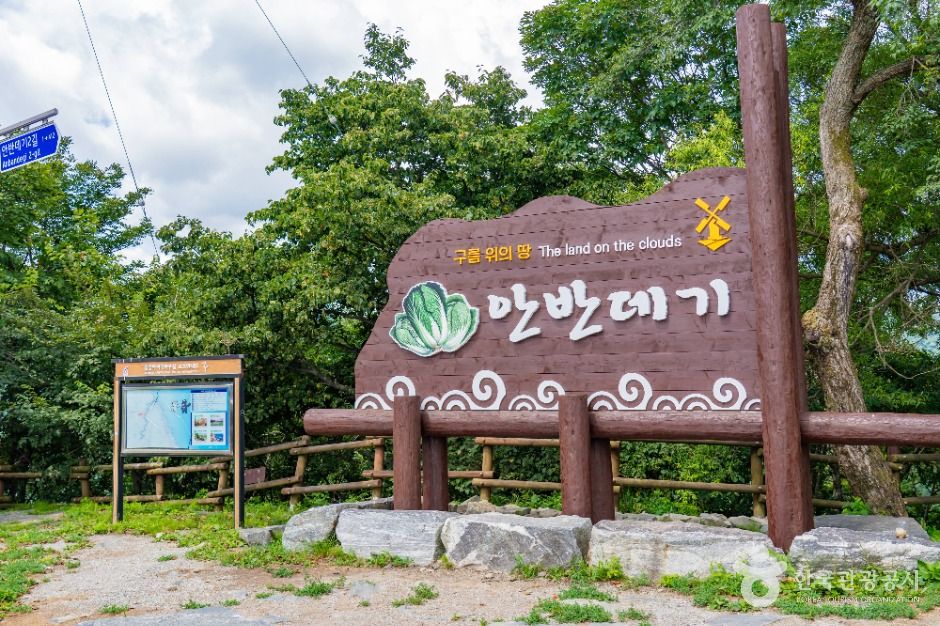
Anbandegi Village (안반데기 마을): Korea’s Mountain Cabbage Farm
At a glance
- In shortA guide to Anbandegi Village, an 1,100-meter-high mountain cabbage farm in Gangwon-do.
- Best forTravelers interested in Korean rural life and scenic views
- WhereGangwon
- Key pointsLocated at 1,100 meters, fields are cultivated by hand without machinery. · The name comes from words for a rice-cake platform and flat land. · Offers panoramic mountain views, peacefulness, and authentic rural life.
- Heads-upAccessing the village from Gangneung requires local transport like a rental car or taxi.
Anbandegi Village (안반데기 마을): A Local’s Guide to Korea’s Sky-High Cabbage Farm
Annyeonghaseyo, dear readers of Seoul & Beyond! Your local guide here, ready to whisk you away from the bustling cityscapes of Seoul to a hidden gem nestled high in the majestic mountains of Gangwon-do. Today, we’re embarking on a journey to a truly special place that embodies the rugged beauty and industrious spirit of rural Korea: Anbandegi Village (안반데기 마을).
Imagine a village where the clouds feel within arm’s reach, where the air is crisp and clean, and where the landscape tells a story of incredible human dedication. That’s Anbandegi for you. Located at an astounding elevation of 1,100 meters, this mountainside village offers a unique glimpse into a way of life deeply intertwined with nature and hard work. It’s a place that consistently takes my breath away, and I’m sure it will do the same for you.
A Name Steeped in Tradition: Unpacking “Anbandegi”
The name “Anbandegi” itself is as charming and illustrative as the village it describes. It’s a beautiful combination of two Korean words: “anban” and “degi.” Let’s break it down, shall we?
- “Anban” refers to a large and oval wooden platform. Now, what was this platform used for? Traditionally, it was where villagers would pound rice cakes – a staple food and an integral part of Korean culinary heritage. Rice cakes, or tteok, are not just food; they are symbols of celebration, community, and sustenance, made with care and often shared during festivals or special occasions. The image of villagers gathered around an “anban,” rhythmically pounding rice to create these chewy delights, evokes a strong sense of communal spirit and time-honored traditions. It speaks to a past where every meal was an effort, and every harvest a blessing.
- “Degi” simply means flat land. This part of the name might seem a bit ironic when you consider Anbandegi’s lofty, mountainous location, but it hints at the very specific, albeit challenging, pockets of arable land that the villagers have meticulously carved out from the steep terrain. It’s these relatively “flat” areas, hard-won and precious, that have allowed life and agriculture to flourish here against all odds.
So, the name “Anbandegi Village” quite literally means “the flat land where rice cakes are pounded on a large, oval platform.” It’s a lyrical and descriptive name that instantly transports you to a bygone era, hinting at the simple yet profound daily lives of the people who first settled and sustained this remarkable place.
The Sky-High Cabbage Farms: A Testament to Human Resilience
What truly defines the landscape of Anbandegi Village, and what you’ll instantly notice upon arrival, are its magnificent cabbage farms. These aren’t just any farms; they are sprawling emerald tapestries woven along the dramatic mountain slopes. Most of the village lands are covered with these verdant cabbage fields, creating a breathtaking panorama that changes with the seasons.
Standing at 1,100 meters, the sheer scale of this agricultural endeavor is awe-inspiring. But there’s a deeper story here that makes these farms even more remarkable. The official description highlights a crucial detail: “The steep slopes make it impossible to use farm machinery.” Think about that for a moment. In our modern world, where agriculture is increasingly mechanized, Anbandegi stands as a powerful reminder of human grit and determination.
This means that every single cabbage grown here, every neat row stretching across the challenging terrain, is the direct result of manual work by the villagers. Imagine the back-breaking labor involved: tilling the soil, planting each seedling, weeding, and finally harvesting, all by hand, on slopes so steep that heavy machinery simply cannot navigate them. It’s a testament to the unwavering spirit of the people of Anbandegi, who continue to cultivate their land with traditional methods passed down through generations.
Visiting these farms isn’t just about seeing cabbages; it’s about witnessing living history and appreciating the profound connection between people and the land. It’s a chance to feel the raw, unfiltered essence of Korean rural life, a world away from the fast pace of urban centers. The sheer effort and dedication poured into these fields create not just food, but a unique cultural landscape that is truly one-of-a-kind.
The cabbages grown here are famously robust and flavorful, thanks to the pristine mountain air, abundant sunlight, and the rich, untainted soil. They contribute significantly to Korea’s culinary backbone, especially for making kimchi, our national dish. So, when you taste kimchi, you might just be savoring a piece of Anbandegi’s incredible story.
An Experience Beyond the Cabbages: The Essence of Anbandegi
While the cabbage farms are undoubtedly the star attraction, Anbandegi Village offers so much more than just agricultural sightseeing. It’s an immersive experience for all your senses.
- Panoramic Views: Being at 1,100 meters means you’re often above the cloud line, or at least treated to spectacular, unobstructed views of the surrounding Gangwon mountain ranges. On a clear day, the vistas stretch endlessly, painting a magnificent tableau of nature’s grandeur. Even on cloudy days, the mist rolling through the valleys creates an ethereal, almost mystical atmosphere.
- Peace and Tranquility: Far removed from city noise, Anbandegi is a sanctuary of peace. The only sounds you’ll hear are likely the rustling of leaves, the gentle mountain breeze, and perhaps the distant calls of nature. It’s an ideal place to disconnect, reflect, and recharge your spirit.
- A Sense of Authenticity: This isn’t a manufactured tourist destination; it’s a living, breathing village where people work and live their lives. This authenticity is its greatest charm. You’re not just a visitor; you’re a momentary guest in a community that has carved out a unique existence in a challenging environment.
- Seasonal Beauty: While summer and early autumn showcase the vibrant green of the cabbage fields, each season brings its own magic. Spring sees the awakening of the mountains, while winter transforms the landscape into a pristine, snow-covered wonderland, offering a different kind of serene beauty. The resilience required to live here is especially apparent in the colder months, making the warmth of its inhabitants all the more endearing.
For those seeking an escape from the ordinary, for adventurers who appreciate both natural beauty and human endeavor, Anbandegi Village is an absolute must-visit. It’s a place that truly allows you to breathe deep, both literally and figuratively.
How to Get There
Anbandegi Village is located at 428 Anbandegi-gil, Wangsan-myeon, Gangneung-si, Gangwon-do. As you can see from the address, it’s situated in Gangneung-si, a popular coastal city in Gangwon-do. Here’s some general guidance on how to reach this high-altitude haven:
- To Gangneung-si: Your first step will be to get to Gangneung. From Seoul, the most convenient and fastest way is by taking the KTX high-speed train from Seoul Station or Cheongnyangni Station directly to Gangneung Station. The journey is incredibly scenic and takes approximately 2 hours. Alternatively, intercity buses are also available from various terminals in Seoul (like Dong Seoul Bus Terminal or Seoul Express Bus Terminal) to Gangneung Intercity Bus Terminal.
- From Gangneung-si to Anbandegi Village: Once you’re in Gangneung, reaching Anbandegi Village will require further local transportation.
- By Car: Renting a car is often the most recommended option for visiting Anbandegi. It provides the flexibility to explore at your own pace and navigate the mountain roads comfortably. The drive from central Gangneung to Anbandegi Village, specifically within Wangsan-myeon, offers stunning scenery as you ascend.
- By Taxi: You can take a taxi from Gangneung Intercity Bus Terminal or Gangneung Station directly to Anbandegi Village. Be prepared for a longer ride and discuss the fare with the driver beforehand, as it is a significant distance into the mountains. It might be helpful to have the address written in Korean (안반데기 마을, 강원도 강릉시 왕산면 안반데기길 428) to show your driver.
- Public Transportation (Limited): While public buses do operate in Gangneung, direct routes to the very top of Anbandegi Village are likely infrequent or require transfers and a final taxi leg. For the most up-to-date and practical public transport options, it’s always best to inquire locally upon arrival in Gangneung, or consider the car/taxi options for convenience.
No matter how you choose to get there, the journey to Anbandegi is part of the adventure, offering glimpses of Gangwon-do’s stunning natural beauty along the way.
Tips Before You Go
To ensure you have the best possible experience at Anbandegi Village, here are a few local tips:
- Check Current Hours and Conditions: As Anbandegi is a working village and a natural attraction, conditions and access might vary with weather or agricultural seasons. It is always wise to check ahead before planning your visit. For the most up-to-date information regarding accessibility, potential closures, or specific operational details (though specific opening hours for the village itself are not officially provided, general access might be impacted), please use the contact number provided: +82-33-640-5125. A quick call can save you any disappointment and ensure a smooth trip.
- Dress for the Mountains: Remember, you’ll be at an elevation of 1,100 meters! This means the weather can be significantly cooler and windier than in lower areas, even during summer. Dress in layers, and bring a windbreaker or a light jacket, regardless of the season. Comfortable walking shoes are also a must, as you’ll want to explore the slopes and pathways.
- Respect the Environment: Anbandegi is a pristine natural environment and a working agricultural village. Please be mindful of the farms, do not litter, and stay on designated paths to avoid damaging crops. Take only photos, leave only footprints.
- Consider the Seasons: Each season offers a different charm. Summer and early autumn bring lush green cabbages. Late autumn brings beautiful fall foliage, and winter covers everything in snow, creating a serene, white landscape (though roads might be challenging). Plan your visit according to the experience you seek.
Wrapping Up Your Anbandegi Journey
Anbandegi Village is more than just a destination; it’s an ode to resilience, a canvas of natural beauty, and a testament to the enduring spirit of Korean rural life. It’s a place where the sky feels closer, where every cabbage tells a story of manual labor and dedication, and where you can truly connect with the heart of Gangwon-do.
So, if you’re looking to venture beyond the usual tourist trails and discover a slice of authentic Korea, Anbandegi Village awaits you. Come and experience the breathtaking views, the fresh mountain air, and the inspiring story of this sky-high cabbage farm. It’s an adventure you won’t soon forget!
✈️ Book your trip to Korea — hotels, flights & more
Good to Know
| Contact | +82-33-640-5125 |
|---|
Details above are from the Korea Tourism Organization and may change — double-check before you visit.
Location & Map
📍 428 Anbandegi-gil, Wangsan-myeon, Gangneung-si, Gangwon-do
🎟️ Popular tours & experiences in Korea
Klook.comUseful Links
More on Regional South Korea Travel
- Gyeongju Travel Guide for First-Time VisitorsCovers how to reach Gyeongju, explore central historic sites, visit mountain temples, and sample local foods.
- Seoraksan Hiking Guide for BeginnersA practical guide to reaching Seoraksan National Park from Seoul and exploring beginner-friendly trails.
- Suncheon Bay Travel GuideA travel guide covering seasons, transport routes, top attractions, and local food in Suncheon Bay.
See every Regional South Korea Travel post in our K-Travel guide.
Handy toolsKorea travel essentials · Trip budget calculator · Korea Guide Finder
Keep Reading
- Baengnokdam Lake (한라산 백록담): A Local’s Guide to Jeju’s Crown Jewel
- Busan Air Cruise (부산 송도해상케이블카): A Local’s Guide
- Susan Harbor: Sailing and Seoraksan Views in Yangyang
- Hyanghohaebyeon Beach (향호해변): A Local’s Guide
🎟️ Popular tours & experiences in Korea
Klook.com