Korean Bingsu & Dessert Cafes: Culture and Choices
At a glance
- In shortAn overview of Korean shaved ice bingsu, popular cafe desserts, beverages, and typical prices.
- Best forTravelers and fans wanting to explore Korean cafe culture
- WhereSeoul
- Key pointsBingsu is a milk-based shaved ice dish made with sweet toppings like red beans. · Popular cafe desserts include croffles, honey bread, and fat macarons. · Bingsu bowls usually cost between 10,000 and 20,000 won.
- Heads-upMost bingsu servings are large and designed for sharing between two to three people.
Welcome to Korea’s Sweetest Obsession: Dessert Cafe Culture!
Annyeonghaseyo, international friends and fellow lovers of all things Korean! As a local living and breathing the vibrant energy of Seoul, there’s one aspect of daily life here that truly warms my heart (and sweet tooth!): our incredible dessert cafe culture. It’s more than just a place to grab a quick treat; it’s a social hub, a study spot, a creative space, and a true reflection of Korea’s dynamic culinary scene. While K-pop and K-dramas capture global attention, our cafes offer a taste of everyday Korean life that’s just as captivating.
From the bustling streets of Myeongdong to the trendy alleys of Hongdae and the serene neighborhoods of Gangnam, you’ll find cafes on virtually every corner, each with its own unique charm and an irresistible array of delights. And at the heart of this sweet universe lies a truly iconic treat: bingsu, the beloved shaved ice dessert that has captured the hearts of Koreans and visitors alike. So, pull up a chair, grab a metaphorical spoon, and let’s dive into the delicious world of Korean bingsu dessert and beyond!
✈️ Book your trip to Korea — hotels, flights & more
The Reign of Bingsu: Korea’s Icy Delight
What Exactly is Korean Bingsu Dessert?
If you’re new to the world of Korean desserts, “bingsu” (빙수) is likely one of the first terms you’ll encounter. At its core, bingsu is a shaved ice dessert, but trust me, it’s so much more than just ice and toppings. Think of it as a luxurious, creamy, melt-in-your-mouth cloud of icy goodness, piled high with an array of delectable ingredients. Unlike traditional Western shaved ice, many Korean bingsu desserts are made with milk-based ice, creating a smoother, softer texture that almost resembles freshly fallen snow.
The history of bingsu dates back to the Joseon Dynasty, where it was originally a simple concoction of shaved ice, sweetened red beans (pat), and tteok (rice cakes). Over centuries, it has evolved into an incredibly diverse and sophisticated dessert, becoming a staple in Korean summers, though enjoyed year-round. For us Koreans, bingsu isn’t just a dessert; it’s a nostalgic taste of childhood, a refreshing escape from the summer heat, and a perfect sharing dish for friends and family.
Classic Bingsu Varieties You Must Try
While cafes are always innovating with new flavors, some bingsu types remain timeless classics. Here are the ones you absolutely have to experience:
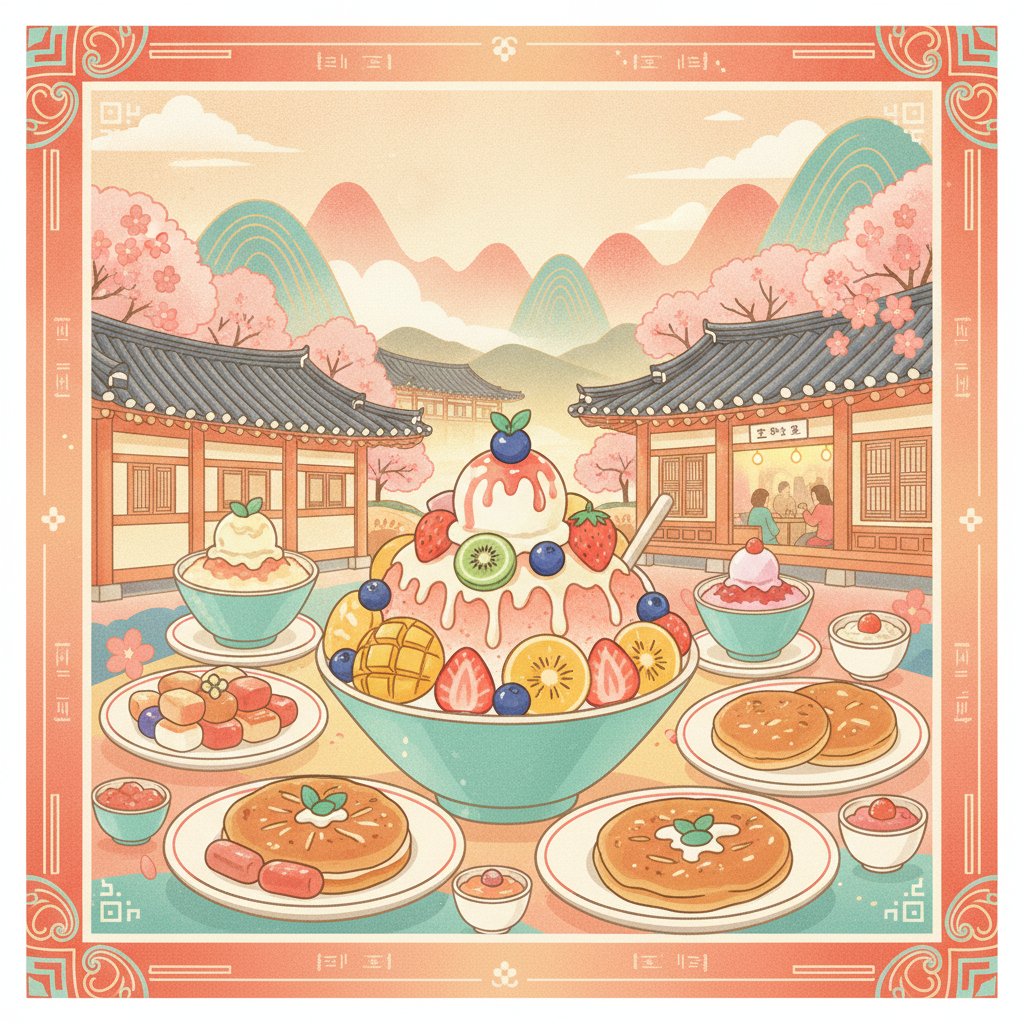
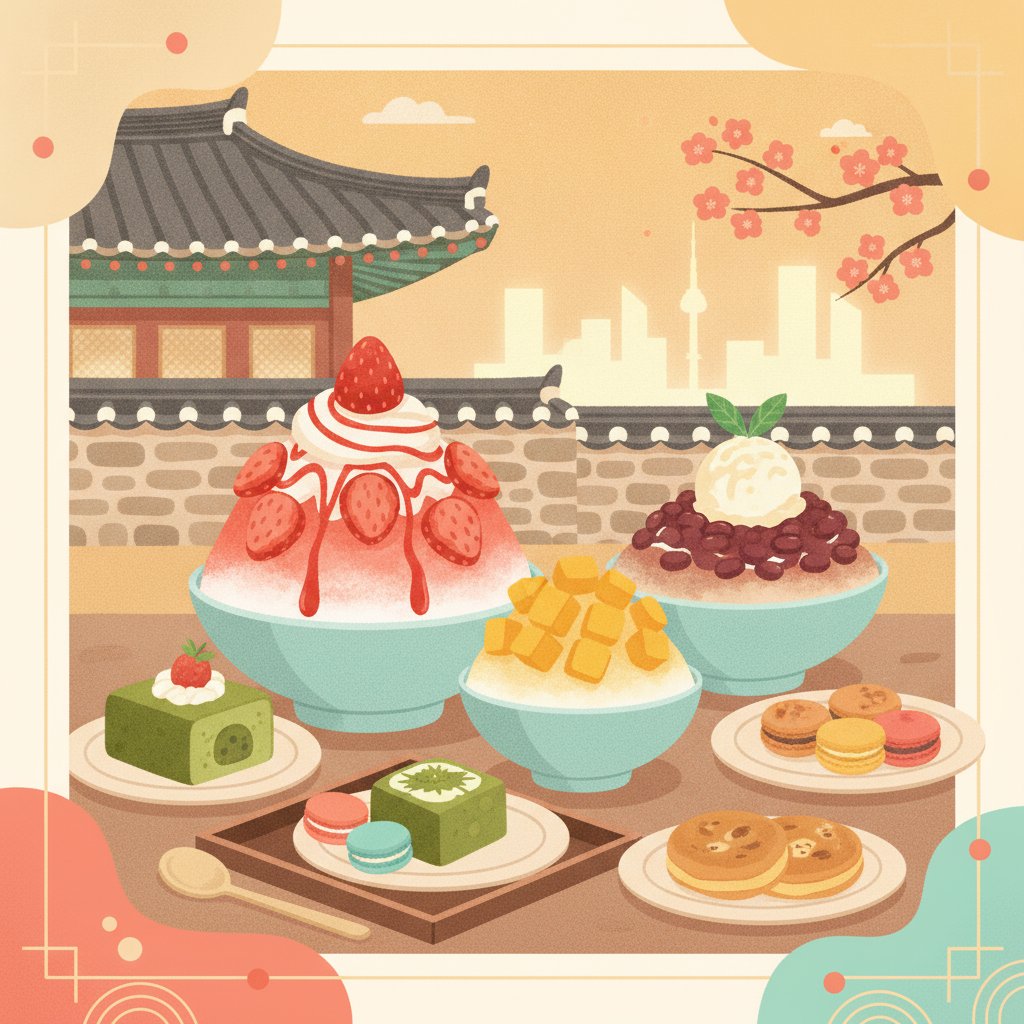
- Patbingsu (팥빙수): The original and arguably still the most iconic. This features a generous serving of sweet red beans (pat), often homemade, layered over milky shaved ice, usually topped with chewy injeolmi tteok (roasted soybean powder rice cakes) and a drizzle of condensed milk. It’s a comforting, earthy, and perfectly balanced sweetness.
- Injeolmi Bingsu (인절미 빙수): This is another hugely popular choice, especially for those who love nutty and subtly sweet flavors. Instead of red beans, it’s covered generously with gao (roasted soybean powder, the same one used for injeolmi tteok), along with pieces of chewy injeolmi tteok, and often sliced almonds. The nutty aroma and texture are simply divine.
- Fruit Bingsu (과일 빙수): A vibrant and refreshing option, especially popular during warmer months. Mango bingsu (망고 빙수) is a perennial favorite, featuring juicy, ripe mango chunks piled high. Strawberry bingsu (딸기 빙수) is another seasonal hit, especially in spring, offering fresh, sweet-tart berries. You might also find variations with berries, melon, or a medley of seasonal fruits.
- Choco Bingsu (초코 빙수): For the chocolate lovers out there! This usually features chocolate-flavored shaved ice, chocolate syrup, chocolate chips, brownies, or sometimes even Oreos. It’s a rich and indulgent treat.
- Green Tea Bingsu (녹차 빙수): A popular choice for those who enjoy the slightly bitter and earthy notes of matcha. It typically comes with green tea-flavored shaved ice, red beans, and sometimes a scoop of green tea ice cream.
Most bingsu servings are quite large, designed for sharing between two to three people, which makes it an ideal dessert for social gatherings. Prices for a typical bingsu bowl often range from approximately 10,000 to 20,000 won (roughly $7.50 to $15 USD), depending on the ingredients, size, and cafe. Premium fruit bingsu, especially with seasonal fruits like mango or muscat grapes, can sometimes go higher.
Beyond Bingsu: A Galaxy of Korean Desserts
While bingsu might be the reigning king, the Korean dessert cafe scene is far from a one-trick pony. We have an incredible variety of sweets that are equally delicious and worth exploring. Here are some of my personal favorites and popular choices among locals:
Trendy Treats and Cafe Classics
- Croffles (크로플): This ingenious hybrid, a portmanteau of croissant and waffle, has taken Korea by storm. It’s essentially croissant dough pressed and cooked in a waffle maker, resulting in a crispy, flaky, buttery delight with a waffle’s signature indentations. They are often served plain with a dusting of powdered sugar, or elevated with toppings like ice cream, fresh fruit, whipped cream, or savory options like cheese. You’ll find these everywhere, from major chains to independent cafes.
- Honey Bread (허니 브레드): A classic cafe staple that has been loved for years. It’s a thick slice of toasted white bread, generously slathered with butter and honey, often topped with a mountain of whipped cream and sometimes cinnamon powder or caramel sauce. It’s warm, sweet, and incredibly comforting.
- Cakes and Pastries: Korean cafes excel at beautifully crafted cakes and pastries. You’ll find exquisite slices of cheesecakes, tiramisu, rich chocolate cakes, and lighter, fruit-based options. Many cafes also offer a tempting array of tarts, scones, and delicate French-style pastries with a Korean twist. Don’t miss out on strawberry shortcake when strawberries are in season!
- Macarons (마카롱) and Ddangkarong (뚱카롱): Korean macarons, or “Ddangkarong” (meaning “fat macarons”), are famous for their oversized fillings and creative flavors. These aren’t your typical delicate French macarons; they’re often bursting with thick buttercreams, jams, fresh fruit, or even unexpected additions like cheese or tteok.
- Tteok (떡) & Traditional Korean Sweets: While modern cafes are popular, don’t forget traditional Korean dessert houses (한과 카페, Hanggwa Cafe) or even sections within regular cafes that offer updated versions of classic Korean rice cakes and sweets. Injeolmi (인절미) – those chewy rice cakes coated in roasted soybean powder – are a consistent favorite. You might also find yakgwa (약과, traditional honey cookies) or gangjeong (강정, sweet puffed rice or grain snacks).
Refreshing Drinks to Complement Your Dessert
No Korean cafe experience is complete without a drink to go with your dessert. While classic coffee options like Americano and lattes are ubiquitous (and often surprisingly good!), here are some other popular choices:
- Ade (에이드): Sparkling fruit drinks are incredibly popular, especially during warmer months. Grapefruit ade, lemon ade, and various berry ades are common and wonderfully refreshing.
- Smoothies (스무디): From classic fruit smoothies to unique flavors like green tea or sweet potato, these are a popular choice.
- Milk Teas & Lattes: Beyond coffee, you’ll find a wide range of milk teas (often Royal Milk Tea style) and specialty lattes like Hojicha latte (roasted green tea) or Goguma latte (sweet potato latte).
- Fruit Juices: Freshly squeezed fruit juices, often without added sugar, are available in many cafes.
A typical coffee or ade usually costs around 4,000 to 7,000 won (approximately $3 to $5.50 USD), with specialty drinks sometimes a bit more.
🎟️ Popular tours & experiences in Korea
Klook.comNavigating Korean Dessert Cafes Like a Local
Ready to embark on your own sweet adventure? Here’s your practical guide to enjoying Korea’s dessert cafe scene:
Finding the Perfect Spot
With thousands of cafes, finding one can feel overwhelming, but it’s also part of the fun! As a local, I rely heavily on these platforms:
- Naver Maps (네이버 지도) & Kakao Maps (카카오맵): These are your absolute best friends for navigating Korea. Simply type “카페” (cafe) into the search bar, and you’ll see countless options pop up. You can filter by ratings, check photos of the interior and menu items, and read reviews (which can be translated using in-app features or Google Translate). Many cafes also have dedicated pages with opening hours and directions.
- Instagram: Many Koreans discover new cafes through Instagram. Search hashtags like #서울카페 (Seoul cafe), #홍대카페 (Hongdae cafe), #빙수맛집 (bingsu delicious place), or #크로플맛집 (croffle delicious place) to see what’s trending and visually appealing.
- Walk Around: Honestly, sometimes the best way is just to explore. Wander through popular areas like Ikseon-dong, Garosu-gil, Yeonnam-dong, or the university districts, and you’re bound to stumble upon charming independent cafes and well-known chains.
Ordering and Etiquette
The process is generally straightforward:
- Find a Table (or Order First): In some busy cafes, especially popular ones, it’s common to find a table first, then proceed to order. In smaller or less crowded places, you might order first and then choose your seat. Look around to see what others are doing.
- Order at the Counter or Kiosk: Most cafes have a counter where you place your order and pay. Increasingly, you’ll find self-service kiosks (키오스크) where you can browse the menu with pictures and order yourself. Don’t worry if the kiosk is only in Korean; there’s usually an English option (영어) or clear pictorial menus.
- Receive Your Order Number/Buzzer: After ordering, you’ll usually be given a receipt with an order number or a small electronic buzzer (진동벨, jindongbel).
- Wait for Your Order: When your order is ready, your number will be called out (in Korean) or your buzzer will vibrate and light up. Head to the pick-up counter to collect your treats.
- Clean Up: It’s customary to clear your own table and place used dishes and trays in a designated return area (반납하는 곳, bannaphaneun got) before you leave.
Popular Cafe Chains to Look Out For
While independent cafes offer unique experiences, chains are reliable for consistent quality and convenience. Here are a few prominent ones:
- Sulbing (설빙): The undisputed king of bingsu. If you want a dedicated bingsu experience, Sulbing is your go-to. They specialize in a vast array of bingsu flavors and also offer croffles and other light desserts.
- A Twosome Place (투썸플레이스): Known for its sophisticated atmosphere and excellent cake selection. They offer good coffee, a variety of desserts, and sometimes seasonal bingsu.
- Hollys Coffee (할리스커피): A cozy, often spacious chain with a wide menu of coffee, teas, and desserts, including seasonal bingsu offerings.
- Caffe Bene (카페베네): Another long-standing chain, often known for its spacious interiors and a menu that includes bingsu, honey bread, and various coffee drinks.
- Starbucks (스타벅스): Yes, Starbucks is everywhere, and while it’s not uniquely Korean, it can be a familiar comfort. They also sometimes offer Korea-exclusive seasonal drinks and desserts.
Remember, specific menu items and prices will vary by location and season, but these chains provide a good starting point for your dessert journey.
Enjoying Korean Bingsu Dessert at Home
What if you’re craving bingsu but don’t want to venture out, or perhaps you’re back home and missing Korea? No problem!
Delivery Services
In Korea, food delivery is incredibly efficient. Apps like Coupang Eats (쿠팡이츠) and Baemin (배달의민족) allow you to order from many cafes, including Sulbing, and have bingsu and other desserts delivered right to your door. You’ll need a Korean phone number and bank account or credit card for these services, but they are a lifesaver for those cozy nights in.
DIY Bingsu
If you’re outside of Korea, recreating bingsu at home is definitely possible. You can buy small shaved ice machines online, or even use a blender for a coarser texture. Key ingredients to stock up on include:
- Sweet Red Bean Paste (팥앙금, pat-anggeum): Available at most Asian grocery stores.
- Injeolmi Tteok (인절미 떡): You might find frozen versions or fresh ones at Korean markets.
- Roasted Soybean Powder (미숫가루, misugaru or 콩가루, konggaru – often labeled as ‘roasted soybean flour’): Essential for injeolmi bingsu.
- Condensed Milk: A classic bingsu topping.
- Fresh Fruits: Whatever is in season where you are!
Just remember that the unique fluffy texture of shaved milk ice is hard to replicate perfectly without specialized equipment, but a homemade version is still wonderfully satisfying!
A Sweet Farewell (For Now!)
As a Korean, I truly believe that our dessert cafe culture is a vibrant, evolving part of what makes living here so special. It’s a place for connection, creativity, and indulgence, always offering something new and exciting to try. Whether you’re savoring a classic korean bingsu dessert on a sweltering summer day, cozying up with a croffle and a latte in autumn, or discovering a new, whimsical cake, you’re experiencing a unique slice of Korean life.
So, on your next visit to Korea, or even if you’re just dreaming of one, make sure to set aside plenty of time to explore our amazing cafes. Don’t be afraid to try something new, soak in the atmosphere, and let your sweet tooth guide you. Happy indulging!
More on Cafes, Desserts & Tea
- ab Cafe At Bali in GangnamA guide to ab Cafe At Bali, a resort-themed cafe in Gangnam featuring a Wacom Lounge and 24-hour access.
- HILLS & EUROPA in HaebangchonA guide to HILLS & EUROPA, a vinyl cafe and evening cocktail bar in Haebangchon.
- Essential Korean Bakery Items in SeoulA guide to top Korean bakery items, sweet-and-savory flavors, prices, and how to shop.
See every Cafes, Desserts & Tea post in our K-Food guide.
Handy toolsKorea travel essentials · Korea Guide Finder
🎟️ Popular tours & experiences in Korea
Klook.comKeep Reading
- Soju and Korean Drinking Culture: What to Know
- Korean Fried Chicken: Styles, Chains, Ordering
- Carols Main Branch (캐롤스 본점): Seoul’s American Diner
- Korean Convenience Stores: GS25 & CU Food Picks
🎟️ Popular tours & experiences in Korea
Klook.com