Korean Blind Dating and Mat-seon Explained by a Local
Overhearing the Unspoken Script in Gangnam
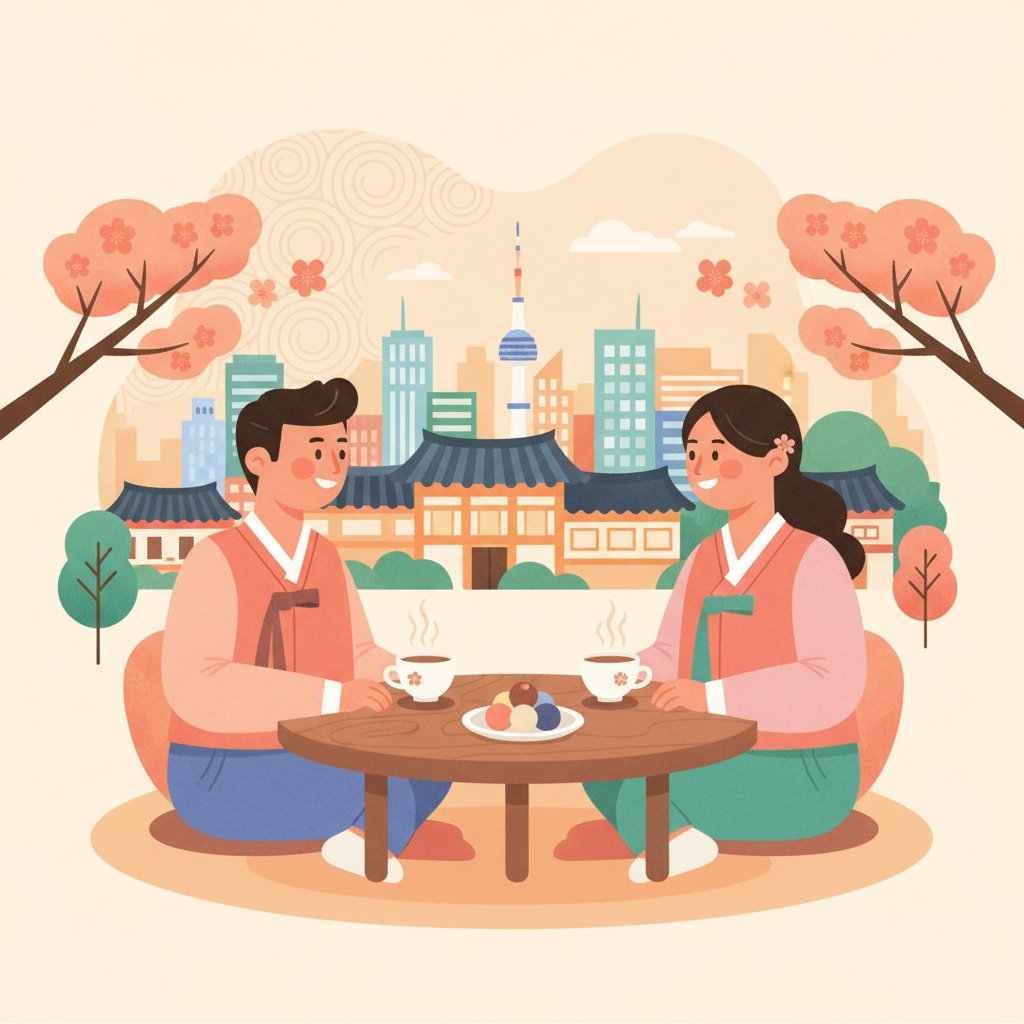
Last Friday night at a quiet café near Gangnam Station, I overheard two people carefully going through the classic Korean blind date script. They sat across from each other, posture impeccably straight, taking small sips of iced Americanos. “So, what do you usually do on weekends?” the young man asked. “I like visiting nice bakeries in Seongsu,” the woman replied with a polite smile. As a Korean who has sat in those exact seats more times than I care to admit, I knew immediately: this was a classic sogating in its first thirty minutes.
If you watch Korean dramas, scenes like this probably feel instantly recognizable. From the fake-fiancée chaos in A Business Proposal to the tense luxury hotel meetings in Crash Landing on You, blind dates and formal matchmaking meetings are central to K-drama storylines. But how much of what you see on Netflix or Viki reflects real life in Seoul? The reality is just as fascinating as the television tropes, governed by social etiquette, mutual friends, and sometimes high-stakes matchmakers.
✈️ Book your trip to Korea — hotels, flights & more
Sogating vs. Mat-seon: Understanding the Core Difference
In K-dramas, the terms sogating (소개팅) and mat-seon (맞선) are sometimes used interchangeably by non-Korean fans, but to locals, they represent entirely different social expectations.
Sogating is a casual, peer-to-peer blind date arranged by a mutual acquaintance—usually a friend, coworker, or university classmate. The word combines sogae (introduction) with the English word meeting. The primary goal of a sogating is organic romance. You are meeting someone your friend thinks you might click with, and there is no immediate pressure to talk about marriage, family backgrounds, or real estate.
Mat-seon, on the other hand, is a formal matchmaking date arranged specifically for marriage. Traditionally, parents or older family members arrange these meetings through their social networks or specialized marriage agencies. In a mat-seon, both parties attend with the clear understanding that marriage is the ultimate goal. Financial stability, career, family background, and lifestyle compatibility are discussed much earlier and far more directly than in casual dating.
The Real-Life Mechanics of a Sogating
If you ask any 20-something or 30-something single in Seoul, they have likely been on several sogating dates. The process follows a well-established, multi-step flow that rarely strays from tradition.
Step 1: The Setup and KakaoTalk Intro
It starts with a mutual friend asking both sides if they are open to a date. If both agree, the host shares profile photos and basic information: age, occupation, and general area of residence. If both give the green light, the host creates a group chat on KakaoTalk (Korea’s primary messaging app), introduces the two, and promptly leaves the group.
What follows is a delicate messaging phase. The tone is polite and respectful, using formal language (jondetmal). The goal here is simple: agree on a date, time, and location without revealing too much online, keeping the real conversations for the face-to-face meeting.
Step 2: The Classic Date Route
In Seoul, a classic sogating almost always follows a predictable route:
- Dinner at an Italian or Western restaurant: Pasta, risotto, or pizza are the standard choices because they are easy to eat neatly and allow for quiet conversation. Expect meals in popular areas like Gangnam, Hongdae, or Euljiro to cost around 15,000 to 25,000 KRW (roughly $11 to $19 USD) per main dish.
- An aesthetic café: After dinner, the couple moves to a nearby café for coffee and dessert. This second spot is crucial—it signals that the first part of the date went well enough to continue talking. Coffee and cake usually total around 12,000 to 20,000 KRW (roughly $9 to $15 USD).
- Optional craft beer or wine bar: If the vibe is exceptional, a third stop (3-cha) for a light drink might happen, though many save this for the second date.
Step 3: The ‘After’ Signal
In Korean dating terminology, asking someone out on a second date after a sogating is called asking for the “After” (애프터). Usually, the person interested sends a text message within a few hours of returning home—or at least by the next morning—expressing that they had a great time and proposing a specific day to meet again. If no text comes, or if the replies become polite but distant, both parties understand that the connection has ended smoothly without confrontation.
🎟️ Popular tours & experiences in Korea
Klook.comInside the High-Stakes World of Mat-seon
Where K-dramas get dramatic is usually during mat-seon scenes. While the dramas exaggerate the tea-slapping mothers and corporate merger arrangements, the underlying structure of formal matchmaking in Korea is very real.
When young professionals reach their late twenties to mid-thirties and feel ready to settle down, parents often step in. Alternatively, singles sign up themselves with professional matchmaking services known as Gyeolhon Jeongbo Hoesa (결혼정보회사), often shortened to Gyeonho.
How Professional Matchmaking Agencies Work
Unlike Western dating apps that rely on location and self-written bios, Korean marriage agencies run on verified data. When joining a reputable agency in Seoul, clients must submit official documentation, including:
- Proof of graduation and university transcripts
- Employment verification and income tax statements
- Family registry documents
- Proof of property or asset ownership
Agencies use this information to assign a tier or matching score, then pair individuals based on compatible backgrounds. Membership fees vary widely depending on the agency and the requested tier of matches. Basic packages often start around 2,000,000 to 3,000,000 KRW (roughly $1,500 to $2,300 USD) for a set number of introductions, while high-tier or VIP executive services can easily exceed 10,000,000 KRW ($7,500+ USD).
The Mat-seon Etiquette
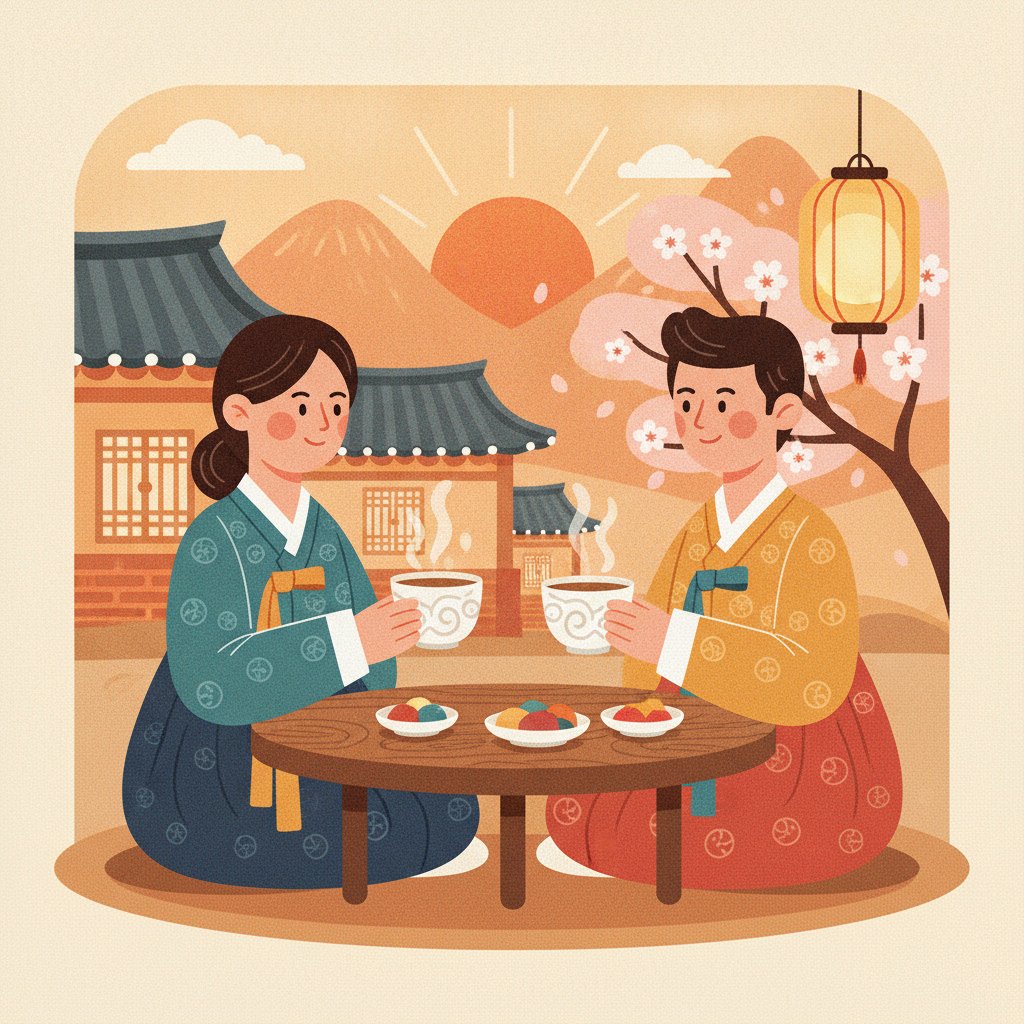
A mat-seon date typically takes place at a high-end hotel lounge or a quiet, private room in a traditional Korean fine-dining restaurant (Hanjeongsik). Venue choices reflect the formal nature of the event.
Unlike casual sogating where conversations revolve around hobbies, music, or favorite foods, mat-seon conversations touch naturally on career ambitions, views on child-rearing, living arrangements post-marriage, and financial philosophies. It is efficient, direct, and focused on long-term compatibility.
Key Differences: Drama Tropes vs. Korean Reality
| Feature | Sogating (Casual) | Mat-seon (Formal) |
|---|---|---|
| Main Goal | Dating and romance | Marriage |
| Arranged By | Friends or peers | Parents or agencies |
| Typical Venue | Trendy pasta spots & cafes | Hotel lounges & private dining |
K-dramas often frame mat-seon as a cold, oppressive force forced upon young adults by controlling parents. While parental input remains significant in Korea, modern Koreans often choose to participate in mat-seon voluntarily. For busy doctors, lawyers, or corporate managers who lack time to meet people naturally, mat-seon offers a practical way to find someone with shared values and life goals.
Where to Spot Dating Culture in Seoul
If you are traveling in Seoul and want to experience the romantic atmosphere often portrayed in dramas, visiting popular dating neighborhoods is a great add-on to your itinerary. Areas like Seongsu-dong, Ikseon-dong, and Yeonnam-dong are packed with stylish dessert cafes, cozy bistro restaurants, and photo booths—a staple stop for modern Korean couples after a date.
To explore these neighborhoods or book culinary walking tours, platforms like Klook offer convenient English-language bookings for day tours and activities across Seoul. And if you want to study up on real-life cultural nuances before your trip, watching slice-of-life romance shows on streaming platforms like Netflix or Viki provides a great window into contemporary Korean lifestyle and communication habits.
Frequently Asked Questions
Do young Koreans actually go on mat-seon dates today?
Yes, many young Koreans still participate in mat-seon, especially in their late twenties to late thirties. While modern singles prefer finding partners organically or through sogating, professional matchmaking agencies and parent-arranged mat-seon remain popular options for those focused specifically on marriage.
Who pays on a blind date in Korea?
Traditionally, the person who initiated or asked for the date paid for dinner, while the other person bought coffee or dessert afterward. Today, sharing expenses by splitting rounds—one paying for dinner and the other paying for the café or drinks—is the standard etiquette among younger generations.
What does ‘Sam-seong’ or the three-date rule mean in Korean dating?
In Korean blind date culture, there is an informal expectation that by the third date (“sam-seong”), both people should clarify their feelings. If you accept a third date proposal after a sogating, it generally signals strong romantic interest and that you are ready to make the relationship official.
🎟️ Popular tours & experiences in Korea
Klook.comKeep Reading
- Level Up Your Korean: A Realistic Guide to Learning Through K-Dramas
- Beyond the Screen: Essential Korean Variety Shows K-Drama Fans Will Adore
- Webtoon K-Drama Adaptations: Picks and Watching
- K-Drama Cafes & Filming Spots in Seoul: Local Finds
🎟️ Popular tours & experiences in Korea
Klook.com