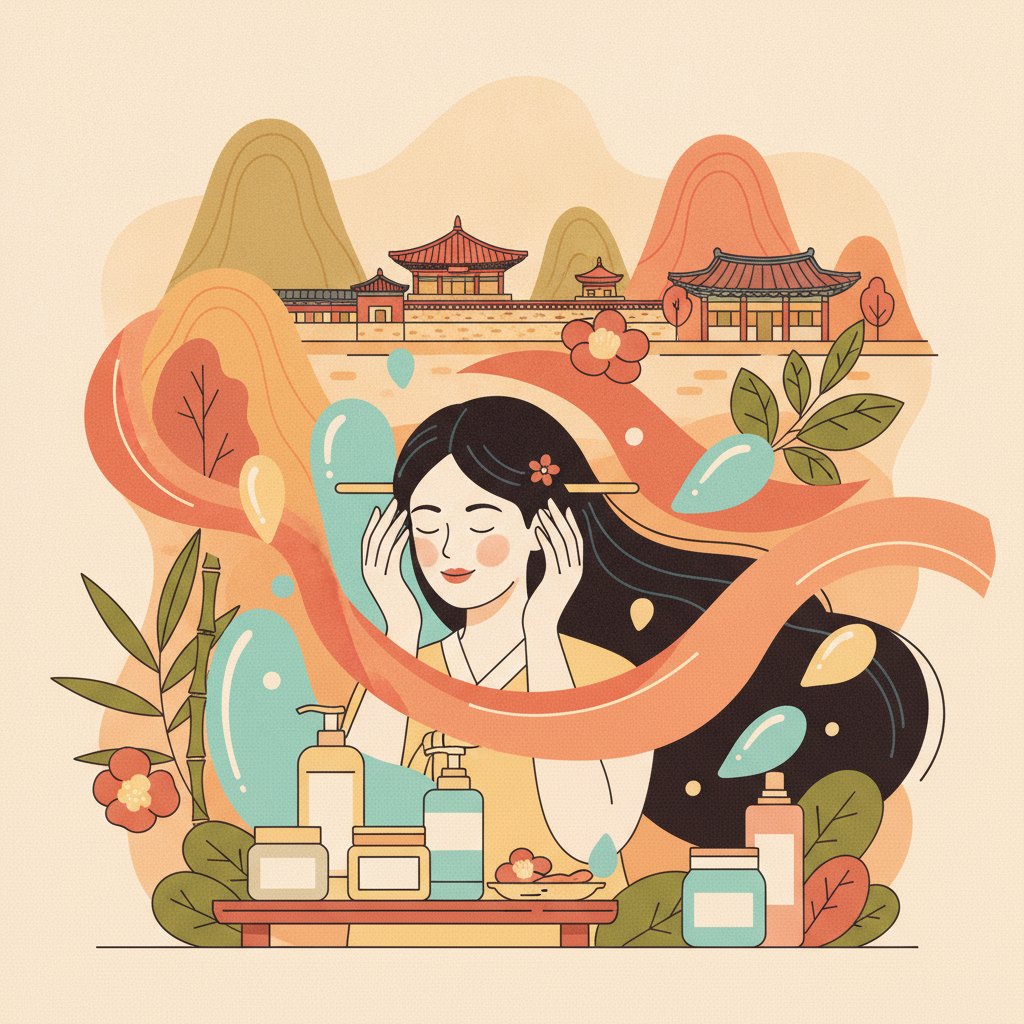
How to Build a Korean Hair Care Routine for Scalp Health
This post contains affiliate links. As an Amazon Associate, we earn from qualifying purchases at no extra cost to you.
Step into any local Korean hair salon in Seoul, and the stylist won’t start by asking how short you want your trim. Instead, they will often pull out a small magnified scalp camera, press it gently against your crown, and show you a high-definition view of your hair follicles. Growing up in Korea, I learned very early that healthy hair is simply a byproduct of a balanced scalp. If the soil isn’t nourished, the plants won’t thrive.
For years, international beauty trends focused almost entirely on repairing damaged ends with heavy silicone oils and rich masking creams. In Korea, however, we treat the scalp with the exact same dedication as the skin on our face. From clearing fine dust buildup to regulating sebum output, building a proper korean hair care routine is about preventing damage before it starts and fostering an environment where hair can grow thick and shiny.
Why Scalp Care Comes First in Korean Beauty
As a Korean, I often describe the scalp as an extension of facial skin. In fact, many local beauty experts call it ‘head skin.’ The scalp actually ages faster than facial skin and has a higher density of sebaceous glands. When sebum, dead skin cells, styling products, and environmental pollutants like fine dust gather on the scalp, they clog hair follicles. Over time, this leads to inflammation, premature shedding, unwanted odor, and weak hair growth.
In Korea’s climate—which swings between hot, humid summers and freezing, dry winters—adjusting your scalp environment is crucial. Rather than coating damaged hair strands in heavy oils that temporarily disguise dryness, a traditional Korean approach focuses on deep cleansing, hydrating the scalp barrier, and improving circulation through targeted massage.
✈️ Book your trip to Korea — hotels, flights & more
The 5-Step Korean Hair Care Routine
You do not need to perform every single step every day. Just like Korean skincare, this hair care routine is customizable depending on your scalp type, whether you lean oily, dry, sensitive, or hair-loss prone.
Step 1: Pre-Shampoo Scalp Scaler (1–2 Times a Week)
Think of a scalp scaler as an exfoliating mask for your head. Scalpers use gentle exfoliants like sea salt, AHA, BHA, or botanical extracts (such as tea tree and rosemary) to loosen stubborn buildup that normal shampoos miss.
To apply a scaler correctly, section your wet hair before shampooing and trace the product along your exposed scalp partings. Gently massage the formula into your roots using your fingertips—never your fingernails—and let it sit for three to five minutes before rinsing thoroughly. Scalp scalers generally cost between 15,000 and 28,000 KRW (roughly $12–22 USD) depending on the brand and retailer.
Step 2: Double Cleansing or Scalp-Specific Shampooing
On days when you wear heavy styling products or have spent hours outdoors, a single wash may not remove all impurities. Many Koreans practice double washing. The first quick wash breaks down surface oils, while the second wash thoroughly cleanses the scalp pores.
When shampooing, focus the lather entirely on your scalp rather than the ends of your hair. Pair your shampoo with a soft silicone scalp massaging brush. Using small circular motions across your crown, temples, and the nape of your neck boosts blood circulation and ensures an even clean without irritating the skin barrier.
Step 3: Hair Treatment and Vinegar Rinses
In Korea, traditional heavy hair conditioners are frequently replaced or paired with liquid hair treatments and hair vinegars. Standard conditioners can weigh down fine hair and leave residue on the scalp, whereas Korean hair treatments use water-activated liquid formulations that turn into a warm cream upon contact with wet hair, penetrating the hair cuticle instantly.
To maintain a healthy pH balance (around pH 4.5 to 5.5), many locals use raspberry or apple cider hair vinegars once or twice a week. After rinsing out your shampoo or treatment, pour a small amount of hair vinegar directly over your scalp and hair length. Rinse immediately with lukewarm water. This neutralizes hard water minerals and leaves hair exceptionally shiny without greasy buildup.
Step 4: Scalp Tonics and Serums
Once you step out of the shower and gently towel-dry your hair, it is time to hydrate the scalp. Leaving your scalp bare after deep cleansing can cause it to overproduce oil to compensate for lost moisture.
Scalp tonics are leave-in liquid sprays infused with ingredients like caffeine, biotin, ginseng, cica (centella asiatica), and mugwort. Part your damp hair into sections, spray the tonic directly onto the skin, and tap gently with your fingers to aid absorption. If your ends are dry, apply a lightweight hair serum or oil strictly from the mid-lengths down to avoid transferring heavy oils back to your clean scalp.
Step 5: The Cool Blow-Dry Technique
One of the biggest mistakes people make is sleeping with wet hair or using scorching heat to dry their roots. Damp environments encourage yeast and bacteria to flourish on the scalp, leading to dandruff and odor.
Always dry your hair immediately after washing. Start by setting your hair dryer to warm or cool air, focusing directly on the scalp and roots. Once your scalp is 100% dry, you can switch to warm air to style the lengths of your hair. Keeping heat away from the scalp preserves its delicate moisture balance.
Overview of the Core Korean Hair Care Routine
| Step | Product Type | Frequency |
|---|---|---|
| 1. Exfoliate | Scalp Scaler / Scrub | 1–2 times weekly |
| 2. Cleanse | Scalp Shampoo + Brush | Daily or every other day |
| 3. Condition | Liquid Treatment / Vinegar | 2–3 times weekly |
| 4. Nourish | Scalp Tonic & Ends Serum | Daily on towel-dried hair |
🎟️ Popular tours & experiences in Korea
Klook.comDaily Habits for Scalp Health from a Seoul Local
Beyond buying the right products, incorporating simple Korean daily habits can significantly transform your hair texture and scalp comfort over time:
- Switch to Lukewarm Water: Washing your hair with scalping hot water strips essential lipids, causing inflammation and excess oil production. Finish your shower with a lukewarm or cool rinse.
- Clean Your Hair Brushes Weekly: Oils, dead skin, and dust accumulate rapidly on hair tools. Wash your brushes with a mild shampoo once a week to prevent transferring dirt back to your clean head.
- Protect Your Scalp from UV Rays: Just like facial skin, your scalp can suffer from sun damage, leading to thinning hair. Wear lightweight canvas hats during peak outdoor hours or look for scalp sprays containing UV protection.
- Incorporate Scalp Massage: Spending just two minutes every evening massaging your scalp with your fingertips or a wooden comb helps relieve tension in the galea aponeurotica (the fibrous tissue covering the top of the skull), encouraging better blood flow to hair follicles.
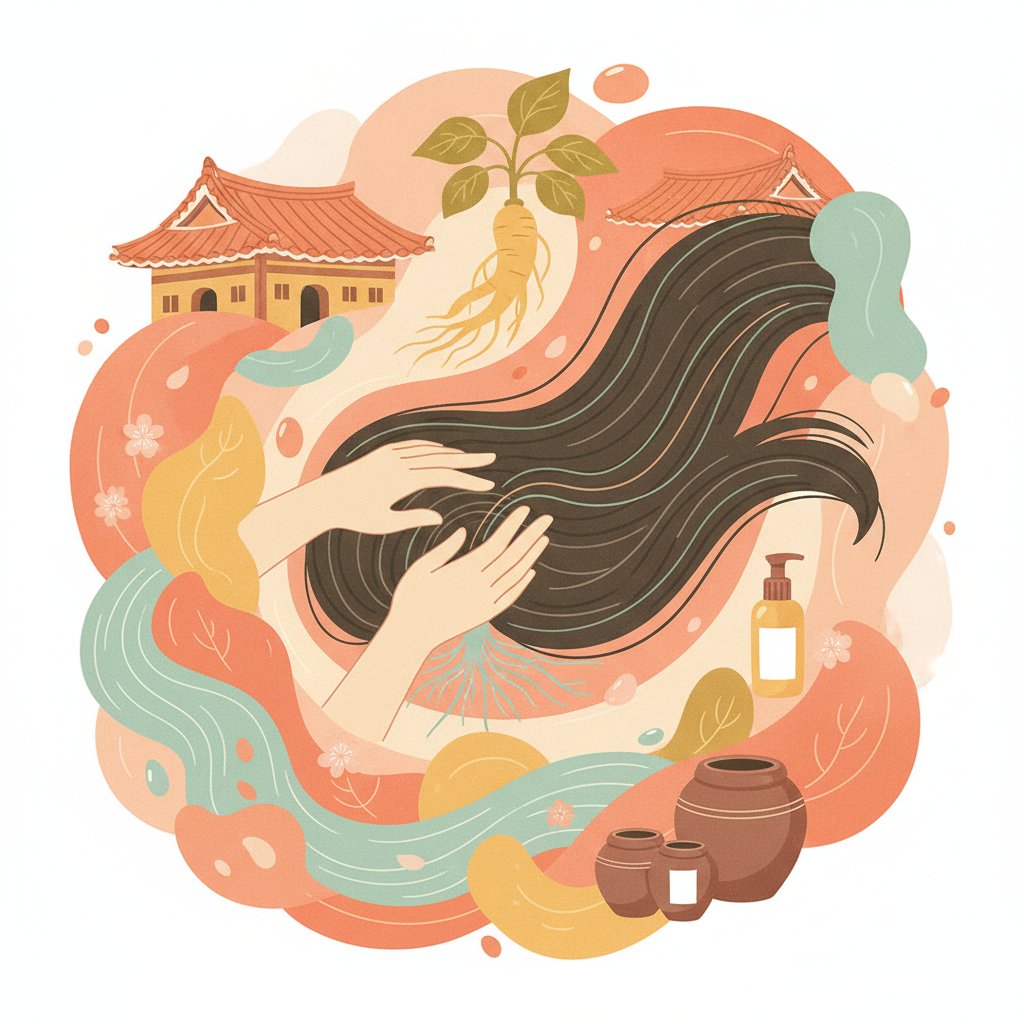
Where to Buy Korean Hair Care Products Internationally
Finding authentic products for your korean hair care routine has become very straightforward thanks to international shipping from established Korean platforms and global retailers.
- Olive Young Global: As Korea’s premier health and beauty drugstore chain, Olive Young is the best source for trending local hair care brands like Aromatica, Ryoe, LABO-H, Dr.FORHAIR, and Daleaf. They frequently offer bundled promotions, and international orders over a certain threshold (usually around $60 USD) qualify for free express shipping. Scalp scalers and tonics typically range from $12 to $28 USD here.
- Amazon (Official Brand Stores): Many top Korean hair care manufacturers maintain official storefronts on Amazon. Look for brands such as Ryoe, Amos Professional, and Dr.Groot. Be sure to check that the seller is listed as the official brand or authorized distributor to ensure product freshness.
- Klook: If you are planning a trip to Korea, you can use booking platforms like Klook to reserve an authentic ‘Seoul Head Spa’ experience or deep scalp scaling treatment at professional salons in neighborhoods like Gangnam, Hongdae, or Myeongdong. Professional head spa treatments generally range from 80,000 to 200,000 KRW ($60–150 USD) depending on the session length and salon level.
Frequently Asked Questions
How often should I do a scalp scaling treatment?
For most hair types, using a scalp scaler once or twice a week is ideal. If you have an exceptionally oily scalp or use heavy hair styling products daily, twice a week works well. If you have a dry or sensitive scalp, limit scaling to once every ten days to avoid over-exfoliation.
Can I follow a Korean hair care routine if I have color-treated hair?
Yes, but choose your products carefully. Opt for sulfate-free scalp shampoos and gentle, acid-balanced hair vinegars rather than harsh clarifying salt scrubs. Liquid hair treatments are exceptionally beneficial for color-treated hair because they deliver instant amino acids without stripping pigment.
What is the difference between a hair conditioner and a Korean hair treatment?
Traditional conditioners primarily coat the exterior surface of the hair with silicones and oils to smooth the hair shaft temporarily. Korean hair treatments (often called hair packs or liquid water treatments) contain hydrolyzed proteins, keratin, and botanical extracts designed to penetrate deeper into damaged strands while rinsing out cleanly without leaving heavy residue on the scalp.
Keep Reading
- Korean Sunscreen: Finding Your K-Beauty Match
- Olive Young: K-Beauty Picks in Korea and Online
- K-Beauty Online: Finding Authentic Products from Korea
- A Beginner’s Korean Skincare Routine
🎟️ Popular tours & experiences in Korea
Klook.com