Andong Hahoe Village Guide: Day Trip from Seoul
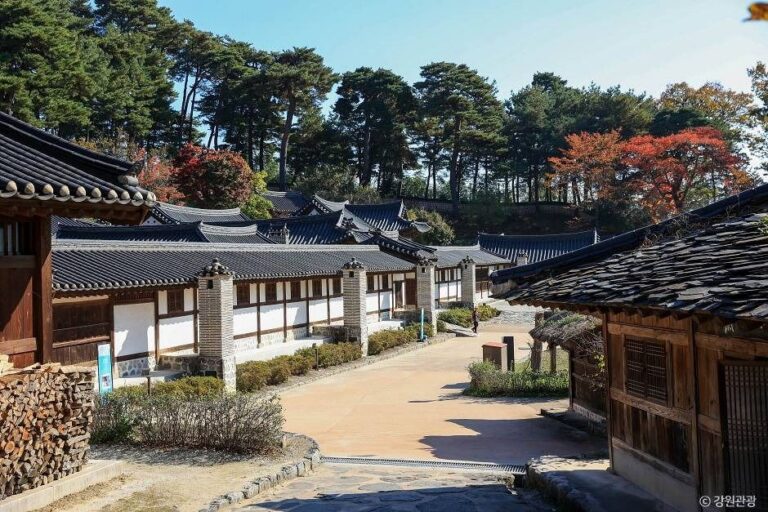
Watching the morning mist rise over the curving Nakdong River while walking past 600-year-old tile-roofed nobility homes and simple thatched cottages is one of my favorite weekend escapes in Korea. As a Korean who grew up in Seoul, I often remind my international friends that while our capital gives you futuristic high-rises and K-pop glamour, places like Andong give you the soul of historical Korea. Andong Hahoe Folk Village is not an open-air museum or a reconstructed movie set. It is a living, breathing village where descendants of the Pungsan Ryu clan have lived for over six centuries, preserving ancestral rituals, traditional architecture, and centuries-old folk traditions.
If you want to step away from the urban energy of Seoul and experience authentic Korean heritage, this complete Andong Hahoe village guide will walk you through exact transit routes, regional food specialties, cultural highlights, and practical tips to plan a smooth journey.
Why Andong Hahoe Folk Village Belongs on Your Itinerary
Designated as a UNESCO World Heritage site in 2010 alongside Yangdong Folk Village in Gyeongju, Hahoe (pronounced Ha-hoe) literally means "river encircled." The village sits inside an S-shaped bend of the Nakdong River, surrounded by pine trees, sandy beaches, and the dramatic cliffside of Buyongdae. According to traditional Korean geomancy (Feng Shui), this specific geographic shape resembles two lotus flowers floating on water or a giant yin-yang symbol, making it an exceptionally auspicious place to live.
Unlike Korean folk villages that were built for tourism in modern times, Hahoe was established during the early Joseon Dynasty in the 14th century. What makes it unique is the co-existence of grand yangban (aristocratic nobility) tile-roofed estates standing alongside humble choga (straw-thatched cottages) built for commoners. Today, local families still reside in these homes, tending to small vegetable gardens and keeping ancient traditions alive.

✈️ Book your trip to Korea — hotels, flights & more
How to Travel from Seoul to Andong
Reaching Andong from Seoul used to take over three hours by bus, but thanks to high-speed rail upgrades, it is now an easy day trip or overnight journey. Here are the most practical ways to make the trip.
Option 1: KTX-Eum Train from Cheongnyangni Station (Recommended)
The fastest and most comfortable way to reach Andong is taking the KTX-Eum (a sleek electric high-speed train) from Cheongnyangni Station in eastern Seoul. Do not go to Seoul Station for this train route, as most trains bound for the central inland line depart from Cheongnyangni.
- Departure Station: Cheongnyangni Station (Subway Line 1, Gyeongui-Jungang Line)
- Travel Time: Approximately 2 hours to 2 hours 10 minutes
- Frequency: Trains run multiple times daily starting from early morning
- Approximate Cost: Standard seats usually cost around 25,000 to 30,000 won (roughly $19 to $23 USD) one way
- How to Book: You can reserve tickets up to 30 days in advance on the official Korail English website or via the Klook platform. Trains sell out quickly on weekends and Korean national holidays, so booking early is strongly advised.
Option 2: Express Bus from Seoul Express Bus Terminal
If you prefer a direct bus ride or if train tickets are sold out, express buses depart regularly from the Seoul Express Bus Terminal (Gyeongbu/Yeongdong Line, located at Subway Lines 3, 7, and 9).
- Travel Time: Around 2 hours 40 minutes to 3 hours depending on traffic
- Approximate Cost: Premium or Express seats range between 18,000 and 28,000 won (roughly $14 to $21 USD)
- How to Book: Tickets can be purchased at terminal kiosks or online via the Kobus portal using an international credit card.
Getting from Andong Station to Hahoe Village
Once you arrive at Andong Station (or the adjacent Andong Bus Terminal), you are about 25 kilometers away from the village entrance. You have two main transfer options:
Taking Local Bus #210
Local City Bus #210 is the most economical way to travel directly to Hahoe Village. The bus stop is located right outside the main exit of Andong Station.
- Bus Route: Look for Bus #210 (formerly route #46) displaying "Hahoe Village (하회마을)".
- Travel Time: About 40 to 50 minutes.
- Payment: You can tap your standard T-money transport card or pay with cash. A single ride typically costs around 1,500 won (roughly $1.15 USD).
- Interval: Buses run approximately every 40 to 60 minutes, so checking the departure schedule upon arrival at Andong Station is recommended.
Taking a Local Taxi
If you are traveling in a group of three or four, or if you prefer not to wait for the local bus, taxis are readily available at the station exit. The fare to Hahoe Village generally ranges between 25,000 and 32,000 won (roughly $19 to $25 USD) each way. You can use the Kakao T app to dispatch a taxi easily or flag one directly at the taxi stand.
🎟️ Popular tours & experiences in Korea
Klook.comTransportation Options Compared
| Method | Travel Time | Approx. Cost (One-Way) |
|---|---|---|
| KTX-Eum + Local Bus | ~2 hrs 50 mins | 26,500–31,500 KRW ($20–24 USD) |
| Express Bus + Local Bus | ~3 hrs 30 mins | 19,500–29,500 KRW ($15–22 USD) |
| KTX-Eum + Taxi | ~2 hrs 30 mins | 50,000–62,000 KRW ($38–47 USD) |
Top Things to See and Do in Hahoe Village
1. Walk Among Ancient Hanok and Thatched Cottages
As you pass through the main entrance area, asphalt roads disappear, replaced by unpaved dirt pathways lined with historic stone-and-mud walls. Take your time wandering through the quiet alleyways. Look out for notable heritage structures like Yangjindang (the head house of the Ryu clan’s northern branch) and Chunghyodang (the head house of the southern branch, where Queen Elizabeth II visited during her famous tour of Korea in 1999).
2. Climb Buyongdae Cliff for the Scenic View
To capture the iconic panoramic view of Hahoe Village tucked inside the river bend, head toward the Nakdong River bank. During high-water seasons, a small wooden ferry boat carries visitors across the river for a small cash fee (usually around 3,000 to 5,000 won return / roughly $2.30 to $3.80 USD). Once across, a short 10-to-15-minute hike up a shaded forest path leads you to the top of Buyongdae Cliff, offering an unforgettable vista of the entire settlement.
3. Watch the Hahoe Mask Dance Performance (Talchum)
No trip to Andong is complete without experiencing the Hahoe Byeolsingut Tal놀이 (Hahoe Mask Dance Drama), an UNESCO Intangible Cultural Heritage performance. Historically performed by villagers to appease local spirits and critique the strict social class structure of the Joseon era through satire and humor, this lively performance features wooden masks representing characters like the Scholar, the Aristocrat, the Monk, and the Flirtatious Maiden.
- Location: Hahoe Mask Dance Theater near the main village entrance/parking area
- Schedule: Performances usually run Tuesday through Sunday afternoons (timing varies by season, typically 2:00 PM)
- Admission: Included with or located adjacent to your general village admission area (free to watch for visitors)
- Tip: While the dialogue is spoken in traditional Korean dialect, English subtitle screens are often active on the sides of the stage.
Must-Try Local Food in Andong
Andong is celebrated across Korea as a premier culinary city. After walking around the village, make sure to visit a local restaurant inside the Hahoe Market village entrance complex or head to the famous Andong Old Market in downtown Andong to sample these regional dishes:
- Andong Jjimdak (Braised Chicken): A savory and moderately spicy dish featuring tender chicken, soy sauce marinade, glass noodles, potatoes, carrots, and dried chili peppers. A large platter shared among 2 to 3 people typically costs around 30,000 to 45,000 won (roughly $23 to $34 USD).
- Gan-godeungeo (Salted Mackerel): Because Andong is located inland away from the coast, fish historically had to be salted to prevent spoilage during transport. Today, Andong salted mackerel meal sets are famous for their perfectly crisp skin and juicy, seasoned meat, served alongside hot rice and various side dishes (around 12,000 to 18,000 won / $9 to $14 USD per person).
- Andong Soju: A high-proof traditional liquor distilled from distilled grain, with roots stretching back to the Goryeo Dynasty. Standard commercial bottles are sold at local shops, while handcrafted craft versions make superb cultural souvenirs.
Practical Tips for a Smooth Visit
- Footwear Matters: The pathways inside the village consist of compressed dirt, gravel, and stone pavement. Wear comfortable walking shoes or sneakers.
- Respect Local Residents: Remember that people actually live inside these historic homes. Avoid opening private gates, shouting, or pointing cameras through residential windows.
- Luggage Storage: If you are visiting Andong as a stopover between Seoul and Gyeongju or Busan, you can store your luggage in coin lockers located inside Andong Station or at the Hahoe Village Tourist Information Center.
- Navigation: Google Maps has limited walking direction functionality in South Korea. Download Naver Map or KakaoMap on your phone beforehand for precise bus schedules and local walking routes.
🎟️ Popular tours & experiences in Korea
Klook.comFAQ
Can you visit Andong Hahoe Village as a day trip from Seoul?
Yes, a day trip is easily manageable. By taking the early morning KTX-Eum train from Cheongnyangni Station (approx. 2 hours), you can arrive in Andong before 10:00 AM, explore Hahoe Village and enjoy a local lunch, watch the afternoon mask dance performance, and return to Seoul by evening.
How much is the admission fee for Andong Hahoe Village?
Adult admission tickets to enter the historic village area generally cost around 5,000 won (roughly $3.80 USD) for adults, with discounted rates for teens and children. Prices are subject to slight changes, and ticket booths accept major credit cards and cash.
What is the best season to visit Andong Hahoe Village?
Autumn (September to November) is arguably the best season due to comfortable walking temperatures, clear skies, and vibrant golden fall foliage across the pine forests and river banks. Late autumn also coincides with the famous Andong Maskdance Festival held annually across the city.
Keep Reading
- Mogok Retreat Chapel (모곡 피정의 집): A Local’s Guide to Serenity in Gangwon
- Nexon Computer Museum (넥슨컴퓨터박물관): A Local’s Guide
- Lotte World Adventure Busan (롯데월드 어드벤처 부산): A Local’s Guide
- Cheongok Golden Bat Cave (천곡황금박쥐동굴): A Local’s Guide
🎟️ Popular tours & experiences in Korea
Klook.com