Baengnokdam Lake (한라산 백록담): A Local’s Guide to Jeju’s Crown Jewel
At a glance
- In shortA guide to hiking Hallasan Mountain to see Jeju's iconic crater lake, Baengnokdam.
- Best forHikers and travelers planning to climb Hallasan in Jeju
- WhereJeju
- Key pointsAdmission to Baengnokdam Lake and Hallasan National Park is free. · Hikers can reach the peak via Seongpanak Trail or Gwaneumsa Trail. · Parking fees apply at trailheads, ranging from 500 to 3,000 won.
- Heads-upTrail access has strict seasonal time restrictions, so check entry cutoff times.
An Introduction to Jeju’s Natural Masterpiece: Baengnokdam Lake
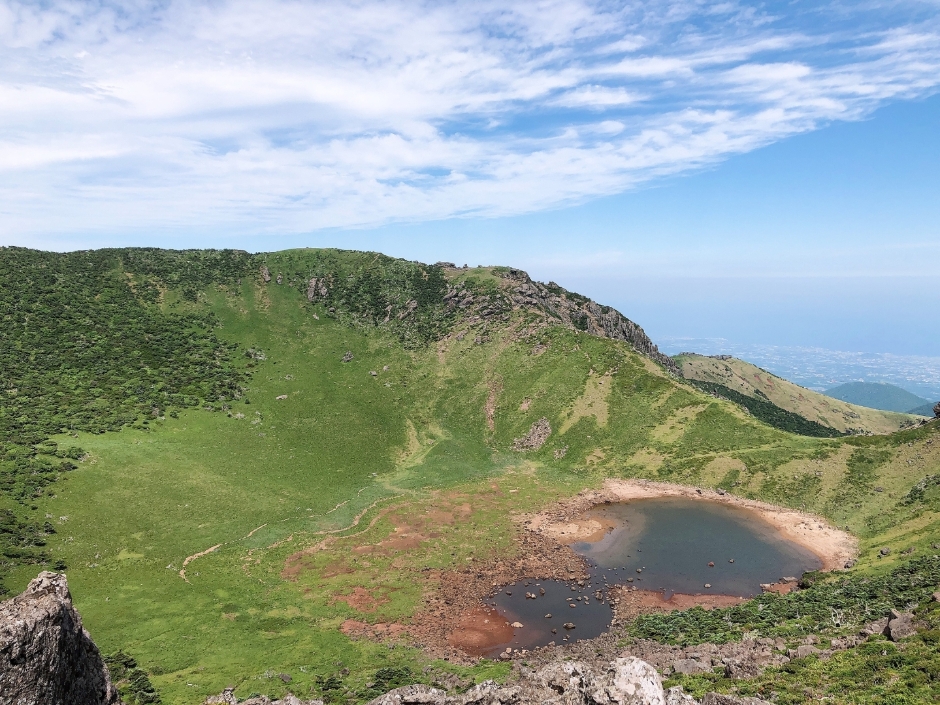
Annyeonghaseyo, dear travelers! As a local who cherishes the breathtaking beauty of Korea, I’m thrilled to share with you one of Jeju Island’s most iconic and awe-inspiring natural wonders: Baengnokdam Lake. Nestled right at the very heart of our beloved Jeju, atop the majestic Hallasan Mountain, Baengnokdam isn’t just a lake; it’s an experience, a journey, and truly a sight that will etch itself into your memory forever.
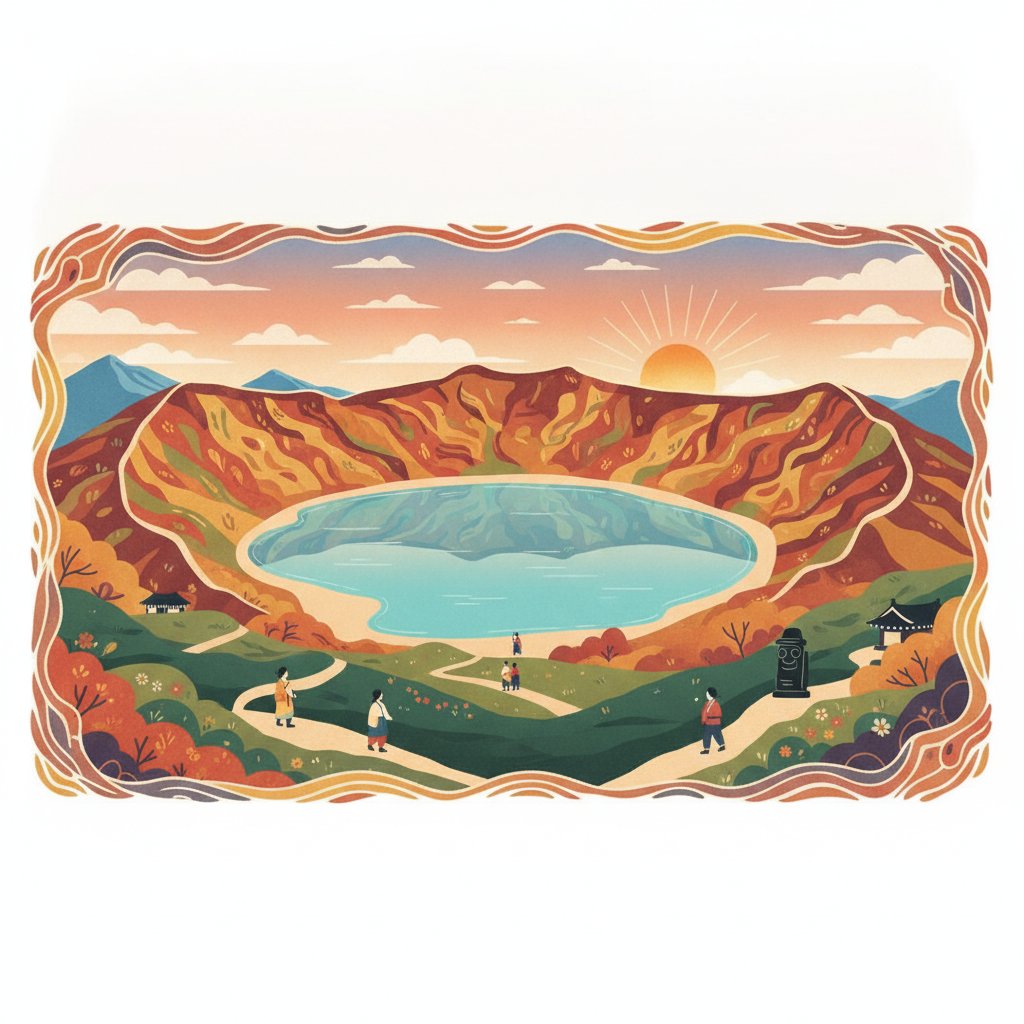
Imagine standing at the highest point of an island, looking out at a sprawling crater lake, feeling as though you’re literally ‘floating on clouds.’ That’s the magical sensation Baengnokdam offers. It’s not just a poetic description; it’s a reality you can feel when the mists roll in, creating an ethereal landscape that truly makes you feel disconnected from the world below. This crater lake, a result of volcanic activity that shaped Jeju, is a testament to nature’s incredible power and artistry.
Baengnokdam is quite significant in scale, boasting an impressive circumference of 3 kilometers and stretching 500 meters in diameter. And as you gaze around from this lofty perch, you’ll be able to spot approximately 360 parasitic cones scattered across the landscape – smaller volcanic formations that contribute to Hallasan’s unique and dramatic scenery. It’s a geological marvel that also happens to be incredibly beautiful, a place where the grandeur of nature truly shines.
✈️ Book your trip to Korea — hotels, flights & more
The Journey to the Top: Hiking Hallasan’s Sacred Trails
To witness the splendor of Baengnokdam Lake, you’ll embark on an unforgettable hiking adventure up Hallasan Mountain. This isn’t just about reaching a destination; it’s about the journey itself, a communion with nature that rejuvenates the spirit. The National Park offers well-maintained trails, each with its own character and challenges, leading you to the ultimate reward: the stunning views of Baengnokdam.
Seongpanak Trail: A Popular Path to Paradise
One of the most well-known routes to Baengnokdam is the Seongpanak Trail. Starting from the Seongpanak Visitors Center, this trail gradually ascends through diverse landscapes, offering hikers a chance to truly immerse themselves in Hallasan’s ecosystem. Along the way, you’ll encounter several key points that mark your progress and offer a chance to rest and take in the scenery:
- Seongpanak Visitors Center: Your starting point, where the adventure begins.
- Sokbat Shelter: A welcome resting spot further along the trail.
- Saraakoreum Entrance: A point of interest before continuing your ascent.
- Azalea Field Shelter: A beautiful area, particularly renowned during the spring when azaleas are in bloom.
- Dongneung Peak: This is the destination where you will find Baengnokdam Lake, waiting to unfold its beauty before your eyes.
Hiking the Seongpanak Trail is an experience of endurance and discovery. While challenging, the sense of accomplishment you’ll feel upon reaching the peak and beholding Baengnokdam is unparalleled. The ever-changing scenery, from lush forests to open volcanic landscapes, makes every step a discovery.
Gwaneumsa Temple Trail: For the Adventurous Spirit
For those seeking a slightly different, often considered more challenging, route to Baengnokdam, the Gwaneumsa Temple Trail is an excellent choice. This trail is known for its dramatic cliffs and deep valleys, offering spectacular, rugged views that contrast with the more gentle slopes of Seongpanak. While the official data provided gives us the initial stages, it sets the stage for an incredible journey:
- Gwaneumsa: The trail typically begins near the historic Gwaneumsa Temple itself, offering a serene start.
- Tamnagyegok Valley: You’ll traverse this valley, experiencing its unique natural beauty.
- Gaemimok: Another significant point along this demanding but rewarding path.
- Samgakbong Shelter: A crucial shelter for hikers, often signifying a good rest stop before the final push to the summit.
Both trails offer a deep connection with Hallasan’s natural environment. Whichever you choose, remember that the goal is to enjoy the journey, respect nature, and prepare adequately for a high-altitude hike. The reward at the summit, the breathtaking Baengnokdam, makes every effort worthwhile.
Planning Your Visit to Baengnokdam: Essential Information
To ensure you have the best possible experience, here’s some practical information about visiting Baengnokdam Lake and Hallasan National Park.
Admission and Parking
One of the most wonderful aspects of visiting this natural marvel is that admission to Baengnokdam Lake and Hallasan National Park is completely free! That’s right, you can soak in all this incredible beauty without an entry fee, making it an accessible adventure for everyone.
For those planning to drive to the park entrances before starting their hike, parking is available. Please note that parking fees apply:
| Vehicle Type | Parking Fee |
|---|---|
| Two-wheel vehicles | 500 won |
| Small vehicles (displacement less than 1,000 cc) | 1,000 won |
| Cars (loading capacity less than 4 tons) | 1,800 won |
| Small bus (11-15 passengers) | 3,000 won |
Please note that fees for larger vehicles may also apply, so it’s always a good idea to be prepared.
Operating Hours and Trail Restrictions
While Baengnokdam and Hallasan National Park are generally open all year round, it’s crucial to be aware of specific trail access restrictions and operating hours, which can vary by season to ensure hiker safety and preserve the environment. We strongly recommend you refer to the official website for the most current and detailed information on operating hours before your visit.
Specifically, there are ‘Mountain Not Access Periods’ for certain trails, which dictate when you must enter or exit specific sections:
- Seongpanak Trail Restrictions:
- May-August: Access to the Seongpanak Trail Entrance & Azalea Shelter is restricted from 13:00. This means you must pass these points before 1:00 PM to continue your hike to the summit.
- November-February: During these colder months, trail entrance starts from 06:00. Additionally, specific restrictions apply to the Seonpanak Trail (which is likely a typo for Seongpanak Trail) & Azalea Shelter, though the exact restriction time for exiting or passing these points is not fully provided in the official data for this period. This makes checking the official website even more important!
These restrictions are put in place for your safety, especially considering the changing weather conditions and daylight hours on the mountain. Always plan your hike to ensure you have ample time to reach your destination and descend safely within the permitted hours.
Contact for Inquiries
Should you have any specific questions or need further details that aren’t readily available, you can reach out to Hallasan National Park directly. For inquiries related to the Eorimok Trail (which is another trail often associated with Hallasan) or general park information, you can contact them at +82-64-713-9950.
🎟️ Popular tours & experiences in Korea
Klook.comHow to Get There: Reaching the Heart of Jeju
Baengnokdam Lake sits majestically atop Hallasan Mountain, right in the center of Jeju Island, specifically in Topyeong-dong, Seogwipo-si. Since the lake itself is at the peak, you’ll be aiming to reach the base of Hallasan, where the various trailheads are located.
Jeju Island is well-serviced by Jeju International Airport (CJU). Once you arrive on the island, getting to the Hallasan National Park entrances (like Seongpanak or Gwaneumsa) is relatively straightforward. While there isn’t a subway system on Jeju, the island has an excellent bus network, and taxis are widely available. Many visitors also opt to rent a car for greater flexibility, especially given the availability of parking at the trailheads.
To reach the Seongpanak Trail entrance, for instance, you can take an intercity bus from Jeju City or Seogwipo City that passes by the Seongpanak Visitors Center. Similarly, buses can take you towards the Gwaneumsa Temple area. Remember, the journey up the mountain begins from these park entrances!
Tips Before You Go: A Local’s Advice for a Smooth Hike
As your friendly local guide, I want to make sure your visit to Baengnokdam is as smooth and enjoyable as possible. Here are a few essential tips:
- Check Official Hours Religiously: As mentioned, trail hours and restrictions, especially the ‘Mountain Not Access Period’ for Seongpanak (May-August restriction from 13:00, November-February entrance from 06:00, with further restrictions), are crucial. Always, always refer to the official website for the most up-to-date information before you set off. Weather conditions can also impact trail accessibility.
- Dress Appropriately: Hallasan is a mountain, and conditions at the peak can be significantly different from the base. Layered clothing, waterproof outerwear, sturdy hiking boots, and appropriate gear for sun protection are a must.
- Pack Essentials: Bring plenty of water, snacks, a map (though the trails are well-marked, it’s good practice), and any personal medications. There are shelters along the trails, but carrying your own supplies is vital.
- Start Early: Especially if you’re aiming for the summit, starting early in the morning is highly recommended. This gives you ample time to complete the hike, enjoy the views, and descend before any closing restrictions or sunset.
- Leave No Trace: Help us keep Hallasan and Baengnokdam pristine. Carry out everything you carry in, and stick to marked trails.
- Physical Preparedness: Hiking Hallasan is a challenging endeavor. Ensure you are in good physical condition and have sufficient hiking experience.
Experience the Majesty of Baengnokdam
Baengnokdam Lake isn’t just a destination; it’s the culmination of an incredible journey, a spiritual encounter with Jeju’s raw, untamed beauty. The feeling of reaching that summit, gazing upon the serene crater lake, and feeling the clouds around you is something truly special. It’s a place where you can feel the pulse of Jeju, a place that connects you deeply with the island’s volcanic heart.
So, lace up your hiking boots, prepare for an adventure, and come discover Baengnokdam, the crown jewel of Hallasan. You’ll understand why locals cherish it so deeply, and why it draws visitors from all corners of the globe. I promise, it’s an experience you’ll never forget!
Good to Know
| Hours | Refer to the official website |
|---|---|
| Closed | N/A (Open all year round) |
| Parking | Available |
| Contact | Hallsan National Park (Eorimok Trail) +82-64-713-9950 |
| Mountain Not Access Period | [Seongpanak Trail] May-August: Seongpanak Trail Entrance & Azalea Shelter restricted from 13:00 November-February: Trail entrance starting from 06:00, Seonpanak Trail & Azalea Shelter restricted from |
| Hiking Course | [Seongpanak Trail] Seongpanak Visitors Center→Sokbat Shelter→Saraakoreum Entrance→Azalea Field Shelter→Dongneung Peak [Gwaneumsa Temple Trail] Gwaneumsa→Tamnagyegok Valley→Gaemimok→Samgakbong Shelter→ |
| Admission Fees | Free |
| Parking Fees | – Two-wheel vehicles: 500 won – Small vehicles (displacement less than 1,000 cc): 1,000 won – Cars (loading capacity less than 4 tons): 1,800 won – Small bus (11-15 passengers): 3,000 won – Mid/Large |
Details above are from the Korea Tourism Organization and may change — double-check before you visit.

🎟️ Popular tours & experiences in Korea
Klook.comLocation & Map
📍 Topyeong-dong, Seogwipo-si, Jejudo
Useful Links
More on Jeju Island Travel
- Yeongsil Trail Guide: Hallasan National ParkA guide to hiking Jeju Island's scenic Yeongsil Trail in Hallasan National Park.
- Changkkom: Natural Basalt Window in JejuOverview of Changkkom in Jeju, including location, photo tips, and visitor details.
- Traveling Jeju Island Without DrivingA guide to navigating Jeju Island using public transit, local mapping apps, taxis, and day tours without a car.
See every Jeju Island Travel post in our K-Travel guide.
Handy toolsKorea travel essentials · Trip budget calculator · Korea Guide Finder
Keep Reading
- Busan Air Cruise (부산 송도해상케이블카): A Local’s Guide
- Susan Harbor: Sailing and Seoraksan Views in Yangyang
- Hyanghohaebyeon Beach (향호해변): A Local’s Guide
- Quiet Charms of Geumneung Port in Jeju
🎟️ Popular tours & experiences in Korea
Klook.com