Trying Royal Court Cuisine in Seoul: A Local Dining Guide
This post contains affiliate links. As an Amazon Associate, we earn from qualifying purchases at no extra cost to you.
Understanding Gungjung Emsik: The Joseon Royal Table
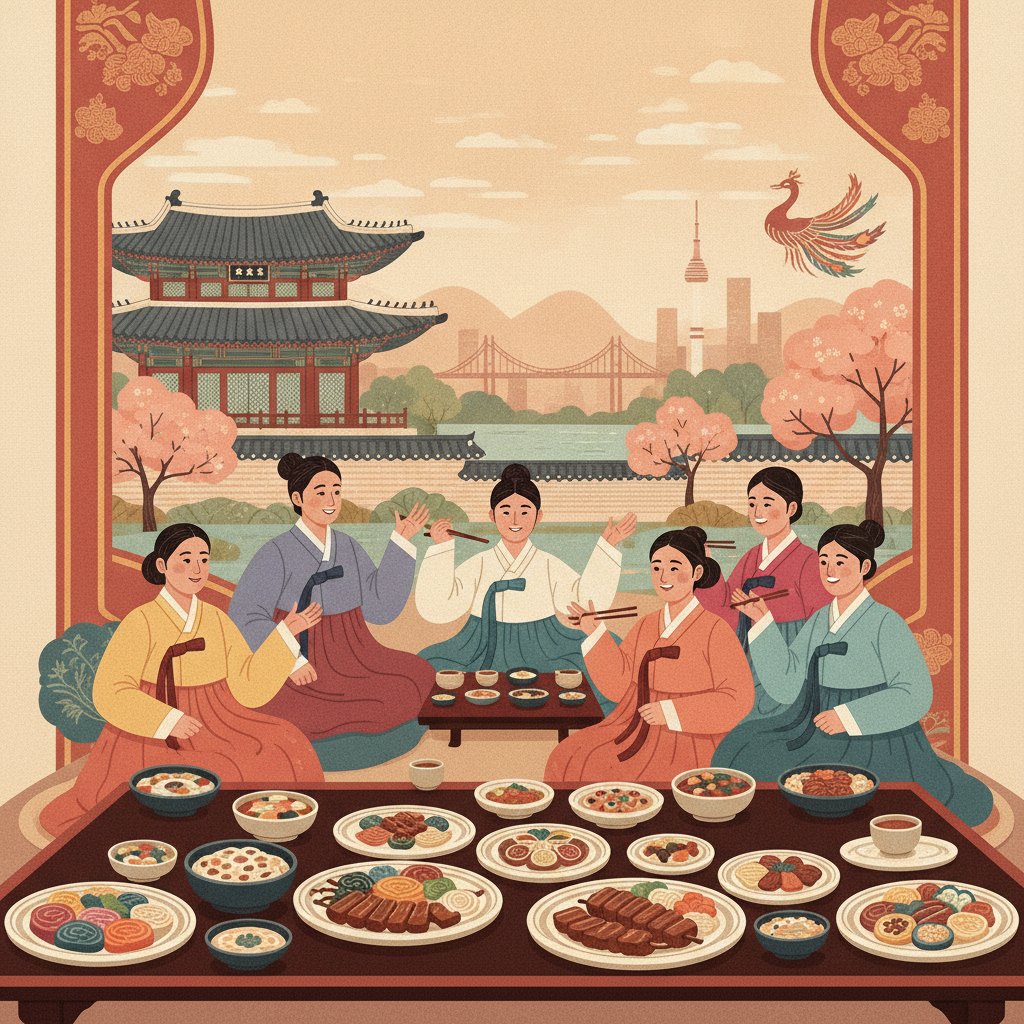
The first time my grandmother took me to a Joseon-style banquet hall near Gyeongbokgung Palace, the immediate quietness of the dining room caught me off guard. Unlike the sizzling noise of popular Korean barbecue joints or the lively clatter of neighborhood pojangmacha tent bars, traditional royal dining in Korea is an intentional, meditative experience. As a Korean who grew up hearing family stories about palace traditions, tasting real royal court cuisine—known locally as Gungjung Emsik—felt like stepping directly into the living quarters of 15th-century kings.
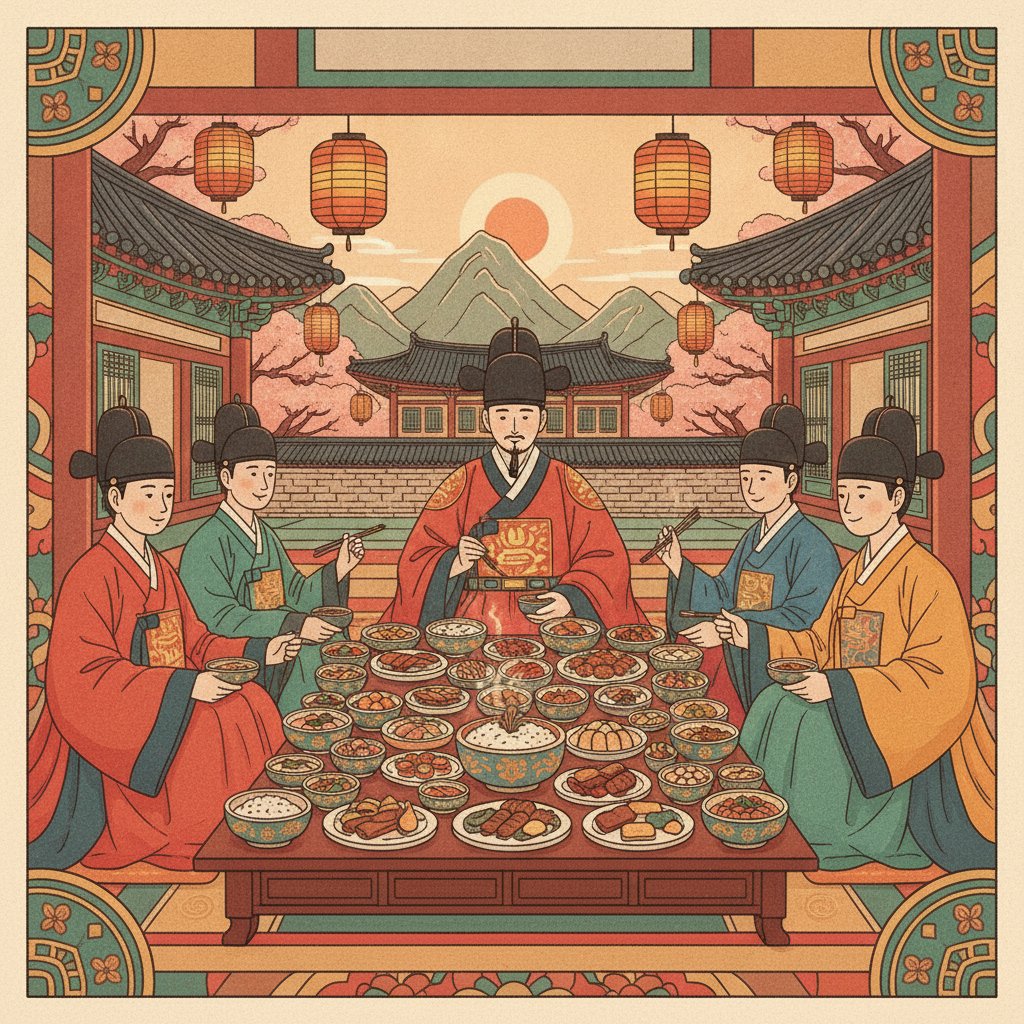
For centuries during the Joseon Dynasty (1392–1910), the royal kitchen staff worked tirelessly inside the palace kitchens, called the Suragan. The monarch’s primary daily table, known as the Surasang, was far more than an impressive culinary show. It served as an essential administrative report on the nation’s well-being. Regional governors across all eight historical provinces sent their finest seasonal harvests, seafood, and livestock to the palace as tribute. By examining what arrived at the royal table each morning and evening, the king could gauge agricultural yields, weather conditions, and the prosperity of his subjects across the peninsula.
If you watch popular Korean historical dramas like Dae Jang Geum (Jewel in the Palace), you might expect royal food to be overwhelmingly elaborate or heavily spiced. In reality, authentic royal court cuisine stands out for its remarkable restraint. Before chili peppers were introduced to Korea from the Americas via Portuguese traders in the late 16th century, traditional Korean cooking relied on gentle, balanced seasonings: dark aged soy sauce, sesame oil, toasted pine nuts, raw honey, fermented garlic, and clear kelp broth. Every dish was constructed around Obangsaek—the five traditional Korean cardinal colors (red, yellow, white, black, and blue/green)—representing the cosmic harmony of the five natural elements and promoting physical wellness.
✈️ Book your trip to Korea — hotels, flights & more
Signature Royal Dishes You Will Experience
When you book a full course meal at a royal restaurant in Seoul today, your meal follows a deliberate structure that moves gracefully from warm opening broths to subtle grilled items and delicate desserts. Here are several core dishes you will likely encounter on a classic menu.
Gujeolpan (The Platter of Nine Delicacies)
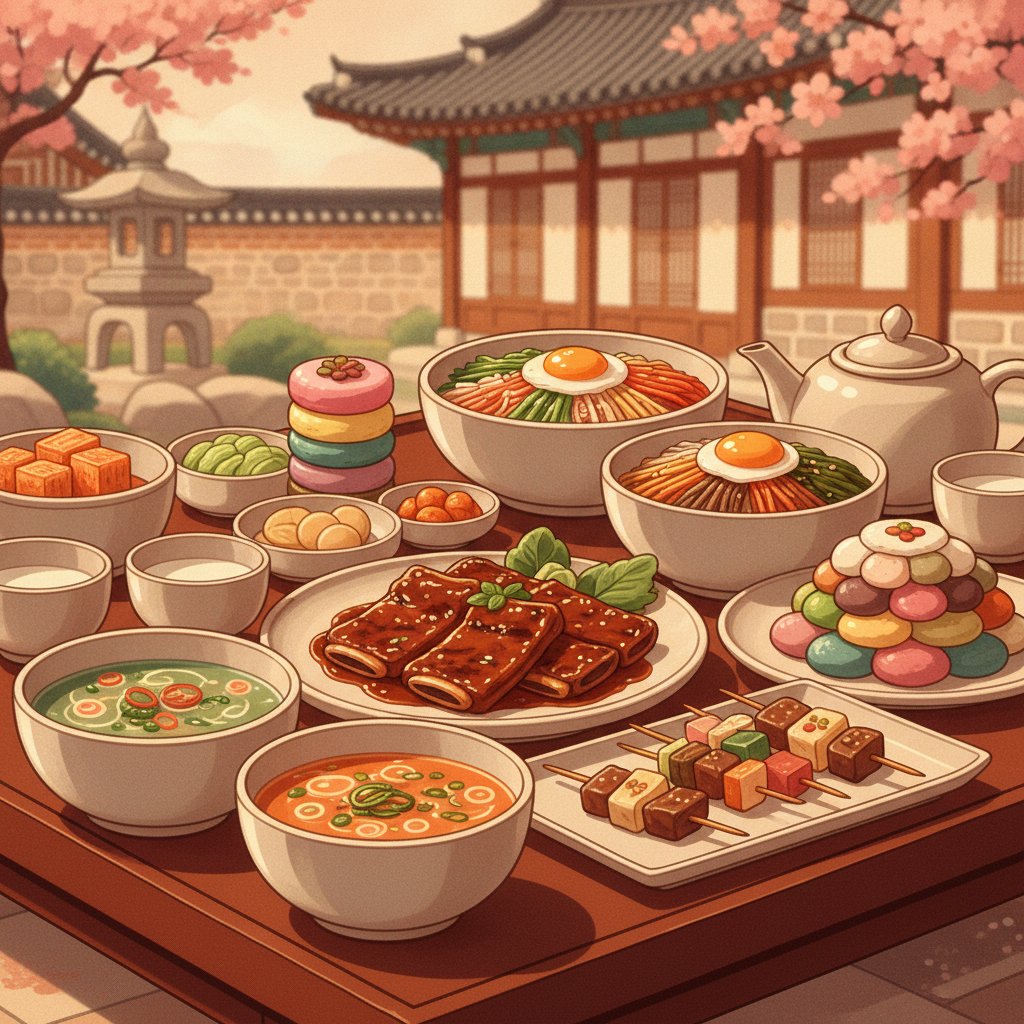
Perhaps the visually striking centerpiece of any royal presentation, Gujeolpan consists of an octagonal wooden tray divided into nine distinct sections. In the central compartment sit paper-thin, soft buckwheat pancakes (milsam). Arranged neatly in the eight surrounding compartments are finely shredded, color-coordinated ingredients: seasoned beef julienne, shiitake mushrooms, shredded egg whites, egg yolks, cucumber, carrots, wood ear mushrooms, and bamboo shoots. Eating it requires a touch of mindfulness: you place a small pancake on your palm, lay tiny slivers of each color inside, roll it neatly, and dip it into a mild mustard or pine nut sauce.
Sinseollo (Royal Brass Cauldron Hot Pot)
Named after legendary Taoist hermits because of its heavenly flavor, Sinseollo is served in an ornate, silver-plated or heavy brass cooking vessel featuring a central chimney filled with glowing charcoal. Inside the surrounding ring, the chef meticulously layers small pan-fried fish fillets, beef meatballs, shredded radish, gingko nuts, walnuts, mushrooms, and colorful egg crepes before pouring a crystal-clear, slow-simmered beef bone broth over the top. The soup gently bubbles directly at your table, yielding a deeply comforting, elegant flavor profile without a drop of red pepper powder.
Tangpyeongchae (Mung Bean Jelly Salad)
Beyond its cool, silky texture, Tangpyeongchae carries fascinating political history. Created during the 18th-century reign of King Yeongjo, this dish was served at state banquets to symbolize his grand policy of political reconciliation (Tangpyeong-chaek). Made from translucent mung bean jelly (tangpyeong-mook) tossed with shredded beef, toasted seaweed flakes, water dropwort, and sesame oil, the dish brings together contrasting colors and textures in complete balance—just as the king wished his political factions would unite.
Tteokgalbi and Neobiani
Long before modern Korean barbecue gained worldwide fame, royal chefs prepared tender, highly refined beef dishes for monarchs who could not comfortably chew tough cuts of meat. Neobiani consists of tender beef sirloin marinated in seasoned soy sauce and grilled over aromatic charcoal fire. Tteokgalbi takes this a step further: high-grade beef short rib meat is carefully chopped by hand, seasoned with green onion, minced garlic, and plum extract, molded onto small rib bones, and slowly grilled over charcoal until juicy and fragrant.
Top Restaurants to Experience Royal Dining in Seoul
Because authentic royal cuisine requires intense hand preparation, rare seasonal ingredients, and trained cultural specialists, true palace dining in Seoul is concentrated in established fine-dining venues. Here are three highly respected establishments providing authentic experiences.
1. Jihwaja
Located near Gyeongbokgung Palace in the historic Seochon neighborhood, Jihwaja holds deep cultural prestige. The restaurant was founded by descendants of Hwang Hye-seong, an esteemed culinary researcher designated as an official Intangible Cultural Property holder for her work preserving Joseon royal recipes. Dining here feels like an educational museum tour for your palate. The restaurant serves seasonal lunch and dinner courses in serene rooms decorated with soft mulberry paper windows and pale wood tones.
2. Korea House (Hanguk ui Jip)
Situated near Chungmuro Station at the foot of Namsan Mountain, Korea House is operated by the Korea Heritage Agency. Housed inside a sprawling, beautifully maintained traditional hanok compound, it offers high-end full-course royal meals served on shiny brassware (yugi). Visiting here allows you to combine your dining experience with traditional craft exhibitions or evening performances of classical Korean dance and music in their private theater.
3. Samcheonggak
Nestled along the wooded northern slopes of Mount Bugak near Seongbuk-dong, Samcheonggak offers sweeping mountain views combined with historic architectural charm. Originally built as a state reception hall in the 1970s, it now serves exceptional full-course royal meals featuring rare seasonal ingredients, wild mountain herbs, and premium Hanwoo beef in a serene, nature-surrounded atmosphere.
🎟️ Popular tours & experiences in Korea
Klook.comCost Expectations and Practical Reservation Advice
Experiencing full-course royal court cuisine is an investment in culinary culture rather than a quick everyday meal. Because dishes require hours of intricate knife work and multi-stage preparation, prices reflect the craft.
- Lunch Courses: Typical daytime menu options generally range from 70,000 to 120,000 KRW (approximately $52 to $90 USD) per person.
- Full Dinner Courses: Evening dining experiences featuring premium ingredients like fresh abalone, ginseng, and grilled Hanwoo short ribs usually range from 140,000 to 280,000+ KRW (approximately $105 to $210+ USD) per person.
As a local tip, walk-ins are almost never accepted for these multi-course meals because the kitchen staff pre-orders specific quantities of fresh ingredients based on daily reservations. You should aim to book your table at least 2 to 4 weeks in advance, especially during spring and autumn peak travel seasons.
For international visitors, using local booking tools is easy: download the Catchtable Global mobile app, which supports English, accepts international credit cards, and features top fine-dining establishments across Seoul. Alternatively, you can book combined cultural dining experiences via international travel platforms like Klook, or request assistance from your hotel concierge service prior to your arrival.
Seoul Royal Dining Venues Compared
| Venue | Ambiance & Style | Approx. Price Range (KRW) |
|---|---|---|
| Jihwaja | Refined, authentic, historic preservation focus | 80,000 – 200,000 per person |
| Korea House | Traditional Hanok complex with cultural shows | 90,000 – 220,000 per person |
| Samcheonggak | Scenic mountain setting, tranquil estate | 100,000 – 250,000 per person |
Dining Etiquette Tips for Your Royal Experience
When you sit down for your course meal, keep these simple, practical local tips in mind to enjoy your meal smoothly:
- Appreciate the Yugi Brassware: Traditional royal meals are served in heavy, hand-forged bronze tableware known as yugi. These traditional vessels naturally retain food temperature and historically served a dual purpose: bronze chemically reacts and darkens if exposed to toxins or dangerous trace minerals.
- Pacing Your Meals: Courses are brought out in gentle stages, starting with smooth, stomach-soothing porridge (juk) like pine nut or chestnut gruel, moving toward cold savory dishes, followed by warm grilled plates, soups, rice, and finally tea with traditional sweets (Yakgwa and Omija-cha). Take your time between courses; royal meals are designed to last around 90 minutes to two hours.
- Gentle Flavor Profiles: Do not expect the bold, sweet-and-spicy red pepper paste (gochujang) flavors common in street foods like tteokbokki. Royal cuisine focuses on highlight natural grain, vegetable, and meat aromas using subtle fermented soy sauces and gentle mountain herbs.
FAQ
Is Korean royal court cuisine spicy like typical Korean street food?
No, royal court cuisine is generally not spicy at all. Historical royal meals relied on clear, subtle broths, light soy sauce, sesame oil, and delicate pine nut seasonings designed to showcase natural high-grade ingredients without burning the monarch’s palate.
How far in advance should I make a reservation for royal dining in Seoul?
It is best to reserve your table 2 to 4 weeks ahead of your planned date. High-end royal dining venues prepare ingredients based strictly on advance bookings and rarely accept walk-in guests.
Can vegetarian or pescatarian dietary needs be accommodated?
Yes, but you must notify the restaurant at least 3 to 5 days prior to your booking. Because traditional royal broth bases frequently use beef or anchovy stock, restaurants need advance notice to prepare dedicated vegetable-based stocks and customized courses for you.
🎟️ Popular tours & experiences in Korea
Klook.comKeep Reading
- Korean Convenience Stores: GS25 & CU Food Picks
- Korean Street Food: Learning the Names
- Modern Nulang Central City (모던눌랑): Seoul’s Shanghai Chic
- Texas de Brazil Central City (텍사스 데 브라질): Churrasco in Seoul
🎟️ Popular tours & experiences in Korea
Klook.com