Sokcho Travel Guide: Beach Views and Seafood Market Tips
The moment your express bus clears the long mountain tunnels of Gangwon Province, the dense pine tree groves suddenly part, revealing the shimmering blue expanse of the East Sea. As a Korean who grew up taking weekend escapes to the coast, this specific view never fails to stir a quiet excitement. While many international travelers default to Busan for ocean scenery, locals often turn to Sokcho. Located on the northeast coast of Korea, Sokcho strikes a satisfying balance between dramatic natural landscapes, pristine beach walks, and one of the most vibrant traditional food markets in the country.
A well-planned trip combining Sokcho Beach and the iconic Sokcho Tourist & Fishery Market (commonly called Sokcho Central Market) makes for a refreshing, flavor-packed getaway. Whether you are looking for a straightforward day trip from Seoul or a relaxed weekend pause, this practical sokcho travel guide korea will walk you through the logistics, food highlights, and local etiquette to make your journey seamless.
How to Get to Sokcho from Seoul
One of the reasons Sokcho remains a favorite regional retreat is its accessibility. You do not need to rent a car or navigate complex train transfers, as high-speed intercity express buses connect Seoul directly to the coast in roughly two to two-and-a-half hours, depending on traffic.
Choosing Your Bus Terminal in Seoul
You can depart from two main bus hubs in Seoul:
- Seoul Express Bus Terminal (Gyeongbu/Honam Line): Located at Express Bus Terminal Station (Subway Lines 3, 7, and 9). Buses from here arrive at the Sokcho Express Bus Terminal (속초고속버스터미널), which sits right across the street from Sokcho Beach.
- Dong Seoul Bus Terminal: Located near Gangbyeon Station (Subway Line 2). Buses from here usually arrive at the Sokcho Intercity Bus Terminal (속초시외버스터미널), which is closer to the northern part of the city and Mount Seoraksan transit routes.
If your primary goal is to head straight to the beach upon arrival, booking a ticket to the Express Bus Terminal is your most convenient option.
Ticket Booking and Bus Classes
Buses in Korea generally come in three tiers: General, Excellent (Woo-deung), and Premium. Excellent and Premium buses offer wider reclining leather seats, footrests, and USB charging ports. One-way bus fares usually range between 18,000 won and 30,000 won (roughly $14 to $23 USD), depending on the class you select.
International travelers can purchase tickets directly at terminal ticket windows or automated kiosks, which feature full English language interfaces and accept major foreign credit cards. You can also check schedules and pre-book through ticket platforms like Klook or the official TxBus/Express Bus website if you prefer securing your seats ahead of time during peak summer weekends or autumn foliage seasons.
✈️ Book your trip to Korea — hotels, flights & more
Soaking in the Atmosphere at Sokcho Beach
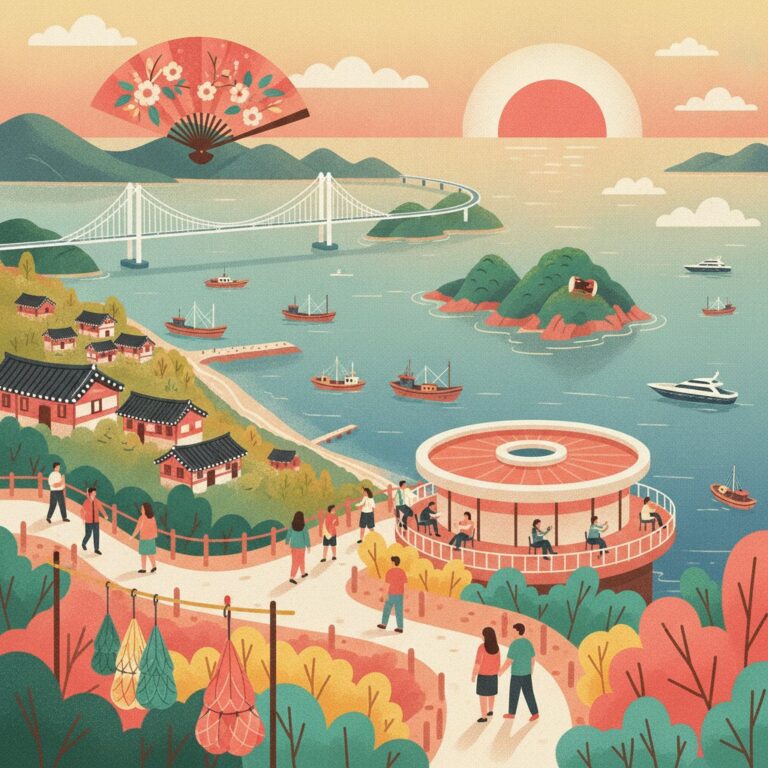
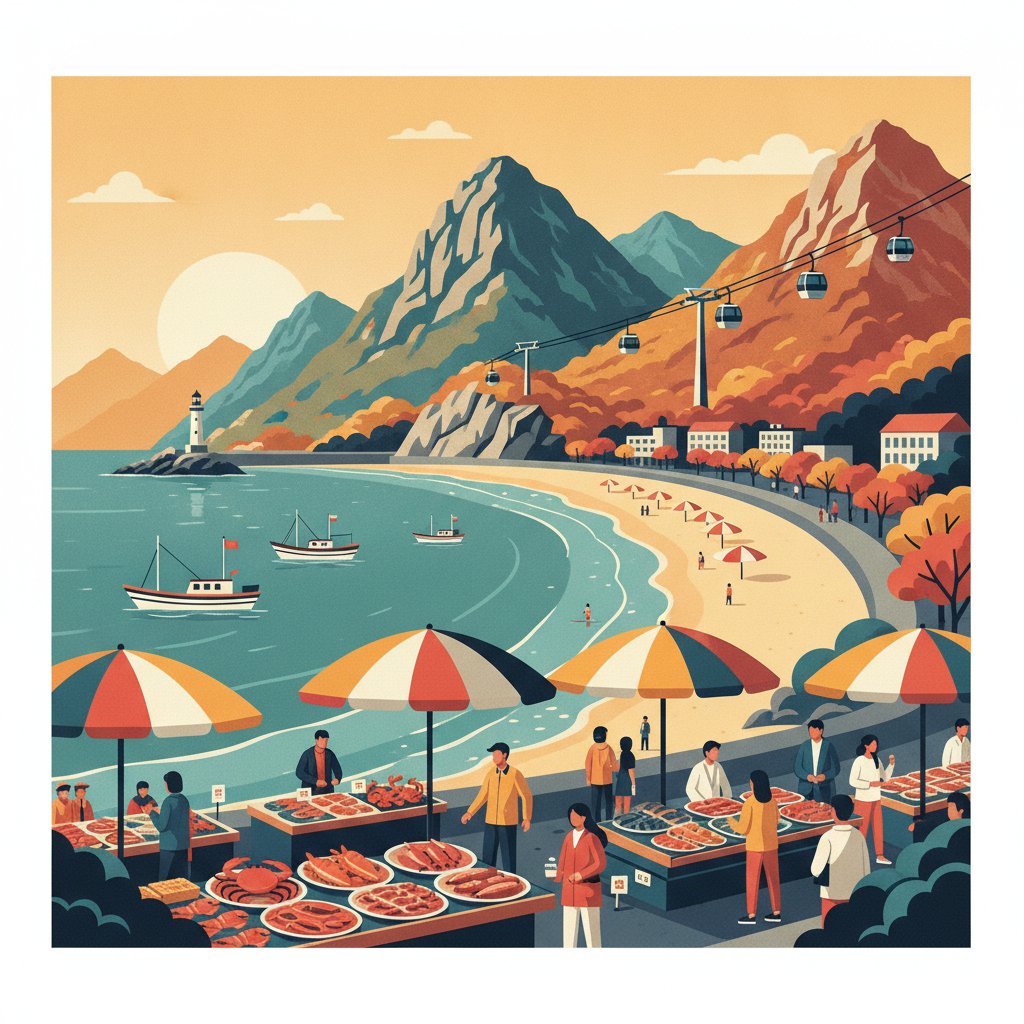
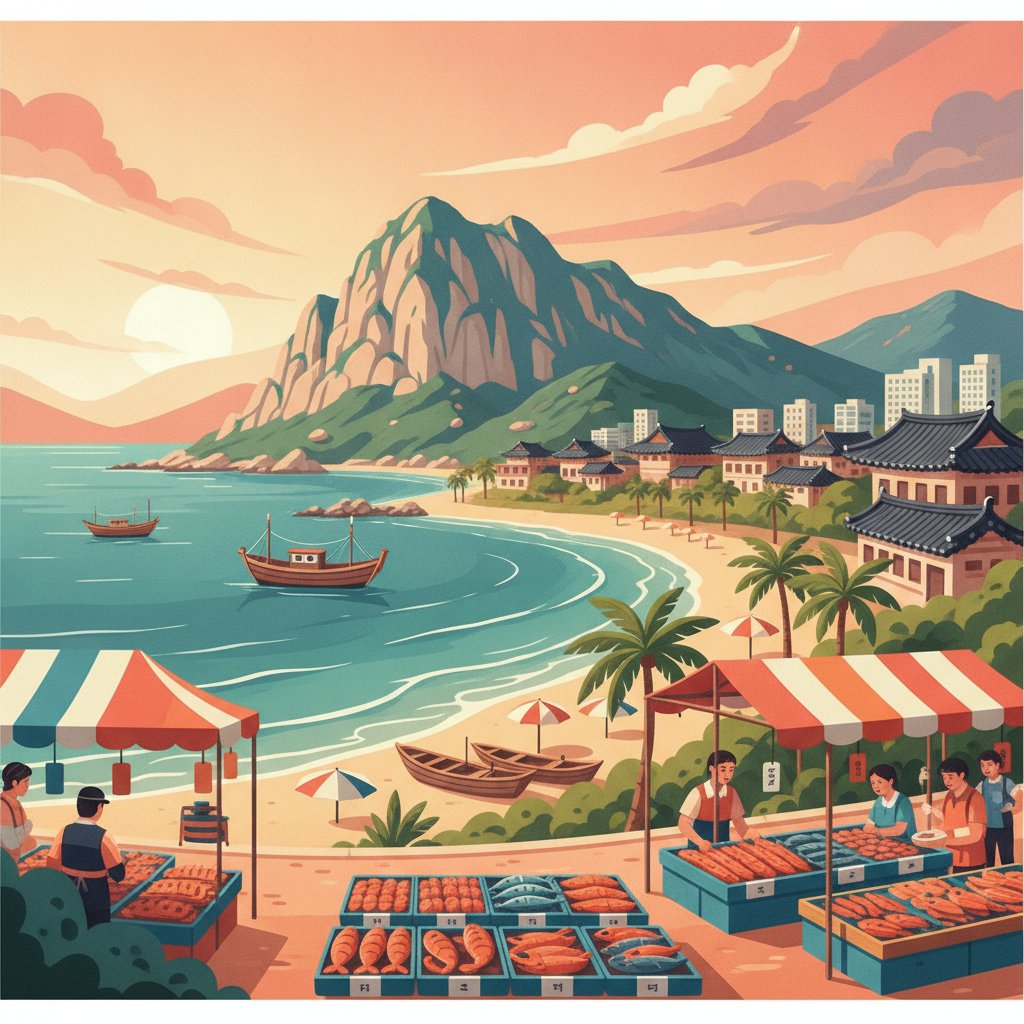
If you arrive at the Sokcho Express Bus Terminal, you are only a five-minute walk from the sand. Sokcho Beach is famous for its clean, pale sand, clear turquoise waters, and well-maintained seaside promenade shaded by coastal pine trees.
What to See along the Shoreline
Unlike the crowded, high-rise lined shores of Busan’s Haeundae, Sokcho Beach offers a slightly more spacious, relaxed coastal layout. Along the promenade, you will find several art installations, photo zones, and wooden benches overlooking the water. It is a peaceful place to take a long walk, regardless of the season. In Korea, visiting the ocean is not strictly a summer activity—locals routinely visit in autumn and winter to enjoy the sharp ocean air, quiet shores, and crisp blue skies.
The Sokcho Eye Ferris Wheel
Rising directly behind the beach is the Sokcho Eye, a massive landmark Ferris wheel that opened recently and quickly became a photo favorite. Riding one of the air-conditioned cabins offers panoramic views of the East Sea on one side and the sharp peaks of Mount Seoraksan on the other. Standard tickets generally run around 12,000 won (approx. $9 USD) per adult. If you want to ride, try going early in the morning or around sunset to avoid long weekend queues.
Exploring Sokcho Central Market
After built-up an appetite by the sea, head toward the heart of the city’s food culture: Sokcho Tourist & Fishery Market (속초관광수산시장). From Sokcho Beach, you can reach the market in under 10 minutes by taxi (fares usually hover around 4,000 to 6,000 won) or by taking local city buses such as Bus 1, 7, or 9.
The market is a sprawling multi-story complex with covered outdoor alleys sorted by category: salted seafood, fresh ocean catches, fried snacks, and regional specialties. As you step inside, the energetic atmosphere, clinking cookery, and rich aromas of toasted sesame oil and garlic immediately welcome you.
Must-Try Local Foods in Sokcho Market
Sokcho has a unique culinary profile shaped by its coastal location and its historical ties to refugees who settled here during the Korean War. Here are the non-negotiable dishes to seek out:
- Dakgangjeong (Sweet & Spicy Crunchy Chicken): This is arguably Sokcho’s most famous edible souvenir. Crisp, bite-sized fried chicken is coated in a thick, sticky sauce made with syrup, garlic, and dried chili, then sprinkled with pumpkin seeds and peanuts. It is uniquely cooked so that it tastes even crunchier when cold. You will spot almost every local tourist walking around holding a signature square box from famous vendors like Manseok Dakgangjeong. A full box usually costs around 20,000 to 22,000 won ($15–$17 USD) and easily feeds two to three people.
- Ojingeo Sundae (Squid Sausage): Unlike traditional blood sausage, Sokcho’s squid sundae uses a fresh, whole squid body stuffed with minced vegetables, glass noodles, tofu, and squid tentacles. The stuffed squid is sliced into thick rings, dipped in egg batter, and pan-fried on a griddle right before your eyes. It is served piping hot, soft, and savory. Expect to pay around 12,000 to 15,000 won per plate.
- Siat Hotteok (Seed-Stuffed Sweet Pancakes): Found near the market entrances, these griddled dough pockets are cooked in savory butter or margarine, split open, and packed with a crunchy mixture of sunflower seeds, pumpkin seeds, and cinnamon brown sugar. They cost roughly 2,000 won ($1.50 USD) each and make a perfect sweet walk-around snack.
- Fresh Sashimi (Hoe) & Snow Crab (Hongge): Head to the basement level of the market building to find rows of fishmongers and small casual dining nooks. Here, you can select fresh fish, sea squirts, or regional red snow crabs. The market vendors will prepare them on the spot into fresh raw slices or serve hot steamed crab alongside crab-shell fried rice.
🎟️ Popular tours & experiences in Korea
Klook.comPractical Tips for Navigating Sokcho
To make the most of your day on the coast, keep these practical, local logistics in mind:
1. Navigation Apps Matter
Google Maps has limited walking and transit direction functionality across Korea due to local mapping regulations. Before traveling, download Naver Map or KakaoMap. Both apps offer full English language interfaces and provide real-time bus arrivals, precise walking paths, and accurate taxi fare estimates.
2. Payments and Cash
Nearly every store, cafe, and market stall in Sokcho accepts standard international credit and debit cards (Visa and Mastercard). However, having 10,000 to 20,000 won in physical bills is helpful if you want to buy small street snacks under 3,000 won or purchase fresh produce from older street vendors sitting outside the main market corridors.
3. Luggage Storage Options
If you arrive early before hotel check-in or are visiting on a day trip with backpack bags, use the coin lockers located inside the Sokcho Express Bus Terminal or near the tourist information center at Sokcho Beach entrance. Locker fees generally range from 2,000 to 4,000 won for the day.
Sample One-Day Sokcho Itinerary
Here is a balanced timeline to help you maximize your time without feeling rushed:
| Time | Activity | Local Note |
|---|---|---|
| 08:00 AM | Depart Seoul | Take an early express bus from Seoul Express Terminal. |
| 10:30 AM | Arrive at Sokcho Beach | Walk along the pine trail and snap photos by the water. |
| 11:30 AM | Ride Sokcho Eye | Catch elevated coastal and mountain views. |
| 12:30 PM | Taxi to Sokcho Market | Short 8-minute ride straight to the main gate. |
| 01:00 PM | Market Feast | Try Ojingeo Sundae, Dakgangjeong, and Siat Hotteok. |
| 03:30 PM | Seaside Cafe Rest | Enjoy ocean-view coffee along the coast or nearby harbor. |
| 06:00 PM | Return to Seoul | Catch evening express bus back from terminal. |
Frequently Asked Questions
Can I visit Sokcho as a day trip from Seoul?
Yes, Sokcho is easily manageable as a day trip. By taking an early morning express bus (around 7:30 or 8:00 AM), you can arrive before 10:30 AM, spend 7 to 8 hours enjoying the beach, market, and cafes, and catch a return bus back to Seoul by 6:00 or 7:00 PM.
Do vendors at Sokcho Market speak English?
While many stall owners have limited English, food stands display clear picture menus with prices written in Korean and English. Ordering is straightforward—you can simply point to what you want or hold up fingers to indicate quantities. Vendors are very accustomed to international visitors.
What is the best time of year to visit Sokcho?
Late spring (May to June) and autumn (September to November) offer the most pleasant weather, clear skies, and comfortable walking temperatures. Autumn is particularly popular because you can combine your Sokcho beach visit with vibrant fall foliage trips to neighboring Mount Seoraksan National Park.
Keep Reading
- Mogok Retreat Chapel (모곡 피정의 집): A Local’s Guide to Serenity in Gangwon
- Nexon Computer Museum (넥슨컴퓨터박물관): A Local’s Guide
- Lotte World Adventure Busan (롯데월드 어드벤처 부산): A Local’s Guide
- Cheongok Golden Bat Cave (천곡황금박쥐동굴): A Local’s Guide
🎟️ Popular tours & experiences in Korea
Klook.com