Free Seoul Palace Entry in Hanbok: Rules and Rental Tips
How the Hanbok Free Admission System Works
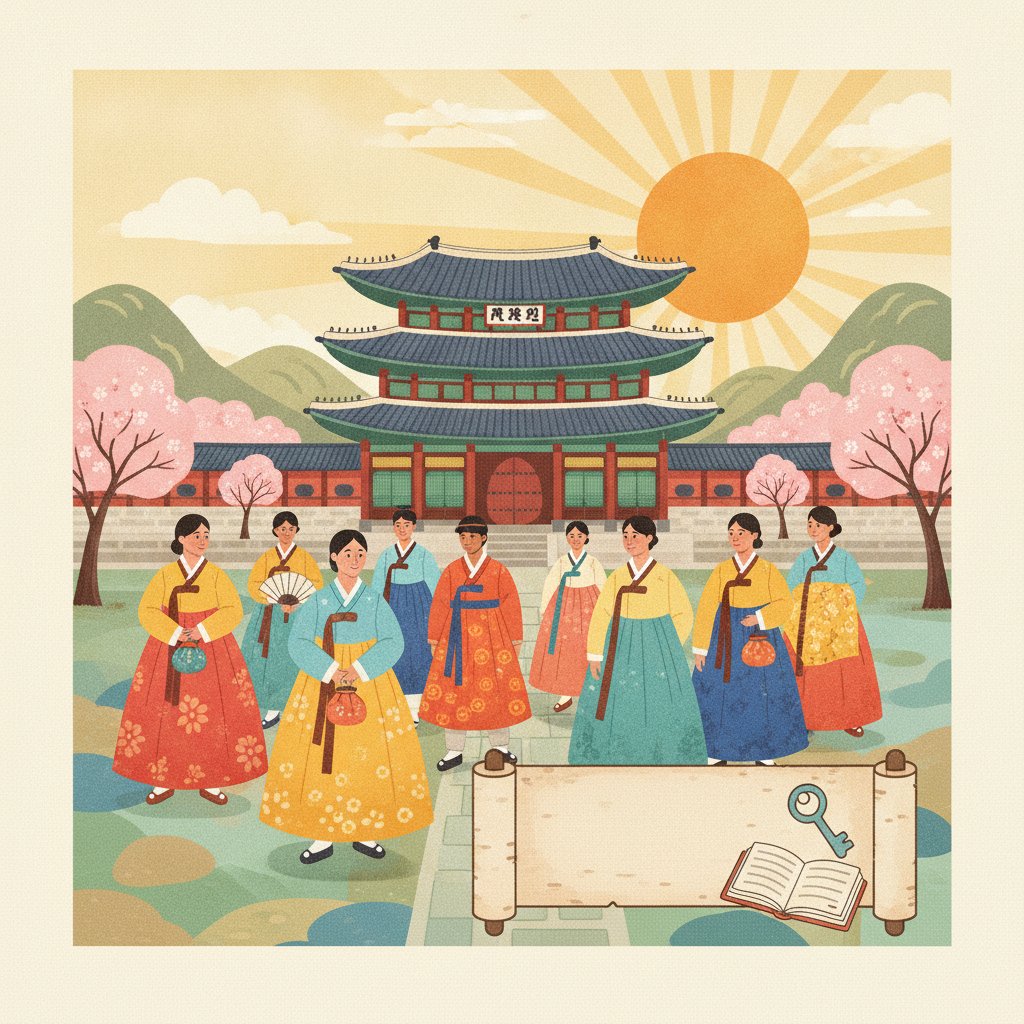
Every day around 10:00 AM, the quiet stone streets around Gyeongbokgung Palace fill with vibrant silk skirts floating past ancient oak gates. Walking through the historic Seochon or Bukchon neighborhoods, you will notice a colorful stream of travelers and locals dressed in traditional Korean attire walking straight past ticket windows without paying a single won. As a Korean who grew up visiting these royal grounds on school field trips, seeing visitors from all over the world embrace our traditional clothing, known as Hanbok, is one of the most delightful sight in modern Seoul.
The Cultural Heritage Administration of South Korea established the seoul palace hanbok free entry initiative to encourage locals and international tourists to keep traditional Korean culture active and visible. Under this policy, anyone wearing proper Hanbok gets free admission to the main royal palaces across the city. You do not need to print an entrance pass or queue at the main ticketing booths. You simply walk up to the gate supervisor, present yourself in dress, and step directly into Joseon-era history.
✈️ Book your trip to Korea — hotels, flights & more
Which Seoul Palaces Offer Free Entry for Hanbok Wearers?
Seoul is home to five major royal palaces from the Joseon Dynasty, along with the royal Jongmyo Shrine. Almost all of these locations participate in the free admission program, making it easy to plan an entire day of historical sightseeing in full traditional dress.
- Gyeongbokgung Palace: The main and grandest royal palace in Seoul. Wearing Hanbok allows you to bypass the often massive general ticket queues and walk directly through Heungnyemun Gate.
- Changdeokgung Palace: Famous for its magnificent architecture and harmony with nature. Hanbok grants free entry to the main palace grounds (though special areas like the Secret Garden require a separate ticket).
- Changgyeonggung Palace: A peaceful palace connected to Changdeokgung, known for its serene gardens and the historic Grand Greenhouse (Daeonsil).
- Deoksugung Palace: Located near City Hall, famous for its blend of traditional Korean wooden structures and western-style stone buildings.
- Jongmyo Shrine: The supreme royal shrine where ancestral rituals are preserved. Hanbok wearers enter free, though timed guided visits apply on specific weekdays.
| Palace Name | Free Entry with Hanbok? | Important Note |
|---|---|---|
| Gyeongbokgung | Yes | Skip main ticket line; go to gate. |
| Changdeokgung | Yes | Secret Garden requires paid ticket. |
| Changgyeonggung | Yes | Includes access to Grand Greenhouse. |
| Deoksugung | Yes | Great for evening night view visits. |
Official Hanbok Dress Code Rules for Free Admission
To qualify for free entry, your outfit must meet the official Hanbok guidelines set by the Cultural Heritage Administration. In the past, rental shops offered playful, exaggerated costumes that strayed too far from tradition, leading officials to clarify what counts as proper attire. You do not need an museum-grade antique, but your garment must respect the basic structural elements of traditional Korean clothes.
Guidelines for Women’s Hanbok (Chima & Jeogori)
Women’s Hanbok typically consists of an upper jacket (Jeogori) and a long skirt (Chima). To meet the free entrance standards, your outfit should observe the following:
- The skirt (Chima) must be long enough to cover your knees and ideally reach down near the ankles. Short miniskirt-style dress modifications are strictly turned away at palace gates.
- The upper jacket (Jeogori) must cover the shoulders and upper torso properly. Transparent sheer tops without a modesty top underneath or sleeveless crop tops without a top layer do not qualify.
- Traditional wrap skirts, layered skirts, and modern fusion skirts with petticoats are fully accepted as long as they maintain proper length and modesty.
Guidelines for Men’s Hanbok (Baji & Jeogori)
Men’s Hanbok consists of an upper jacket (Jeogori) and loose trousers (Baji), often paired with an outer coat such as a Durante or Baeja (vest).
- Trousers (Baji) must be full length and secured around the ankles or lower legs.
- The top jacket or overcoat must be worn fastened or tied properly at the front.
- Wearing just a vest over casual western clothing like jeans or t-shirts will not qualify for free entry.
Gender-Neutral Dressing Guidelines
It is worth noting that South Korean palace guidelines explicitly state that visitors can choose any Hanbok style regardless of gender. A woman wearing men’s traditional trousers and overcoats, or a man wearing a traditional skirt, will be granted free entry as long as the garment itself adheres to proper traditional standards.
🎟️ Popular tours & experiences in Korea
Klook.comWhere to Rent Hanbok in Seoul
You do not need to purchase your own outfit to enjoy seoul palace hanbok free entry. Dozens of commercial rental shops line the streets around Anguk Station (Subway Line 3), Gyeongbokgung Station (Subway Line 3), and Insadong. Rental businesses cater heavily to foreign visitors and provide full-service experiences including fitting assistance, hair styling, accessories, and luggage storage.
How Rental Pricing Works
While prices vary depending on the shop, rental duration, and garment quality, general standard price ranges across Seoul remain fairly consistent:
- Traditional Hanbok (Basic style): Usually ranges between 10,000 to 15,000 KRW (approximately $8 to $12 USD) for a 2-hour to 4-hour rental.
- Theme / Premium / Royalty Hanbok: Detailed embroidery, gold foil accents, or royal court styles usually cost between 20,000 to 35,000 KRW (approximately $15 to $27 USD) for 4 hours or full-day options.
- Optional Add-ons: Basic hair ribbons are often included. Intricate hairstyling with hairpins (Daenggi), traditional hats (Gat), inner wire skirts (petticoats), or decorative matching purses may add an extra 2,000 to 5,000 KRW (roughly $1.50 to $4 USD) each.
For convenience, many international travelers book their rentals in advance through well-established tour platforms like Klook. Pre-booking often guarantees your size availability during busy peak seasons like spring cherry blossom season or autumn foliage months.
Step-by-Step Guide to Your Palace Hanbok Experience
Step 1: Choose Your Shop and Select Your Pieces
Arrive near Anguk Station or Gyeongbokgung Station in the morning around 9:00 AM to 9:30 AM to beat the crowds. Inside the rental shop, staff will ask you to select a skirt first. Once you select a skirt color, the staff will help match a complementary Jeogori jacket that fits your shoulder width.
Step 2: Dressing and Hair Styling
Rental staff are experts at layering the garments quickly. You will usually wear an inner petticoat skirt to give the Hanbok its signature bell shape. You can typically leave your street clothes on underneath if they are lightweight (t-shirt and shorts in summer, or thin thermal layers in winter). Once dressed, store your personal bags and street shoes in the shop’s lockers and stop by the vanity table for hair braiding and hairpins.
Step 3: Heading to the Gate
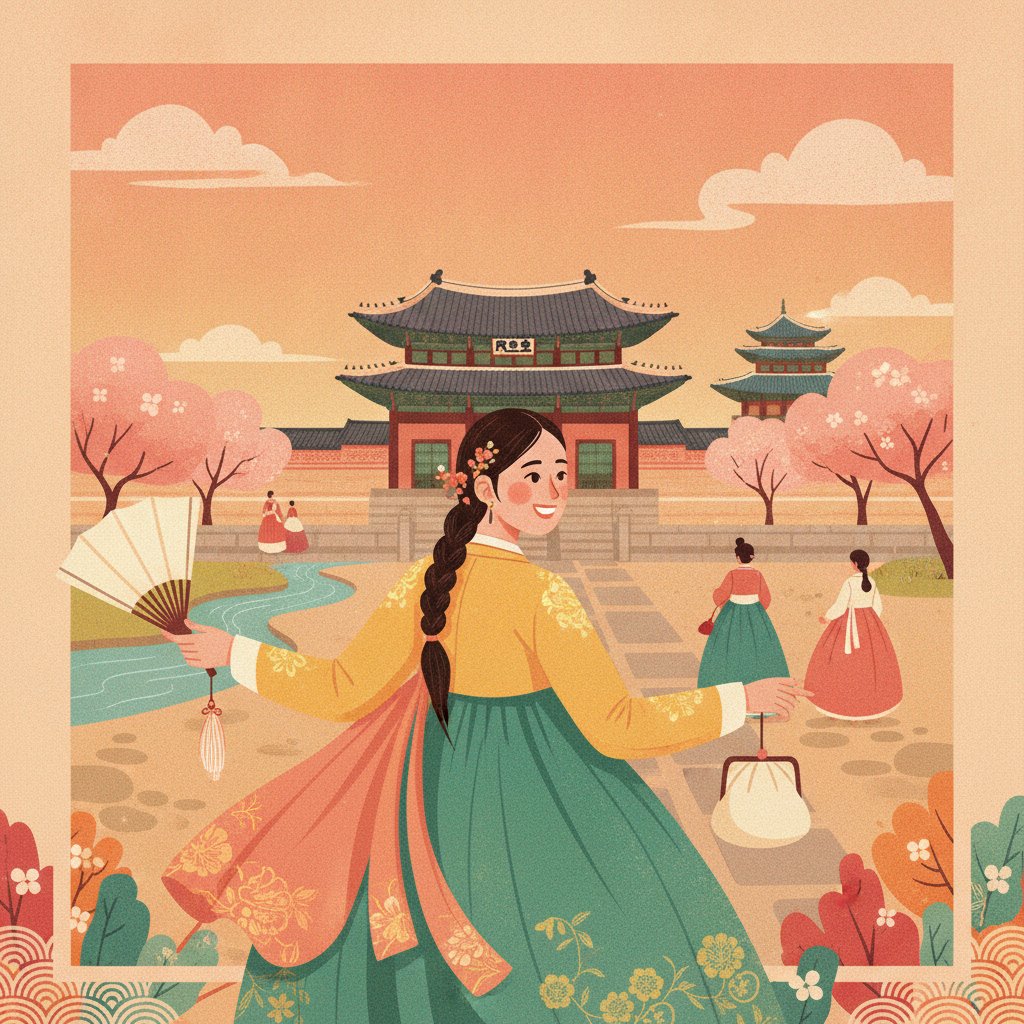
Walk toward the palace entrance. If you are visiting Gyeongbokgung, do not stand in line at the glass ticket booths. Walk straight toward the central wooden gates where gate staff inspect passes. As soon as they see your Hanbok attire, they will smile, bow slightly, and gesture for you to pass right into the inner courtyard.
Practical Tips for a Comfortable Day Out
As a local, I often see visitors struggling with two main things during their palace visits: footwear and weather preparation. A little planning goes a long way toward making your photo walk enjoyable.
- Wear comfortable shoes: Palace grounds in Korea are covered in coarse sand, gravel, and unpaved stone paths. Even though traditional shoes (Gotsin) look pretty, they lack support. Wear comfortable neutral-colored sneakers or flat walking shoes under your skirt. Your skirt will cover your feet most of the time anyway!
- Dressing for Winter (December to February): Seoul winters regularly drop below freezing. Wear snug fleece heattech thermals, leggings, and hand warmers. Many shops rent winter vests (Baeja) trimmed with fur to wear over your top.
- Dressing for Summer (June to August): Korean summers are hot and humid. Pick lightweight linen or light silk skirts, bring a small handheld electric fan, and drink plenty of water.
- Keep track of rental time: Shops usually charge late fees if you exceed your agreed rental window. Give yourself 20 minutes to walk back from the palace grounds to the rental shop.
Frequently Asked Questions
Do I need to stop at the ticket counter if I wear Hanbok?
No, you do not need to get a physical ticket at the ticket window. At major palaces like Gyeongbokgung and Changdeokgung, you can walk directly to the entrance gate where staff check tickets and enter through the Hanbok priority lane.
Are modified modern or fusion Hanbok allowed for free entry?
Yes, modern fusion Hanbok with lace, ribbons, printed patterns, or wire petticoats are generally accepted for free admission, provided the skirt length extends below the knees and the upper body is properly covered in traditional style.
Is the Secret Garden at Changdeokgung free if I wear Hanbok?
No, free admission for Hanbok wearers only applies to the main general palace grounds. Restricted tour areas such as the Secret Garden (Huwon) at Changdeokgung require a separate paid tour ticket regardless of what clothing you wear.
🎟️ Popular tours & experiences in Korea
Klook.comKeep Reading
- Euljiro Nogari Alley (을지로 노가리골목): A Local’s Guide
- Seongbuk-dong–Bukchon Hanok Village Course (성북동고택북촌산책길): A Local’s Guide
- Seoul Mountain Climbing & Culture Center (산악문화체험센터): A Local’s Guide
- Hallyu Self-Photos at Youngchive Seongsu (영카이브 성수점)
🎟️ Popular tours & experiences in Korea
Klook.com