Why Military Tropes Keep Showing Up in Korean Dramas
Every few months, my international friends who love K-dramas send me a panicked screenshot of a beloved actor sporting a fresh buzzcut, holding a small enlistment notice. They ask why someone at the absolute peak of their career has to pause everything for nearly two years. As a Korean man who completed his mandatory service years ago, I completely understand why this concept feels jarring to foreign viewers. In Korea, however, military conscription is a universal experience that shapes our societal views, our humor, and the stories we tell on screen.
When you watch Korean military service kdramas, you are not just watching action thrillers or romantic comedies. You are getting a glimpse into a deep-seated cultural reality that every Korean family touches in some way. Understanding these military tropes transforms how you view plot twists, character motivations, and subtle cultural jokes in your favorite shows. Here is a local’s guide to how the military works in K-dramas and why these storylines resonate so deeply with us.
The Reality of Conscription Behind the Kdrama Screen
To understand why military tropes are so prevalent in Korean television, it helps to know the basic structure of Korean conscription. Under South Korean law, all able-bodied male citizens between the ages of 18 and 28 are required to serve in the armed forces. This system has been in place due to the ongoing geopolitical reality of the Korean Peninsula.
Depending on the military branch, active duty service usually lasts between 18 and 21 months. The Army and Marine Corps serve roughly 18 months, the Navy serves 20 months, and the Air Force serves 21 months. Those who receive lower physical evaluation scores or have specific medical conditions may fulfill their duty as public service personnel in government offices, subway stations, or social welfare centers for about 21 months.
For Korean male actors and K-pop idols, the late twenties represent a crucial deadline. While students can delay their enlistment during university, delaying past age 28 is strictly regulated by the Military Manpower Administration. This creates a real-world drama where actors must film as many projects as possible before reporting to boot camp. Consequently, the theme of military departure is not just a fictional device—it is a live event that fans and actors navigate together in real time.
✈️ Book your trip to Korea — hotels, flights & more
4 Common Military Tropes in Korean Dramas Explained
Korean military service kdramas tend to fall into a few distinct categories, ranging from highly romanticized action series to gritty, realistic critiques of military life. Here are the main tropes you will spot as you watch.
1. The Glamorized Elite Soldier
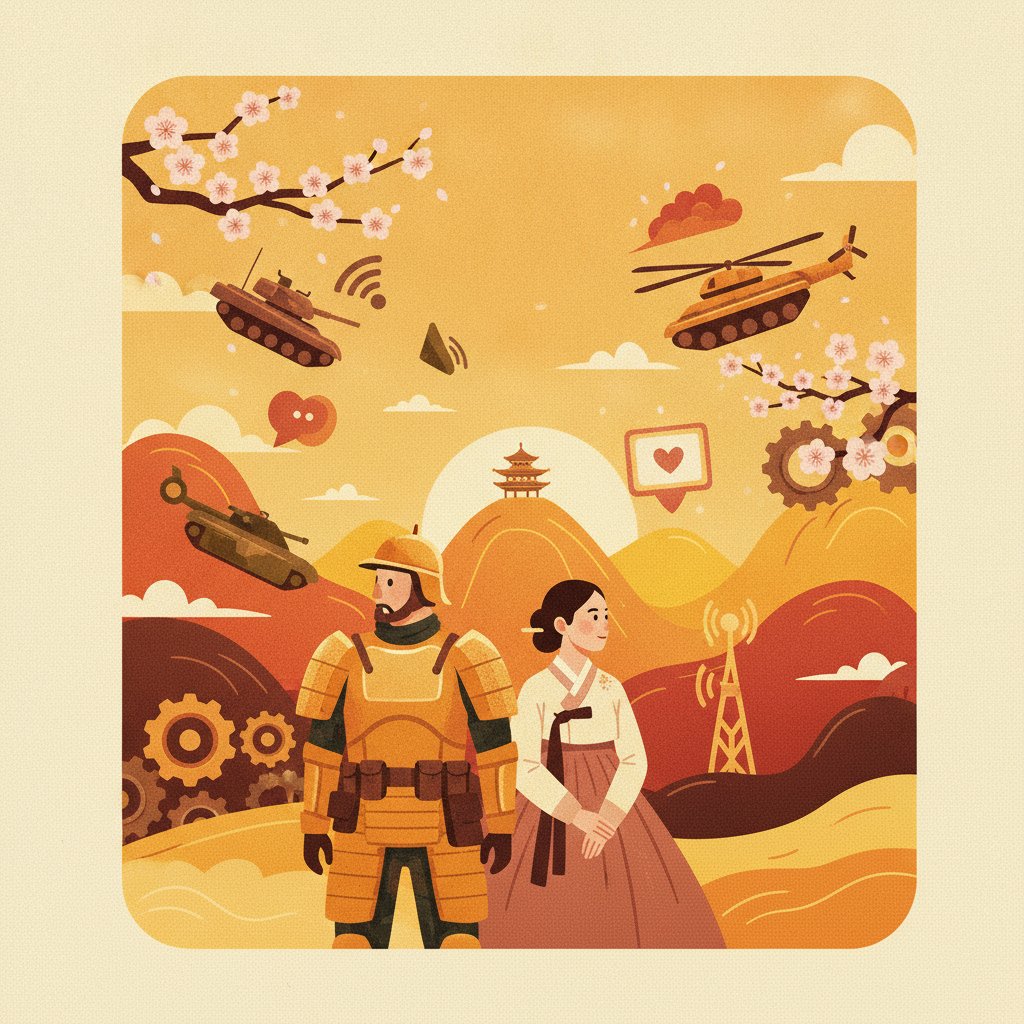
Shows like Descendants of the Sun and Crash Landing on You feature dashing special forces officers or charismatic commanders. These characters embody honor, physical perfection, and unwavering discipline. In these dramas, the military background serves as a narrative tool to highlight the male lead’s bravery and protective nature.
While Koreans enjoy these romanticized depictions, most local viewers view them as pure fantasy. The real daily life of a conscript involves far more physical labor, cleaning barracks, guard duty in freezing winters, and routine maintenance than high-stakes covert operations. Nevertheless, these characters remain immensely popular because they fulfill classic heroic archetypes.
2. The Gritty Barracks Reality and Hazing
On the opposite end of the spectrum are dramas like Netflix’s D.P. (Deserter Pursuit). This series highlights the harsh, realistic, and sometimes traumatic aspects of military life, focusing on the specialized unit that tracks down soldiers who go AWOL (absent without official leave).
When D.P. aired, it caused a massive cultural conversation in Korea. Older generations recalled the intense hazing of the 1990s and 2000s, while younger viewers discussed how modern reforms have shifted military culture. For international viewers, these realistic Korean military service kdramas offer a sobering look at the psychological toll of mandatory enlistment and systemic power dynamics.
3. The “Gomsin” and the Tearful Enlistment Goodbye
In romantic K-dramas, a male lead entering the military often leads to a dramatic turning point. A popular term you will hear in Korea is Gomsin (short for Gomu Sinbal, meaning “wearing rubber shoes”). This term historically refers to a woman waiting for her boyfriend while he serves in the military. If a couple breaks up during his service, locals say she “turned her rubber shoes inside out.”
In dramas, the temporary separation tests the strength of the relationship. Characters send physical letters, schedule brief phone calls during limited free time, or count down the days until night-leave passes. This dynamic adds emotional weight to romance storylines, reflecting a trial that millions of real-life Korean couples navigate every year.
4. The Post-Service “Yebigun” (Reserve Forces) Humor
After completing active duty, Korean men are transferred to the Reserve Forces (Yebigun) for eight years, requiring them to attend annual refresher training. In K-dramas, you will often see male characters transform the moment they put on their faded military uniforms for reserve training.
No matter how suave or professional a man is in his day job, wearing that loose uniform turns him into a sleepy, relaxed civilian who moves as slowly as possible. This is a running gag in Korean comedy scenes because every Korean man who has attended reserve training instantly recognizes the feeling of stepping back into that uniform.
Essential Korean Military Terms for K-Drama Fans
Understanding the vocabulary used in military scenes helps you catch subtle character dynamics. Here is a simple reference table for common terms used in shows:
| Term | Hangul | Meaning |
|---|---|---|
| Ipdae | 입대 | Enlistment; entering the boot camp |
| Jeon-yeok | 전역 | Official discharge from active military service |
| PX | P.X. | Post Exchange; the on-base convenience store |
| Gomsin | 곰신 | A girlfriend waiting for a serving boyfriend |
For example, when characters talk about visiting the “PX,” they are referring to the military convenience store famous for discounted snacks, specialty frozen foods, and specific skincare products that soldiers buy as gifts for their families during leave.
🎟️ Popular tours & experiences in Korea
Klook.comWhere to Stream Korean Military Service Kdramas
If you want to explore this subgenre, several major platforms stream these titles globally with English subtitles. Streaming subscriptions generally vary by region and plan tier, but basic tiers usually run between $7 and $18 USD per month.
- Netflix: Best for gritty originals like D.P. and global hits like Crash Landing on You. Search using keywords like “Korean military dramas” or explore the Korean TV show category.
- Rakuten Viki: Great for classic romance dramas and mid-2000s series featuring military enlistment subplots. Standard monthly passes usually fall around $5 to $10 USD depending on your region.
- Kocowa: Excellent for broadcast network dramas (KBS, MBC, SBS) that feature realistic domestic perspectives on enlistment and family reactions.
When searching on these platforms, trying variations like “Korean army series” or checking specific actor filmographies right before their enlistment years will lead you to rich, context-heavy shows.
Frequently Asked Questions
Do all Korean male celebrities really have to serve in the military?
Yes, conscription applies to all male Korean citizens, including actors, idols, and athletes. While elite athletes who win Olympic medals or Asian Games gold medals can receive exemptions to serve as sports personnel, pop culture figures and actors are required to complete their service before age 28 to 30.
What does the term Gomsin mean in Korean drama culture?
Gomsin is short for Gomu Sinbal (rubber shoes) and refers to a woman waiting for her boyfriend to finish his military service. It is a widespread cultural concept in Korea, frequently featured in romantic dramas to symbolize loyalty, long-distance patience, and devotion through a prolonged separation.
How long does Korean military service actually last?
Active duty military service currently ranges from 18 to 21 months depending on the branch of the armed forces. The Army and Marines serve 18 months, the Navy serves 20 months, and the Air Force serves 21 months. Public service workers fulfill approximately 21 months of duty.
Keep Reading
- Level Up Your Korean: A Realistic Guide to Learning Through K-Dramas
- Beyond the Screen: Essential Korean Variety Shows K-Drama Fans Will Adore
- Webtoon K-Drama Adaptations: Picks and Watching
- K-Drama Cafes & Filming Spots in Seoul: Local Finds
🎟️ Popular tours & experiences in Korea
Klook.com